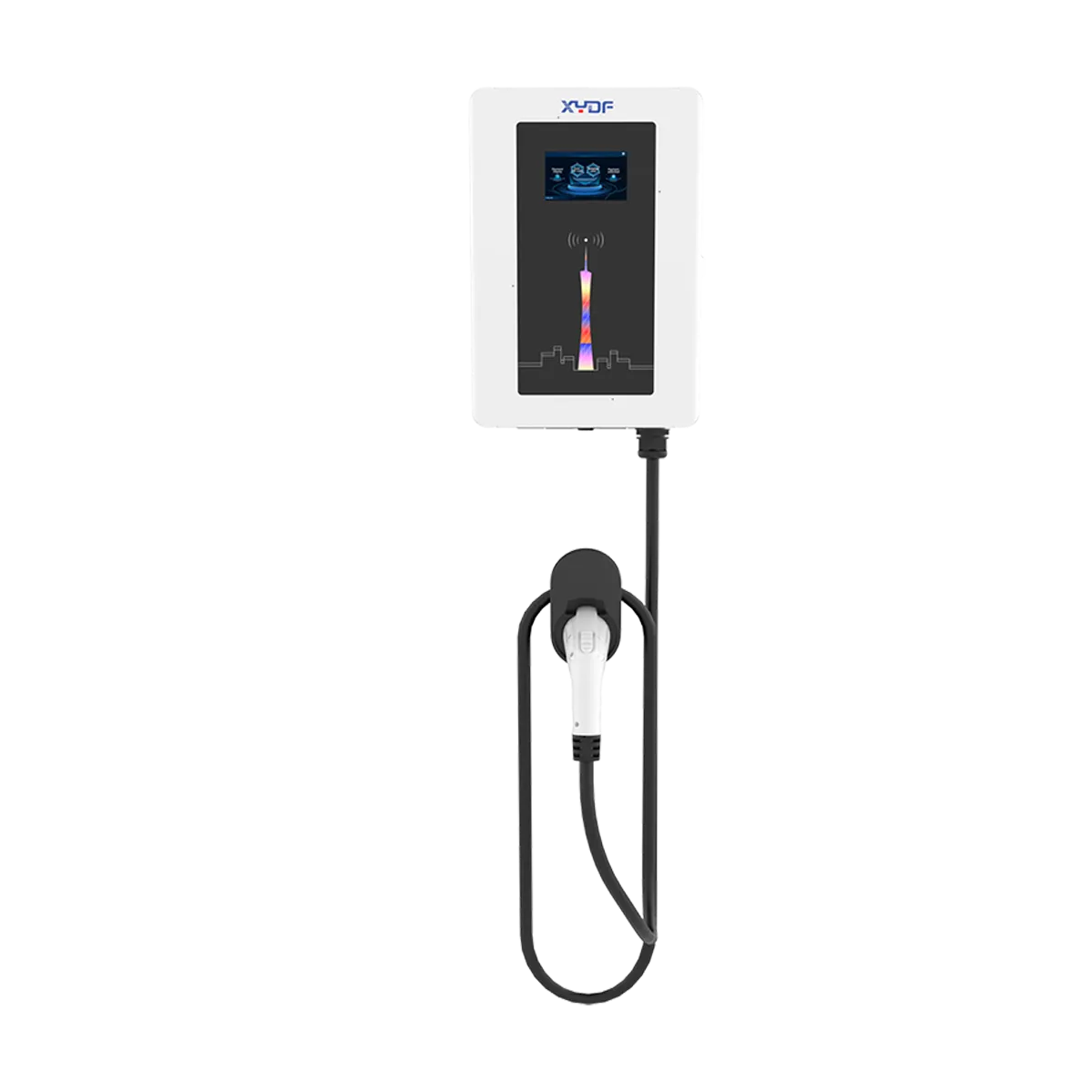
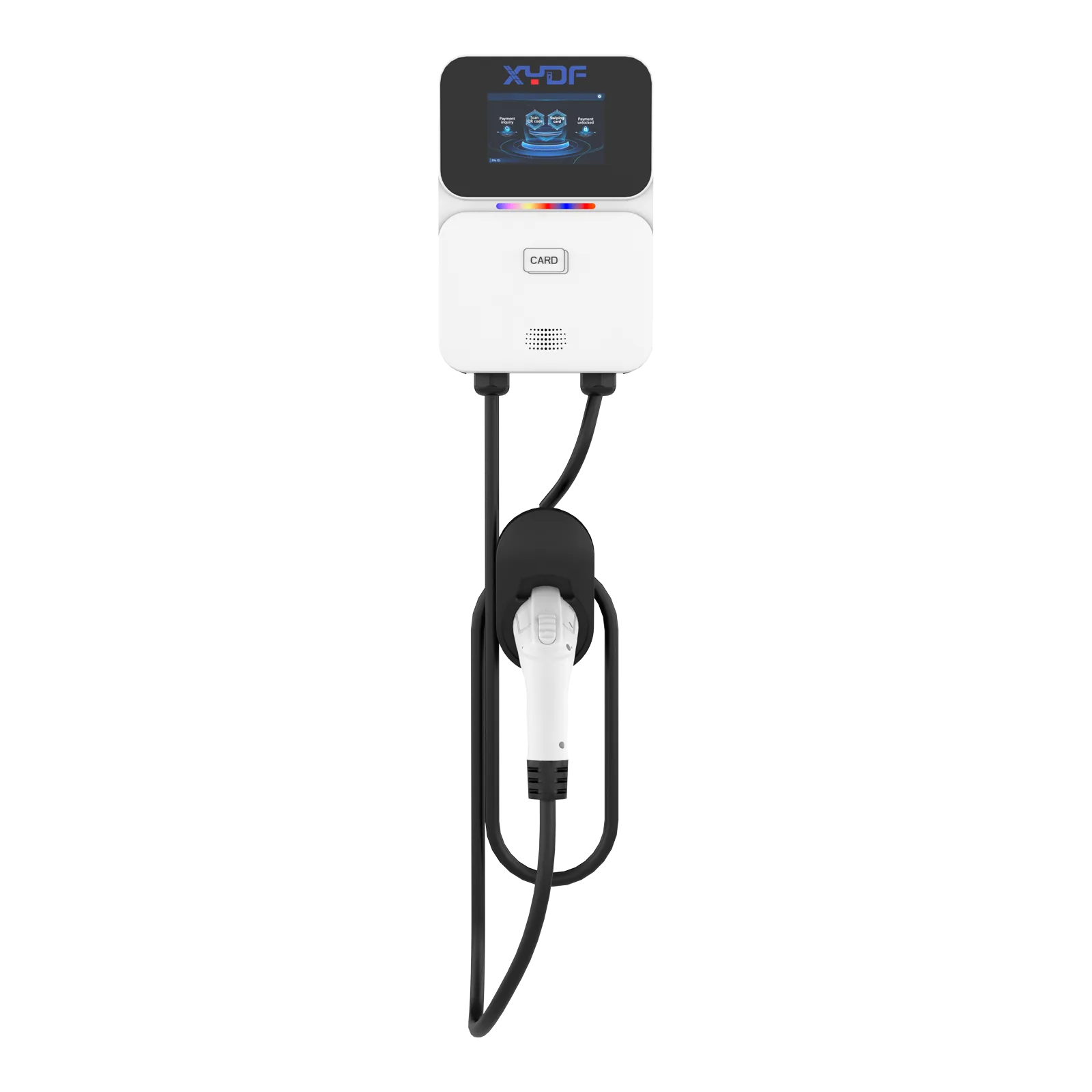
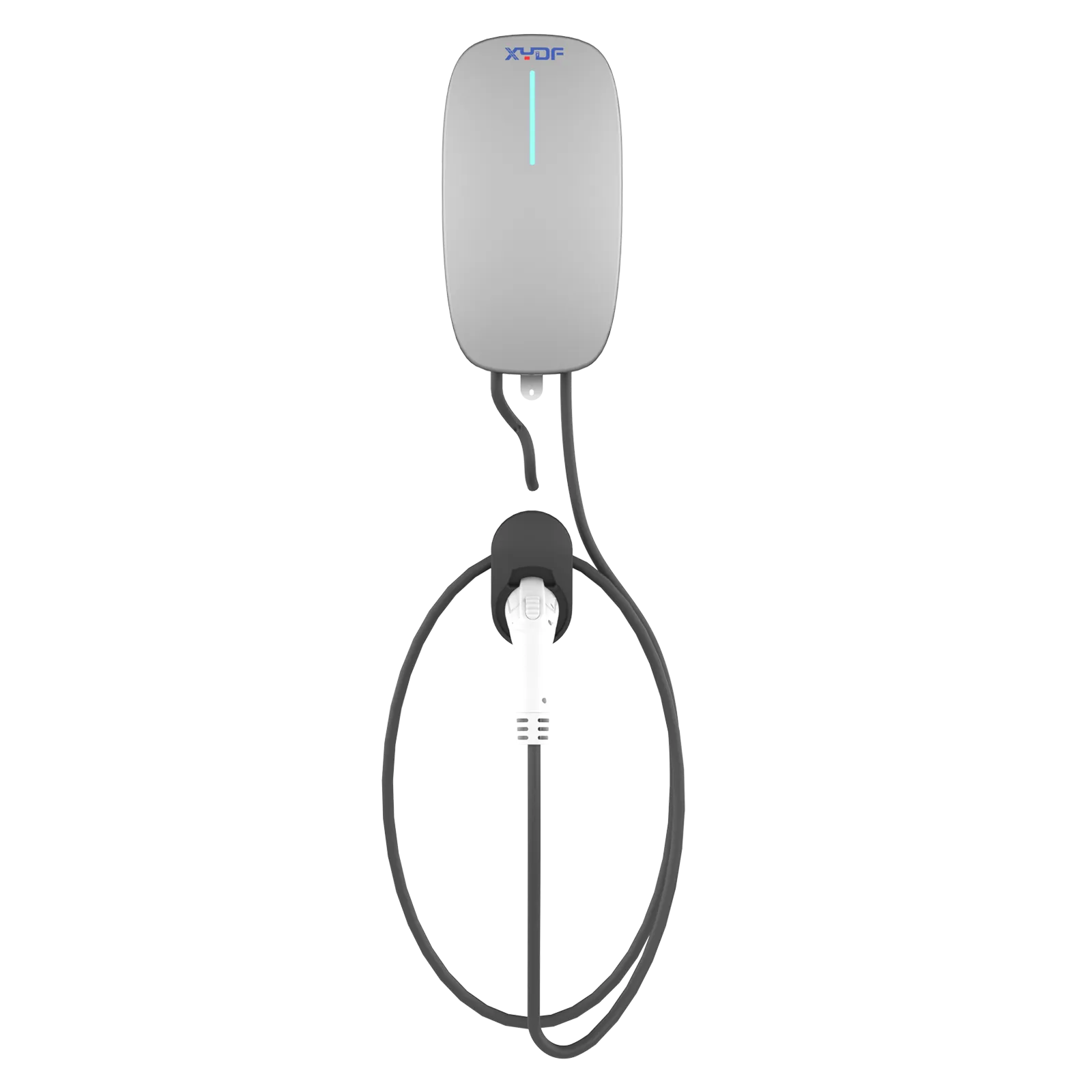
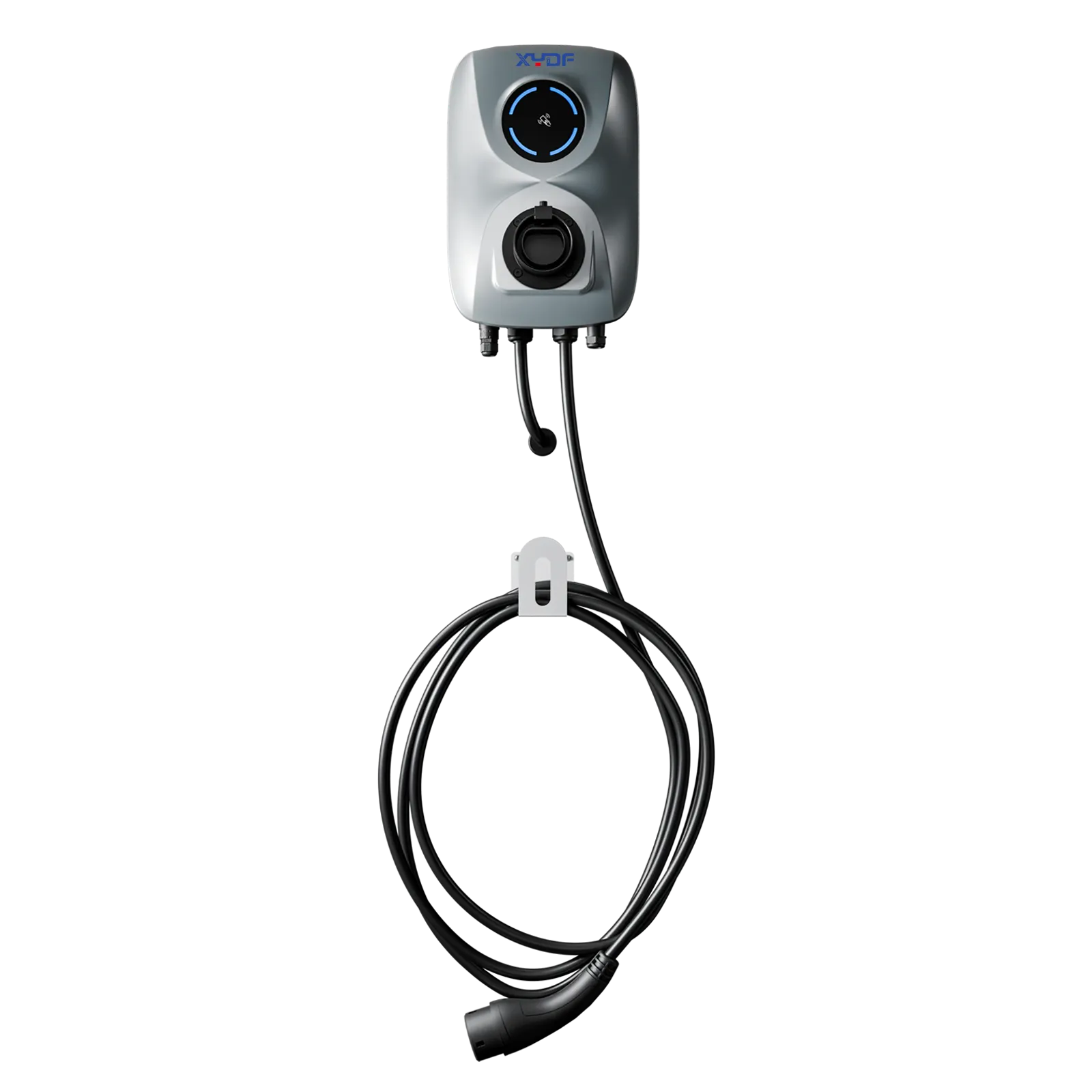
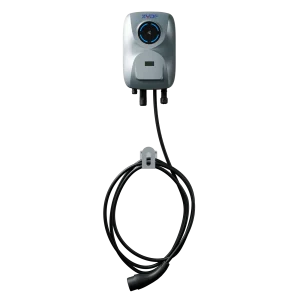
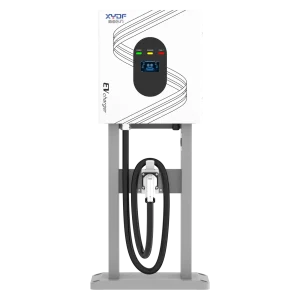
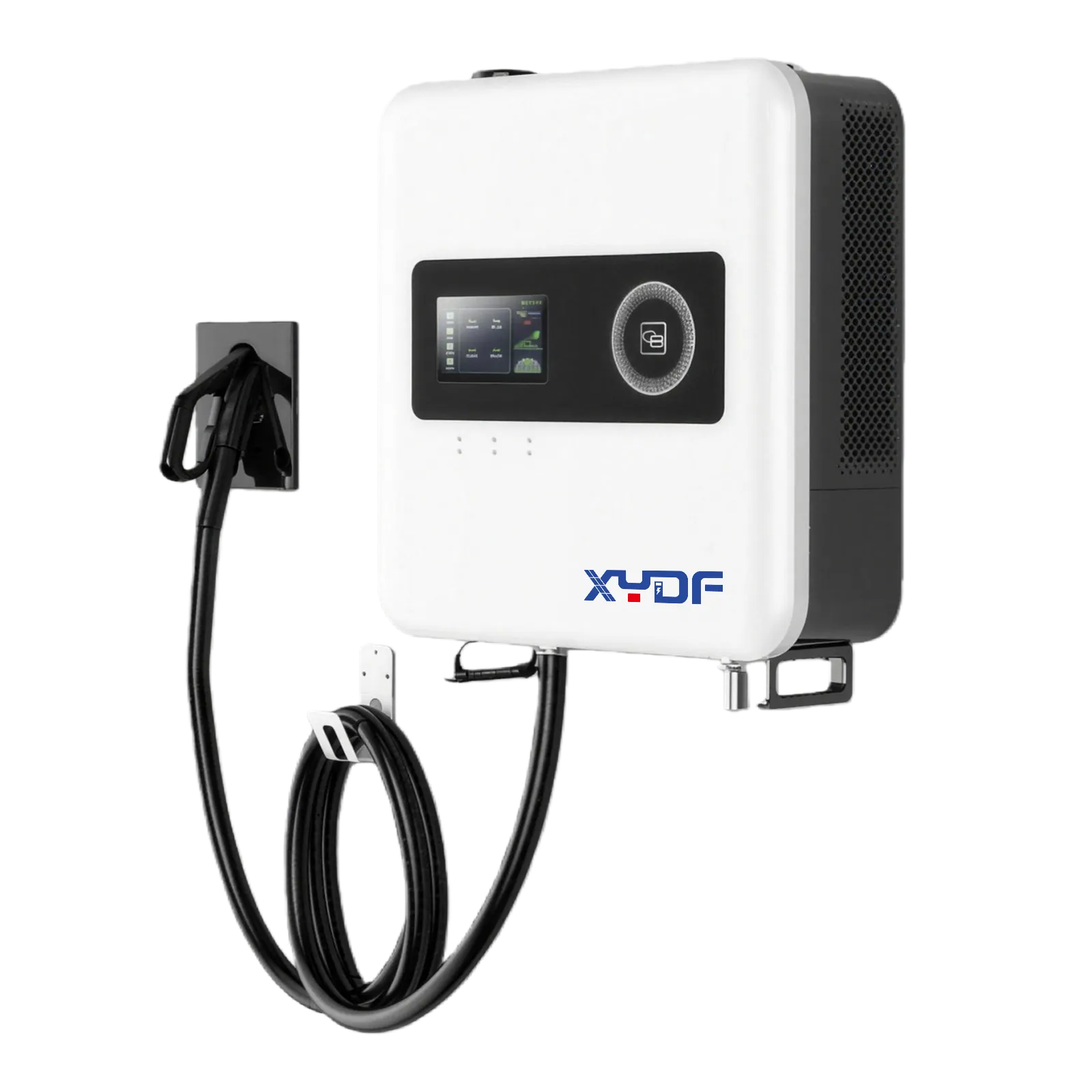
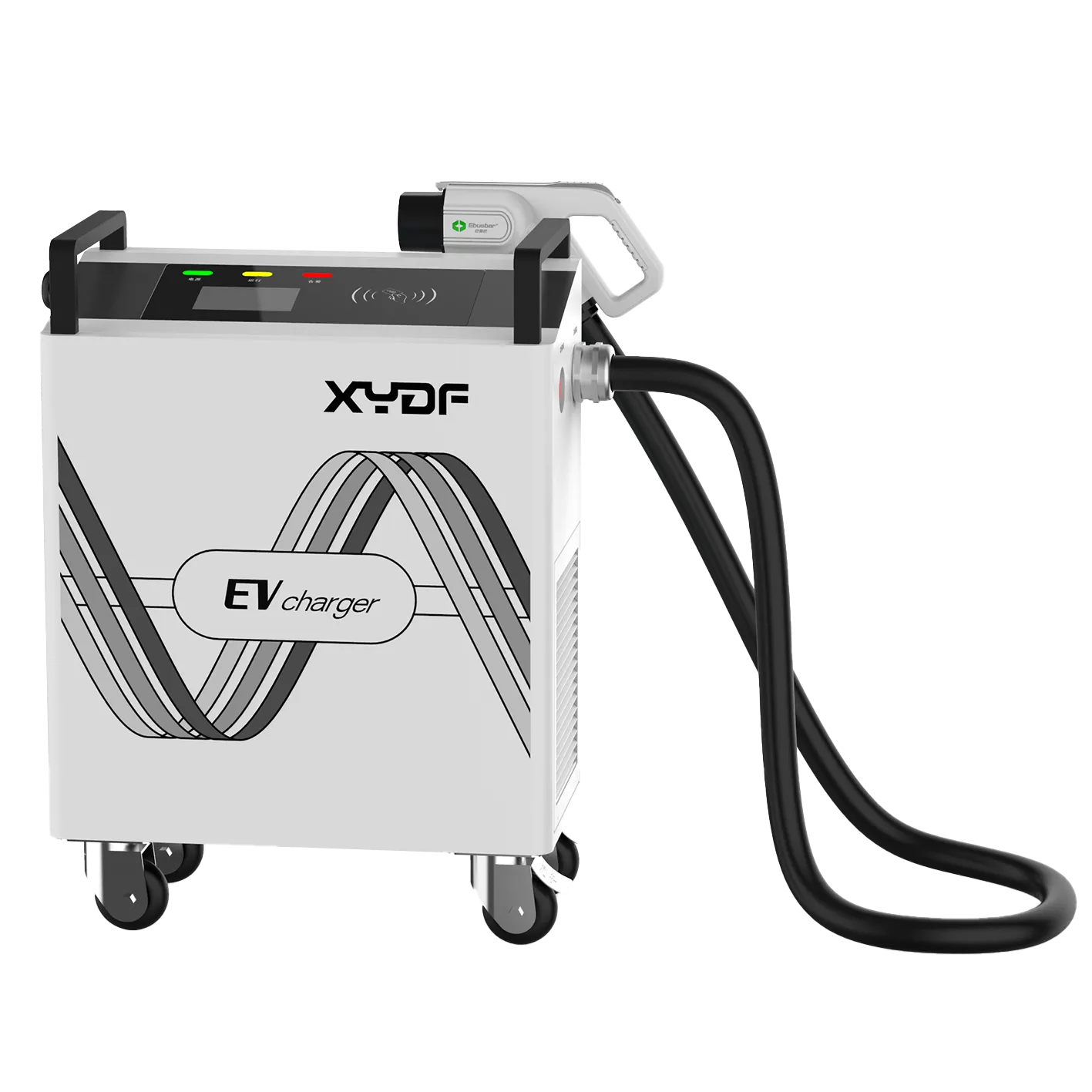
По мере того как рынок электромобилей растет во всем мире, все больше домовладельцев, предприятий, гостиниц, компаний по парковке и операторов автопарков ищут надежные модели зарядных станций 2-го типа для электромобилей. Станции зарядки типа 2 на солнечной энергии — это более разумный выбор для снижения затрат на электроэнергию, обеспечения энергетической независимости и продвижения устойчивой мобильности. Многие покупатели все чаще обращают внимание на эту экологичную опцию в зарядных устройствах, поэтому интеграция солнечной энергии в системы зарядки — растущая тенденция в сфере жилой и коммерческой инфраструктуры для электромобилей.
Потребители отказались от привычных им простых зарядных устройств. Теперь они ищут что-то, что обеспечивает им солнечную энергию, интеллектуальное управление энергопотреблением, динамическое распределение нагрузки, хранение энергии и долгосрочную экономию средств. Для корпораций этот продукт оптимизирует их стратегию брендинга, поддерживает их ESG-цели и открывает возможности для дальнейшего создания ценности из-за парковочных мест.
Тем не менее, перед принятием решения о покупке, покупатели обычно учитывают практические соображения. Возникают вопросы, например, достаточно ли солнечной энергии для подзарядки электромобиля, сколько солнечных панелей потребуется, работает ли система в условиях темноты или плохой погоды, и будут ли их автомобили совместимы с зарядкой по типу 2. В этом руководстве описано, как работает зарядка электромобилей с солнечной панелью по типу 2 и как выбрать оптимальный вариант в разных ситуациях.
Что такое зарядная станция для электромобилей с солнечной панелью типа 2?
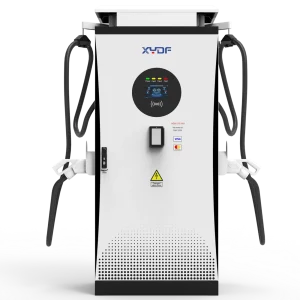
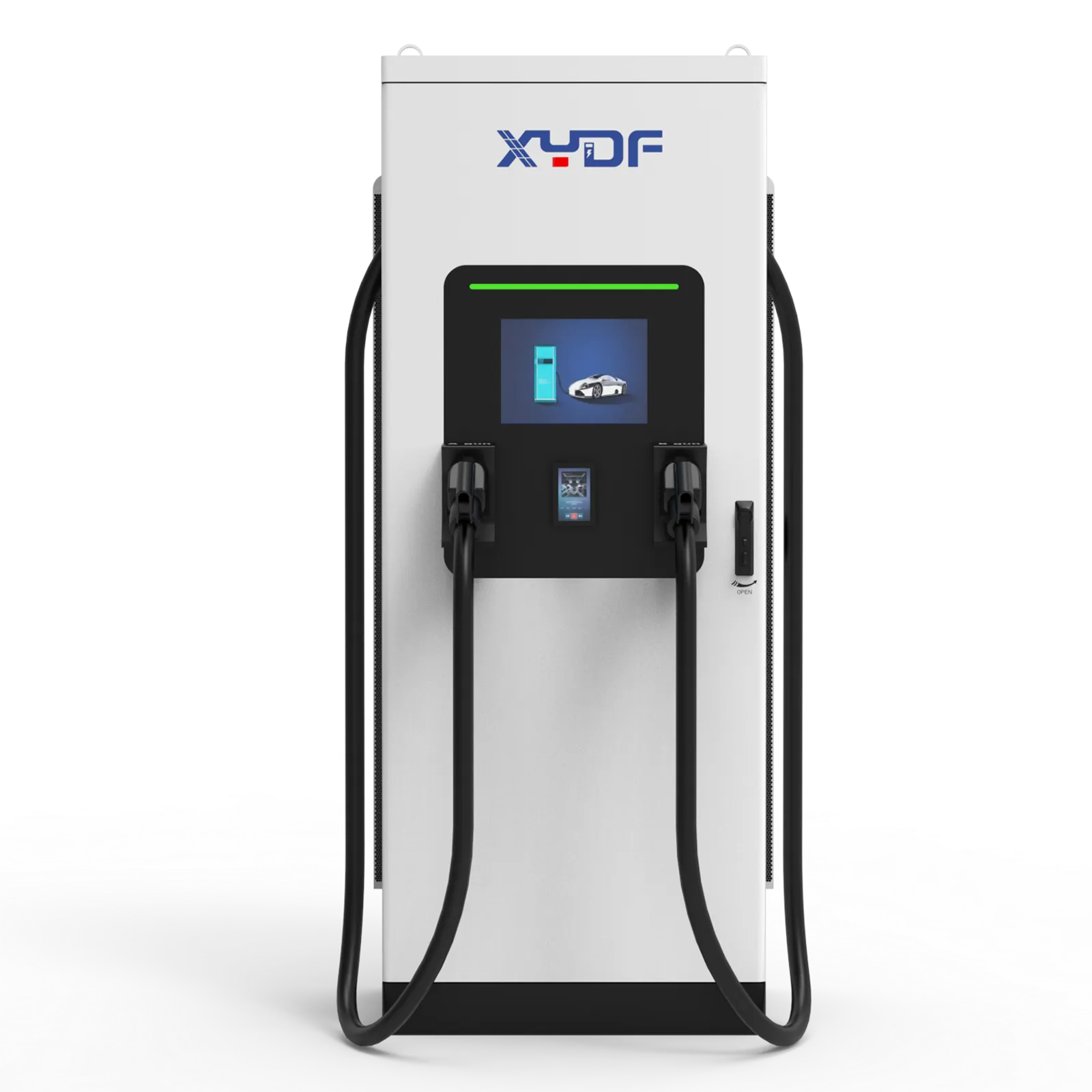
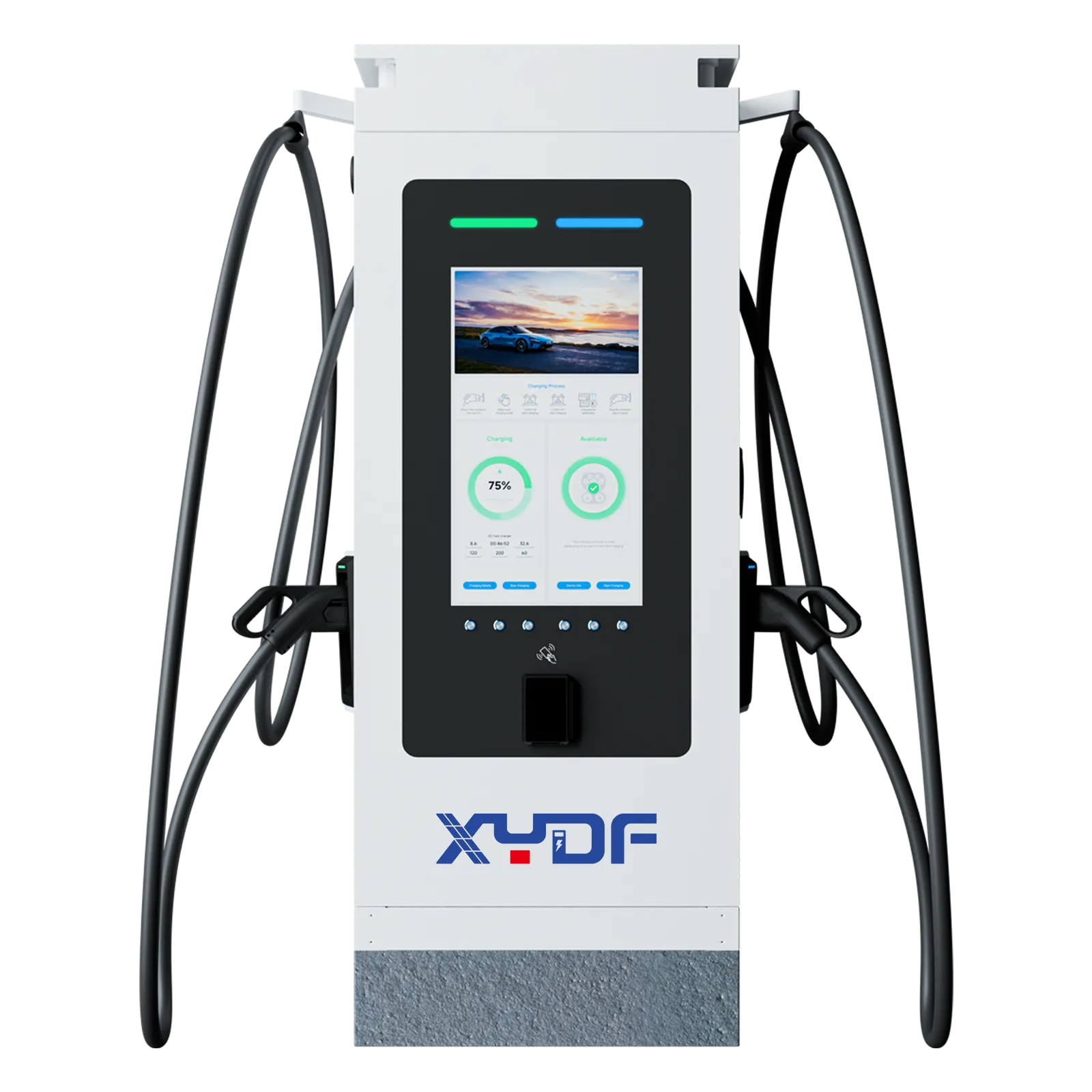
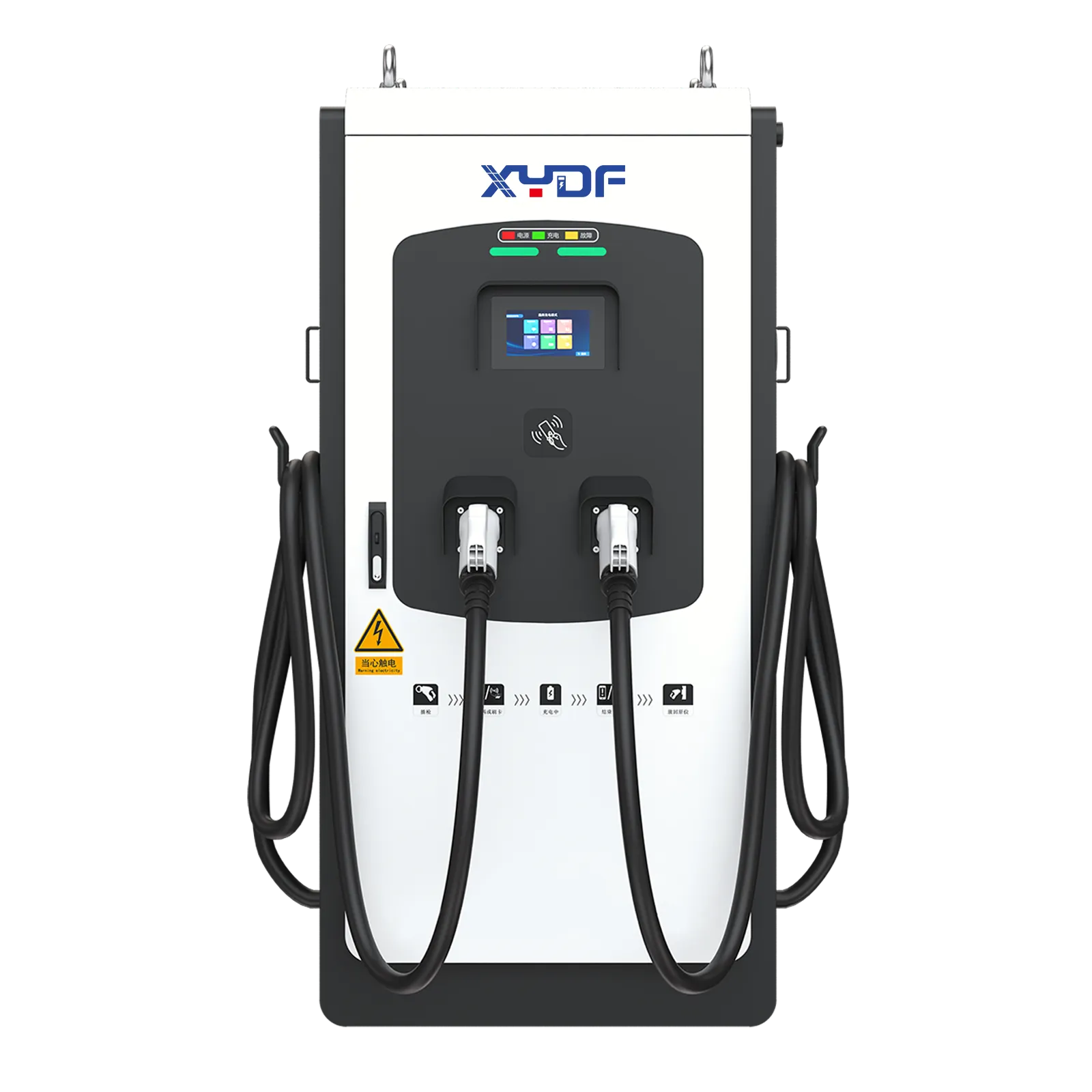
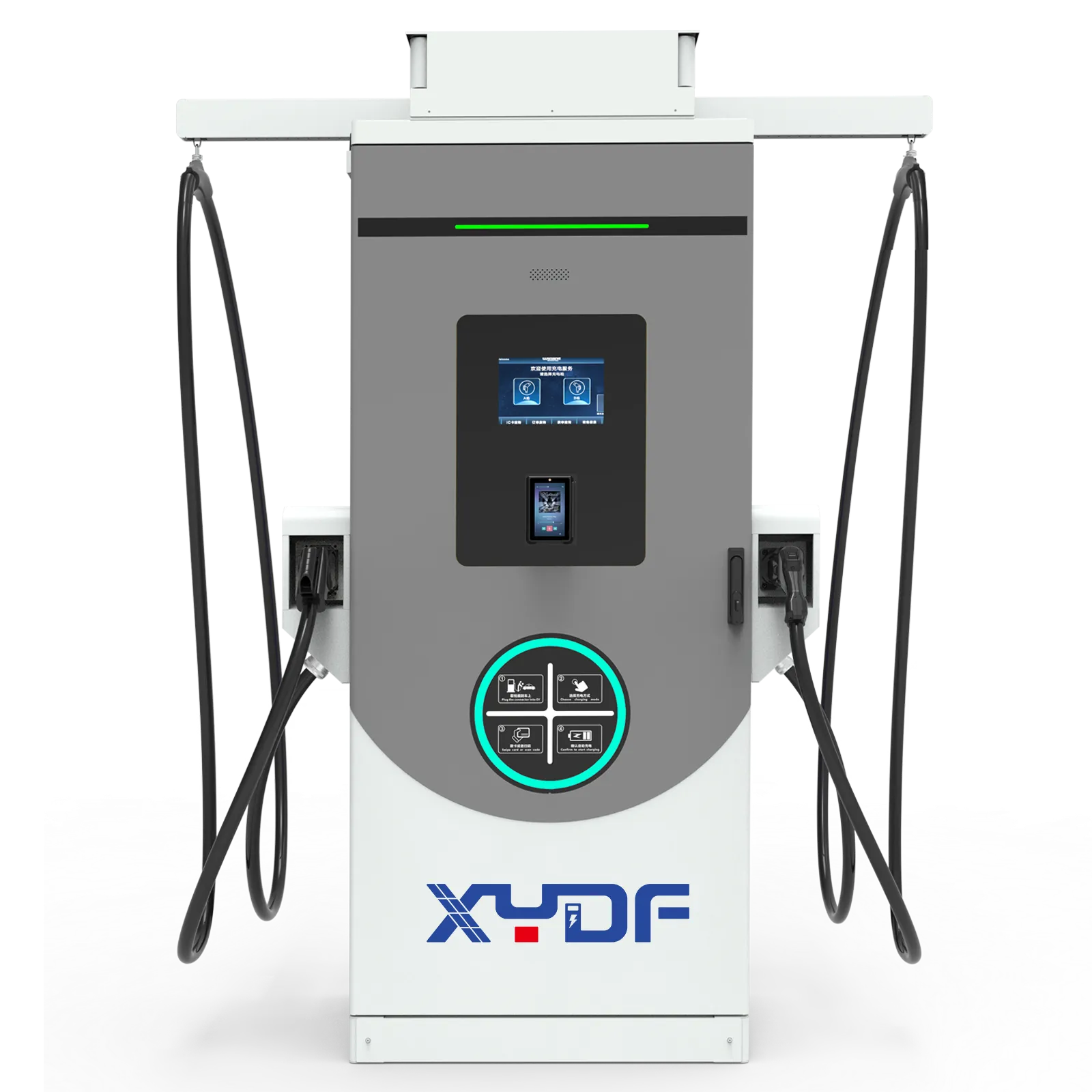
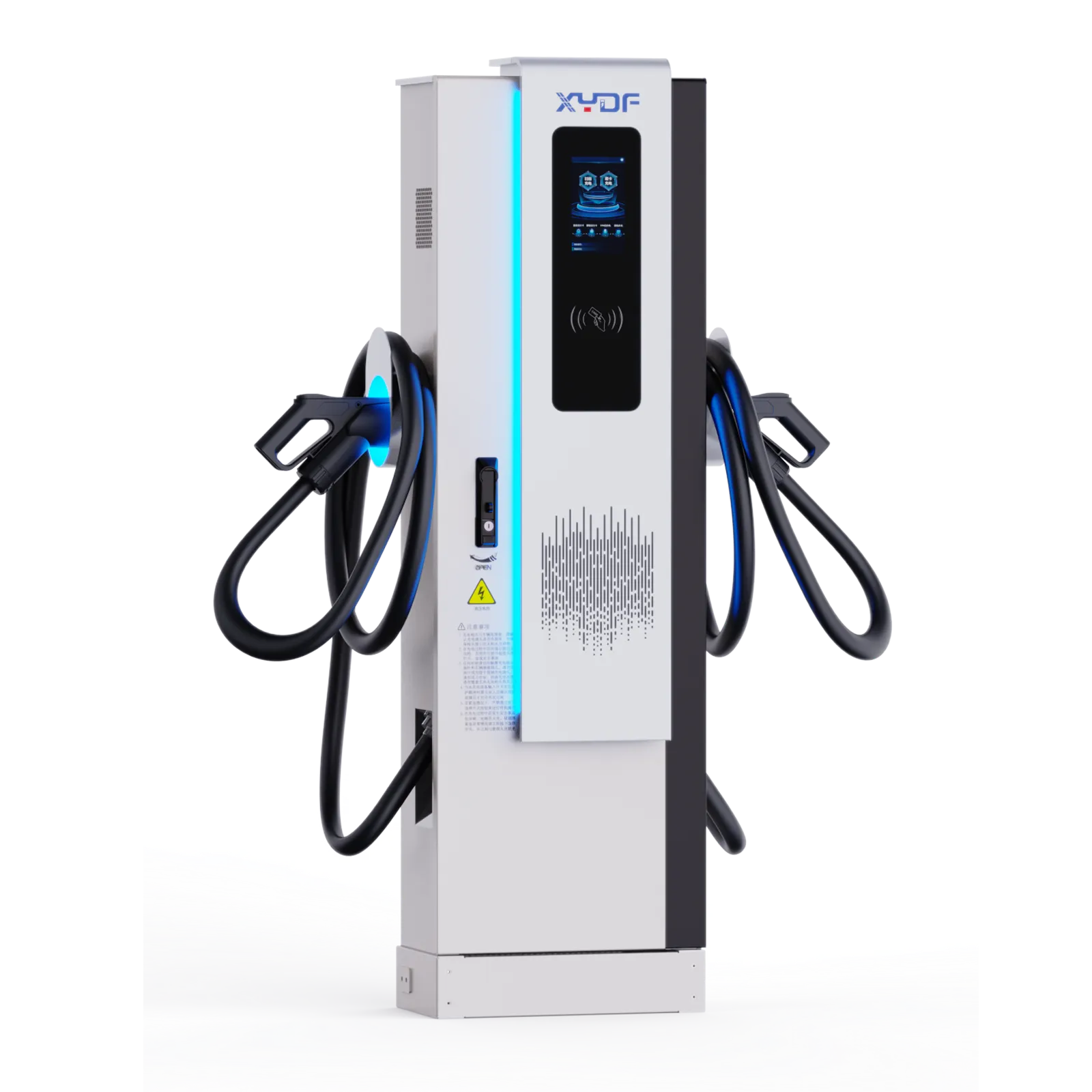
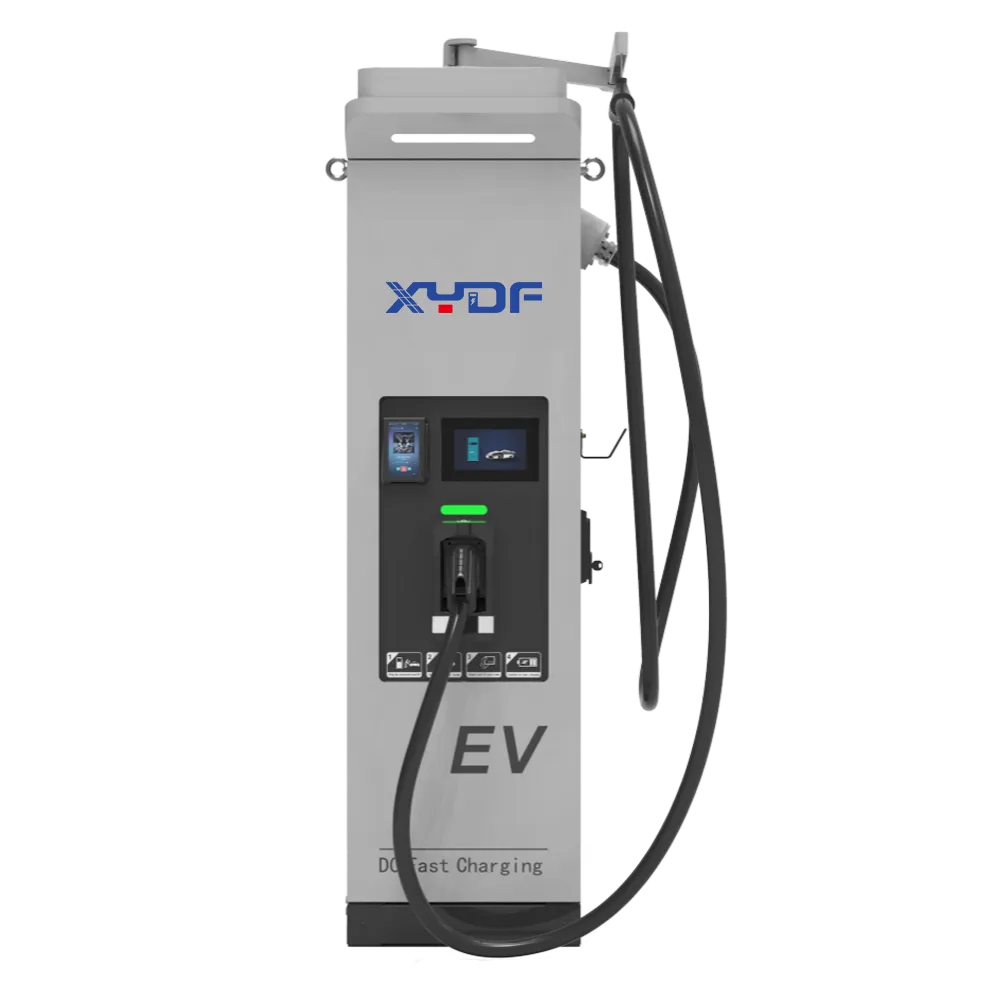
A Солнечная зарядная станция для электромобилей типа 2 является устройством для зарядки электромобилей, которое использует солнечную энергию для производства электроэнергии. Спецификации таких станций могут включать такие компоненты, как солнечный модуль, солнечный инвертор, зарядное устройство типа AC 2, распределительная панель, средства безопасности и система хранения энергии в аккумуляторах.
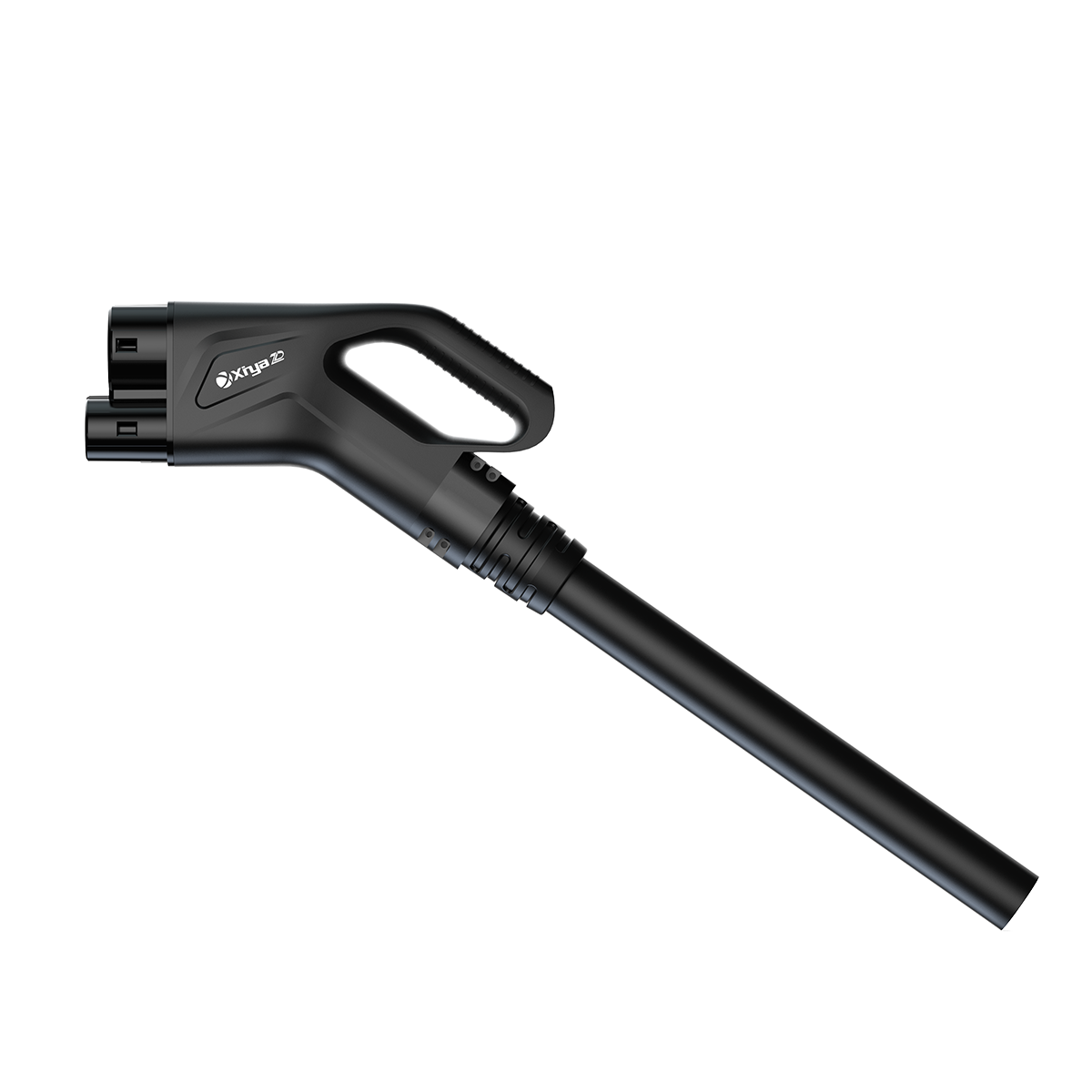
Коннектор Type 2 получил широкое распространение на ряде рынков, особенно в Европе и регионах, где применяются стандарты IEC. Зарядка по типу Type 2 обычно используется для зарядки переменным током (AC), обеспечивая мощность от 3,7 кВт, 7,4 кВт, 11 кВт и 22 кВт, в зависимости от типа зарядного устройства, источника питания и бортового зарядного устройства автомобиля. В соответствии со стандартами IEC для зарядных разъемов EV тип Type 2 входит в число типов портов, используемых в проводных системах зарядки электромобилей.
Солнечная зарядная станция для электромобилей может быть установлена в разных местах, включая:
- Жилые гаражи
- Солнечные автостоянки
- Коммерческие парковки
- Здания офисных зданий
- Отели и курорты
- Промышленные парки
- Заправочные станции для автопарка
Основное отличие от традиционных зарядных устройств для электромобилей заключается в том, что солнечные зарядные устройства используют собственные возобновляемые источники энергии, что снижает зависимость от электросети и платы за электроэнергию в течение определенного периода времени.
Выбор опытного производителя очень важен для международных покупателей, поскольку солнечная зарядная станция Type 2 обычно требует как оборудования для зарядки, так и интеграции на уровне системы. XYDF предлагает индивидуальные решения для зарядки электромобилей, которые поддерживаются компанией XYDF Electronic Co., Ltd., входящей в список публичных компаний.
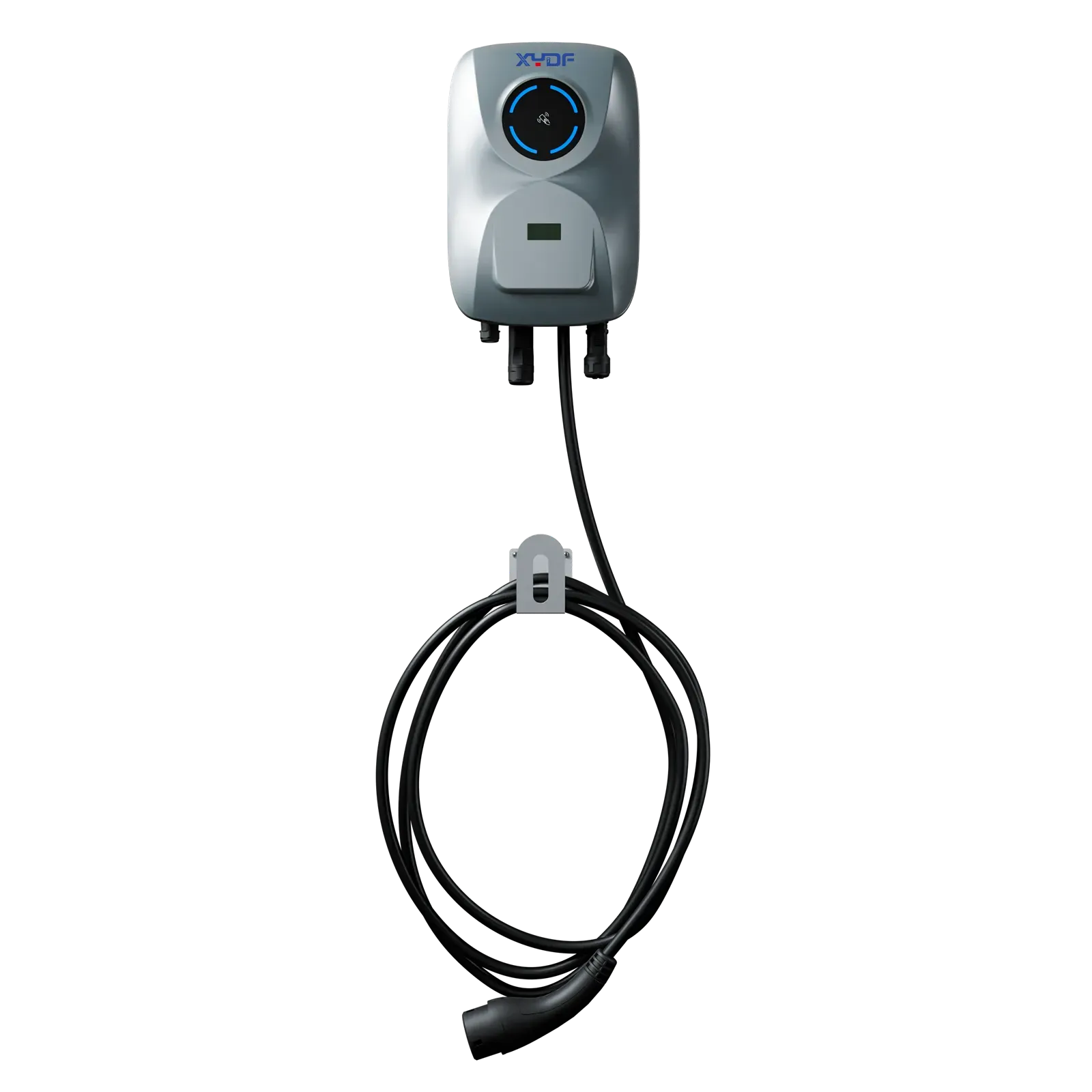
A Сетевой зарядный агрегат для электромобилей типа 2 Это не солнечный модуль с подключенным разъемом; это конечный пункт зарядки переменного тока в рамках согласованной системы PV, инвертора, распределения и управления. Поэтому решение покупателя должно основываться не на маркетинговых обещаниях относительно количества дневного заряда, допустимого напряжением сети и того, что происходит при снижении мощности солнечных панелей, а на потреблении энергии — на том, сколько необходимо заряжать в течение дня, что позволяет сеть и что происходит при снижении мощности солнечных панелей.
Как работает автомобильный зарядный блок типа 2 с солнечной энергией
Заявления о энергоменеджменте должны указывать, какая нагрузка является гибкой, а какая — не такой. Сопоставить энергопотребление транспортных средств, солнечную выработку, состояние хранения, спрос в зданиях, интервалы тарификации и ограничения сети в едином модели времени; затем определить аварийное поведение при изменении возобновляемой мощности, связи или доступности хранения. Руководство по исследованиям может объяснить управляемое зарядка, но не может заменить собой телеметрию на объекте и проверенную политику управления. В контексте публичного планирования см. NREL разработало руководство по зарядке электромобилей; окончательное решение по-прежнему принимается на основании индивидуального протокола о принятии.
Зарядное устройство типа 2 не предназначено для подключения непосредственно к солнечным панелям. Солнечные панели генерируют постоянный ток, однако большинство зарядных устройств типа 2 рассчитаны на работу с переменным током, поступающим от электрических сетей. Поэтому необходимо использовать инвертор и соответствующие устройства управления энергопотреблением.
Основной энергетический поток выглядит следующим образом:
| Шаг |
Компонент |
Функция |
| 1 |
Солнечные панели |
Создание постоянного тока из солнечного света |
| 2 |
Солнечный инвертор |
Преобразовать DC-силовую установку в AC-силовую установку |
| 3 |
Система распределения |
Предоставляет питание зданиям или зарядным устройствам для электромобилей |
| 4 |
Зарядное устройство для электромобилей типа 2 |
Предоставляет контролируемое зарядка автомобиля переменным током |
| 5 |
Электромобиль |
Преобразует переменный ток в постоянный через встроенный зарядник и хранит энергию в аккумуляторе |
Умный солнечный зарядник может работать с контроллером энергопотребления, позволяющим выбирать, использовать ли солнечную энергию, электрическую сеть или встроенную аккумуляторную батарею, а также комбинировать эти варианты.
Давайте предположим, что солнечный зарядник получает солнечный свет в течение дневного времени, используя при этом солнечную энергию с самого начала. В случае, если вырабатываемая солнечная энергия окажется недостаточной, он автоматически будет получать энергию из сети электроснабжения и/или аккумуляторной батареи.
Графическая модель решения для системы PV-to-charger
- Определите нагрузку: записывайте ежедневную потребляемую мощность, время прибытия/отбытия, фазу зарядки и максимальный ток, доступный на борту автомобиля. Если автомобиль не может принимать заявленный ток, более мощный зарядный агрегат не сократит продолжительность зарядки.
- Проверьте солнечный модуль: сравните почасовую производительность фотоэлектрической системы с необходимым интервалом зарядки; используйте измеренные или завышенные сезонные данные, а не только название панели.
- Выберите схему подключения к сети: системы с подключением к сети могут комбинировать энергию от фотоэлектрических панелей и электросети; системы, работающие только на солнечной энергии, должны предусматривать наличие перерывов в подаче электроэнергии; гибридные системы включают аккумулятор и определенную резервную схему.
- Установите правило экспорта: подтвердите ограничения по экспорту утилиты, требование не допустить блокировки данных, местоположение счетчика и схему утверждения, прежде чем включить контроль экспорта или отключить его.
- Проверить работу контрольного круга: проверить динамику тока, потерю связи, ограничение работы инвертора и восстановление после отключения с помощью установленной фърмварью и контроллера управления энергопотреблением.
Солнечный зарядный агрегат типа 2 EV должен пройти этот процесс; это предотвращает один из распространенных видов поломок: приобретение агрегата номинальной мощностью и последующее обнаружение того, что он не соответствует заявленным характеристикам. Фотоэлектрический элемент, Входная точка обслуживания или транспортное средство могут поддерживать лишь часть этой мощности в часы зарядки, предусмотренные в расписании.
Возможности зарядки с использованием только солнечной энергии, подключенности к электросети, гибридной и автономной зарядки
Не все системы зарядки электромобилей на солнечной энергии работают таким же образом: конструкция системы основана на условиях установки.
| Возможность зарядки |
Как это работает |
Лучшее для |
Ключевое преимущество |
| Зарядка только с помощью солнечных панелей |
Электромобили заряжаются только тогда, когда доступен солнечный свет. |
Простая и недорогая дневная зарядка |
Использует чистую энергию непосредственно |
| Зарядка по схеме «сетка» |
Солнечная энергия и электросеть работают вместе |
Дома и коммерческие здания |
Стабильное зарядка, более низкие затраты на электроэнергию |
| Гибридное зарядка |
Солнечная энергия + сеть + аккумуляторная система хранения энергии |
Пользователи, которым нужен ночной заряд или резервное питание |
Высокая гибкость и более эффективное использование солнечной энергии |
| Зарядка без подключения к электросети |
Солнечная энергия + аккумулятор без подключения к электросети |
Отдаленные районы или автономные объекты |
Энергетическая независимость |
могут встречаться в гибридных системах. В отличие от чистых солнечных зарядных устройств, которые полностью зависят от солнечной энергии, гибридные системы имеют дополнительное преимущество в том, что они используют электроэнергию из сети, когда солнечная энергия не достаточна.
Система автономного питания относится к независимой энергетической системе, не подключенной к электрической сети, и в целом она должна полагаться на накопление энергии в аккумуляторных батареях.
Зарядное устройство для электромобилей типа 2 vs зарядное устройство для электромобилей типа 3: какой из них выберите?
Зарядное устройство для электромобилей типа 2 — возможно, самый распространенный стандарт зарядки переменным током в различных странах мира. Он позволяет осуществлять зарядку переменным током в однофазном и трехфазном режимах и подходит как для частных, так и для коммерческих клиентов.
Сегодня зарядные устройства для электромобилей типа 3 не широко распространены и чаще всего соответствуют более старым стандартам или региональным особенностям. В настоящее время большинство новых проектов по зарядке электромобилей ориентируются на зарядные устройства типа 2 благодаря их повышенной совместимости и поддержке со стороны производителей автомобилей и компаний, занимающихся созданием зарядных инфраструктур.
С простыми словами:
- Выберите зарядное устройство типа 2 EV, если вам нужен стандартный AC-разъем для зарядки.
- Выберите зарядную станцию типа 2 для домов, рабочих мест, гостиниц и общественных парковок.
- Выбирайте только зарядные устройства типа 3, если это требуется на вашем местном рынке или в соответствии с конкретными стандартами для определённых транспортных средств.
Большинство проектов по установке станций для зарядки электромобилей на солнечную энергию используют зарядное устройство для электромобилей Тип 2 — это наиболее долговечный способ.
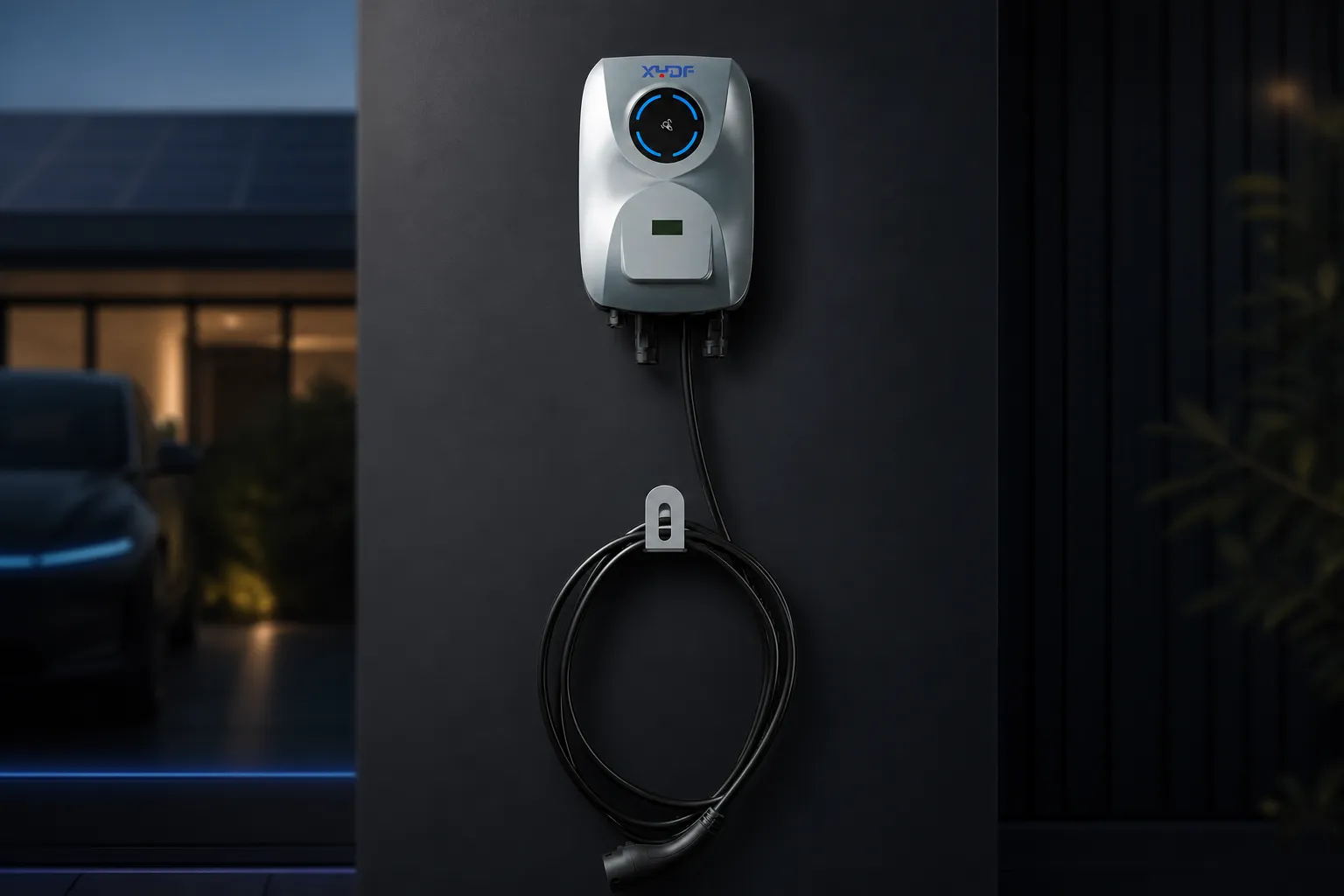
Что покрывает страхование “Type 2” и что оно не покрывает
IEC 62196-2 решает вопросы, касающиеся размеров и совместимости разъемов переменного тока, розетковых выходов, соединительных устройств для транспортных средств и входов в транспортные средства; в нем не предусмотрено, что электроэнергия должна поступать от солнечных батарей, а также не определяются параметры установки фотоэлектрических систем, распределение энергии от аккумуляторных батарей или разрешение на экспорт электроэнергии. Контроль и безопасность зарядных систем рассматриваются отдельно в разделе IEC 61851-1. В результате маркировка типа 2 подтверждает совместимость интерфейса только в том случае, если комплектная система зарядки электромобиля, транспортное средство, защита и установка соответствуют требованиям рынка назначения.
| слой |
Покупатель подтверждает |
Не делайте выводов |
| Коннектор (IEC 62196-2) |
Механическая совместимость, номинальное напряжение, региональный вариант |
Силовые возможности солнечной установки или ее одобрение со стороны электросети |
| Контроль зарядных устройств электромобилей (IEC 61851-1) |
Сигнализация пилота, защитные функции, управление током |
Производительность батареи или инвертора |
| СолВет и инвертор |
Номиналы DC/AC, защита от самопроизвольного отключения, координация сбоев |
Гарантированная ежедневная энергия в любое время года |
| Система управления энергопотреблением |
Логика приоритетности, точка измерения, поведение при сбое |
Интеграция с помощью общего определения “умного” устройства |
Динамическое распределение нагрузки и оптимизация самопотребления солнечной энергии
Динамическое распределение нагрузки — одна из основных интеллектуальных функций, присутствующих в солнечной зарядной станции для электромобилей. Она отслеживает весь электрический режим работы здания и автоматически корректирует мощность зарядки электромобиля, чтобы предотвратить перегрузки и перебои в работе цепи, а также пиковые нагрузки.
Пример: если в доме одновременно используется кондиционер, водонагреватель и другие устройства, то зарядное устройство для электромобиля рассчитано на временное снижение тока зарядки. Как только другие нагрузки будут снижены, ток зарядки снова увеличится.
Еще одним важным аспектом является оптимизация самопотребления солнечной энергии. Это предполагает использование максимально возможной солнечной энергии вместо ее отправки в сеть по низкой цене.
Методы повышения самообеспеченности солнечной энергией включают в себя:
- Зарядка электромобиля в пиковые часы солнечного света
- Использование смарт-зарядного устройства с функцией приоритетного заряда от солнечной энергии
- Добавление системы хранения энергии
- Совмещение мощности зарядного устройства с мощностью солнечной генерации
- Планирование зарядки на основе прогноза солнечной мощности
- Использование динамического управления мощностью для предотвращения потребления нежелательной мощности сети
На этом этапе интеллектуальный зарядник превосходит обычный. умный зарядный агрегат EV Type 2 не только заряжает автомобиль; он также облегчает управление энергией более рациональным способом. Для разработки индивидуальных решений XYDF оказывает помощь своим партнерам в выборе оборудования, создании программного обеспечения и интеграции платформ.
Пример прозрачной самопотребления (только для иллюстрации)
Предположим, у объекта есть солнечная система мощностью 6 кВт, четыре часа полной солнечной активности в типичный день, а после потери инвертора и кабелей коэффициент преобразования солнечной энергии в электрическую энергию составляет 85%. Расчет выглядит следующим образом: 6 кВт × 4 ч × 0,85 = 20,4 кВт·ч доступной мощности. Если нагрузка электроприборов потребляет 8 кВт в течение солнечного дня, а электромобиль потребляет 18 кВт, контроллер с приоритетом солнечной энергии может направлять 12,4 кВт непосредственно в электромобиль, а остальное 8 кВт передавать в сеть или в накопитель; тогда личная самопотребляемость электромобиля от прямого использования солнечной энергии составит 12,4 / 20,4 ≈ 61% кВт.
Это не прогноз или спецификация продукта. Пересчитайте с учетом облучения от солнечных панелей, наличия тени, температуры, ограничения мощности инвертора, стоящих нагрузок, потерь при зарядке и тарифа на экспорт электроэнергии. Энергия от аккумулятора может перемещаться в течение нескольких часов, но ее полезный объем, предельный заряд, эффективность зарядки в обратном направлении, уровень заряда резервной батареи и требования по пожарной безопасности должны быть учтены до того, как она будет считаться гарантированным ночным зарядом.
Может ли станция зарядки электромобилей на солнечной энергии работать ночью, в пасмурные дни или при отключении электроэнергии?
Да, но это зависит от конфигурации системы.
Ночью солнечные панели не могут вырабатывать электрическую энергию, поэтому зарядное устройство для электромобиля (EV) вместо этого нуждается в аккумуляторных батареях или электроэнергии из сети. Если система оснащена аккумуляторным накопителем энергии, то солнечная энергия, вырабатываемая в течение дня, может быть сохранена и использована во время ночного заряда EV.
Облачные дни могут привести к снижению производительности солнечных панелей, которые, однако, способны работать эффективно и вырабатывать электроэнергию. Гибридная система может автоматически сочетать солнечную и подаваемую от электросети энергию для непрерывного заряда.
В случае отключения не вся зарядная станция для электромобилей на солнечной энергии остается работоспособной. В обычном солнечно-электрическом энергосистеме, подключенном к сети, в целях безопасности обычно выключают работу во время отключения. Для обеспечения резервного питания в систему необходимо включить комбинированный инвертор, аккумуляторную батарею и резервный выключатель.
Накратко:
- Зарядка ночью требует наличия электросети или аккумуляторов для хранения энергии.
- Зарядка в пасмурный день возможна, но может потребовать поддержки со стороны электросети.
- Зарядка при отключении электроэнергии требует правильно разработанной гибридной резервной системы.
Руководство по интеграции солнечной энергетики Министерства энергетики США гласит, что правильный дизайн системы безопасности и интеграции является необходимым условием для того, чтобы подключенные к электросети солнечные системы могли функционировать надежно.
BESS — это аббревиатура, означающая Battery Energy Storage System (система хранения энергии от батарей), которая используется для хранения электроэнергии как от солнечных панелей, так и от энергосистем в целях снижения нагрузки в пиковые периоды, обеспечения резервного питания и зарядки в ночное время.
Интерфейс сетки, ограничения экспорта и границы отключений
| Состояние работы |
Ожидаемые действия по контролю |
Тест на прием покупателя |
| Высокая производительность превышает производительность электромобилей и нагрузку на площадку |
Быстрее заряжать, хранить излишки энергии или ограничивать их до предельного уровня для экспорта. |
Доставка в соответствии с тарифом остается в пределах установленного эксплуатационным органом предела. |
| Облачный проход или затмение |
Сокращение тока на усилителях или смешивание мощности сетки без необходимости отключений из-за перегрузки. |
Не возникает повторного цикла «стоп-старт»; журнал сессий регистрирует источник питания. |
| Отключение сети на инверторе, подключенном к сети |
Отключайте систему анти-ислянднга, если не существует одобренного резервного острова. |
Тест проверки работоспособности подтверждает, что только назначенные резервные схемы остаются работоспособными. |
| Достигнут уровень резервов батареи |
Прекратите подачу электроэнергии, снизьте ток от электромобиля или попросите предоставить электроснабжение от сети. |
Настройки резерва и поведение при восстановлении записываются в документах по пусконаладке. |
Контроль экспорта и операции по резервному копированию являются специфическими для конкретных юрисдикций; Руководство Министерства энергетики США по интеграции солнечной энергетики это полезная информация; обзор Продукция XYDF Только после проведения исследования по схеме распределения, а также после соблюдения местных правил подключения к электросети и защиты электротехников проект будет реализован.
Ошибки, которые следует избегать при планировании солнечной зарядной станции для электромобилей
При планировании солнечной зарядной станции для электромобилей многие пользователи сосредотачиваются исключительно на мощности зарядного устройства или количестве солнечных панелей. Тем не менее, надежная система требует использования всего процесса проектирования.
К чистым ошибкам относятся:
- Несоблюдение ограничений бортового зарядного устройства автомобиля. Даже если установить зарядное устройство Тип 2 мощностью 22 кВт, автомобиль можно заряжать только в режимах переменного тока 7 кВт или 11 кВт.
- Сокращение размера солнечной системы: небольшая солнечная система может не обеспечивать достаточного количества энергии для ежедневного зарядки электромобиля, поэтому она не подходит для длительных поездок.
- Неучет ночного зарядаВ случае, если большая часть заряда производится в ночное время, необходимо использовать аккумуляторные батареи или электроэнергию из сети.
- Отсутствие динамического балансирования нагрузки
При отсутствии балансировки нагрузки зарядка электромобилей с высокой мощностью может оказывать разрушительное воздействие на системы электроэнергетики.
- Выбор несертифицированной техники. Зарядные устройства для электромобилей должны соответствовать необходимым стандартам безопасности, таким как IEC, CE, TUV, защита от перегрузок, защита от перенапряжения и требования к корпусу с классом защиты IP.
- Неспособность учитывать будущий рост: коммерческие предприятия должны учитывать необходимость развития электромобилей, предусмотрев достаточное количество мест для дополнительных зарядных устройств, необходимых в будущем.
- Аспекты управления задней частью системы, которые следует учитывать. Что касается общественных и полуобщественных зарядных станций для электромобилей, то необходимо учитывать ряд важных аспектов. К ним могут относиться такие функции, как OCPP, RFID, механизмы оплаты, опции удаленного мониторинга и системы управления пользователями. OCPP особенно важен для сетевых зарядных устройств. Стандарт Open Charge Alliance это признано во всём мире.
Правильная стратегия зарядки электромобилей на солнечной энергии должна учитывать не только текущий спрос на зарядку, но и предстоящий рост числа владельцев автомобилей, стоимость электроэнергии, безопасность объектов и возможность дальнейшего расширения системы. XYDF компания работает в Шэньчжэне, где располагается научно-исследовательский и производственный центр площадью 40 000 квадратных метров, предоставляя широкий спектр индивидуальных инженерных и производственных услуг, включая проектирование, сборку оборудования, разработку программного обеспечения, тестирование и сертификацию, например, тестирование по стандарту TUV.
Термин RFID относится к технологии радиочастотной идентификации, которая используется в качестве способа удостоверения личности пользователей для зарядки электромобилей.
Список проверок при закупке солнечного зарядного устройства Type 2 для электромобилей
- Укажите точку измерения и целевой показатель: максимизировать самопотребление, добиться нулевого экспорта, свести к минимуму спрос или гарантировать достижение целевого показателя потребления энергии в момент выезда из дома.
- Запросите схему с одной строкой, показывающую PV-систему, инвертор, главный распределительный щит, зарядное устройство для электромобилей, аккумулятор, счетчики, системы защиты и резервные схемы.
- Прежде чем принимать заявку на вычисление урожайности, необходимо уточнить сезонные предположения: источник излучения, наличие тени, температура, запас для снега или загрязнений, а также погрешность прогноза.
- Режимные средства ответа: потеря связи, неисправность измерительного прибора, ограничение мощности инвертора, низкий уровень заряда батареи и отключение электроснабжения.
- Для сетевых сайтов необходимо определить профиль OCPP и права собственности на данные; наличие логотипа протокола не является доказательством того, что логика приоритетности солнечной энергии доступна для CSMS.
XYDF Диапазон зарядных устройств AC и коммерческое зарядное решение Страницы могут помочь сформулировать технический запрос; для решения задач, связанных с панелями фотоэлектрической энергии, инверторами, аккумуляторами, разрешениями и договорами с коммунальными службами, всё ещё требуется проектно-специализированный инженерный анализ.
Спецификации документа PV и инвертора, местоположение счётчика, контроль экспорта нулевой, распределение батарей, интерфейс типа 2, защита от самолишения и утверждение по схеме энергопотока в качестве устройства, готового к использованию солнечной энергии.
Будущие тенденции: V2H, V2G, управление энергией с использованием искусственного интеллекта и интеллектуальные сети
Система зарядки электромобилей (EV) развивается по сравнению с традиционными методами зарядки. В будущем системы зарядки EV станут более интерактивными, интеллектуальными и будут интегрированы с всей энергетической инфраструктурой.
Технология V2H, или Vehicle-to-Home, позволяет использовать аккумулятор электромобиля для питания дома в периоды высокого спроса на электроэнергию или отключений электроснабжения. С другой стороны, технология V2G, или Vehicle-to-Grid, позволяет передавать электроэнергию обратно в энергосистему от электромобилей, что позволяет поддерживать спрос на электроэнергию.
В будущем солнечные зарядные станции для электромобилей могут работать совместно с:
- Системы управления энергопотреблением на основе ИИ
- Интеллектуальные сети
- Динамическая ценообразовательная система электроэнергии
- Системы хранения энергии на основе аккумуляторов
- Инструменты прогнозирования солнечной активности
- Оптимизация зарядки автопарка
- Платформы для отслеживания выбросов углекислого газа
ИИ может быть полезен в коммерческих проектах по зарядке автомобилей, определяя оптимальный момент для зарядки, количество энергии, необходимой для зарядки, и способы минимизации платы за использование электроэнергии. Для бытовых потребителей интеллектуальные системы зарядки позволяют людям использовать больше солнечной энергии и снизить расходы на электроэнергию.
Следующее поколение солнечных зарядных станций для электромобилей типа 2 станет не просто передовым технологическим решением в области зарядки, а будет частью комплексной системы управления производством и распределением электроэнергии.
Часто задаваемые вопросы
Можно ли заряжать электромобиль от солнечной энергии?
Конечно. Электромобиль можно заряжать с помощью солнечной энергии с помощью солнечной фотоэлектрической системы, подключенной к зарядному устройству электромобиля через инвертор и распределительную электростанцию. Чтобы обеспечить стабильную зарядку, многие пользователи предпочитают использовать систему зарядки электромобиля с подключением к сети или гибридную систему зарядки электромобиля с солнечной энергией.
Что такое зарядное устройство для электромобилей типа 2?
Зарядное устройство для электромобилей типа 2 можно определить как устройство, которое может использовать соединитель типа 2 и, будучи устройством переменного тока, широко используется во многих местах, поэтому поддерживает стандартные мощности зарядки; они составляют 7 кВт, 11 кВт и 22 кВт в зависимости от источника питания и зарядного устройства электромобиля.
Какой зарядный агрегат для электромобилей лучше всего подходит для использования с солнечной энергией?
Умная зарядная станция для электромобилей Тип 2 с интегрированными солнечными возможностями очень полезна. Среди ее выдающихся особенностей — динамическое распределение нагрузки, настройка приоритета работы солнечных панелей, управление мобильным приложением, поддержка протокола OCPP, регулируемые токи зарядки и совместимость с различными системами управления энергопотреблением.
Сколько солнечных панелей мне нужно для зарядки электромобиля?
Размер аккумуляторной батареи электромобиля, ежедневный пробег, эффективность солнечной системы и местные условия будут определять результат. В случае краткосрочных поездок достаточно будет небольшого солнечного электрооборудования, в то время как при дальних поездках потребуется более мощная система.
Например, один солнечный модуль может генерировать до 400 Вт. В этом случае для зарядки электромобиля потребуется несколько таких модулей, чтобы обеспечить ежедневную потребность в электроэнергии. Необходимое количество модулей можно рассчитать на основе общей энергии потребляемой электромобилем электроэнергии и среднего количества солнечных часов в течение дня.
Сколько времени нужно заряжать электромобиль с помощью солнечной энергии?
Время зарядки зависит от производительности солнечной энергии, эффективности зарядного устройства, размера аккумулятора и климатических условий. Устройство для зарядки Type 2 мощностью 7 кВт способно заряжать аккумулятор быстрее, чем устройство, получающее энергию исключительно от солнечной системы. Если в системе не будет постоянно производиться солнечная энергия, зарядное устройство будет снижать производительность зарядки или будет потреблять энергию из сети.
На практике большинство пользователей либо заряжают электромобиль в дневное время, когда солнечная энергия вырабатывается в максимальном объеме, либо используют аккумуляторные батареи для зарядки в вечернее время.
Может ли солнечный панель мощностью 200 Вт заряжать электромобиль?
С технической точки зрения это верно, но в повседневных условиях зарядка на таком уровне не имеет смысла. 200-ваттный солнечный панель не может обеспечить достаточно энергии, чтобы автомобиль проехал значительное расстояние.
Панель мощностью 200 Вт может быть полезной для небольших вспомогательных нагрузок, но для регулярного зарядки электромобиля рекомендуется использовать более мощную систему солнечных панелей в сочетании с соответствующим зарядным устройством Type 2.
Создает ли соединительный штекер типа 2 возможность подключения зарядного устройства к солнечной системе?
Нет. Тип 2 определяет интерфейс разъема переменного тока в соответствии с IEC 62196-2. Совместимость с солнечной установкой зависит от инвертора, контроллеров учета электроэнергии, управления энергопотреблением, подключения к сети и проверенного резервного режима работы.
Будет ли зарядное устройство для электромобилей с солнечной панелью работать при отключении электроэнергии?
Нормальный инвертор с подключением к сети Система обычно отключается во время отключения для обеспечения безопасности от перегрузки. Зарядка во время отключения требует одобренного инвертора, аккумулятора, переносного оборудования и специальной резервной цепи; это должно быть продемонстрировано во время пусконаладочных работ.
Как покупатели должны сравнивать солнечные и гибридные модели?
Модули на солнечную энергию минимизируют потребление оборудования, но при этом допускают перерывы в подаче электроэнергии в случае снижения мощности фотоэлектрических панелей. Гибридные системы добавляют возможность использования энергии в момент ее необходимости и возможность работы в ночное время, но при этом сопряжены с дополнительными капитальными затратами, потерями, эксплуатационными расходами и обязательствами по обеспечению пожарной безопасности; сравните стоимость требуемой надежности, а не только количество панелей.
Солнечный зарядный агрегат типа 2 EV надежен, если солнечная зарядка надежна, если маршрут энергопередачи, граница электросети и сезонные предположения учтены и проверены — а не если зарядный агрегат просто описывается как “солнечный”.”
Как сайт по электромобилям должен проверять стратегии по использованию солнечной энергии, хранения энергии или управления нагрузкой?
Проверьте эффективность стратегии с учетом данных о состоянии энергии транспортных средств, солнечной мощности, состоянии резервного энергохранилища, нагрузке зданий, тарифных периодах и требованиях к выходу из сети. Проверьте работоспособность в условиях низкого уровня солнечной энергии, ограниченного использования электроэнергии, потери связи и позднего выхода из сети, а затем запишите, сохраняет ли контроллер требуемую энергию транспортного средства при переключении гибкого энергопотребления. Скриншот панели управления не является показателем эффективности.
Ссылки
 Синьцзя Дунфан Электрик Технолоджи Ко., Лтд.