 Xinya Dongfang Electricity Technology Co., Ltd.


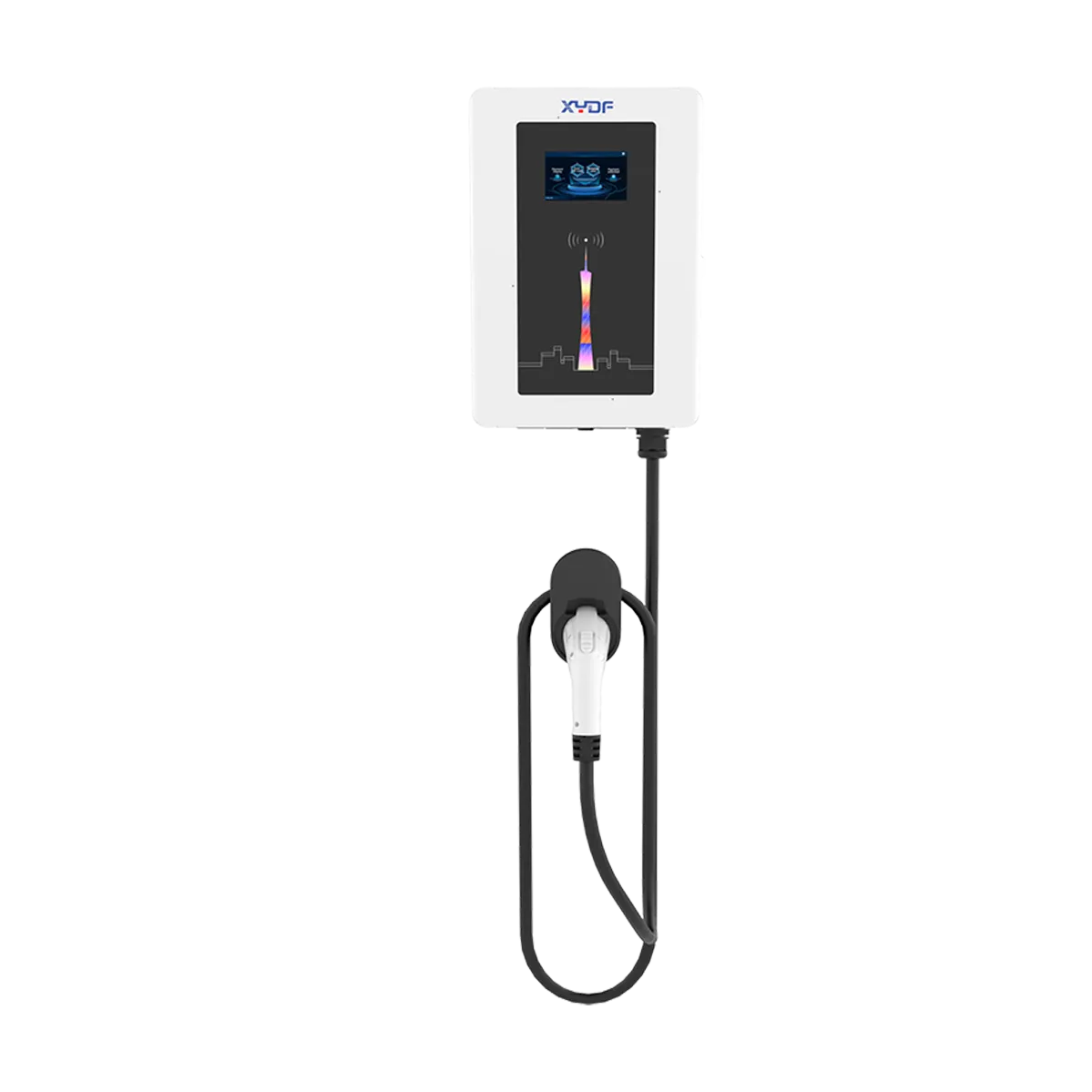
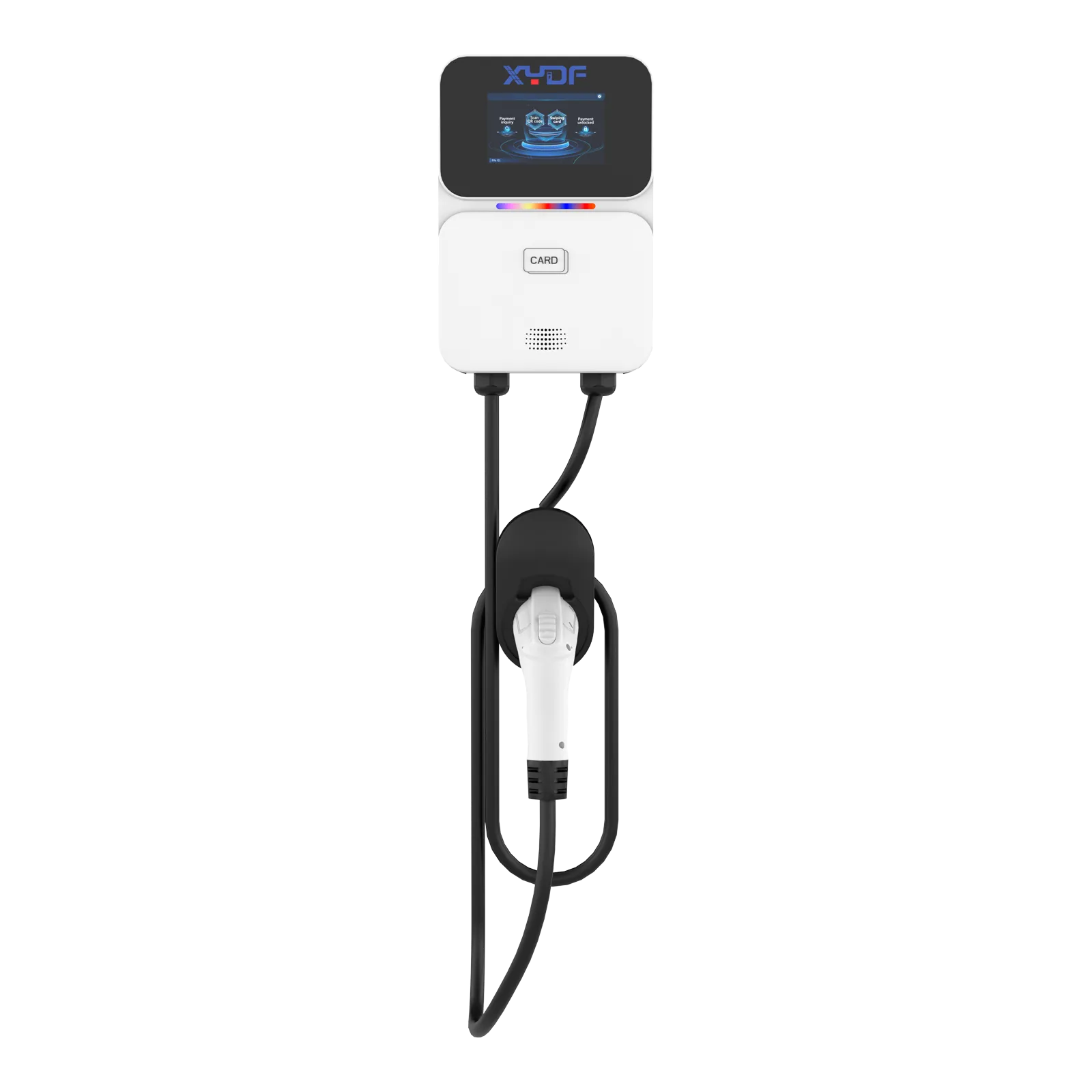
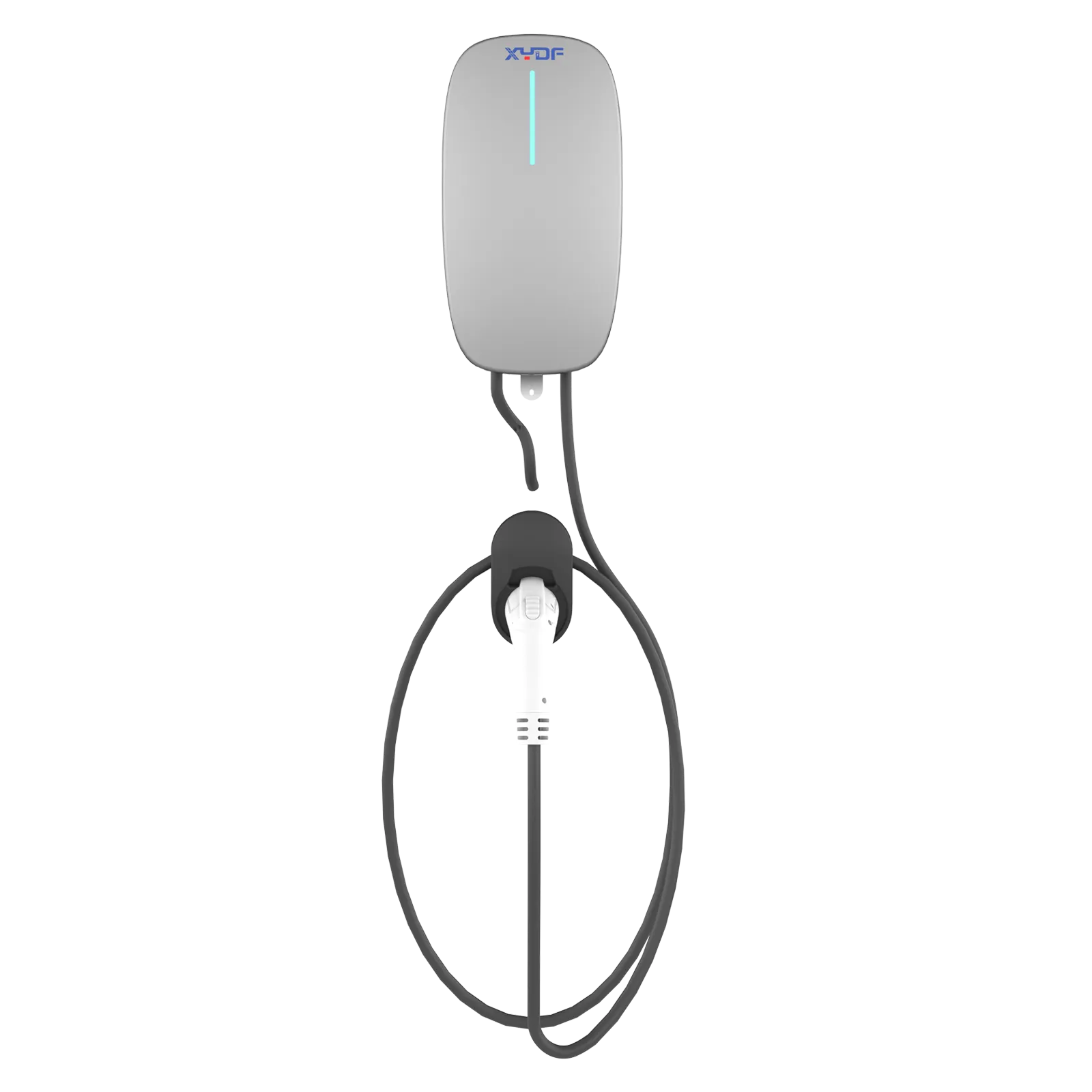
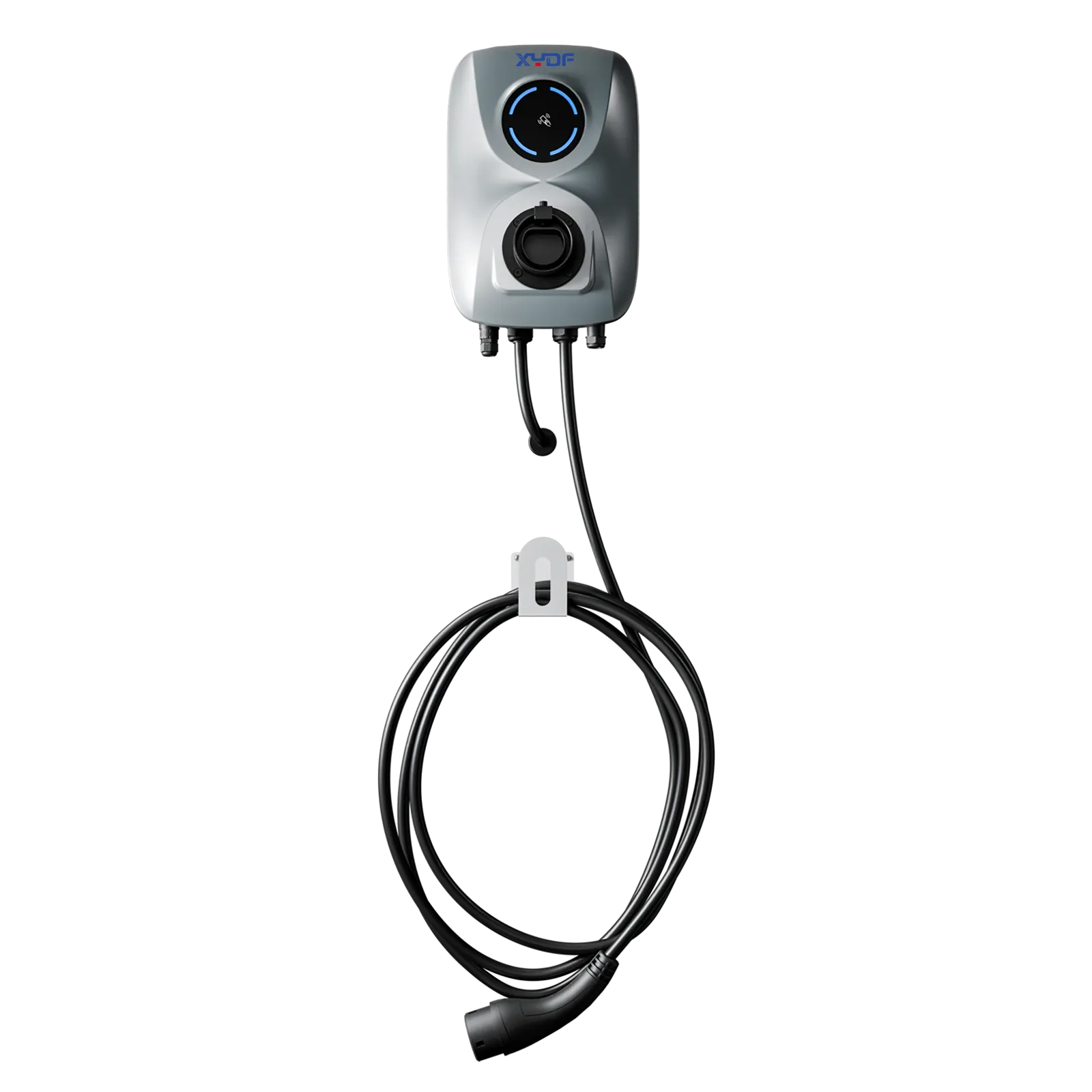
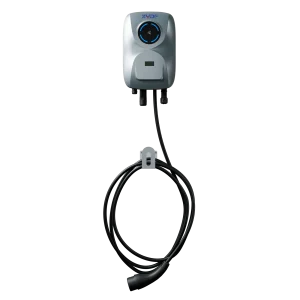
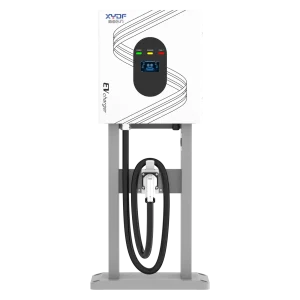

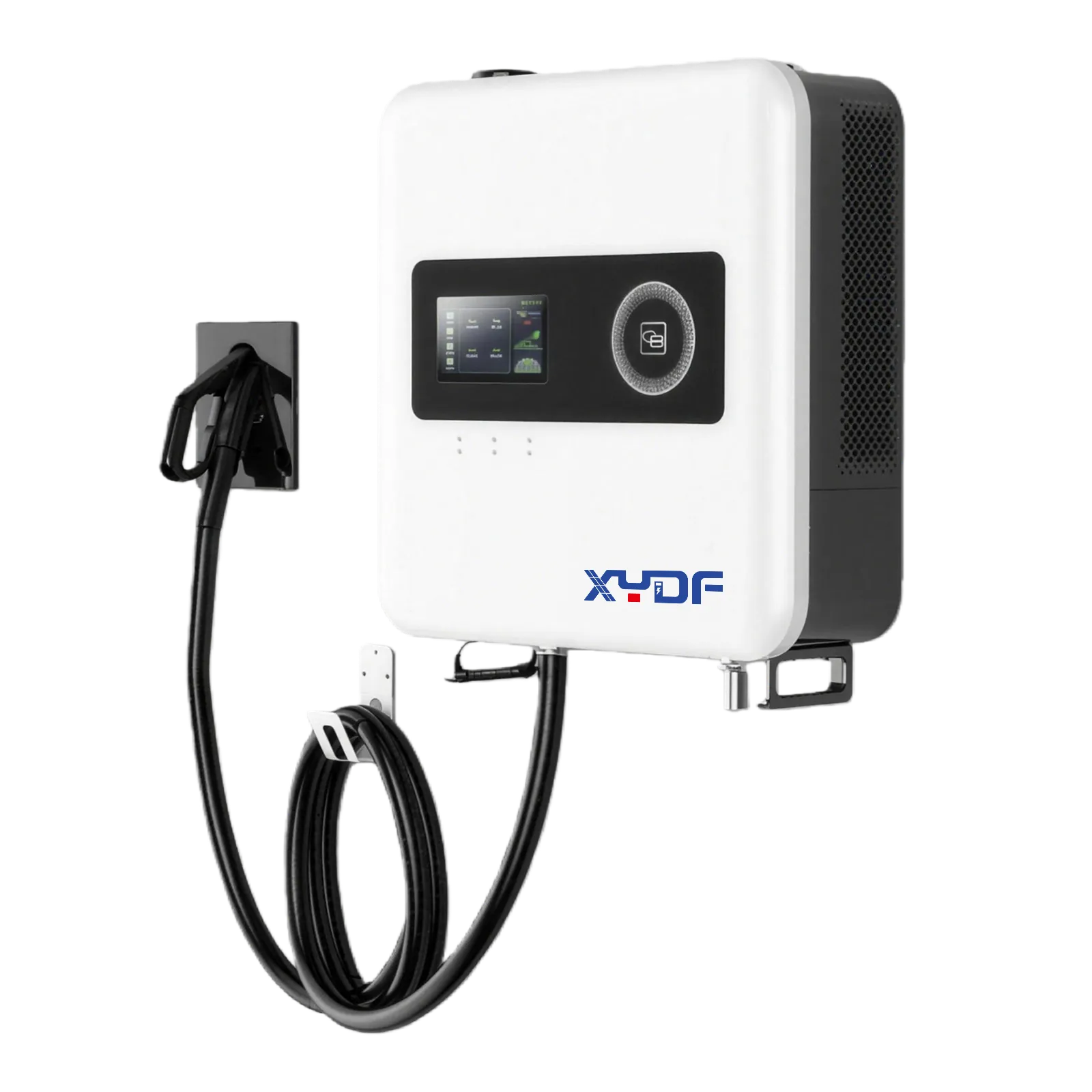
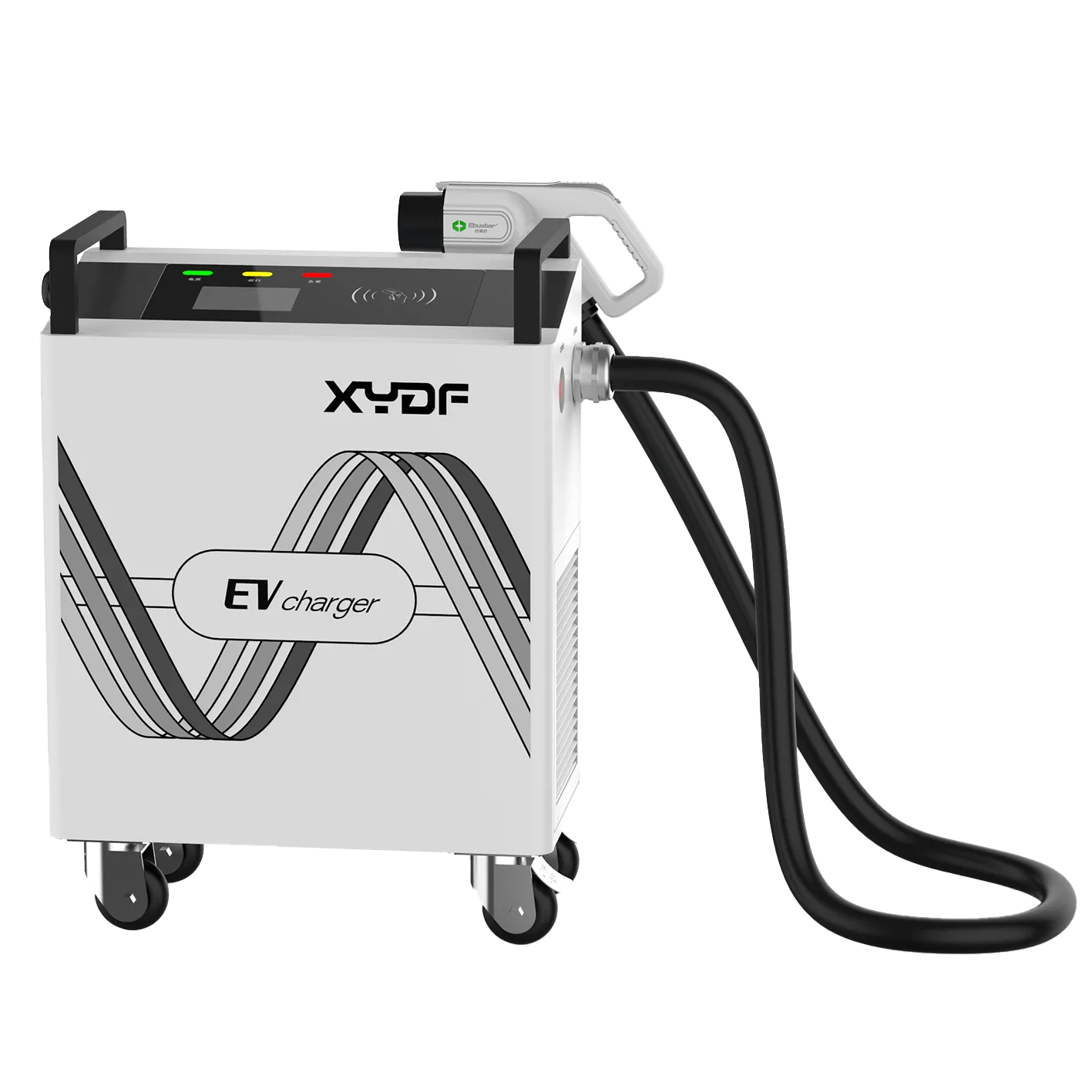
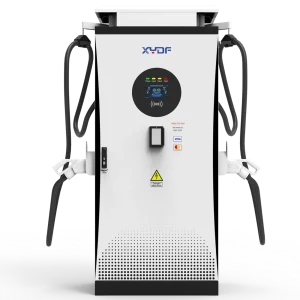
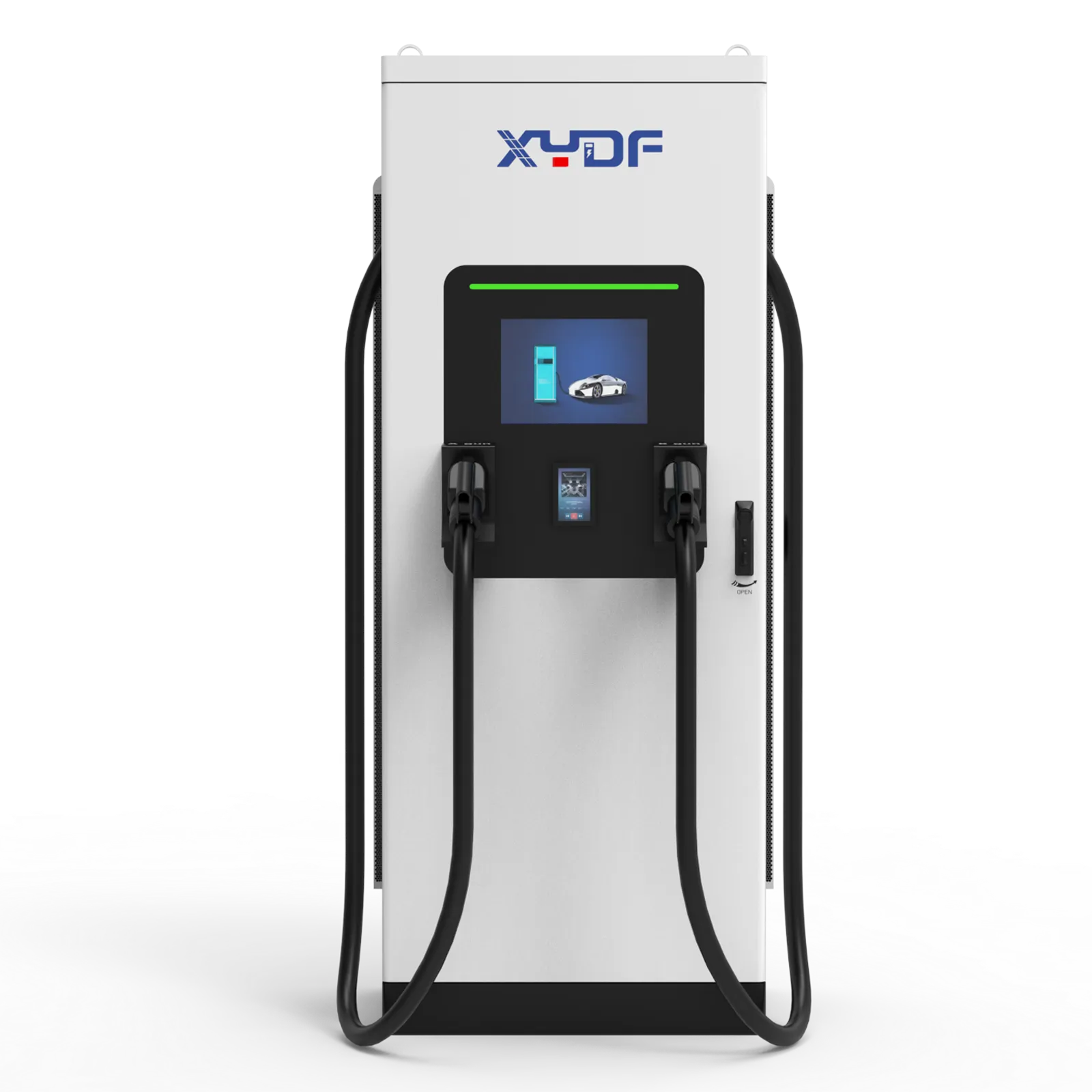
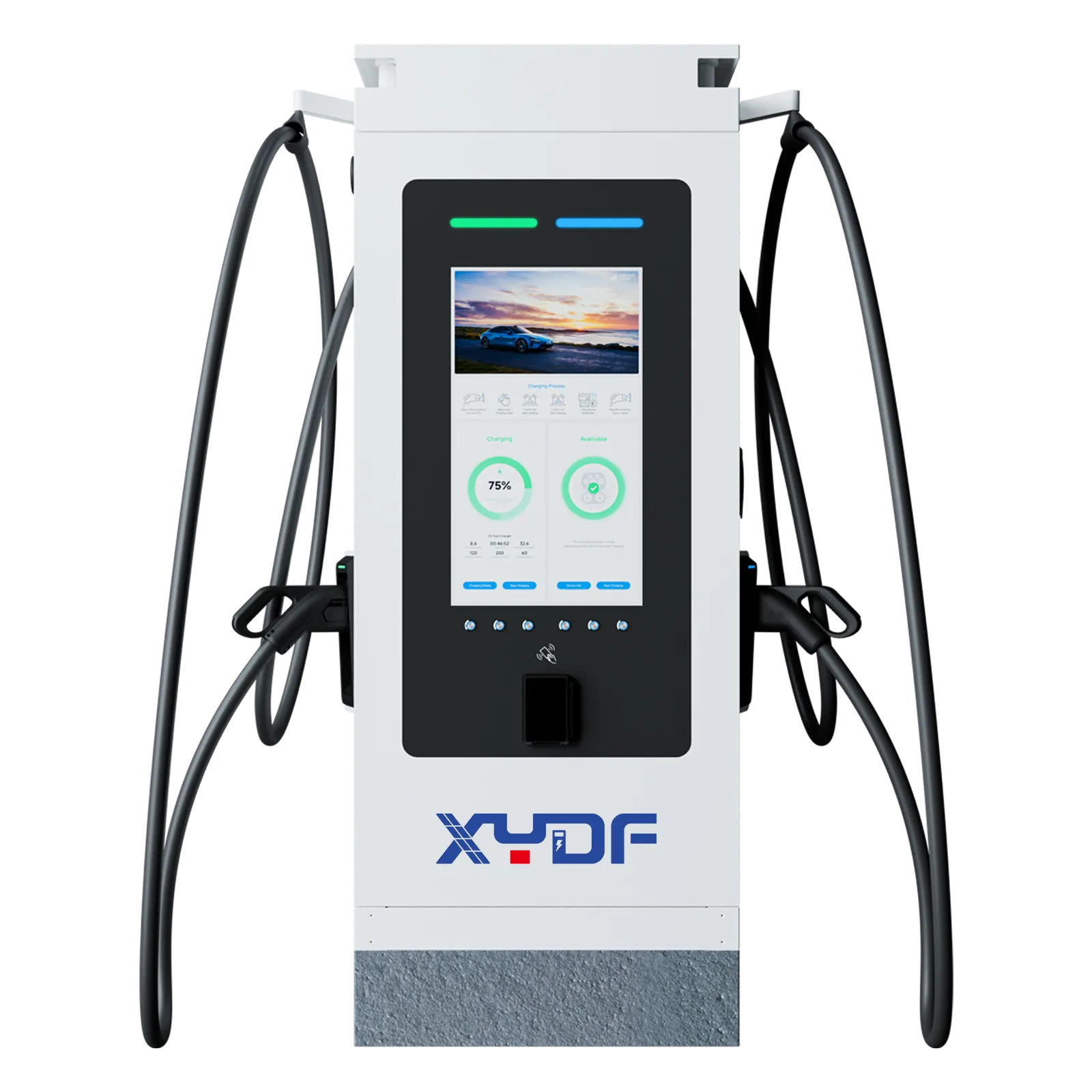
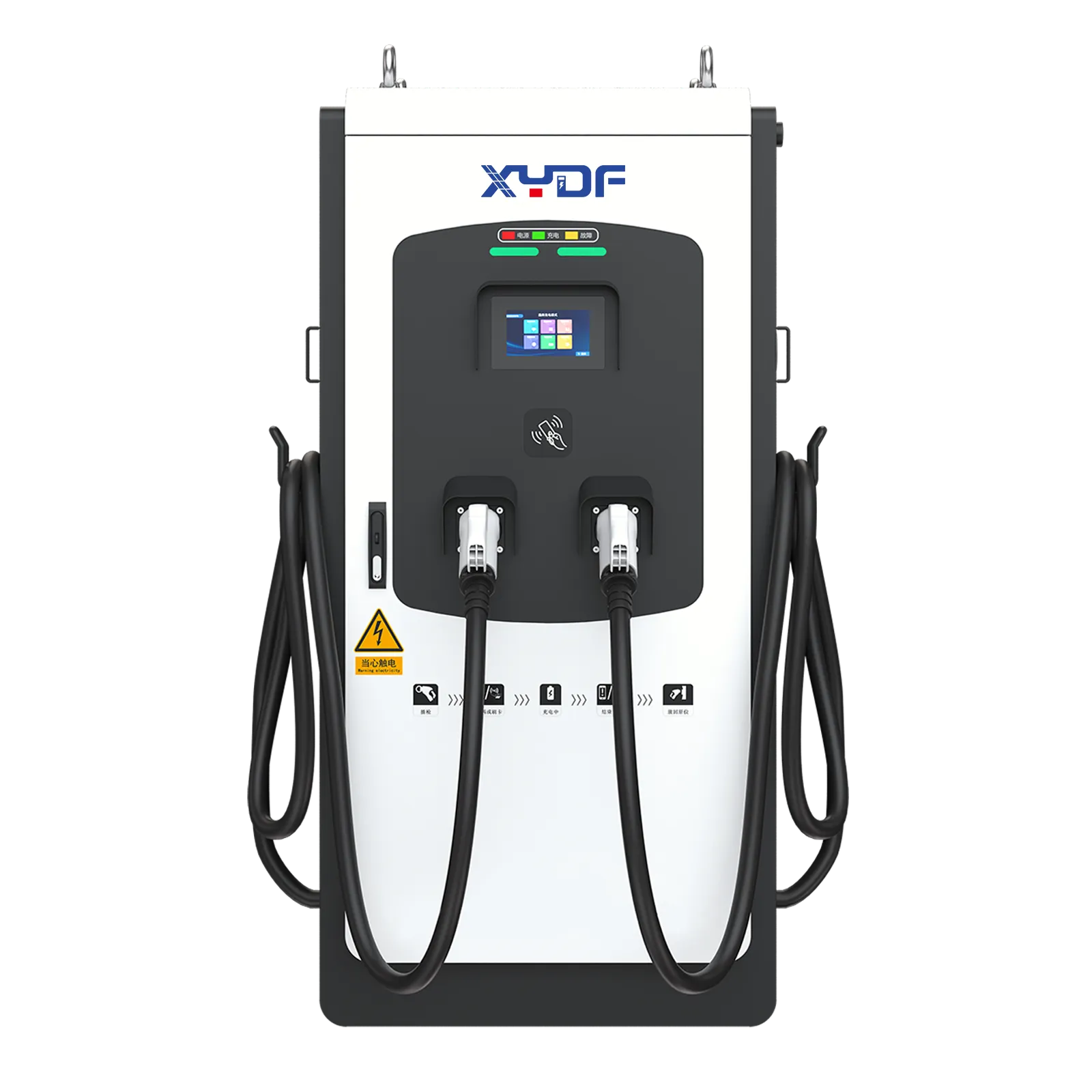
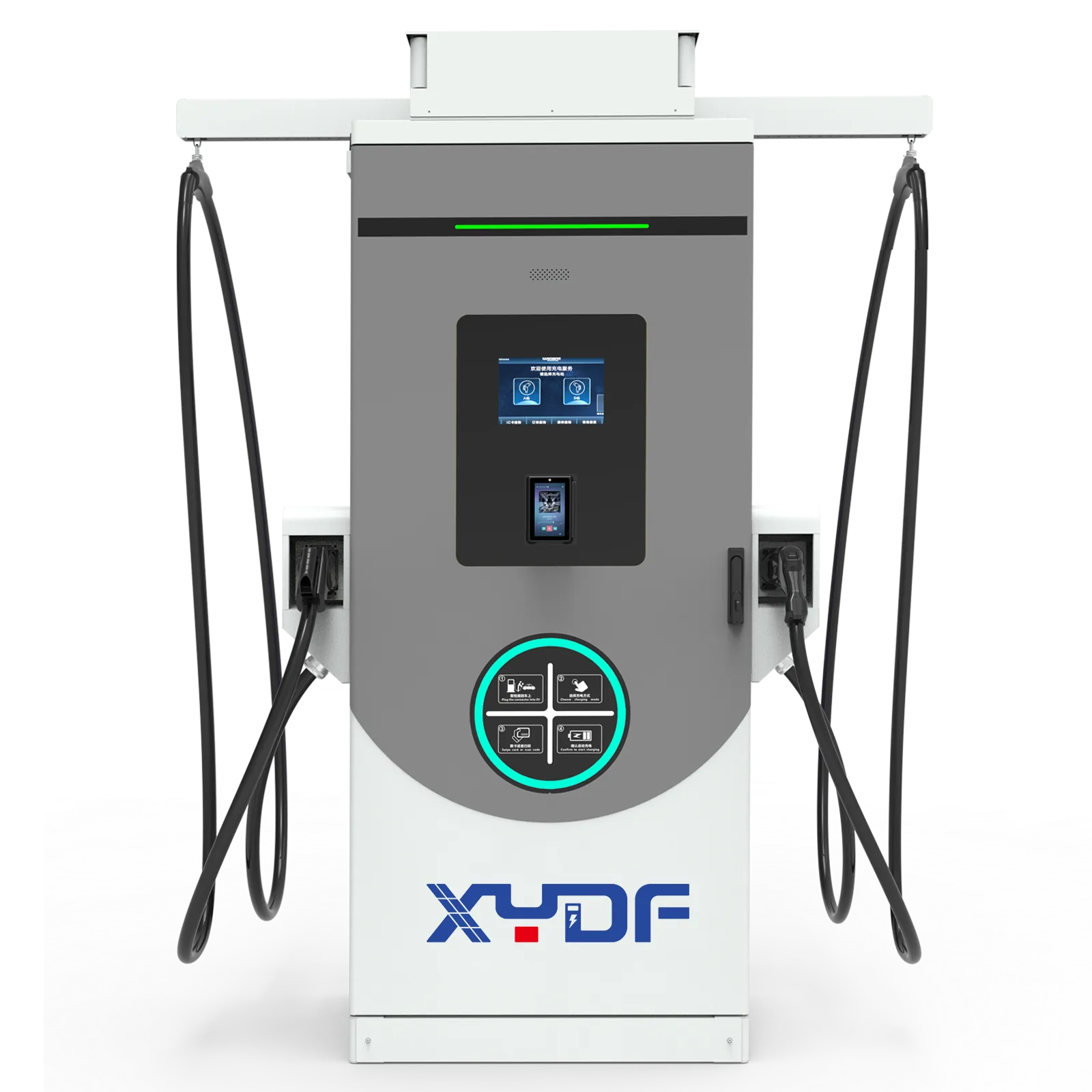
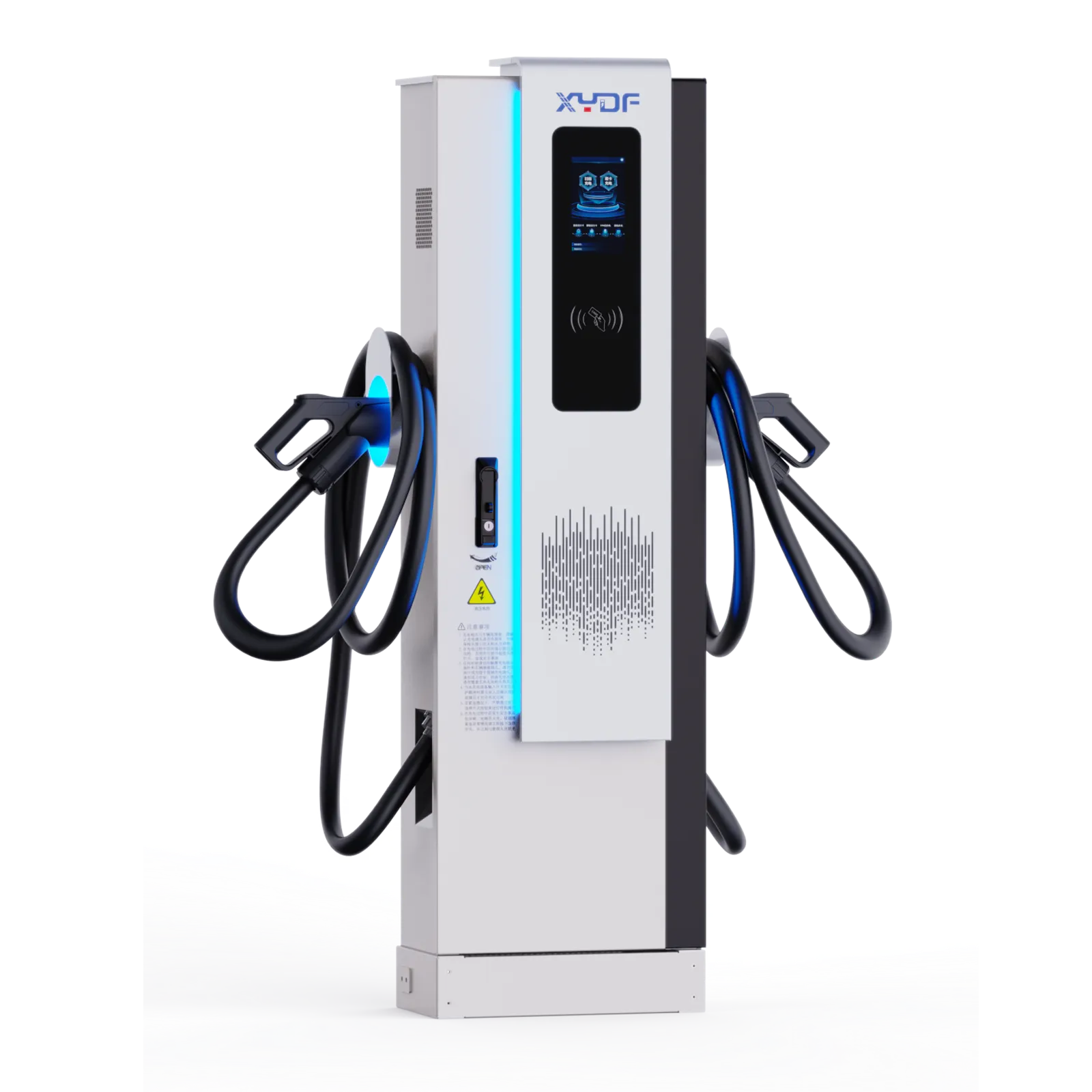
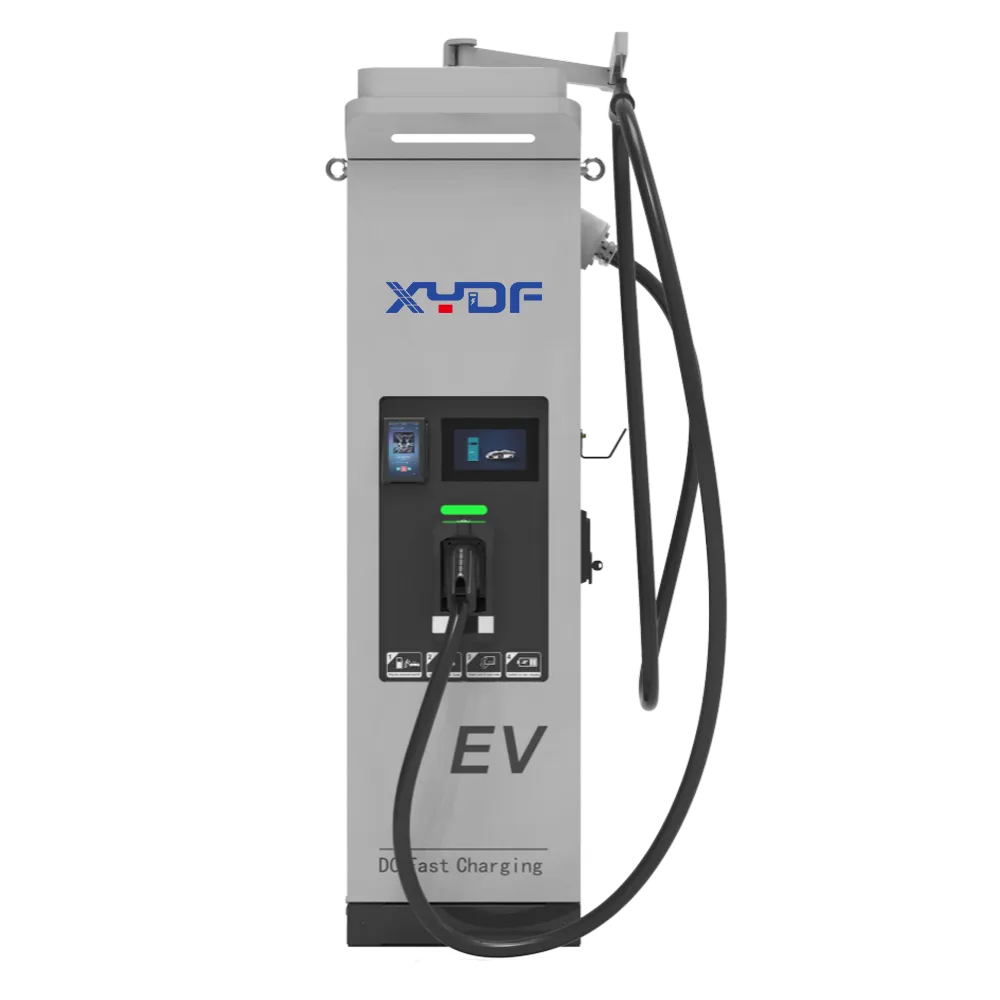
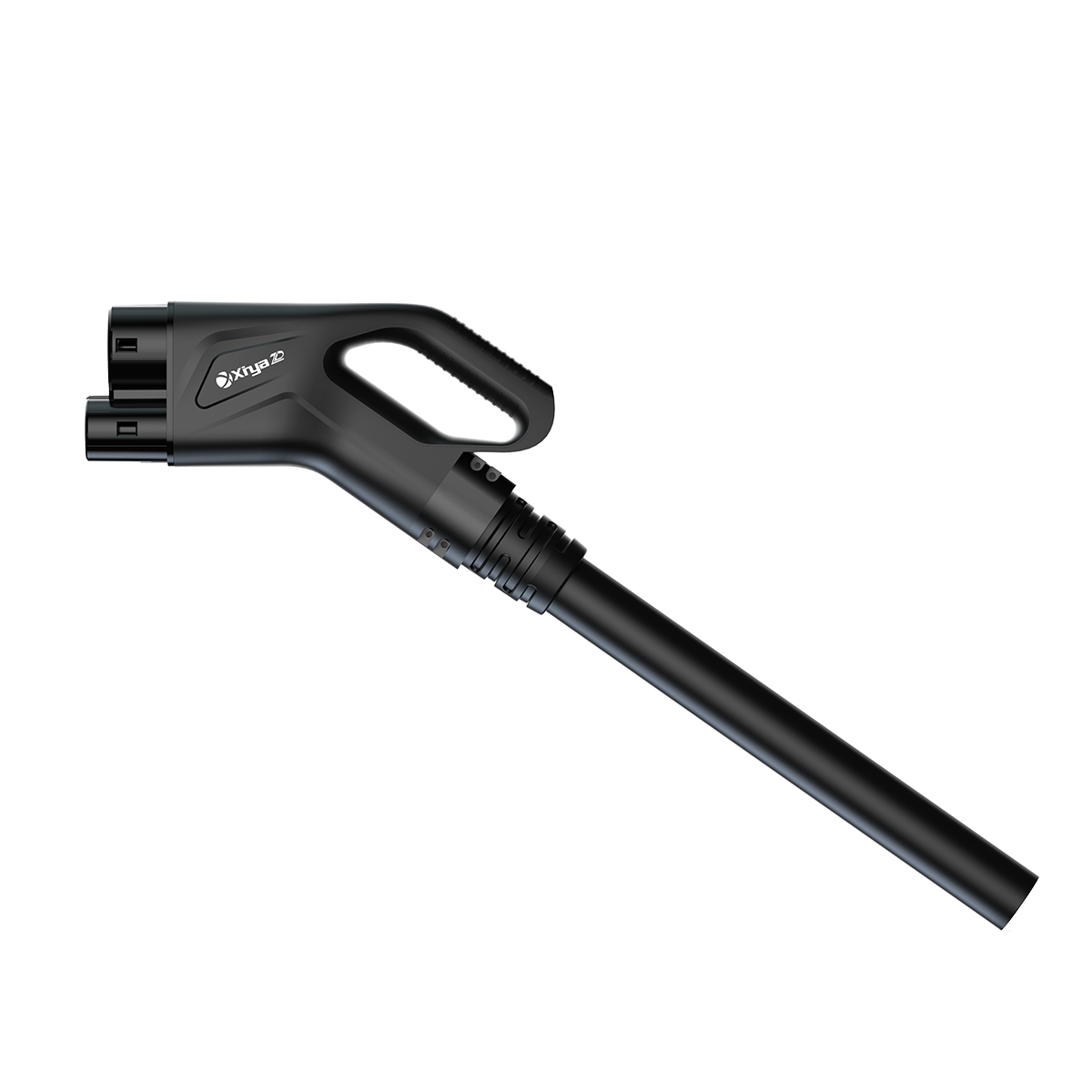
DC fast charger noise can be audible, particularly when cooling equipment is working hard or a charging site operates near homes at night. There is no single noise level that describes every charger, and no worldwide limit that applies to every site. The useful assessment combines the equipment’s sound data, its operating conditions and the sound received at the neighboring property.
Before choosing a location or adding an acoustic barrier, establish which local requirements apply, request comparable manufacturer data and assess the nearest noise-sensitive receivers. A quiet-looking cabinet, a low-power session or a measurement taken beside a busy road will not answer all three questions.
Why do DC fast chargers make noise?
Cooling fans, pumps where fitted, power-electronic components and associated electrical plant can contribute sound. The mix depends on the equipment design. A transformer may be part of the wider site installation rather than inside the charger, so it should be identified separately when investigating a complaint.
Fan speed can change with operating load and temperature. This means a short measurement during an idle period may not represent a busy, warm-weather charging session. Equipment may also behave differently during start-up, standby or after a session, depending on its cooling controls.
Tonal hum, rattling or intermittent changes can attract attention even when the overall level is modest. A new mechanical rattle or altered fan sound warrants a maintenance investigation. It should not automatically be accepted as the normal sound of fast charging.
When reviewing a specification, ask whether it reports sound pressure level at a stated position or sound power level for the source. These are different quantities. A bare figure in dB(A), without distance, operating state and measurement conditions, is not enough to compare two EV charging stations.
Are DC fast chargers louder than AC EV chargers?
DC equipment often has more substantial active cooling than AC charging equipment, but a universal ranking would be misleading. Charger architecture, cooling controls, installation and the surrounding site all matter. Vehicle cooling fans, nearby refrigeration and traffic can also influence what a driver or neighbor hears.
A wall-mounted AC unit and a high-power DC cabinet are therefore best compared through relevant sound data and the intended operating conditions. Rated charging power alone does not establish the sound level at a property boundary.
| Possible source | What to investigate | Why a brief visit can mislead |
|---|---|---|
| Charger cooling equipment | Operating load, ambient conditions and fan or pump operation | Idle operation may not represent a sustained session |
| Electrical components or associated transformer | Tonal character and the actual equipment producing it | A hum may remain when no vehicle is charging |
| Vehicle cooling | Vehicle behavior during the observed session | It may be attributed incorrectly to the charger |
| Surrounding commercial activities | Traffic, delivery vehicles and other building services | Busy periods can mask sound heard at night |
Which noise limits apply at the neighboring property?
EV charger noise limits usually come from the local planning approval, environmental noise rules, nuisance controls or a site-specific condition. The required metric, location and assessment period may differ between daytime and nighttime. An equipment supplier’s catalog figure is not a substitute for those conditions.
England’s planning guidance on noise emphasizes context, including the source, time of day and effects on people. It also describes mitigation through source control, layout and operating conditions. The guidance does not supply one universal EV charger decibel limit.
For industrial and commercial sound in the UK, an authority may request an assessment using BS 4142:2014+A1:2019. Its scope is rating and assessing that sound, not certifying an EV charger as quiet. The appropriate method and any treatment of tonal or intermittent characteristics should be agreed with the competent assessor and relevant authority.
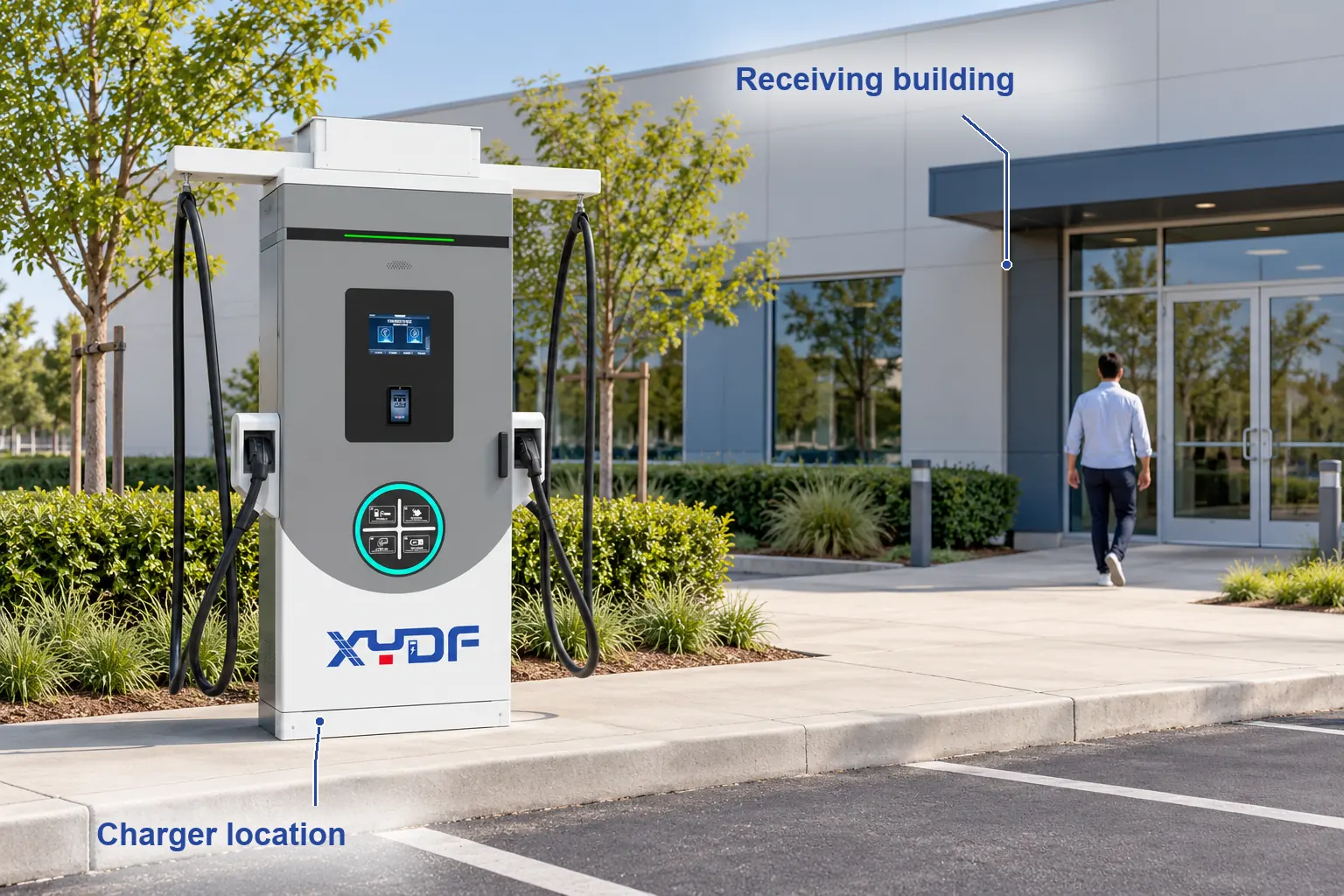
Workplace hearing-protection rules address a different question from disturbance at a residential receiver. The UK HSE’s advice for employers concerns managing workers’ noise exposure. An occupational criterion should not be reused as a property-boundary or nighttime planning limit.
How should noise be measured before and after mitigation?
Agree the survey method before taking readings. Identify the relevant receiver positions, operating conditions, background sound and assessment periods. Depending on the requirement, the report may need time-averaged levels, background levels, maximum events or frequency information. A phone recording can help describe a complaint, but it should not replace the specified measurement method.
IEC 61672-1:2013 specifies sound level meter performance and distinguishes Class 1 and Class 2 instruments. It does not set EV charging station noise limits. The assessor should select the instrument class and survey arrangements required by the applicable method, with suitable calibration checks and environmental observations.
For a charger survey, record which units were operating, their loading where available, the cooling state, weather, instrument position and nearby sound sources. Include representative operating conditions rather than deliberately selecting the quietest interval. If equipment can be stopped safely and with authorization, comparing relevant operating and background conditions may help distinguish its contribution.
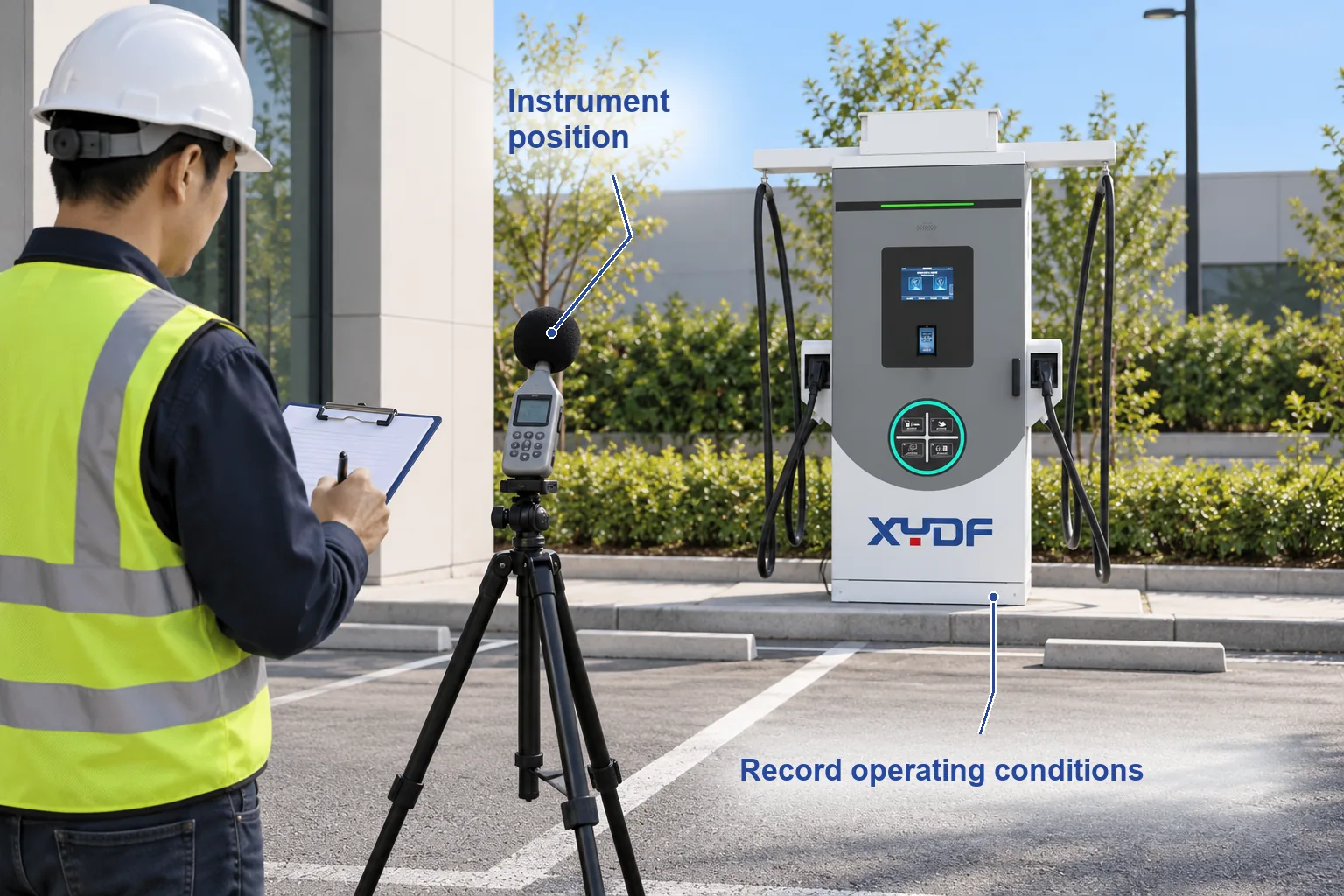
After mitigation, repeat the relevant parts of the survey under comparable conditions. Keep the operating and weather records with both sets of results. Otherwise, an apparent improvement could reflect a cooler day, fewer active chargers or louder passing traffic rather than the change itself.
How can a charging site reduce fan and transformer noise?
Effective charging station acoustic mitigation starts with the identified source. Correct a maintenance fault before designing a barrier around it. Dirty cooling paths, worn components or loose fixings should be investigated through the manufacturer’s service procedures, not by making unapproved changes to the enclosure.
For a new site, assess equipment placement early. A location farther from a sensitive facade may be preferable, but distance alone is not a guaranteed solution. Reflections, ground conditions, terrain and other equipment influence the result. Planting may improve the appearance of the site, but a narrow decorative hedge should not be treated as an engineered acoustic barrier.
Where a screen or enclosure is proposed, an acoustic specialist should coordinate with the equipment supplier. Airflow, exhaust recirculation, fire provisions, inspection access, cable reach and accessibility must remain suitable. Simply boxing in a charger can create thermal and maintenance problems.
| Possible measure | What it should address | What must be checked |
|---|---|---|
| Maintenance correction | An abnormal fan, vibration or mechanical sound | Authorized repair and post-repair operation |
| Equipment placement | Transmission toward sensitive receivers | Actual site geometry and charger access |
| Acoustic screen | A relevant source-to-receiver sound path | Acoustic design, ventilation and maintenance clearances |
| Supplier-supported cooling option | Sound generated by the cooling arrangement | Availability, thermal performance and supported configurations |
| Operating restrictions | A defined period or operating condition | Approval conditions, driver service and contractual obligations |
Ask whether quieter cooling or transformer options are available for the proposed equipment, and request evidence for the stated configuration. Avoid replacing fans, changing control settings or restricting charging power solely to reduce sound without supplier approval and a review of the operating obligations.
A practical plan for quiet EV charging also includes complaint handling. Record the time, location and character of the reported sound, then compare the report with operating and maintenance logs. Integrating this work into the station’s maintenance inspections makes a recurring issue easier to investigate.
When comparing AC EV chargers with XYDF DC fast chargers, request the acoustic information for the actual model and installation being considered. Do not infer a product-specific noise rating or a guaranteed reduction from a general discussion of cooling design.
Frequently asked questions about EV charging station noise
Why do DC fast chargers make noise?
Cooling fans and other cooling components can produce sound, as can power electronics and associated electrical plant. The source and level depend on the charger design and its operating conditions.
Are DC fast chargers louder than Level 2 chargers?
DC fast chargers often need more active cooling, but there is no reliable universal sound-level comparison. Use model-specific data under comparable conditions and include the vehicle and surrounding site sources.
What noise limits apply to an EV charging station?
Check local planning, environmental and nuisance requirements, together with the site’s approval conditions. The limit may depend on the receiving location, time of day and assessment method. No single global limit applies to every charger.
Which charger components create the most sound?
Cooling equipment is a common source, while electrical components can contribute tonal sound. The dominant source must be established for the actual installation; a nearby transformer or the vehicle may also contribute.
How can a charging site reduce fan and transformer noise?
Identify the source, resolve abnormal maintenance conditions and assess placement or supplier-supported equipment options. Any acoustic barrier or enclosure must preserve cooling, safety provisions and service access.
How should an operator measure noise before and after mitigation?
Use the agreed measurement method and appropriate instruments at the relevant receiver positions. Record operating states, weather and background sound, then repeat the assessment under comparable conditions after the change.
References
- UK planning practice guidance: noise.
- BSI: BS 4142 methods for rating and assessing industrial and commercial sound.
- IEC 61672-1:2013: sound level meter specifications.
- HSE: workplace noise advice for employers.
Assess the whole site before choosing a noise-control measure
Managing EV charging station noise requires more than choosing a cabinet with a low catalog figure. Establish the local assessment requirements, identify the actual sources and receivers, and compare representative conditions before and after any change. The resulting plan should reduce the relevant disturbance while preserving charging performance, ventilation and service access.
For an XYDF project near homes, offices or other sensitive locations, share the site layout and operating requirements so the proposed equipment and available technical information can be reviewed before the layout is finalized.