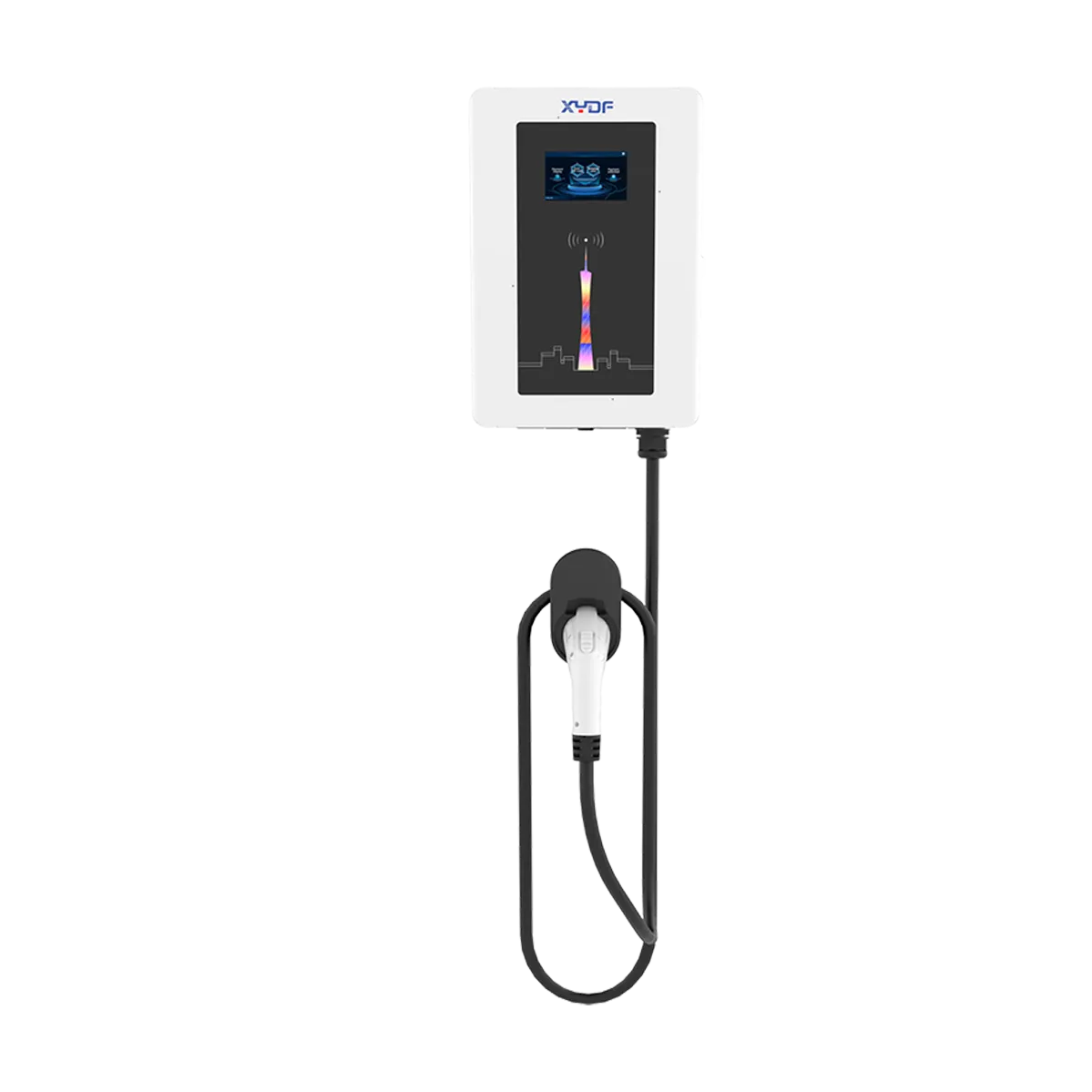
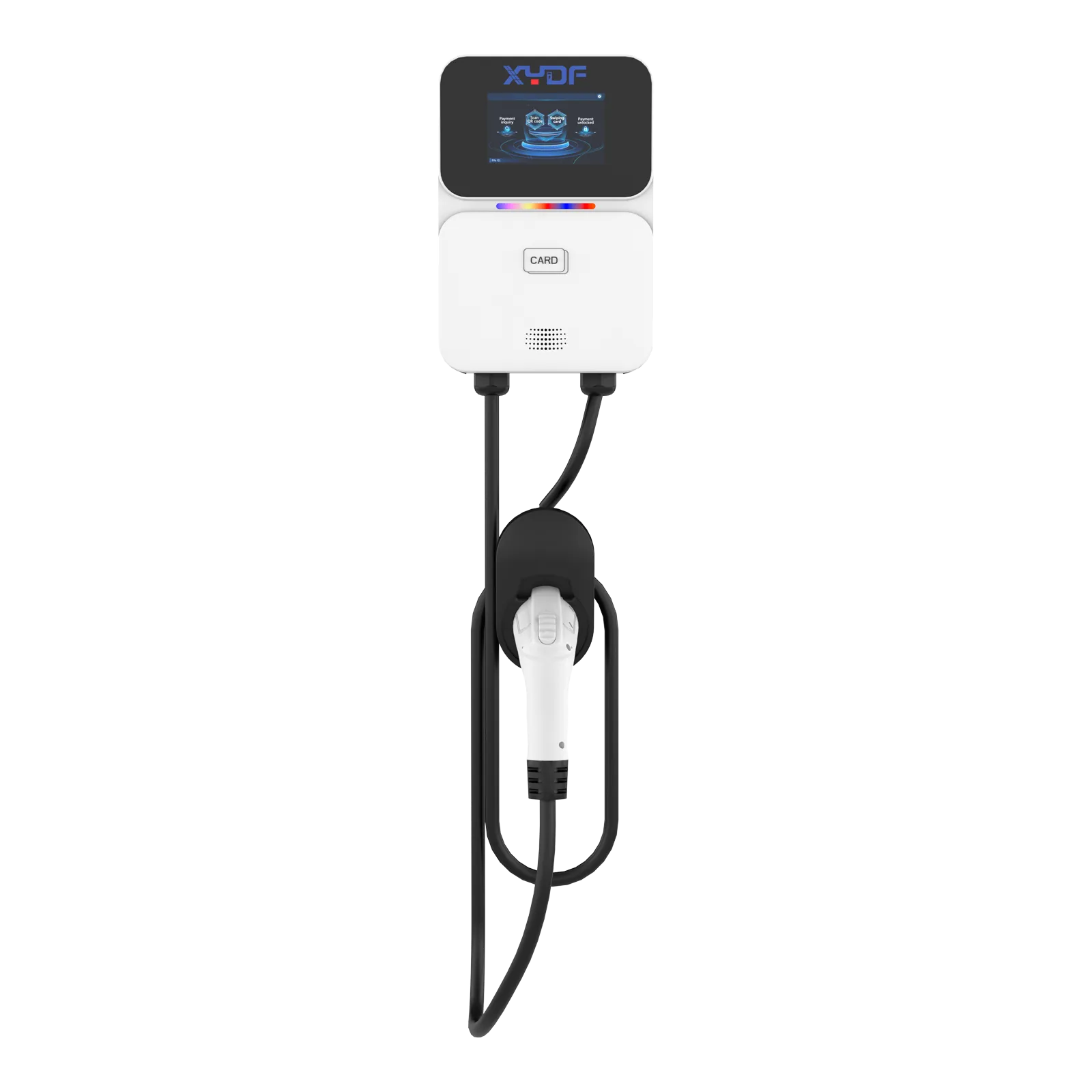
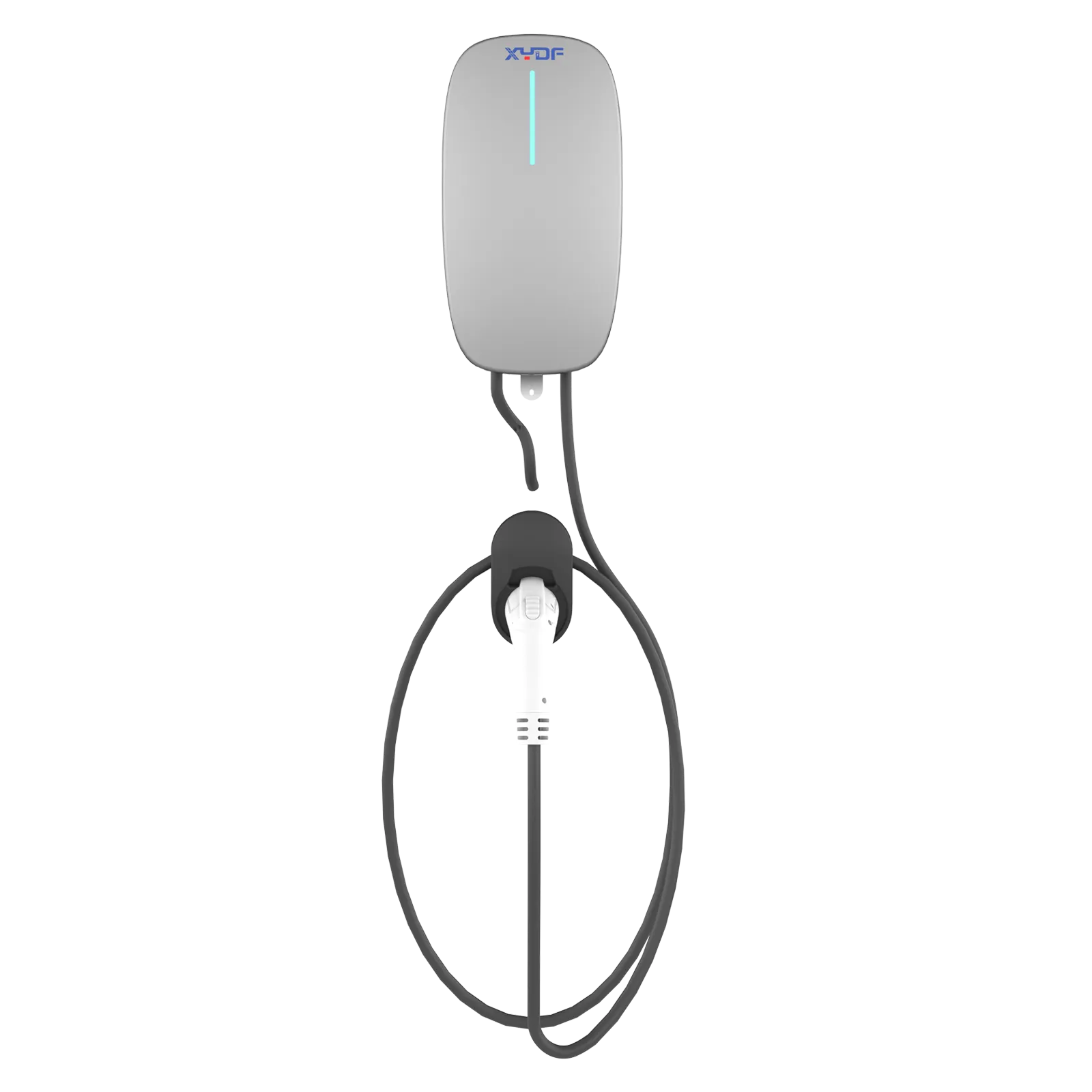
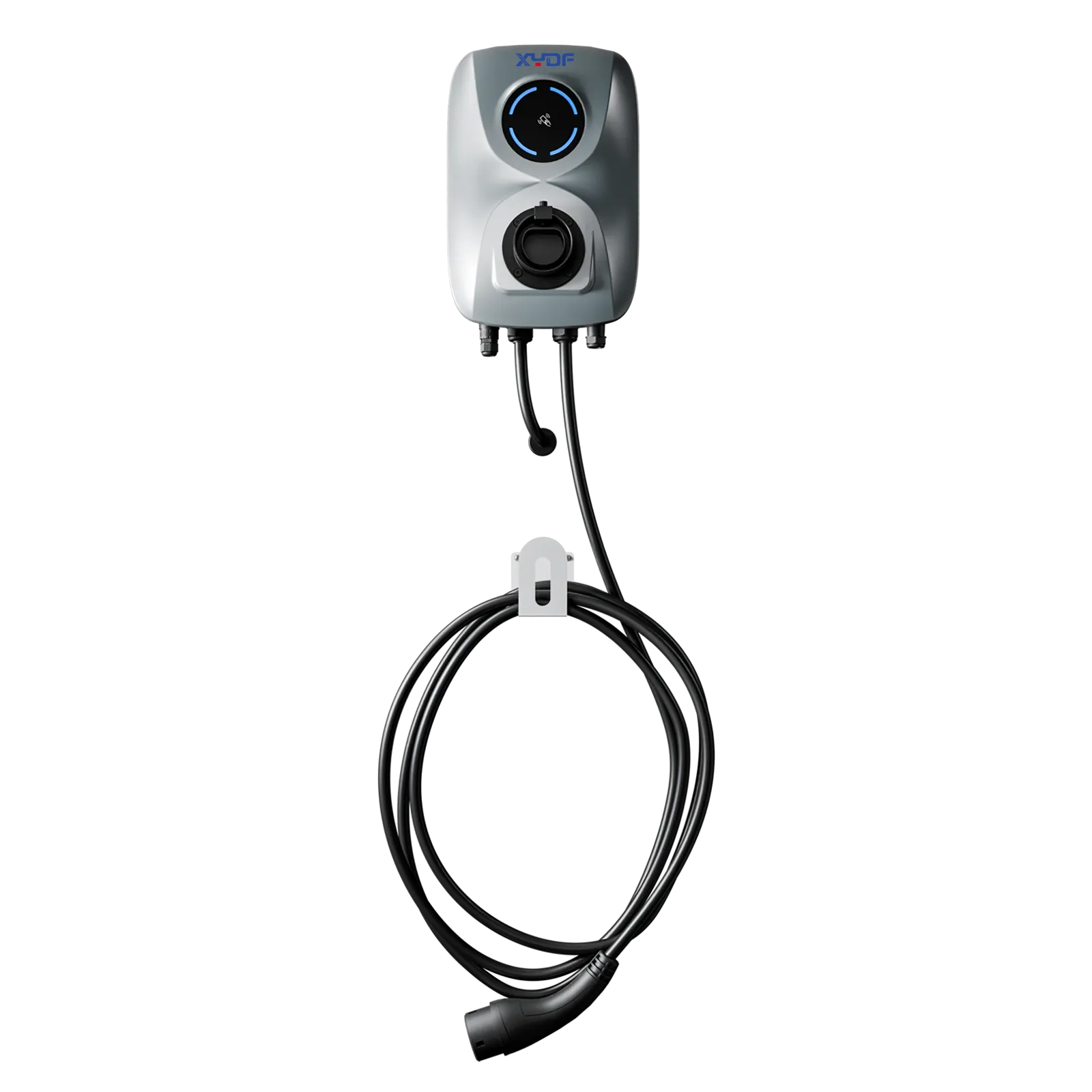
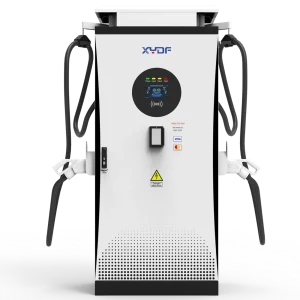
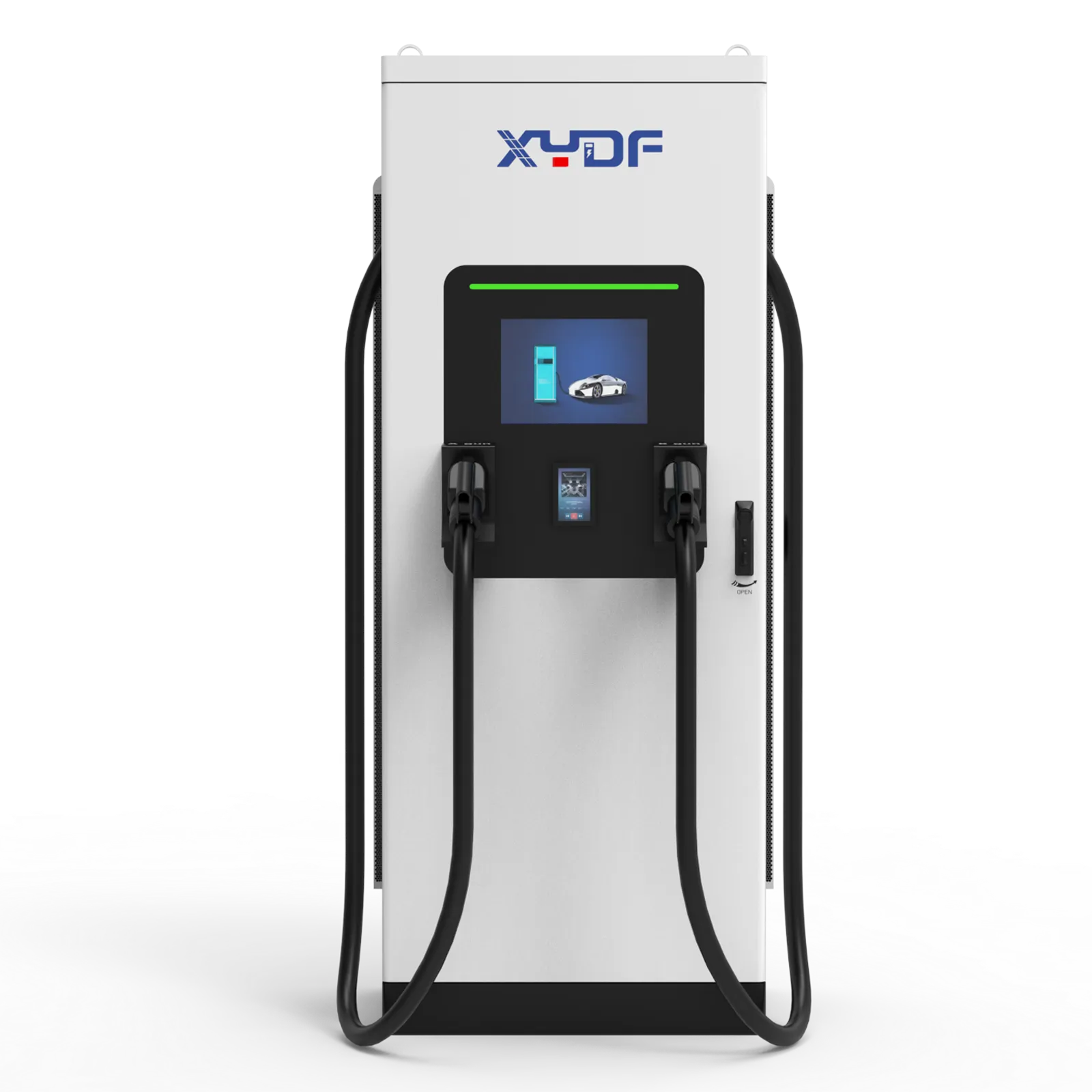
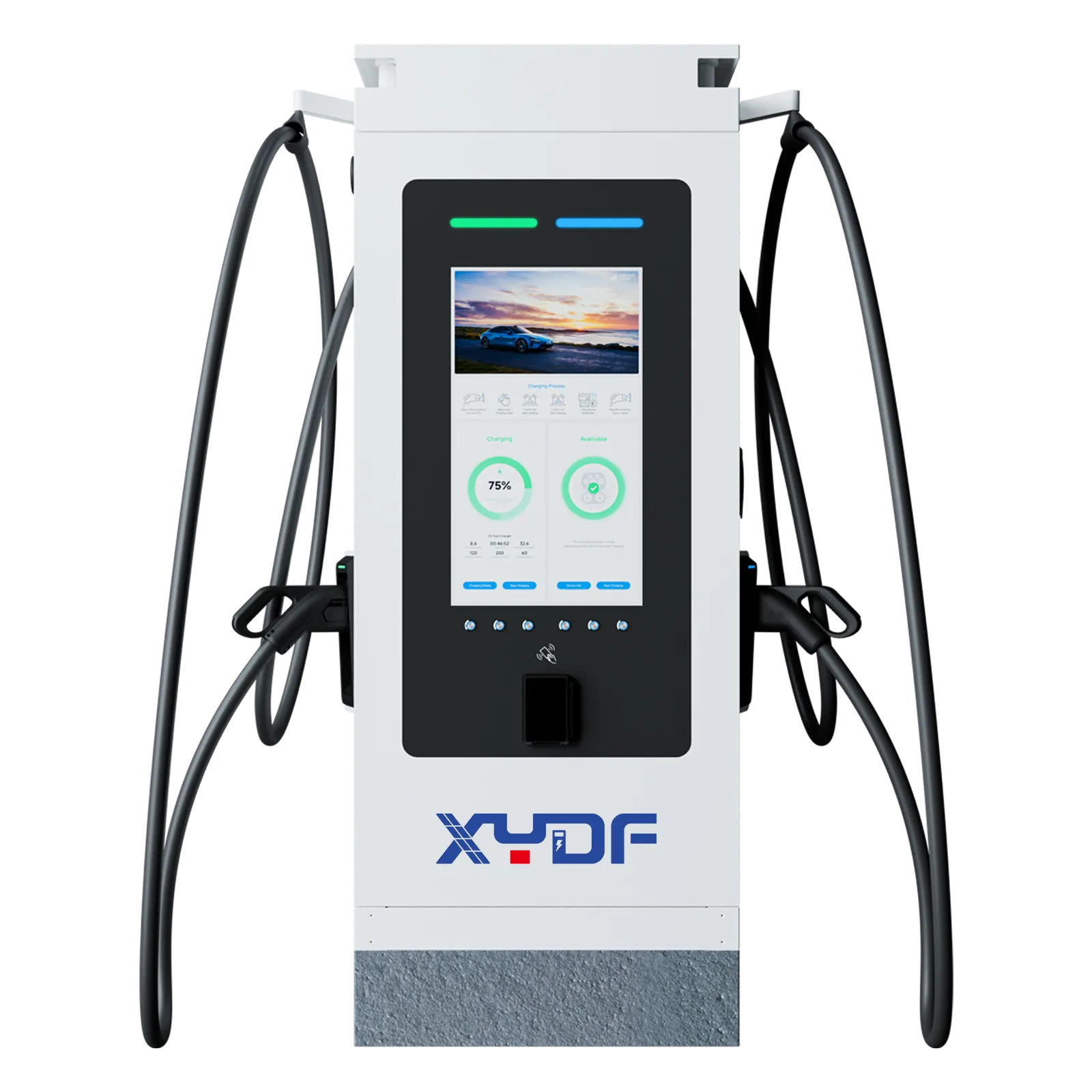
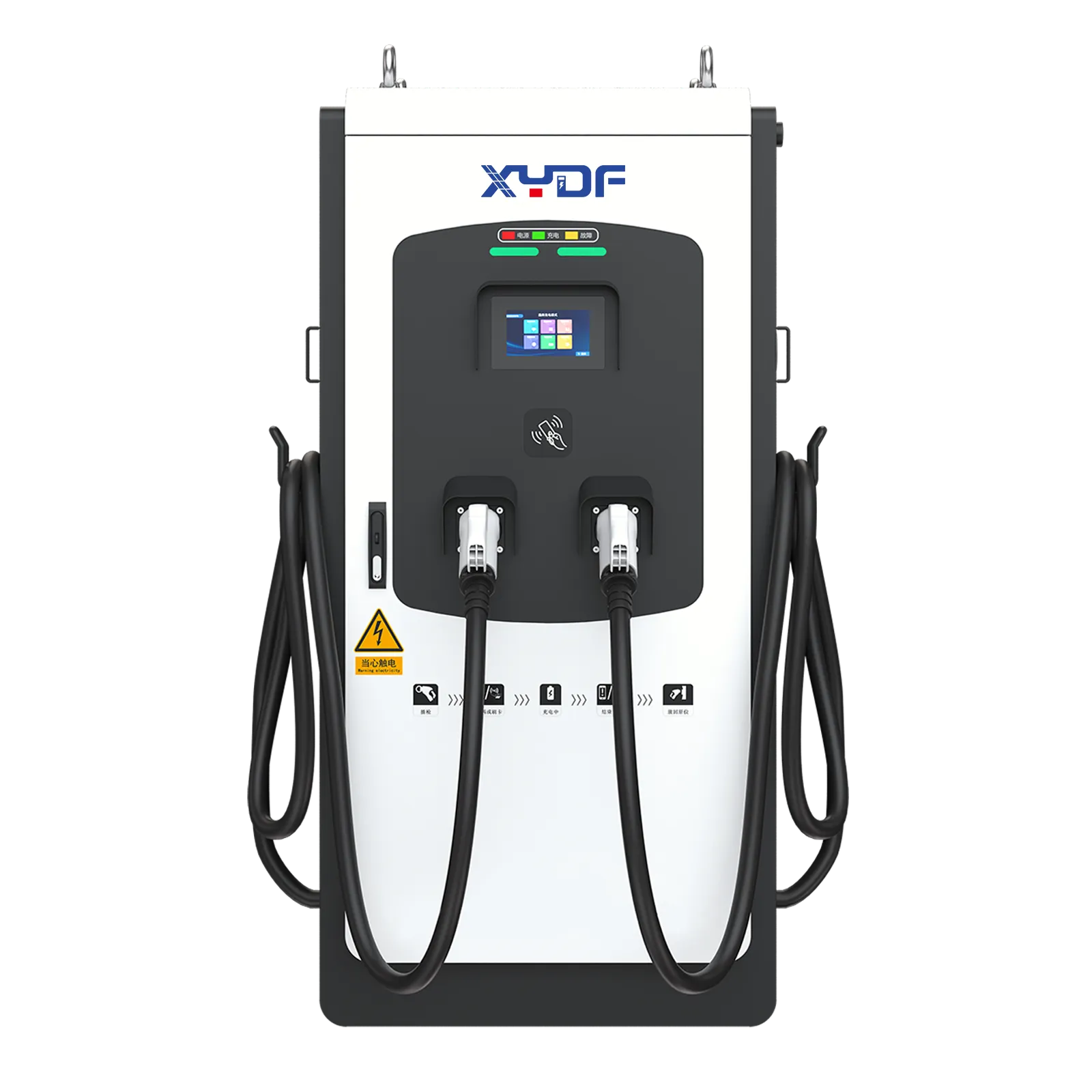
من السهل تجاهل استهلاك التشغيل عند عدم تمييز العروض التقديرية بين حالات التوافر والاتصال والراحة والشبكات والقياس الحراري والتحكم الحراري. لذا، يمكن أن يظهر موقع شحن استهلاك أساسي قابل للقياس حتى عندما لا يقوم أي مركبة بشحنها بشكل نشط.
طاقة الاستعداد لشحن السيارات الكهربائية—نعم، غالبًا ما تستنزف الشواحن النشطة بعض الطاقة عندما لا توفر الطاقة للسيارة. يعتمد الاستهلاك على الحالة التشغيلية، وهيكل الشاحن ووظائفه للاتصال، وعرضه، وميزان الطاقة، والدائرة الأمانية، والتحكم الحراري، والملحقات المرفقة. فإنه في الغالب لا يشكل أكبر تكلفة، لكنه يظهر بشكل واضح عبر عشرات أو مئات من نقاط الشحن وخلال عدة سنوات تشغيلية.
عرض المشتري:
- في حالة أجهزة الشحن المنزلية والشركات الصغيرة، تكون الطاقة الاحتياطية عادةً تكلفة طفيفة، لكن يجب على المشترين طلب بيانات الطاقة الاحتياطية.
- في حالة محطات الشحن السريع لبطارية الدائرة المتكاملة، يجب تقييم الطاقة غير النشطة مع تبريدها والاتصالات وعرض المعلومات والمدفوعات وتكوين وحدات الطاقة الدقيقة.
- بالنسبة إلى مديري المشتريات، ومشغلي الأساطيل، ومقاولي خدمات البنية التحتية، فإن تكلفة الملكية الإجمالية تكتسب أهمية أكبر من أقل سعر شراء.
في لغة الصناعة، غالبًا ما يُطلق على الشاحن اسم معدات إمداد المركبات الكهربائية (EVSE). لا تقوم العديد من وحدات التيار المتردد بتشغيل البطارية مباشرةً؛ بل توفر طاقة تيار متردد مدفوعة التحكم إلى الشاحن المدمج في السيارة. تعمل الشواحن السريعة للتيار الثنائي في تحويل الطاقة خارج السيارة وتوفر طاقة تيار متردد إلى البطارية.
وفقًا لل نبذة عن توقعات الطاقة العالمية للوكالة الدولية للطاقة, تواصل البنية التحتية للشحن العامة التوسع مع نمو اعتماد السيارات الكهربائية. مع نشر محطات الشحن المتصلة بالشبكة في مراكز التخزين ومواقف السيارات ومواقع البيع بالتجزئة ومحاور الطرق السريعة، فإن السؤال المتعلق بالمشتريات لا يكمن في مجرد “كم تكلف المحطة؟” بل في “ما هي تكلفة تشغيل هذه الأصول الشحنية بشكل موثوق؟”.”
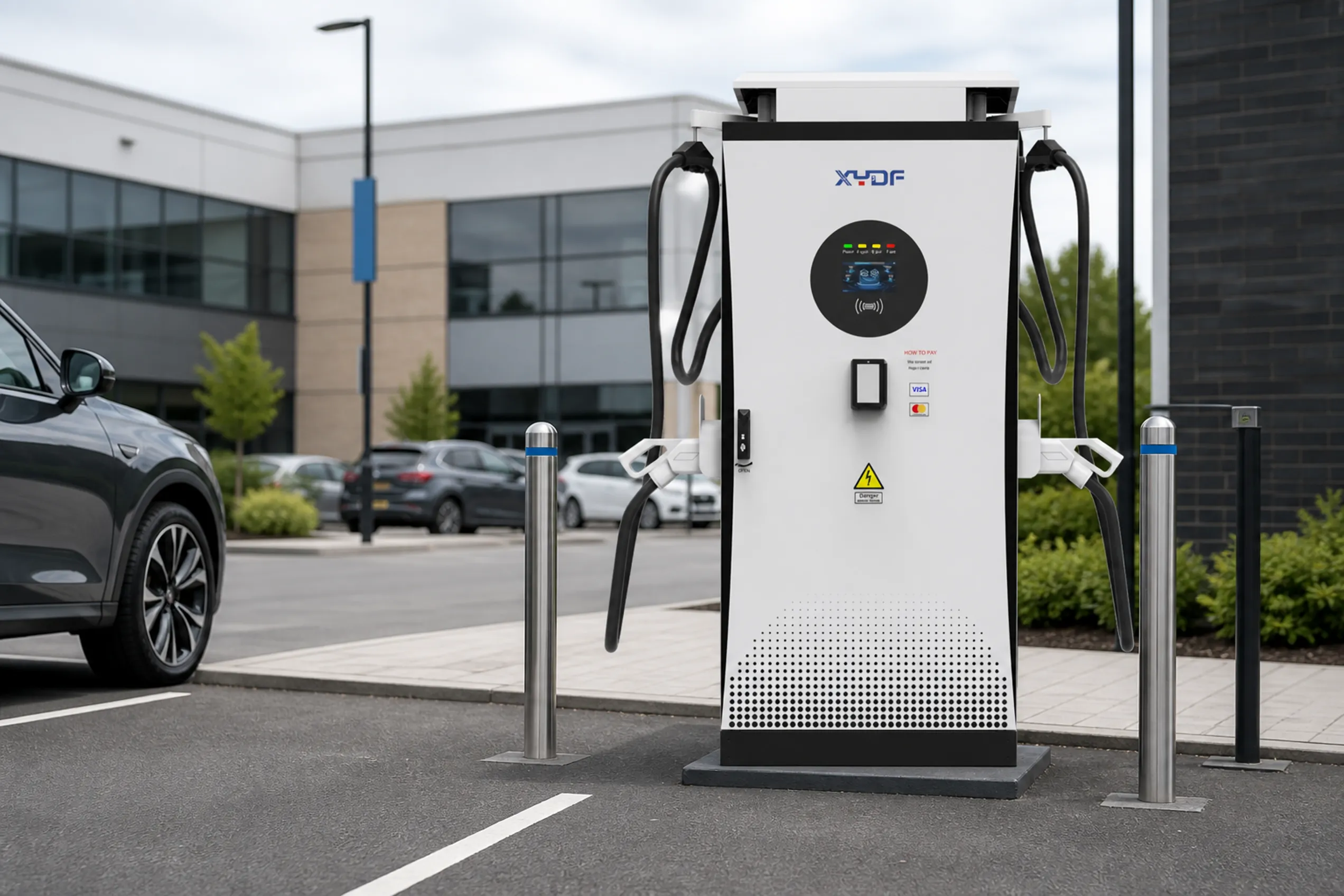
لماذا تستهلك شواحن السيارات الكهربائية الطاقة عند عدم استخدامها
يجب أن تحدد مطالبات إدارة الطاقة أي عبء كهربائي قابل للتعديل، وأي التزام خدمة غير قابل للتعديل. قم بتنسيق طاقة مغادرة المركبة، وإنتاج الطاقة الشمسية، وحالة التخزين، والطلب على المباني، وفترات التعريفات، وحدود الشبكة الكهربائية في نموذج قائم على الوقت واحد؛ ثم قم بتحديد سلوك الاسترجاع في حال تغيرات الناتج المتجدد أو الاتصالات أو توفر التخزين. يمكن أن توضح الإرشادات البحثية الشحن المدارة، لكنها لا يمكن أن تحل محل بيانات الاستشعار عن بعد في الموقع وسياسة التحكم المأمونة. فيما يتعلق بالبيئة التخطيطية العامة، انظر نيرل تدير توجيهات شحن المركبات الكهربائية; لا يزال سجل القبول المخصص للموقع يحدد القرار النهائي.
يأتي استهلاك الطاقة غير النشط من مكونات لا تزال تعمل حتى عندما لا يتم شحن السيارة بشكل نشط. في أجهزة الشحن الكهربائية الأساسية، قد يكون هذا عبارة عن دائرة تحكم صغيرة ومؤشر إضاءة. وفي أجهزة الشحن الذكية المتقدمة للسيارات الكهربائية، قد تشمل الحمل المستمر الاتصالات، والقياس، والاعتمادية، ومراقبة السلامة، والاتصال الخلفي.
تشمل الأحمال غير النشطة الشائعة ما يلي:
- لوحة التحكم أو وحدة التحكم الرئيسية
- مورد طاقة مساعد
- وحدة اتصال Wi-Fi أو 4G أو Ethernet أو Bluetooth
- قارئ RFID
- مؤشر LED
- شاشة LCD أو شاشة تعمل باللمس
- مقياس الطاقة أو وحدة القياس
- دوائر مراقبة المكونات الموصلة والمكونات الموصلة
- التحكم في التيار الزائد أو خطأ الأرض
- نظام نقاط الدفع
- تحكم في التبريد لنظم التيار المستمر عالية الطاقة
قد تعمل وحدة شحن التيار المتردد النموذجية بمحاولات تبلغ 7 كيلووات أو 11 كيلووات أو 22 كيلووات في العديد من أسواق الاتحاد الدولي للاتصالات، بينما تستخدم المعدات المستندة إلى المستوى 2 في أمريكا الشمالية غالبًا دوائر تيار 240 فولت وفقًا للمعايير مثل SAE J1772 وUL 2594. وحتى إذا كانت الشاحن غير نشطة، قد تظل الإلكترونيات للتحكم والسلامة مشغلة.
تشمل المعايير ذات الصلة ما يلي:
- المتطلبات العامة لنظام الشحن السلكي وفقًا للمواصفة IEC 61851-1
- المواصفة UL 2594 الخاصة بمعدات تزويد المركبات الكهربائية
- SAE J1772 لواجهات شحن التيار المتردد في أمريكا الشمالية
بالنسبة إلى فرق المشتريات، فإن الاختلاف الرئيسي هو ما يلي: تُحدد الطاقة الكهربائية المستهدفة سعة الشاحن في الوقت الذي يزود فيه البطارية بالطاقة، بينما تُحدد الطاقة الاحتياطية كمية الطاقة التي قد يستهلكها النظام أثناء الانتظار لتزويد البطارية بالطاقة.
حالات تشغيل EVSE المحددة إنها ضرورية لأن رقمًا واحدًا “غير نشط” لا يمكن أن يمثل كل حالة عدم الشحن. يميز إصدار ENERGY STAR EVSE 1.2 بين أوضاع “لا يوجد سيارة”، و“مؤقت التشغيل”، و“غير نشط”، و“تشغيل”. قد تظهر لوحات المعلومات الخاصة بالموقع بدلاً من ذلك عبارة “متوفرة”، أو “في وضع الإعداد”، أو “متوقف التشغيل”، أو “في وضع النوم”، أو “غير متصل بالشبكة”، لذا ينبغي للمشترين تعيين كل علامة إلى الاتصال المادي، وحالة التيار الناتج، والوظائف الممكنة.
| الوضع التشغيلي الذي يُبلغ عنه |
حالة المركبة والإخراج والشبكة |
الوازم المساعدة التي قد تظل نشطة |
ملاحظة القياس |
| متوفر / لا يوجد سيارة |
الشبكة مشغولة، ولا يوجد موصل مربوط، التيار الناتج صفر؛ قد يكون الشبكة متصلة بالإنترنت. |
التحكم، ومقياس الطاقة، والاتصالات، ومؤشر الحالة، والشاشة، أو محطة الدفع |
خريطة لنظام "لا مركبة" حيث تسمح بها التكوين الاختباري؛ عرض الحالة وإعدادات الشبكة |
| موصول، لا يتم شحنه |
المركبة مجهزة لكنها لا تستخدم الطاقة |
تحكم في الطيار، واتصالات المركبة، والتحقق من الهوية، ومقياس القياس، والاتصال الخلفي |
تسجيل ما إذا كانت وحدة شحن المركبات الكهربائية جاهزة لتزويد الطاقة؛ وقد يتوافق ذلك مع الوضع الجزئي للإضاءة. |
| جاهز، صفر تيار |
المركبة جاهزة، ويوفر محول الطاقة الكهربائي تيارًا مستمرًا فورًا، لكن التيار الناتج القياسي صفر. |
تحكمات المكونات الكهربائية، ووسائل الاتصال بالمركبة، ومراقبة الأجهزة، وتدفقات التبريد |
This is the ENERGY STAR Idle Mode concept; verify zero output current rather than relying on the screen label |
| Sleep |
Selected subsystems reduced or powered down; wake trigger remains available |
Wake circuit, safety monitoring, and possibly a low-power network path |
Sleep is a site or manufacturer label, not automatically equivalent to a standardized mode; report wake time and trigger |
| خارج عن دائرة الاتصال |
Backend cannot communicate with the unit, although the EVSE may remain energized |
Local controller, modem retry cycles, display, meter, and safety circuits |
Offline is a communication condition, not proof of low power or disconnection |
| Heater or cooling active |
No vehicle energy delivered, but temperature control is cycling |
Cabinet heater, fan, pump, chiller controls, or anti-condensation equipment |
Report ambient temperature, recent charging history, duty cycle, peak, and average input power |
| Disconnected / de-energized |
External and relevant internal power sources removed or isolated |
None supplied by those sources |
Do not present this as standby performance; it is not an available charger state |
A connected charger waiting for a vehicle request can support more functions than an unoccupied port. A communication outage may also trigger repeated modem or controller activity, while a cold cabinet can run a heater even when no vehicle is present.
Not all EV charging equipment behaves the same way when idle. AC chargers, شواحن DC السريعة, and ultra-fast chargers have different electrical architectures, and that affects standby consumption.
محولات شحن السيارات الكهربائية
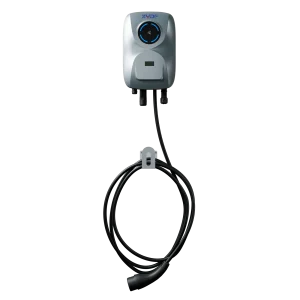
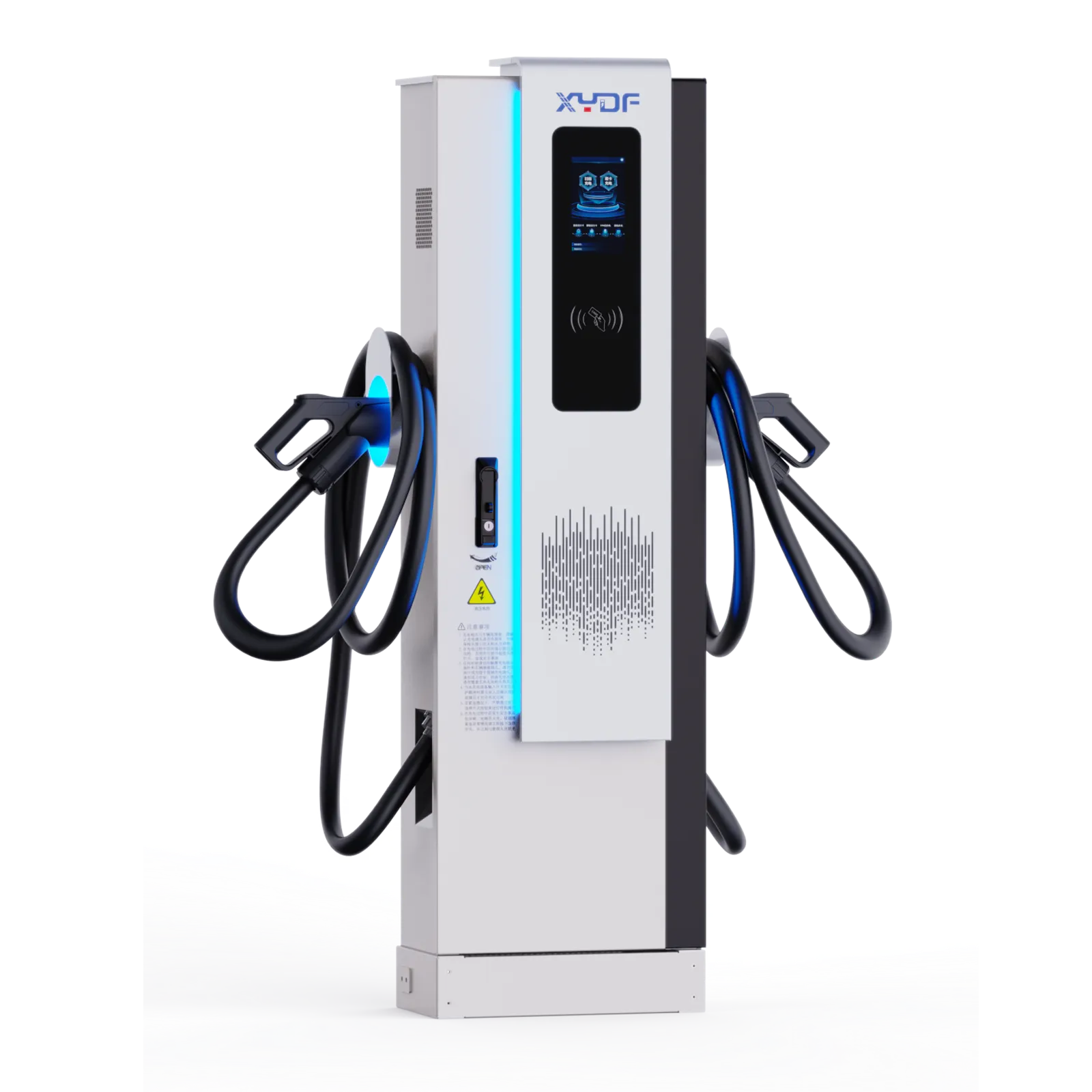
An AC EVSE unit usually supplies controlled AC power to the vehicle. The vehicle’s onboard charger converts AC to DC. This means the wallbox or commercial AC unit typically has fewer high-power internal conversion components than a DC charger.
Common AC ratings include:
- 3.7 kW and 7 kW for residential or light commercial charging
- 11 kW and 22 kW for three-phase commercial applications
- 230V single-phase or 400V three-phase systems in many IEC markets
- 240V Level 2 systems in North America
شواحن DC السريعة
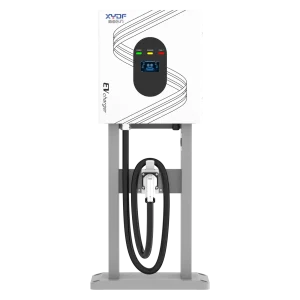
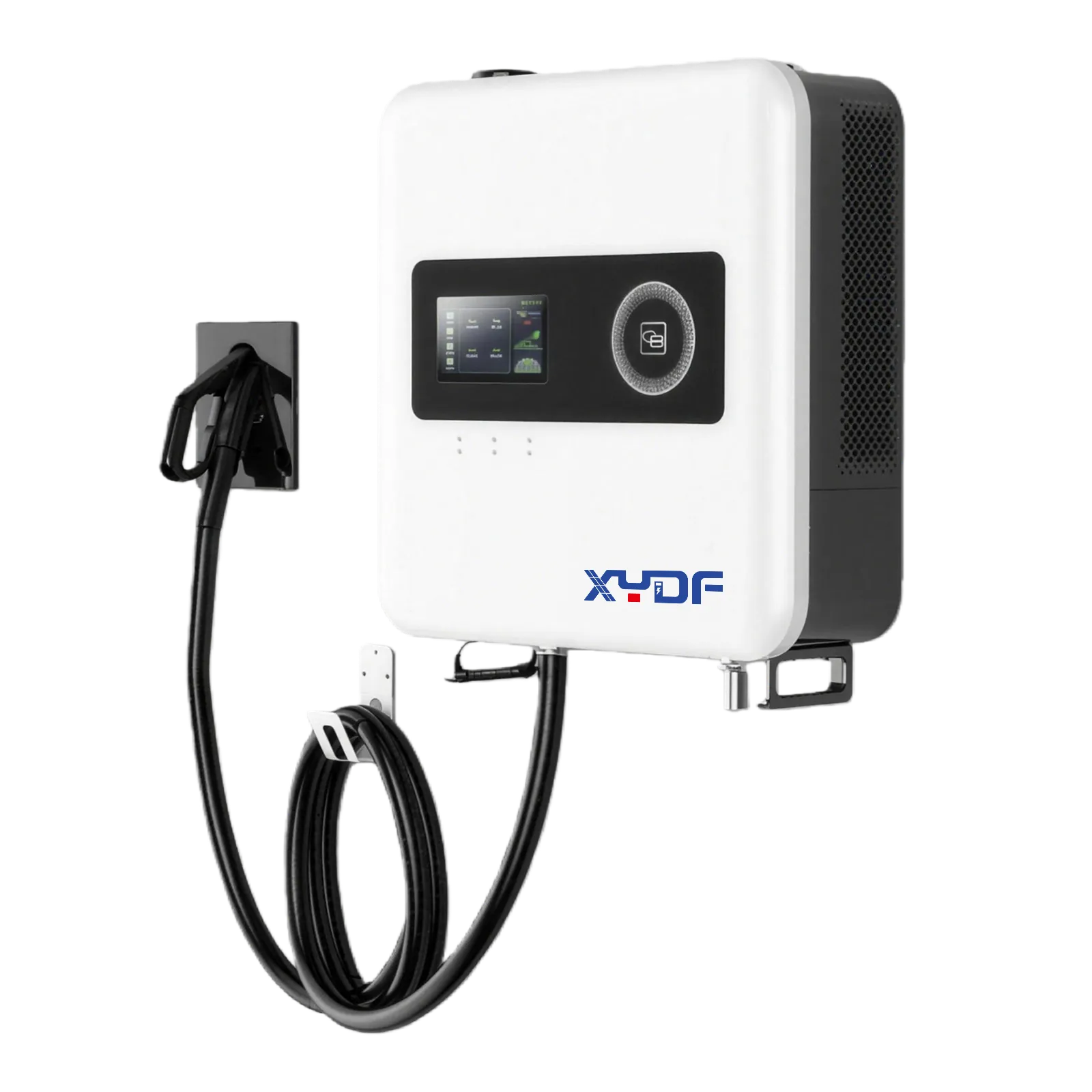
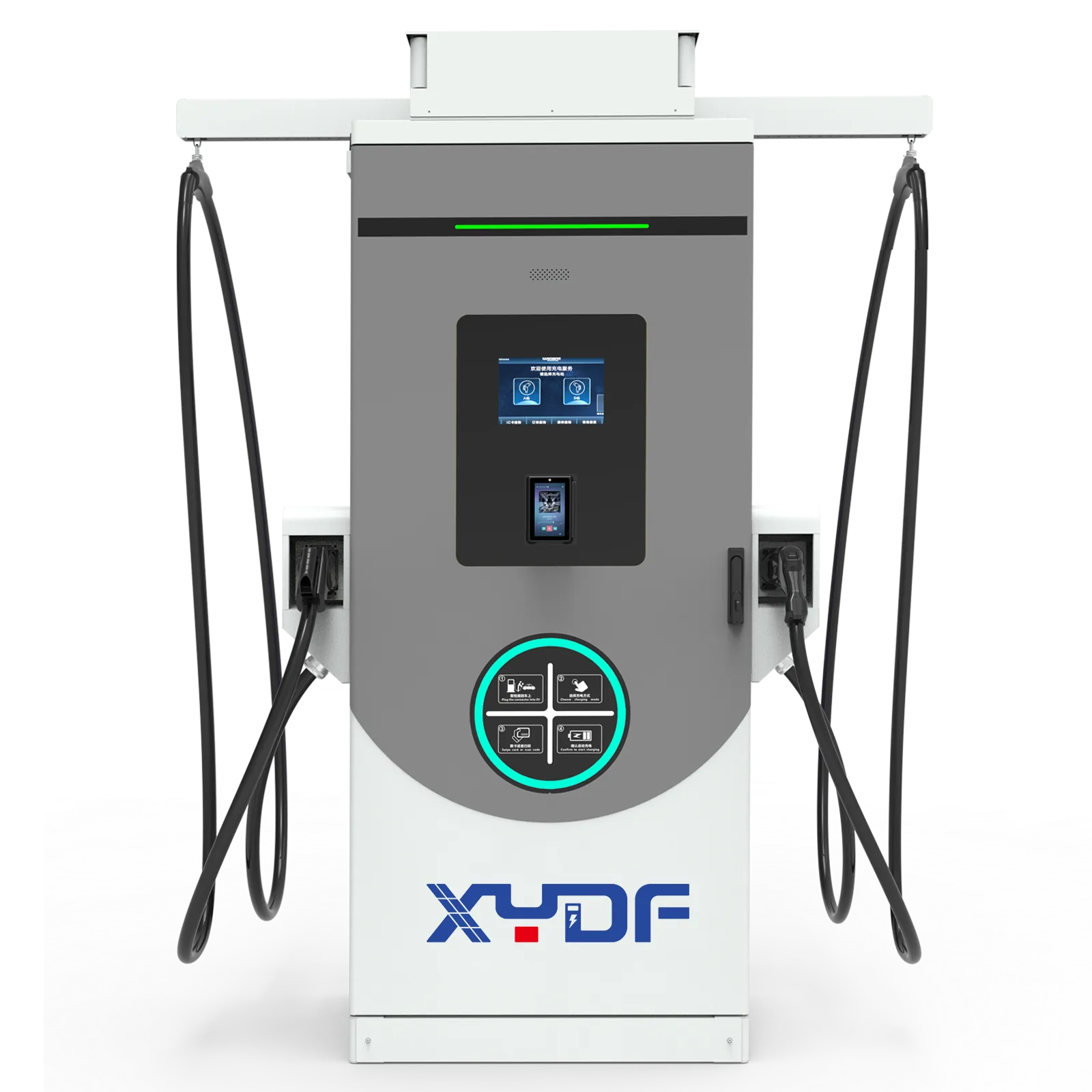
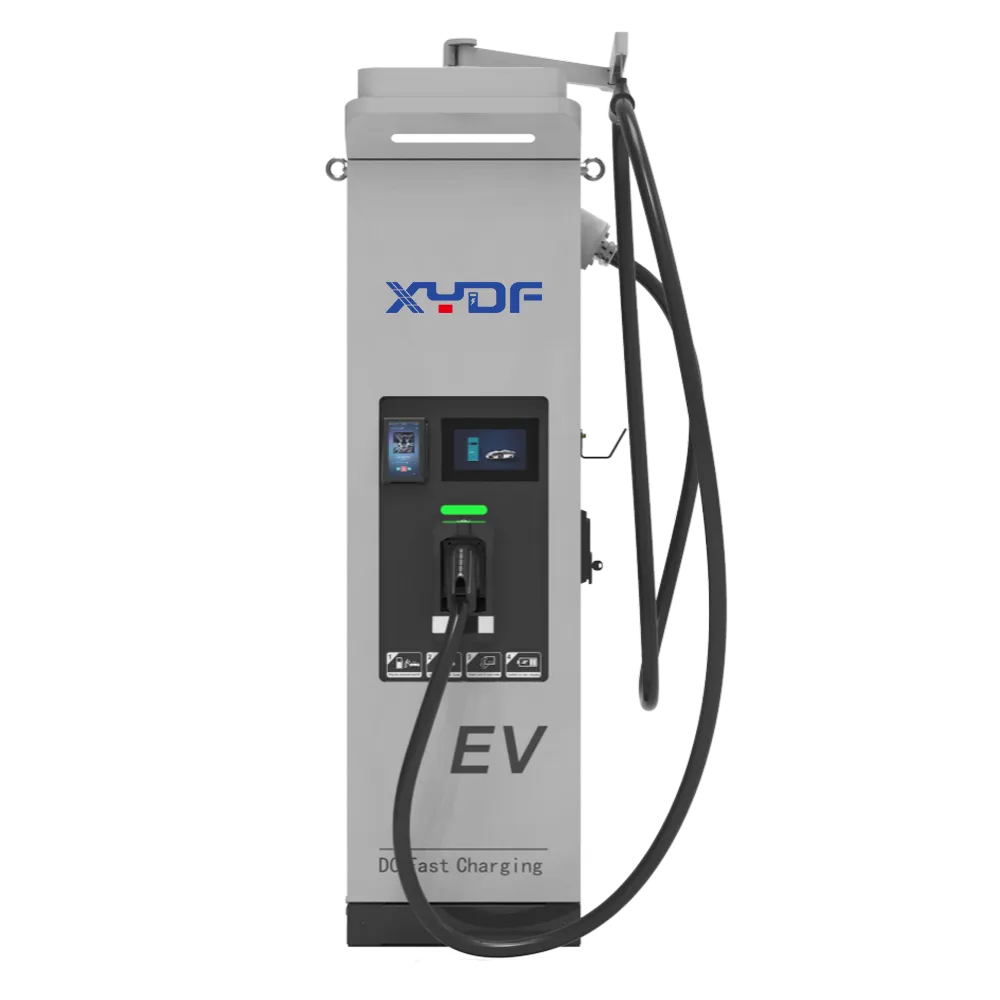
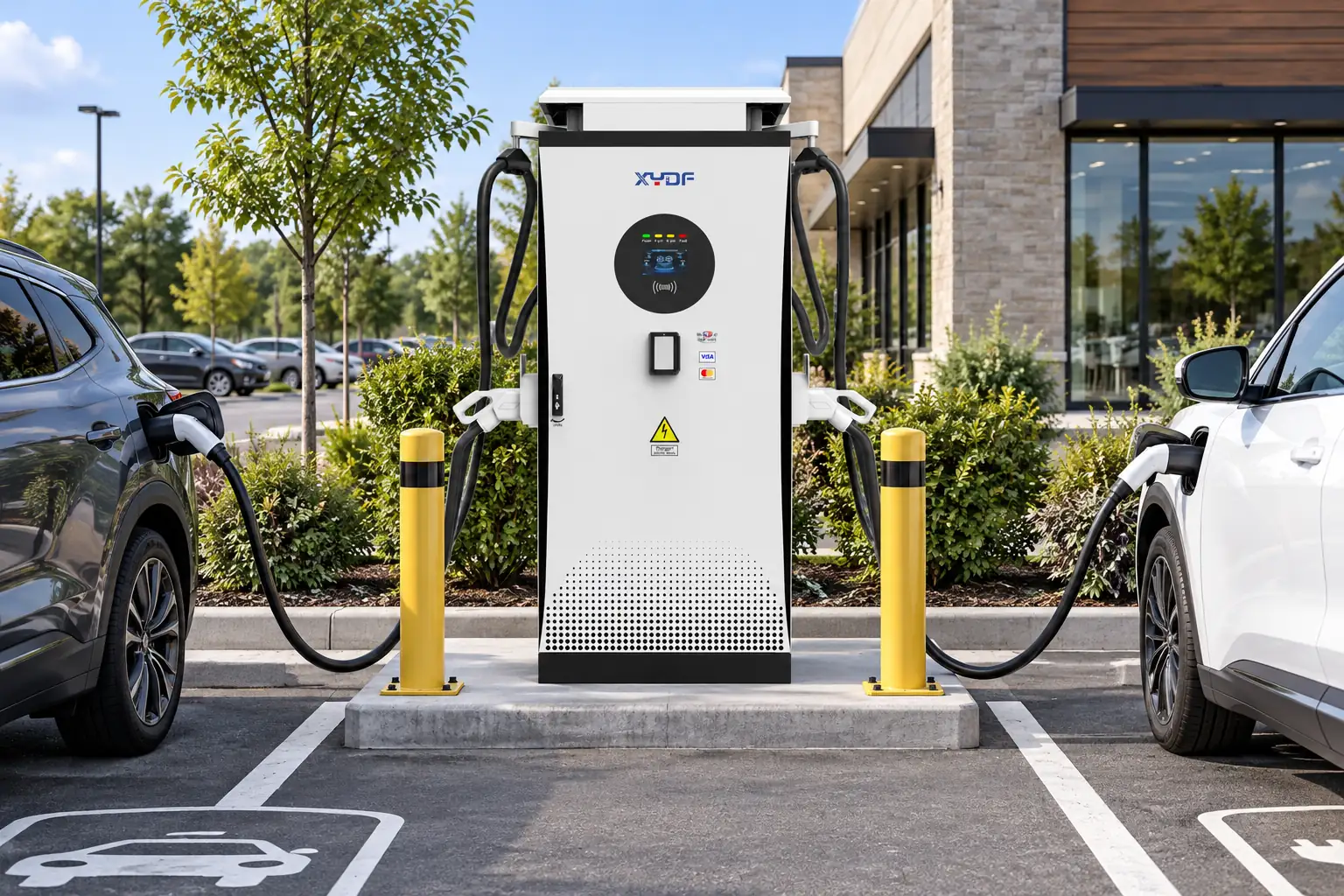
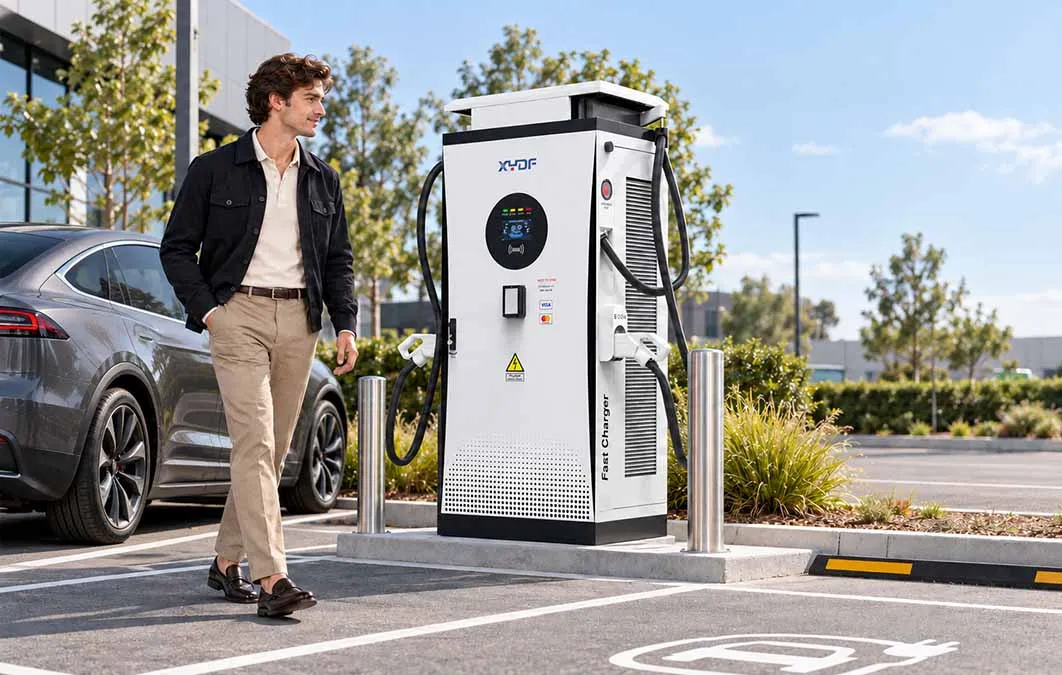
A DC fast charger is an off-board charger. It converts AC grid power into DC power inside the charger and delivers it directly to the vehicle battery. This requires power electronics, cooling control, isolation, communication, protection systems, and often one or more DC power module units.
Common DC ratings include:
- 30 kW
- 60 kW
- 120 kW
- 180 kW
- 240 kW
- 360 kW and above for high-power charging
Relevant standards and interfaces include:
- IEC 61851-23 for DC EV charging stations
- IEC 61851-24 for digital communication between DC charger and EV
- IEC 62196 for plugs, socket-outlets, connectors, and vehicle inlets
- CCS1 / CCS2
- شاحن تشاديمو
- GB/T 20234
- ISO 15118
DC fast chargers often consume more standby power than AC units because they include more subsystems: display, payment interface, network module, thermal control, safety monitoring, and internal power electronics. For 400V and 800V vehicle platforms, high-power charging infrastructure may also require more advanced control and cooling design.
How Smart Functions Affect Idle Power
Smart EV chargers are not passive electrical outlets. They are connected infrastructure assets. That connectivity improves uptime, billing, access control, remote service, and energy management — but it also means certain circuits stay active.
Smart functions that can contribute to standby load include:
- OCPP heartbeat communication
- المراقبة عن بعد
- Cloud backend connection
- OTA firmware update readiness
- RFID authentication
- App-based authorization
- Payment terminal readiness
- Energy metering
- Load balancing
- إدارة الحمولة الديناميكية
- Site-level energy management system integration
Common communication protocols include:
- OCPP 1.6J
- OCPP 2.0.1
- ISO 15118 for vehicle-to-grid communication and Plug & Charge
- Modbus or Ethernet-based local integration in some commercial sites
For CPOs and fleet managers, the trade-off is usually reasonable. A charger that stays connected to a backend platform may draw slightly more standby power, but it can also support remote diagnostics, billing records, load control, firmware maintenance, and faster fault response.
In other words, smart standby energy is not always wasted energy; in many commercial projects, it is the baseline cost of managing distributed charging infrastructure.
متى يؤدي انخفاض قوة النوم إلى تنازعات عملية؟
Firmware can reduce display brightness, pause nonessential processes, or place communication hardware in a lower-power state. Deeper sleep may extend wake time, delay a payment session, slow backend reconnection, or prevent immediate remote intervention. Test wake-up from the intended RFID, plug-in, app, scheduled, and remote triggers, then confirm that alarms and session records still reach the platform. The remote-diagnostics and alarm-priority guide helps identify what must remain observable.
Climate controls need a separate test case. A cabinet heater, anti-condensation device, fan, or liquid-cooling loop can be a legitimate readiness or equipment-protection load. Disabling it for an attractive room-temperature reading may make the result irrelevant to a winter depot or hot charging hub. Specify ambient test points and post-charge cooldown conditions, and compare them with the site weather profile and EV charger thermal-management guidance.
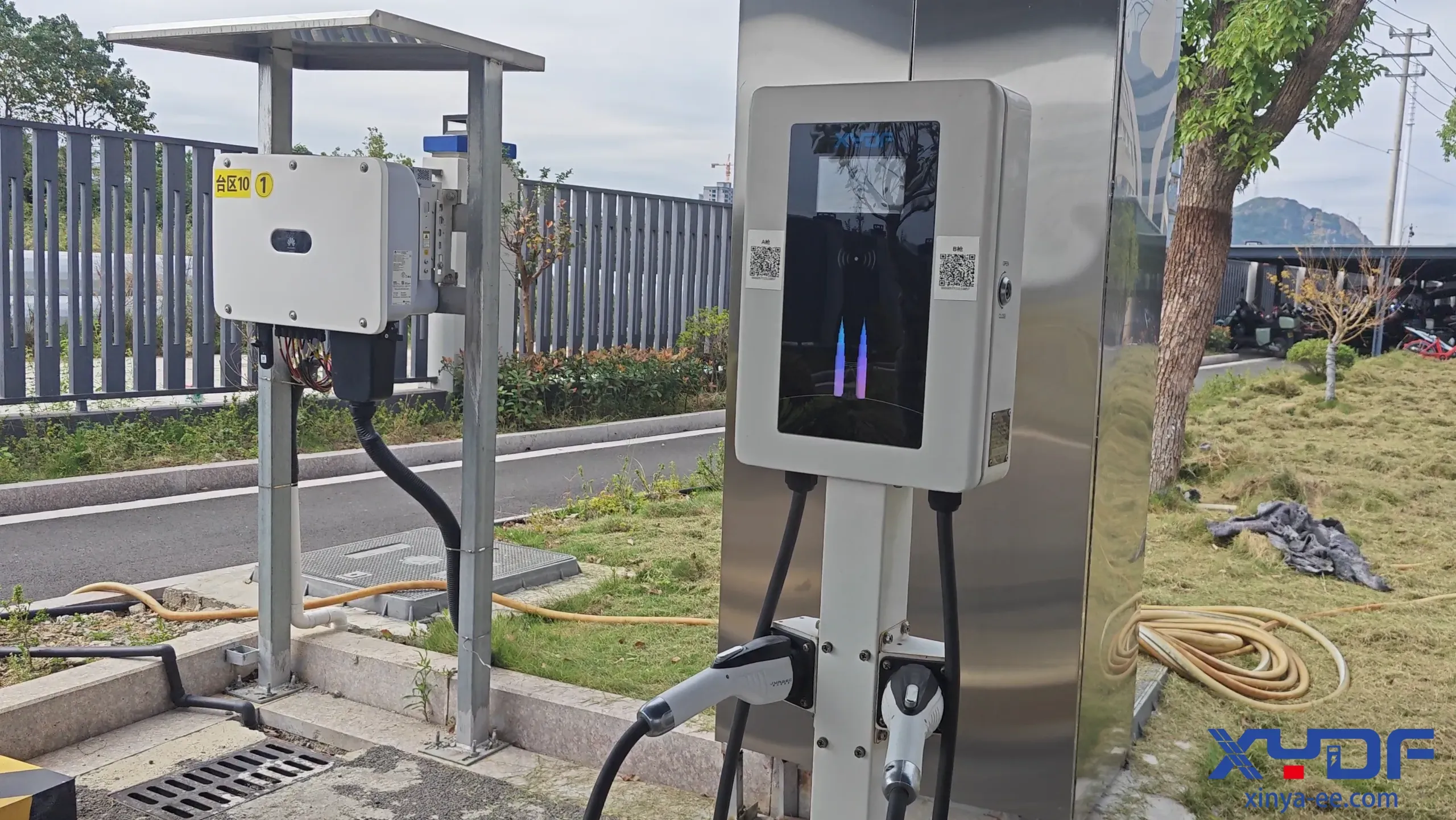
How to Estimate Standby Energy Cost
For price-sensitive procurement, standby power should be converted into annual cost. The calculation is simple:
Annual standby energy cost = standby power in kW × idle hours per year × electricity price per kWh
A charger’s rated kW describes charging capability, not auxiliary demand. For an acceptance test, use installed-input standby measurement with a suitably rated real-power and accumulated-energy meter at the defined AC input to the complete unit. For a split DC system, state whether the reading includes the power cabinet, dispenser, liquid-cooling equipment, payment terminal, networking equipment, and shared site controller. Qualified personnel should plan and perform work on energized equipment.
ال ENERGY STAR AC-output EVSE test method و DC-output EVSE test method measure input power in defined vehicle-interface states and refer to IEC 62301 for low-power measurement. The ENERGY STAR EVSE Version 1.2 specification defines the modes and identifies secondary functions such as networking, displays, access control, and wake-up. Buyers may borrow that discipline for a tender test without claiming ENERGY STAR certification.
Record input voltage, phase arrangement, firmware, network connection, display brightness, payment and RFID status, ambient temperature, vehicle simulator or vehicle state, start time, stabilization time, test duration, average watts, maximum watts, and accumulated watt-hours. If heaters, fans, pumps, cooling controls, or modem retries cycle, measure long enough to capture complete cycles; a spot reading can miss the load that shapes annual energy.
Example:
If one charger draws 10 W in standby mode:
0.01 kW × 8,760 hours × $0.15/kWh = $13.14 per year
That number looks small for one charger. But B2B procurement rarely stops at one charger.
| Number of Chargers |
Standby Power Per Charger |
Electricity Price |
Estimated Annual Standby Cost |
| 1 charger |
10 W |
$0.15/kWh |
$13.14 |
| 10 chargers |
10 W |
$0.15/kWh |
$131.40 |
| 50 chargers |
10 W |
$0.15/kWh |
$657.00 |
| 200 chargers |
10 W |
$0.15/kWh |
$2,628.00 |
This is only a simplified example. A DC fast charging site with display screens, payment terminals, cooling control, and multiple DC power module units may have a different idle profile. The practical procurement lesson is not that standby energy dominates the budget; it is that small assumptions become visible when multiplied across stations, chargers, connectors, and operating years.
كيف تعمل معالجة الطاقة حسب وزن الدولة على تحسين تقدير تكلفة تشغيل الأسطول؟
For identical units, use state-weighted EVSE auxiliary energy: annual auxiliary energy in kWh equals the number of chargers multiplied by the sum of each state’s input power in kW times its annual hours, plus the annual energy of shared auxiliary equipment. Annual auxiliary-energy cost equals that energy multiplied by the applicable tariff.
Treat demand charges separately. A low continuous load adds energy, while coincident peaks from active charging affect a different part of the bill; the commercial EV charging peak-demand guide explains that site-level distinction.
For example, assume 40 chargers each spend 12 hours per day available at 25 W, 8 hours connected but not charging at 40 W, and 4 hours in sleep at 10 W. Assume $0.15/kWh, no active heater or cooling load, and no shared network or site-controller load.
- Per charger per day: (0.025 kW × 12 h) + (0.040 kW × 8 h) + (0.010 kW × 4 h) = 0.66 kWh.
- Fleet per year: 0.66 kWh × 40 × 365 = 9,636 kWh.
- Annual energy cost under these assumptions: 9,636 kWh × $0.15/kWh = $1,445.40.
Replace every assumption with logged site hours and measured input power. Apply the same service life and tariff scenario to every bid, then show auxiliary energy separately from charging losses, software fees, preventive maintenance, spare parts, downtime, and demand charges.
Standby Power and Procurement Impact by Charger Type
| نوع الشاحن |
Typical Power Rating |
Common Idle Loads |
Standards / Protocols |
Procurement Impact |
TCO Consideration |
| Portable electric car chargers |
1.4–3.7 kW |
Indicator light, basic control circuit |
Mode 2, regional plug standards |
Low upfront cost, limited smart control |
Low standby cost, limited commercial suitability |
| Wall-mounted AC EVSE |
٧–٢٢ كيلوواط |
Control board, LED, Wi-Fi or Ethernet, meter |
IEC 61851-1, UL 2594, SAE J1772 |
Suitable for homes, workplaces, apartments |
Check standby wattage and backend compatibility |
| Commercial AC EV charging equipment |
7–22 kW per connector |
RFID, display, meter, OCPP module, load balancing |
IEC 61851, IEC 62196, OCPP 1.6J / 2.0.1 |
Better access control and billing capability |
Evaluate uptime, metering, and network fees |
| شاحن DC سريع |
30–180 kW |
Display, payment, cooling control, power electronics, DC power module |
IEC 61851-23/24, CCS, CHAdeMO, GB/T |
Higher CAPEX, stronger site infrastructure needs |
Idle power is only one part of TCO |
| Ultra-fast charging station |
240–360 kW+ |
Liquid cooling control, advanced power modules, payment, remote monitoring |
ISO 15118, CCS2, OCPP 2.0.1 |
Requires grid planning and thermal design |
TCO depends heavily on utilization and service model |
Idle power should not be evaluated as a single number. Procurement teams should compare standby consumption together with uptime, metering accuracy, remote diagnostics, certification, spare parts availability, and long-term service cost.
What Drives the Cost of Low-Standby EV Charging Equipment?
| Cost Driver |
Why It Affects Price |
Impact on Standby Consumption |
Buyer’s Note |
| AC vs DC architecture |
DC chargers require power conversion hardware |
DC units usually have higher auxiliary loads |
Compare AC EVSE and DC fast chargers separately |
| Smart communication module |
Wi-Fi, 4G, Ethernet, and backend access add hardware |
May increase idle draw |
Necessary for CPO monitoring and billing |
| التوافق مع OCPP |
Protocol support requires software and testing |
Maintains backend communication during idle periods |
Confirm OCPP 1.6J or OCPP 2.0.1 compatibility |
| Metering accuracy |
Revenue-grade metering costs more |
Meter may remain active |
Important for billing and dispute reduction |
| Display and payment terminal |
Adds user interface and transaction hardware |
Can increase standby load |
Essential for public charging sites |
| نظام التبريد |
Fans or liquid cooling add complexity |
Control circuits may remain active |
Critical for DC and ultra-fast systems |
| DC power module quality |
Higher-quality modules improve reliability |
May affect auxiliary control design |
Do not judge only by module price |
| Certification: UL / CE / CCC |
Testing and compliance add cost |
Not mainly a standby issue |
Required for market access and inspections |
| Enclosure IP rating |
Outdoor-rated cabinets cost more |
Minimal direct effect |
IP54/IP55/IP65 selection depends on site exposure |
| After-sales and spare parts |
Service network adds lifecycle value |
Reduces downtime cost |
TCO depends on support quality, not only CAPEX |
Low-cost EV supply equipment does not always produce low total cost. A charger with stable OCPP communication, accurate metering, reliable thermal design, and well-supported spare parts may cost more upfront, but it can reduce downtime risk. For CPOs, idle power is only one part of TCO; availability, utilization rate, service cost, and billing reliability often matter more.
Standards and Compliance: Why They Matter for Standby and Procurement
Standards do not exist to decorate a datasheet. They define safety, interoperability, communication, and market acceptance. For global procurement teams, they reduce project risk across regions.
Key standards and protocols include:
- IEC 61851-1 — General requirements for conductive EV charging systems
- IEC 61851-23 — متطلبات محطات شحن السيارات الكهربائية بقوة تيار مستمر
- IEC 61851-24 — Digital communication between DC charger and EV
- IEC 62196 — Plugs, socket-outlets, connectors, and vehicle inlets
- ISO 15118 — Vehicle-to-grid communication and Plug & Charge
- SAE J1772 — North American conductive charging interface
- UL 2594 — EV supply equipment safety standard
- UL 2202 — DC charging equipment safety standard
- GB/T 20234 — Chinese EV conductive charging connection standard
- OCPP 1.6J / OCPP 2.0.1 — Charger-to-backend communication protocols
- CE / CCC — Market access and compliance markings, depending on target region and configuration
Non-compliance can create commercial consequences:
- Inspection failure
- Grid connection delay
- Payment or billing disputes
- Warranty complications
- Safety risk
- Insurance concern
- Public charging downtime
- CPO reputation damage
Procurement teams should verify documentation before purchase. Compliance wording also matters: UL, CE, CCC, IEC, or ISO-related claims should be confirmed by model, configuration, and destination market rather than assumed across all products.
Selection Guide: How B2B Buyers Should Avoid Costly Mistakes
For EPC contractors, fleet managers, CPOs, and electrical distributors, we recommend a structured purchasing checklist.
1. Ask for standby power data, not only rated charging power
Rated output — such as 22 kW AC or 120 kW DC — tells only part of the story. Buyers should request standby wattage, no-load consumption, and smart-function configuration.
2. Evaluate AC EVSE and DC fast chargers separately
AC EVSE and DC chargers have different architectures. A small wall-mounted charger and a 180 kW DC charging station should not be compared using the same idle power expectation.
3. Check OCPP compatibility and backend integration
For smart EV chargers, backend integration may be more important than the lowest idle wattage. Confirm whether the system supports OCPP 1.6J, OCPP 2.0.1, remote monitoring, load balancing, and future platform integration.
4. Review metering, display, RFID, and payment modules
Each module can add value and idle load. Public chargers need user authentication and billing; private fleet depots may not require the same interface complexity.
5. Compare TCO, not only purchase price
A lower-cost charger with weak service support, poor thermal design, or unreliable communication can become more expensive over time. Procurement teams should evaluate standby energy cost together with uptime, spare parts, software compatibility, and warranty terms.
6. Reserve upgrade capacity for higher-power vehicles
As 800V EV platforms and higher-power commercial vehicles become more common, charging sites should consider future power expansion, cable cooling, transformer capacity, and software scalability.
ما الذي يجب أن يتضمنه تقرير استمرار التشغيل مع الطاقة الاحتياطية؟
اطرح على المزايدين طلبًا بمصفوفة بيانات الحالة، ومعدات الاختبار، وبيانات السلسلة الزمنية الخام أو البيانات الفاصلة بدلاً من واحد من القيم القصوى غير الموضحة. يجب أن يحدد التقرير الوحدة والتكوين؛ ونقطة القياس والإكسسوارات المضمنة؛ والأداة المداربة ومجموعة الدقة؛ وحالة واجهة المركبة؛ والاتصالات المتوفرة؛ واستقرار التشغيل ودقة القياس؛ والطاقة المتوسطة والأقصى والمجمعة؛ ومعدل دوران الحرارة أو التبريد؛ وأداء الاستيقاظ.
IEC 62301:2011 is a general standby-power measurement standard for household and office equipment, not an EVSE product certification, but the ENERGY STAR EVSE methods reference its measurement framework; see the official IEC 62301 publication page. The proposed site protocol adapts public test-method concepts for tender comparison and does not replace accredited-laboratory testing where certification or regulation requires it.
For commercial buyers comparing an شاحن تيار متردد with a networked DC system, request model- and configuration-specific evidence. Share the required states, ambient conditions, and included accessories when you contact XYDF about a project, so every supplier response can be evaluated on the same basis.
XYDF manufactures AC EVSE, DC fast chargers, and integrated EV charging equipment for commercial and infrastructure projects, with product configurations designed around IEC-based engineering practices, OCPP communication, and international project requirements. Certification availability should be verified by model and target market before procurement.
For buyers comparing AC and DC configurations, XYDF’s commercial EV supply equipment product range can be reviewed here: معدات شحن السيارات الكهربائية.
أسئلة شائعة
ما هي الأنواع الثلاثة لنظام شحن السيارات الكهربائية؟
The three common types of EV charging systems are Level 1 charging, Level 2 charging, and DC fast charging.
- Level 1 charging usually uses a standard household outlet and is mainly suitable for slow residential charging.
- Level 2 charging uses higher AC power, commonly 7 kW to 22 kW in many markets, and is widely used for homes, workplaces, hotels, apartments, and commercial parking areas.
- DC fast charging converts AC grid power into DC power inside the charger and delivers it directly to the vehicle battery. It is commonly used for public charging stations, highway charging hubs, fleet depots, and commercial charging networks.
For B2B projects, the right system depends on parking duration, grid capacity, vehicle type, utilization target, and total cost of ownership.
What is EV supply equipment?
EV supply equipment, often shortened to EVSE, refers to the equipment that safely supplies electrical energy to an electric vehicle. In AC charging, the EVSE does not usually charge the battery directly; instead, it controls and delivers AC power to the vehicle’s onboard charger.
EV supply equipment may include:
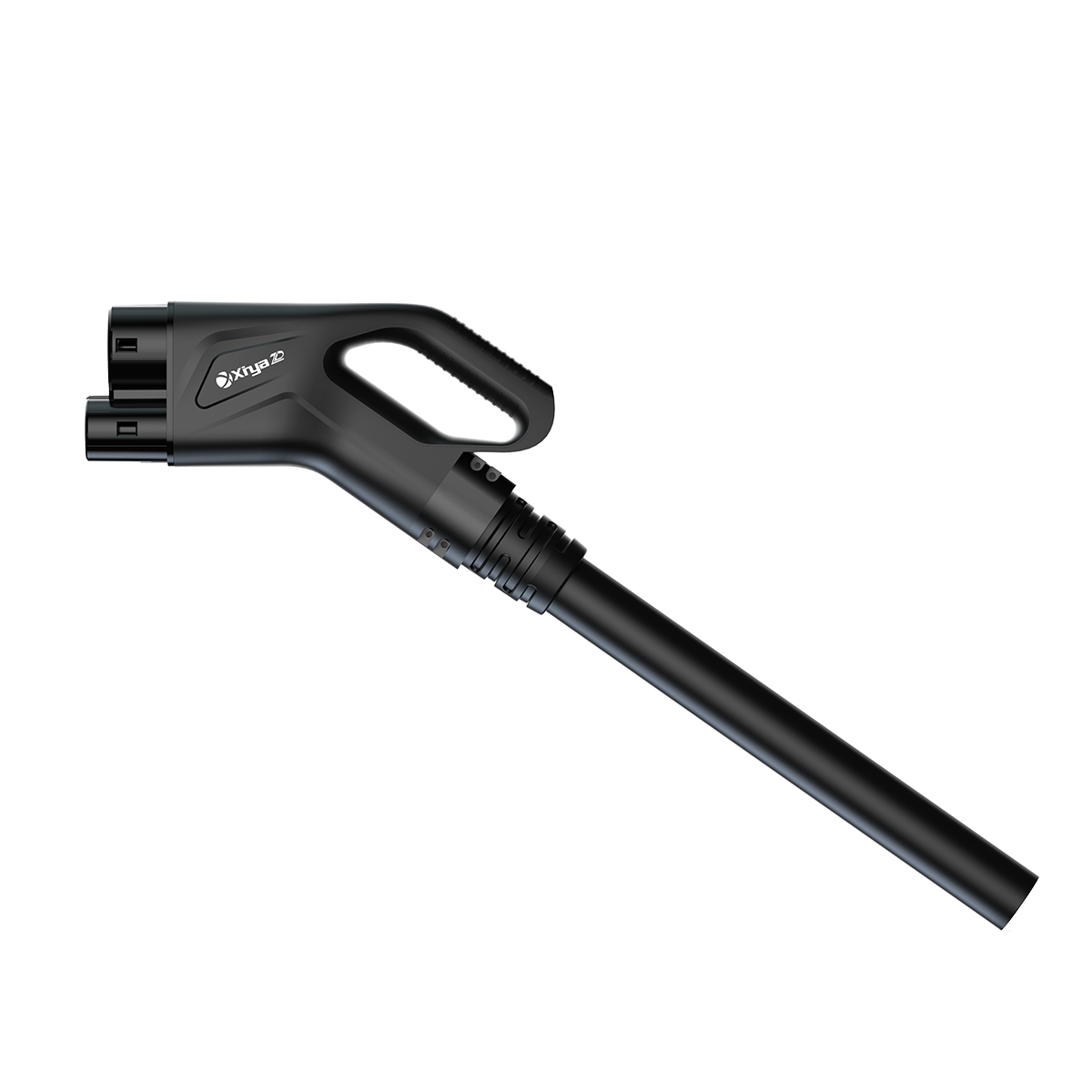
- Charging cable and connector
- Control board
- Safety protection circuits
- Communication module
- Energy meter
- قارئ RFID
- Display screen
- Load balancing function
- Network connection for smart EV chargers
In commercial projects, EVSE is more than a power outlet. It is part of the charging infrastructure that manages safety, communication, access control, metering, and operational availability.
What is the cost of an EV charger?
The cost of an EV charger depends on charger type, power rating, connector configuration, communication functions, certification requirements, installation environment, and service support.
As a general procurement framework:
| نوع الشاحن |
تطبيق نموذجي |
Cost Factors |
| Portable electric car chargers |
Residential or emergency charging |
Basic cable, plug type, current rating |
| محولات شحن السيارات الكهربائية |
Homes, workplaces, apartments, commercial parking |
7 kW / 11 kW / 22 kW rating, RFID, OCPP, metering, enclosure |
| شاحن DC سريع |
Public stations, fleets, highways |
Power modules, cooling, display, payment, CCS/CHAdeMO/GB/T connector |
| Ultra-fast charger |
High-utilization charging hubs |
High-power cabinet, liquid cooling, grid connection, backend integration |
For B2B buyers, purchase price should not be evaluated alone. The better metric is total cost of ownership, including standby power, installation, grid upgrade, software platform, maintenance, spare parts, uptime, and long-term serviceability.
Is it worth getting a smart EV charger?
Yes, a smart EV charger is often worth it for commercial, fleet, workplace, and public charging applications. Although smart EV chargers may consume slightly more standby power than basic chargers, they usually provide higher operational value.
Smart EV chargers can support:
- OCPP backend communication
- المراقبة عن بعد
- Scheduled charging
- Load balancing
- إدارة الحمولة الديناميكية
- RFID or app authentication
- Energy metering
- Fault diagnostics
- Firmware updates
- Usage reporting
For home users with simple charging needs, a basic charger may be enough. For CPOs, fleet managers, commercial property owners, and electrical distributors, smart functionality is usually important because it supports billing, uptime management, energy optimization, and long-term scalability.
What is the difference between an EVSE and an EVCS?
EVSE means Electric Vehicle Supply Equipment. It usually refers to the charging hardware that safely supplies power to an electric vehicle, including the charger unit, control system, connector, cable, and safety protection.
EVCS means Electric Vehicle Charging Station. It usually refers to the complete charging site or charging point, which may include one or more EVSE units, parking spaces, electrical distribution, network connection, payment system, signage, canopy, and site management system.
ببساطة:
| المسمى الوظيفي |
التعني |
Typical Scope |
| شاحن مركبة كهربائية |
Electric Vehicle Supply Equipment |
The charger hardware and power-supply equipment |
| EVCS |
Electric Vehicle Charging Station |
The complete charging station or site infrastructure |
For example, a parking lot may have one EVCS with multiple AC EVSE units and several DC fast chargers.
How does a DC power system work?
A DC power system in an EV fast charger converts AC grid power into controlled DC output for the vehicle battery. Unlike AC EVSE, where the vehicle’s onboard charger performs AC-to-DC conversion, a DC fast charger performs this conversion inside the charging equipment.
A simplified DC charging process includes:
- AC input from the grid enters the charger cabinet.
- Rectifier and power electronics convert AC into DC.
- One or more DC power module units regulate voltage and current.
- The charger communicates with the vehicle through CCS, CHAdeMO, GB/T, or other supported protocols.
- The battery management system requests suitable voltage and current.
- The charger delivers controlled DC power directly to the battery.
- Safety systems monitor temperature, insulation, current, voltage, and fault conditions.
Modern DC fast chargers may support 400V and 800V vehicle platforms, with power ratings such as 60 kW, 120 kW, 180 kW, 240 kW, or higher. The quality of the DC power module, cooling system, and communication control directly affects charging reliability and long-term maintenance cost.
Will EV charger start automatically when power comes?
It depends on the charger model, configuration, safety logic, and backend settings. Many EV chargers can recover automatically after power is restored, but they may not always start charging immediately without checking safety conditions first.
After power returns, the charger may need to:
- Reboot the control board
- Reconnect to the backend platform
- Restore OCPP communication
- Check grounding and leakage protection
- Verify connector status
- Confirm vehicle connection
- Re-authenticate the user if required
- Resume or restart the charging session based on configuration
For public or commercial EV charging equipment, automatic restart behavior should be confirmed before procurement. CPOs and fleet operators should ask suppliers whether the charger supports power-failure recovery, session resume, remote restart, and backend-controlled charging logic.
For mission-critical sites, we recommend testing this function during commissioning rather than assuming all electric car chargers behave the same after a power interruption.
كيف ينبغي لموقع الطاقة المتجددة التحقق من استراتيجية الطاقة الشمسية أو التخزين أو إدارة الحمل؟
تحقق من صحة الاستراتيجية باستخدام بيانات زمنية تتضمن بيانات عن طاقة المركبة، والإنتاج من الطاقة الشمسية، وحالة التخزين، وعبء المبنى، وفترات التعريفة، ومتطلبات المغادرة. قم باختبار حالات انخفاض إنتاج الطاقة الشمسية، وانخفاض استهلاك الشبكة الكهربائية، وفقدان الاتصالات، والتأخر في مغادرة المركبة، ثم سجل ما إذا كان وحدة التحكم يحافظ على الطاقة المطلوبة للمركبة قبل تحويل الحمل المرن. لا يشكل لقطة شاشة لوحة المعلومات عرضًا لأداء النظام.
المراجع
ENERGY STAR Program Requirements for EVSE, Version 1.2
ENERGY STAR Test Method for AC-Output EVSE
ENERGY STAR Test Method for DC-Output EVSE
IEC 62301:2011 — Measurement of Standby Power
IEC 61851 Electric Vehicle Conductive Charging System
ISO 15118 Road Vehicles — Vehicle to Grid Communication Interface
International Energy Agency — Global EV Outlook 2024
UL Solutions — EV Charging Standards
In EV charging infrastructure, the smallest loads are rarely the biggest problem — but ignored assumptions become expensive when multiplied across sites, chargers, and years of operation. Standby power should not be treated as a frightening hidden cost, nor should it be ignored. It should be measured, compared, and placed inside a full TCO framework that includes uptime, certification, communication, metering, maintenance, and future scalability.
اكس واي دي اف builds charging stations for that moment: when procurement teams need reliable scalable EV charging equipment designed for long-term operation. Explore XYDF’s product range here.
 شركة شينيا دونغفانغ لتكنولوجيا الكهرباء المحدودة.