O tempo de carregamento é um fator importante que influencia as decisões de compra dos clientes em relação aos veículos elétricos. Vamos explicar isso a partir dos seguintes aspectos. (Para uma referência rápida, você pode ir direto para o artigo). Tabela de comparação de tempo de carregamento.)
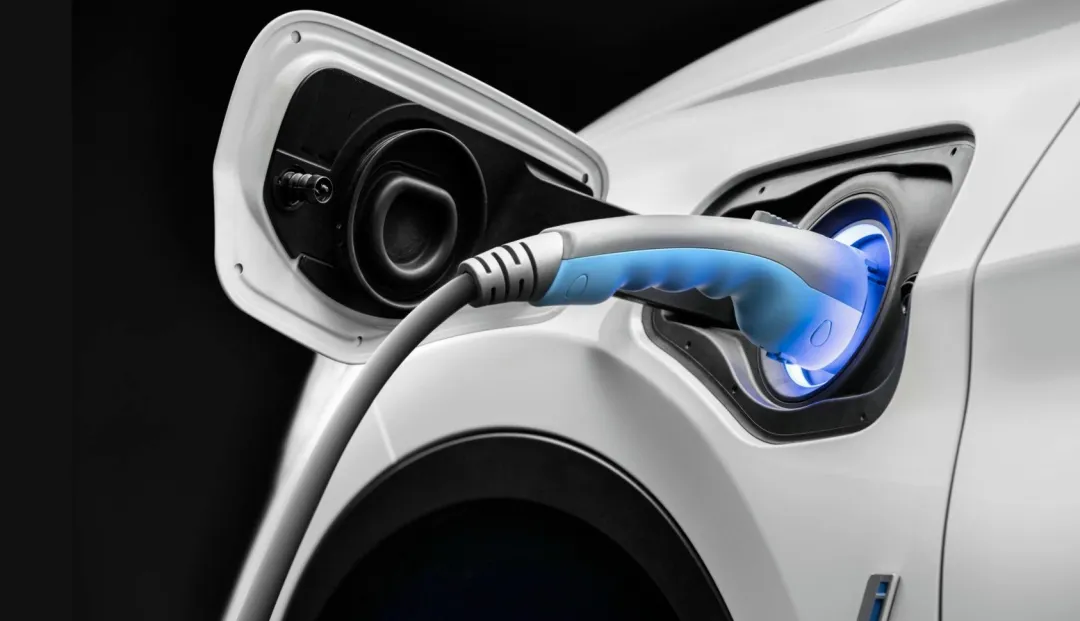
Um veículo elétrico está sendo carregado.
Vamos analisar a fórmula básica para calcular o tempo de carregamento:

As shown in the formula above, charging time is mainly determined by two factors:
Os diferentes veículos elétricos têm capacidades de bateria e velocidades máximas de carregamento significativamente diferentes.
As baterias geralmente têm entre 50 kWh e 100 kWh para veículos elétricos de passageiros.
Por exemplo, o Tesla Model Y possui uma bateria com capacidade que varia entre 75 e 78 kWh e suporta carregamento rápido DC de até 250 kW.
Os caminhões pesados possuem baterias muito maiores, até 300 kWh ou até 600 kWh, com velocidades máximas de carregamento mais altas para atender às suas necessidades de reposição de energia.
EV chargers are mainly divided into AC chargers and DC fast chargers, with power ranging from 3.5 kW to 600 kW. The higher the power, the faster the charging speed. For the same electric vehicle, charging time can differ by dozens of times between a 3.5 kW charger and a 240 kW charger.
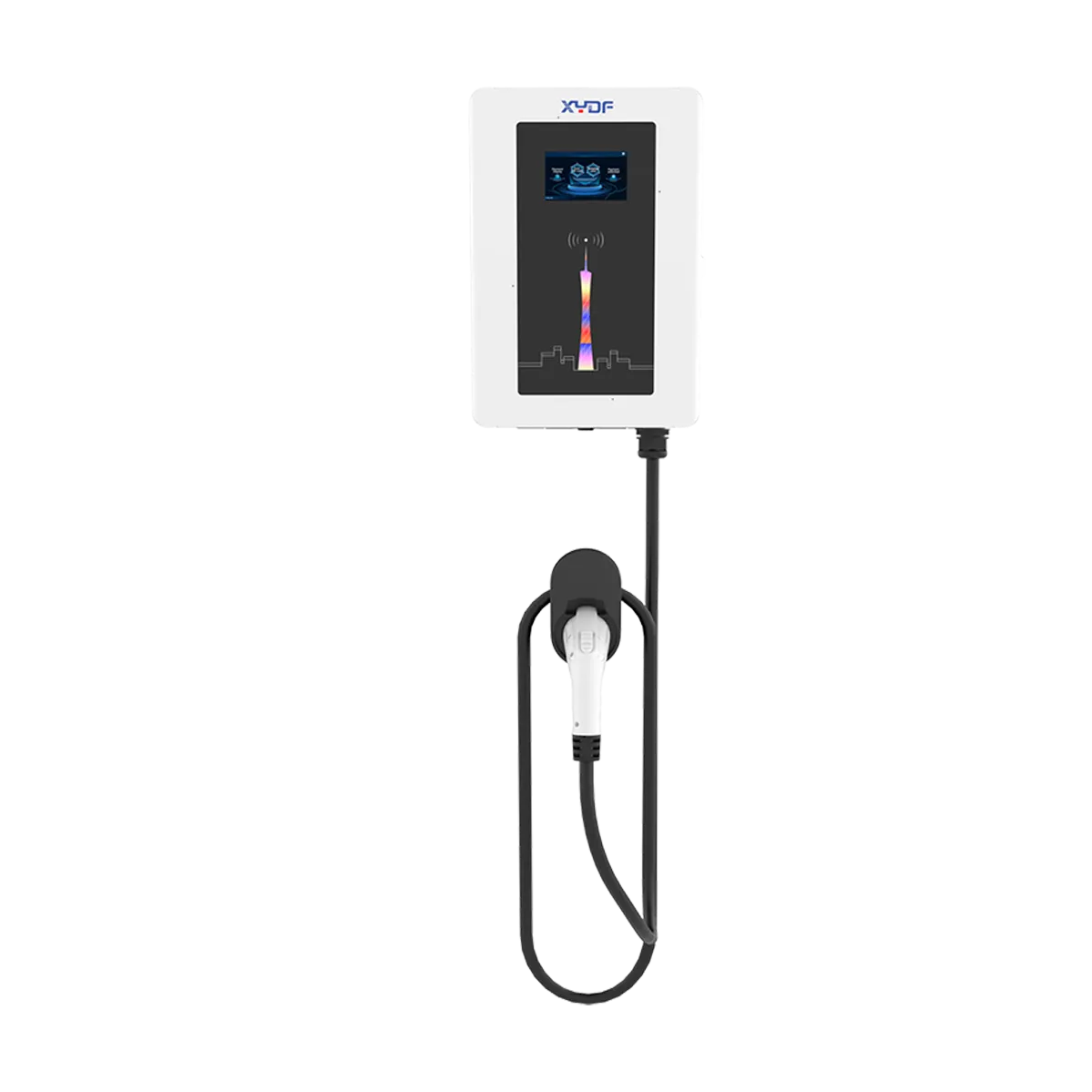
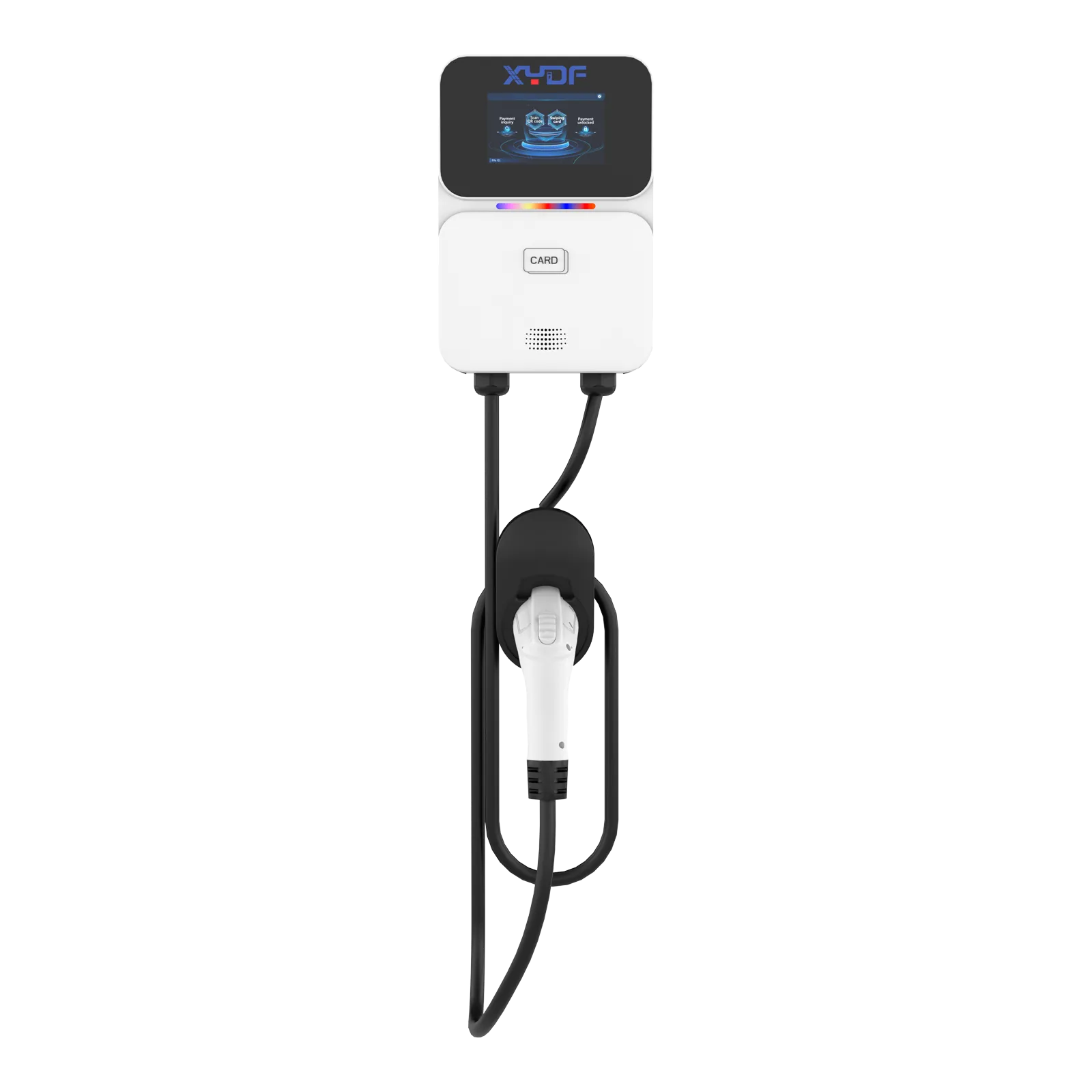
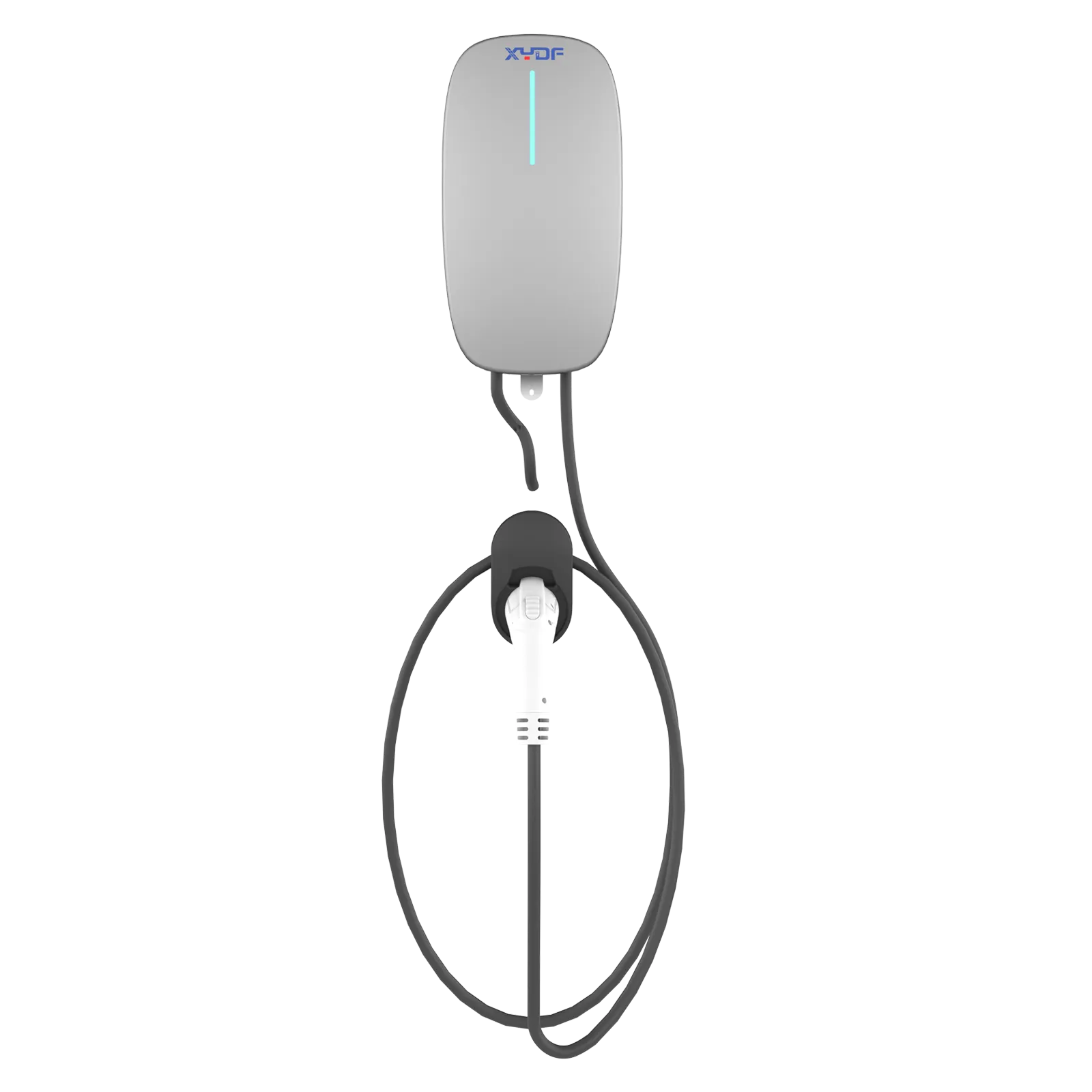
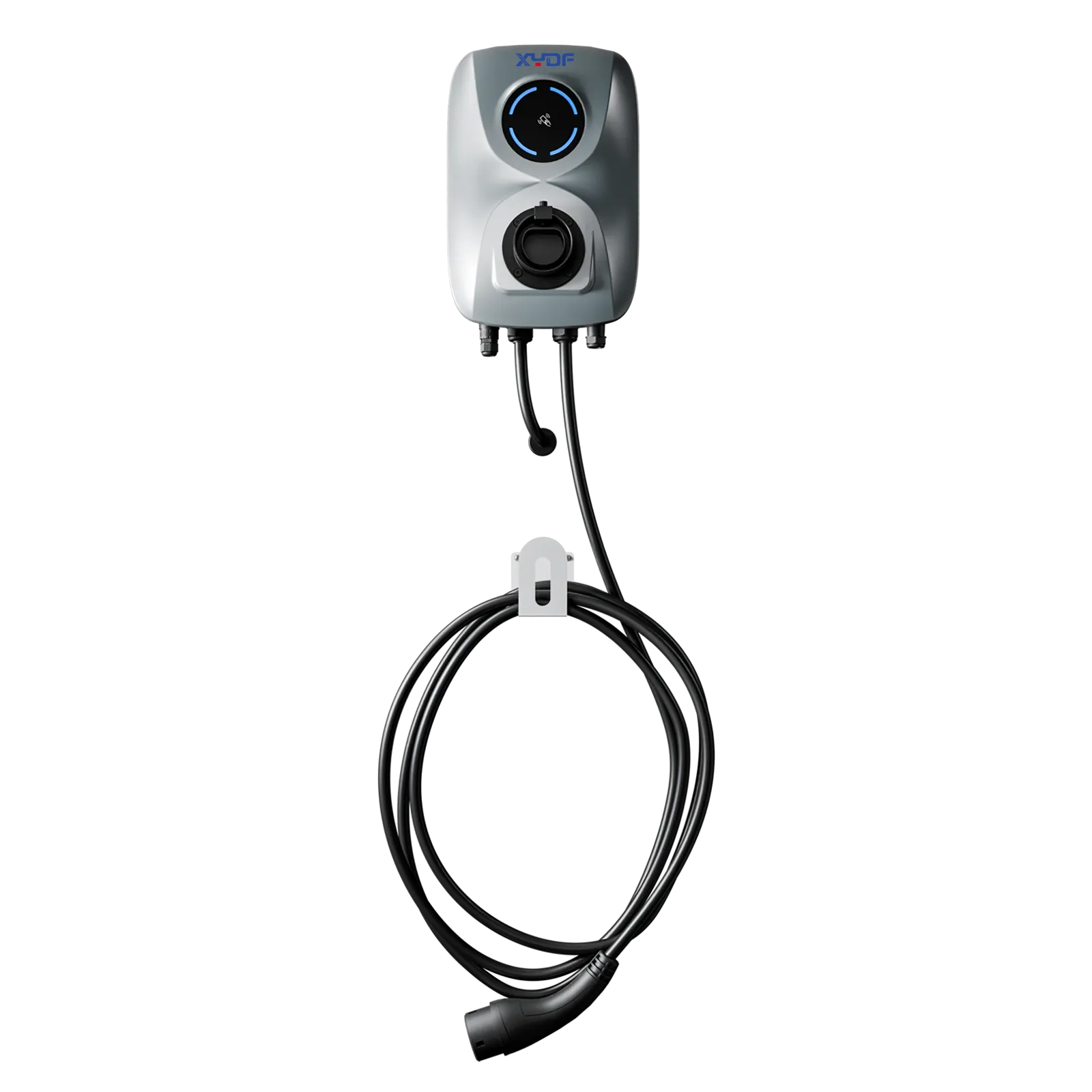
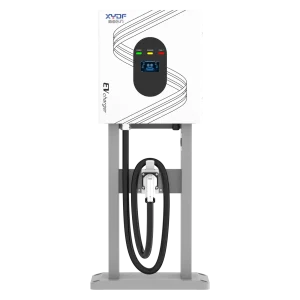
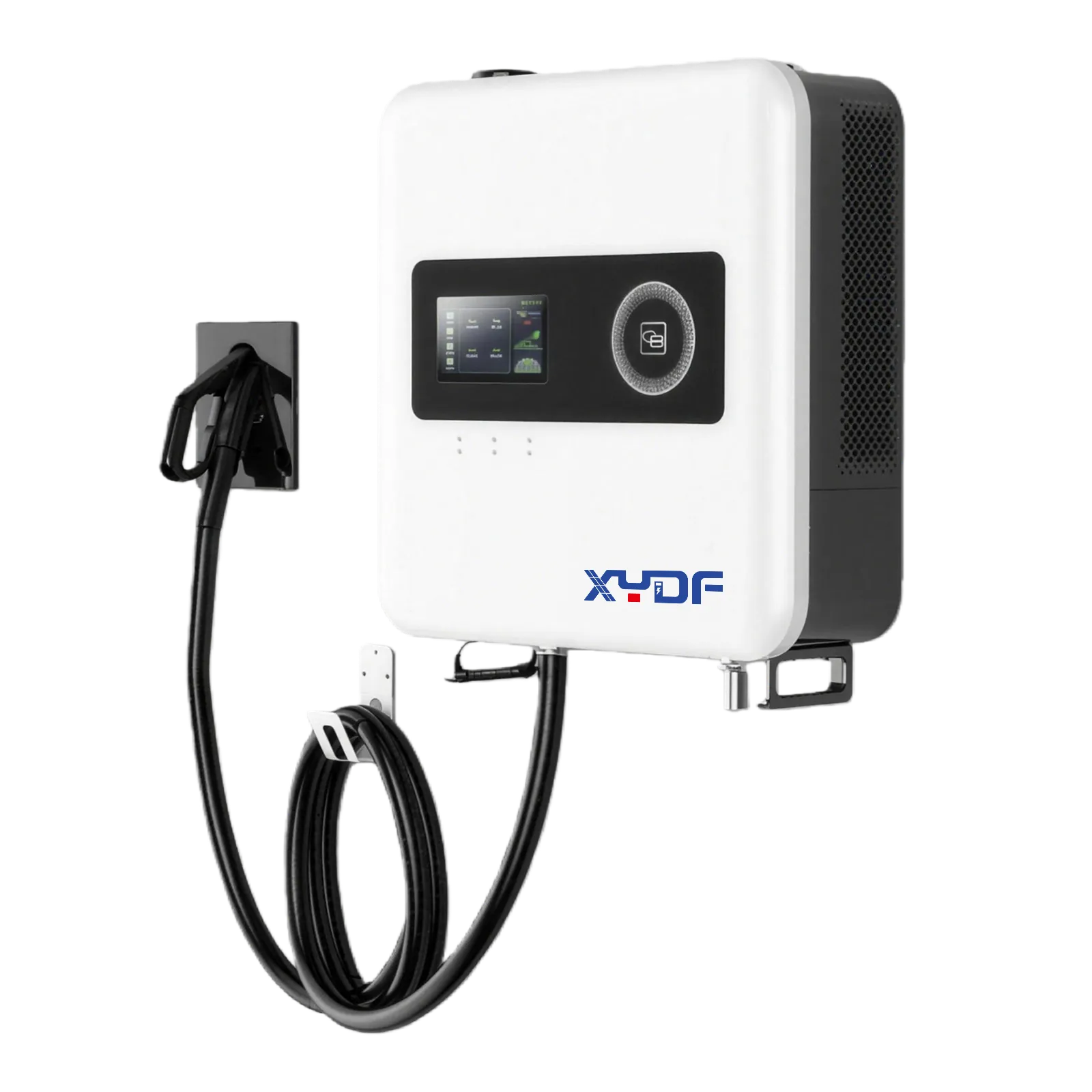
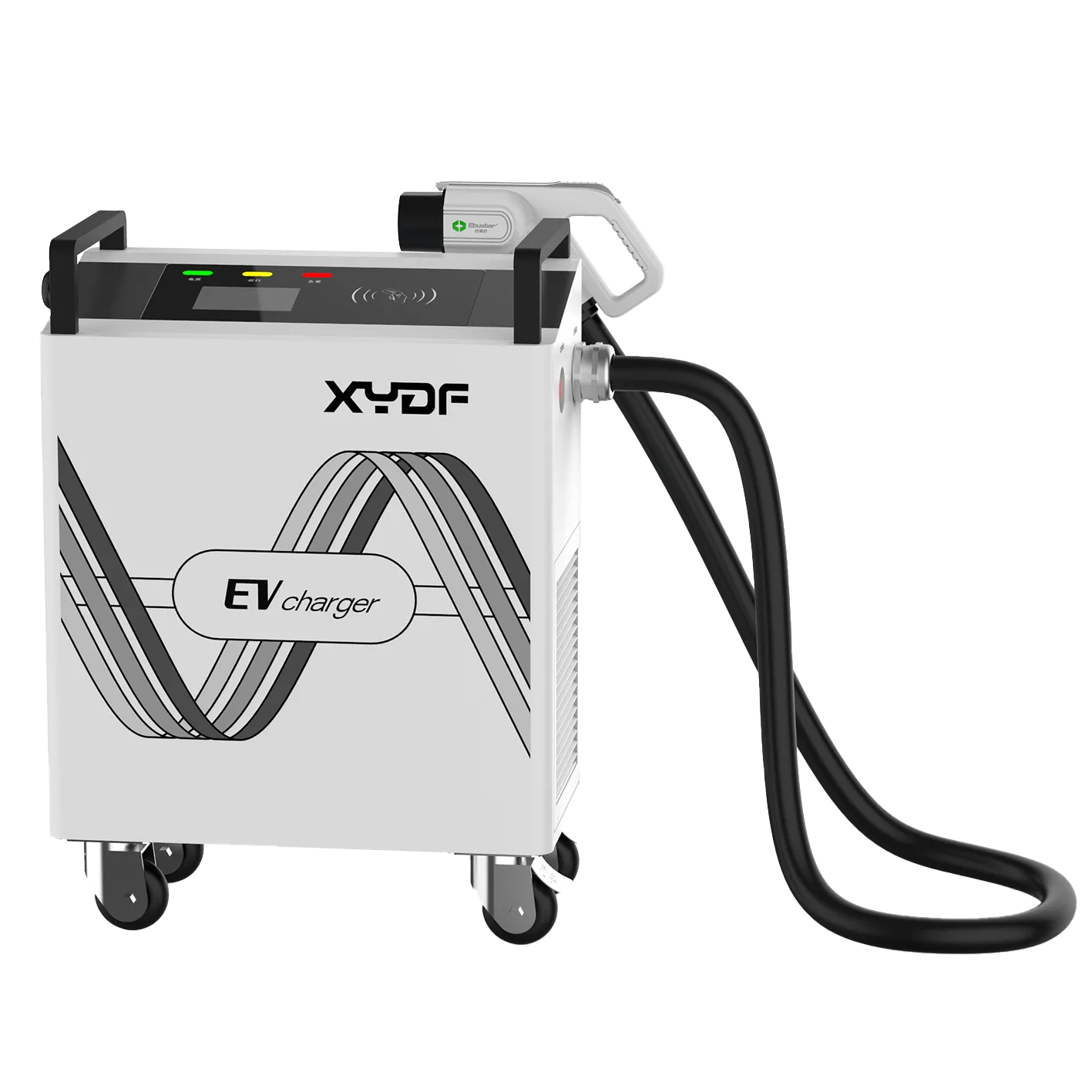
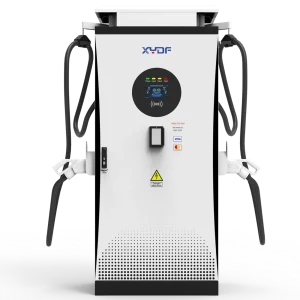
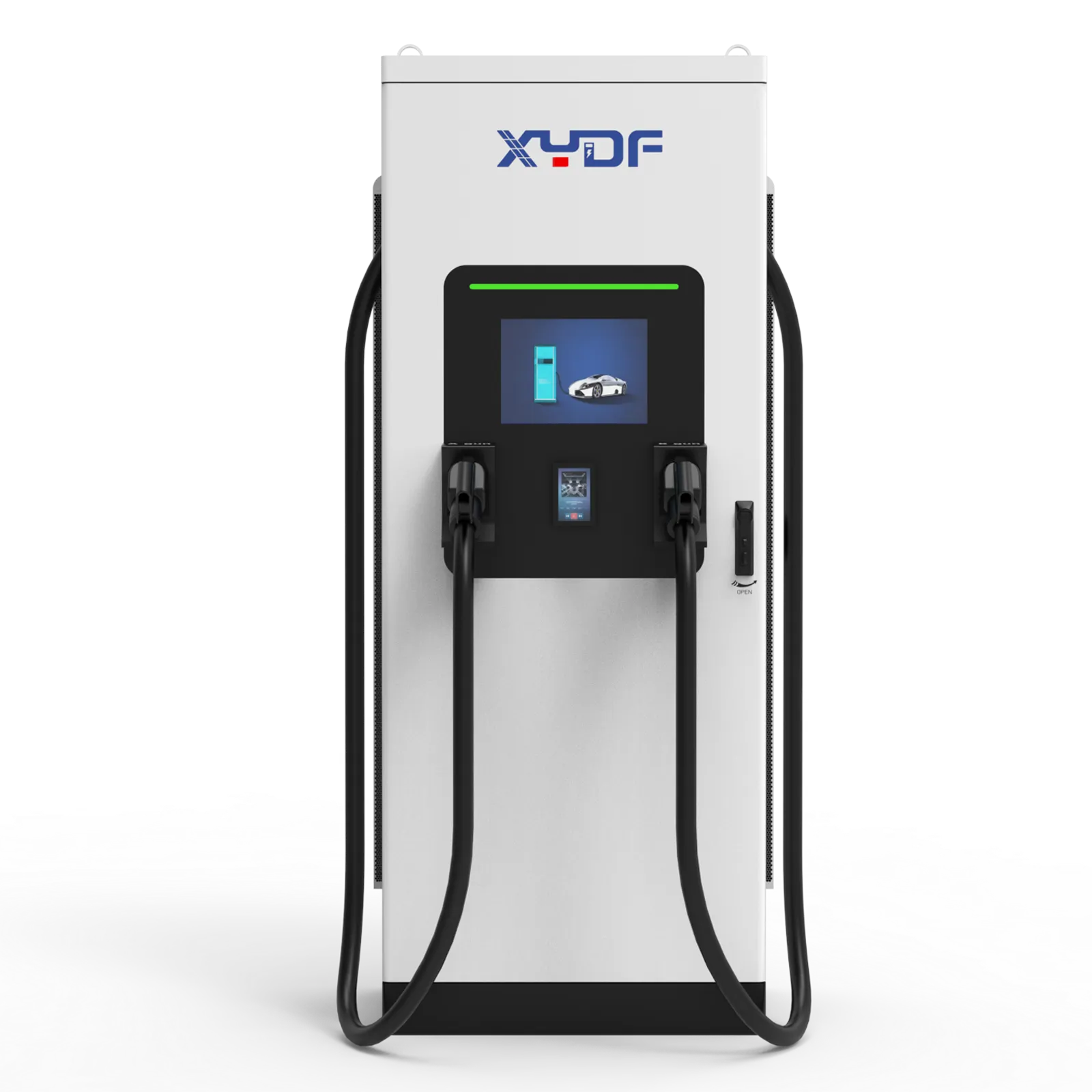
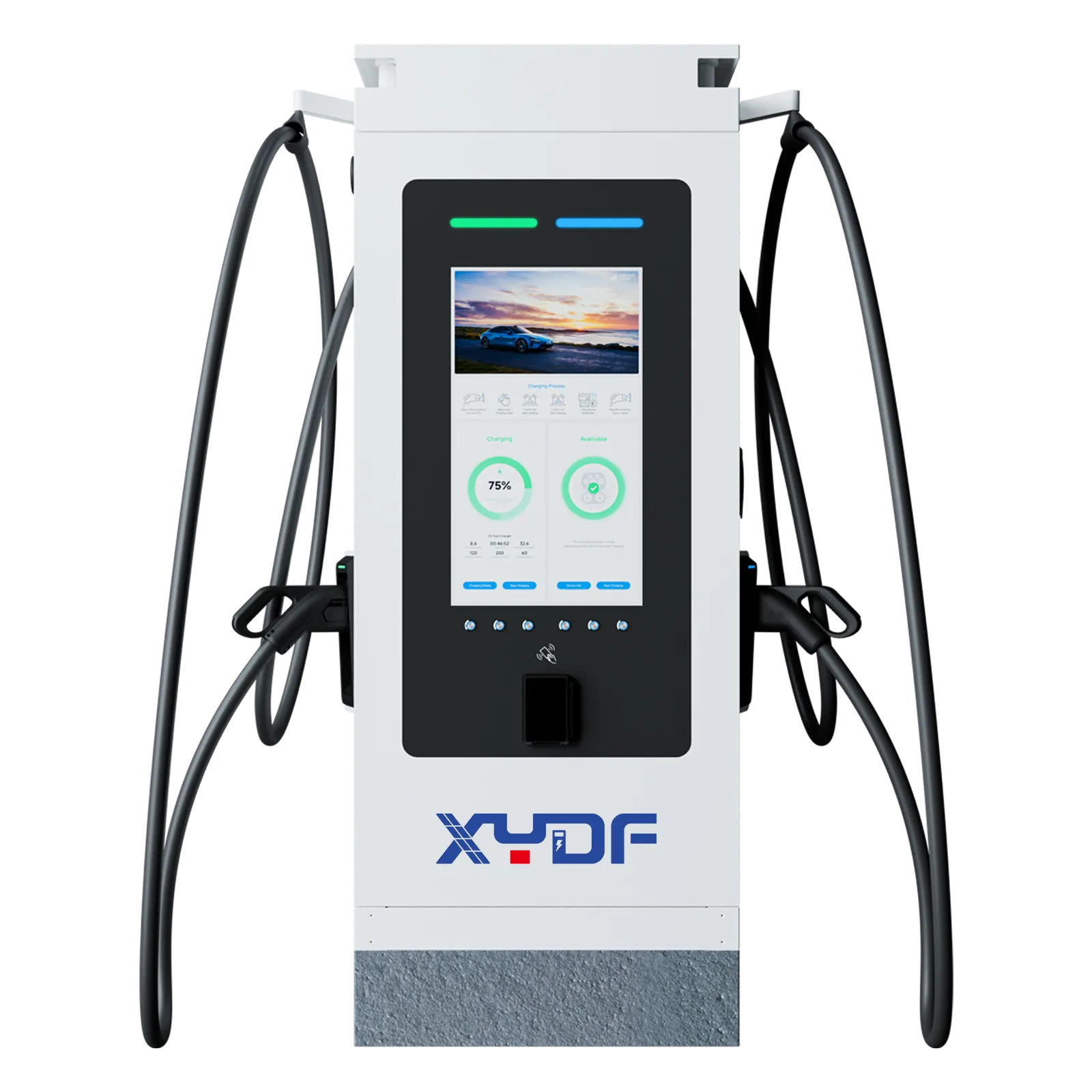
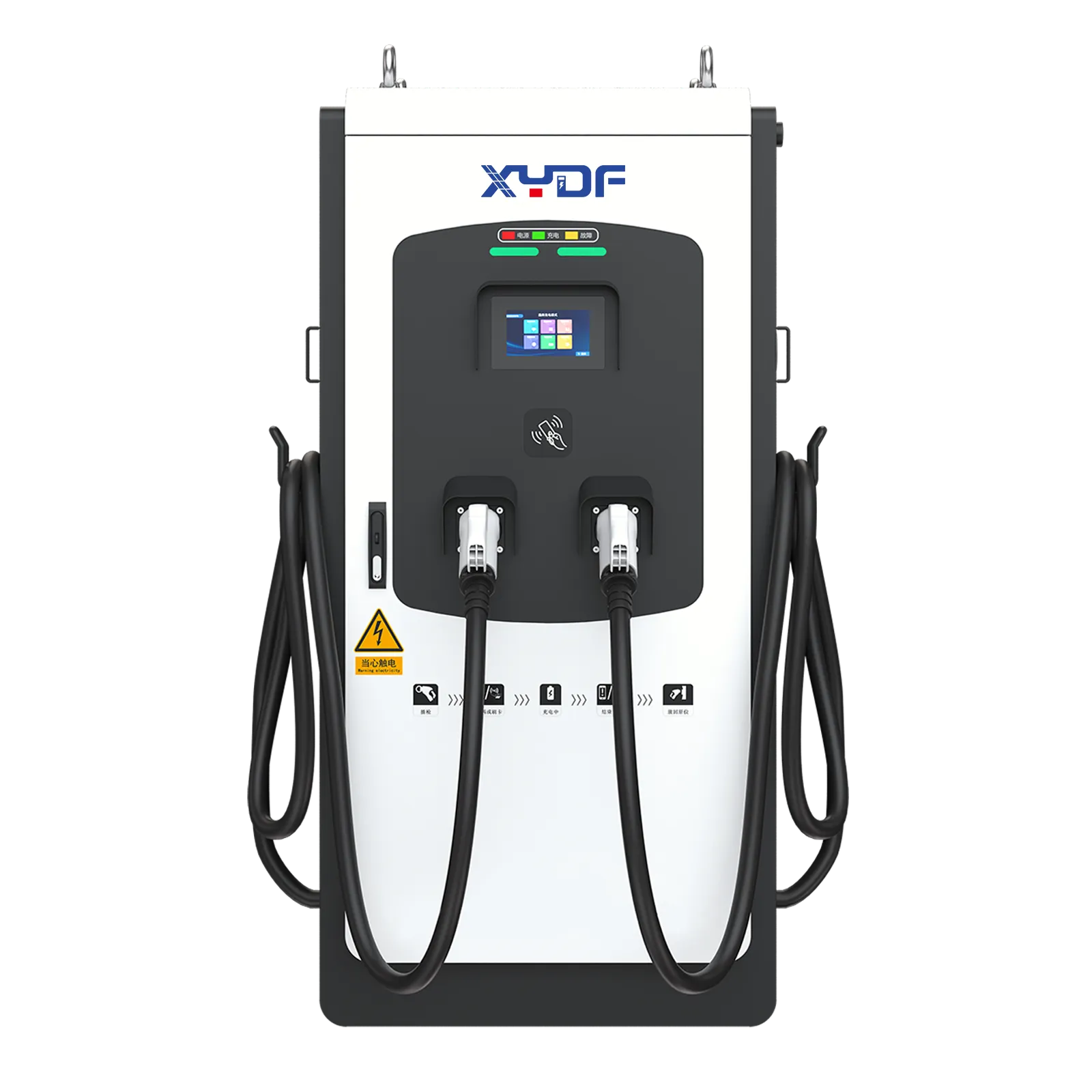
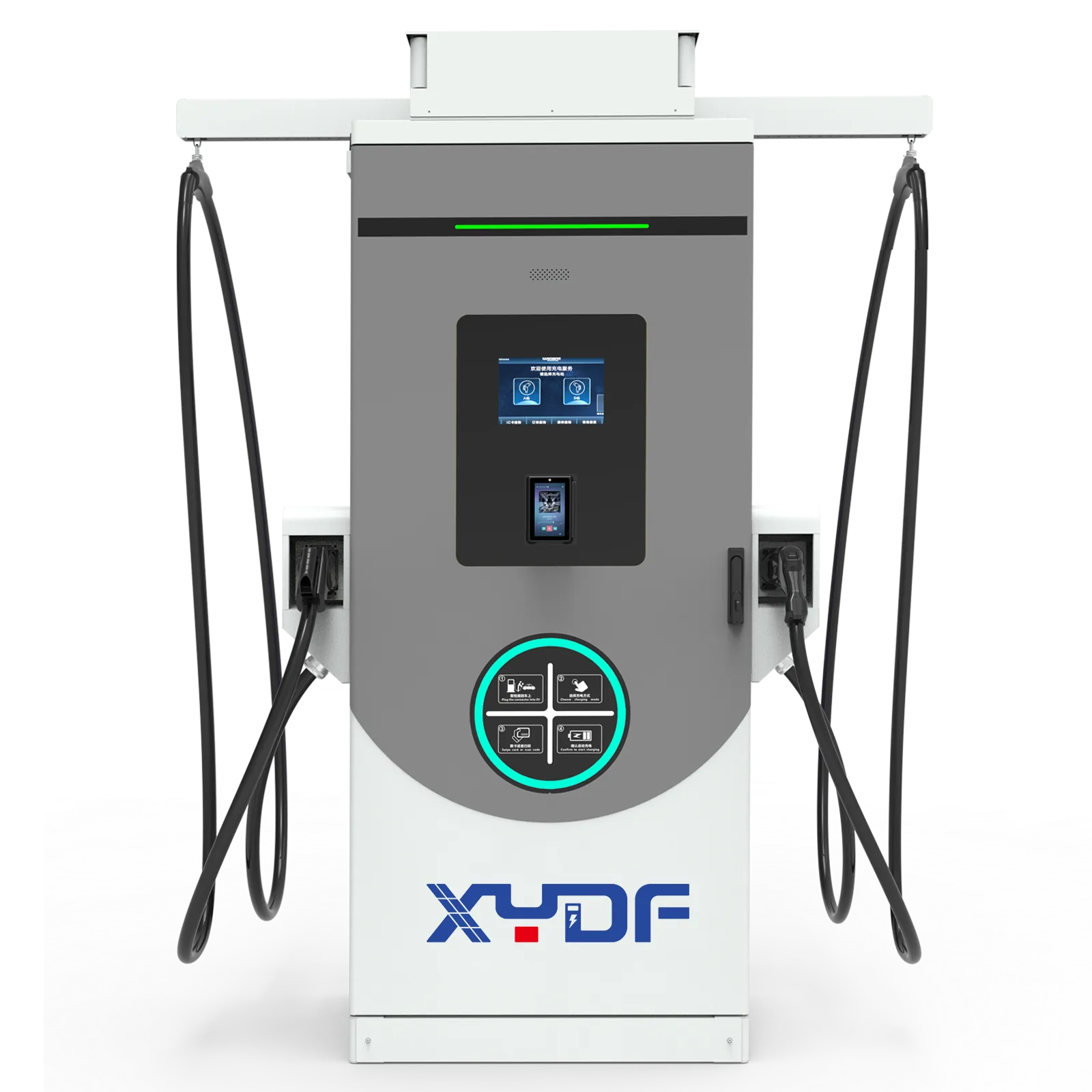
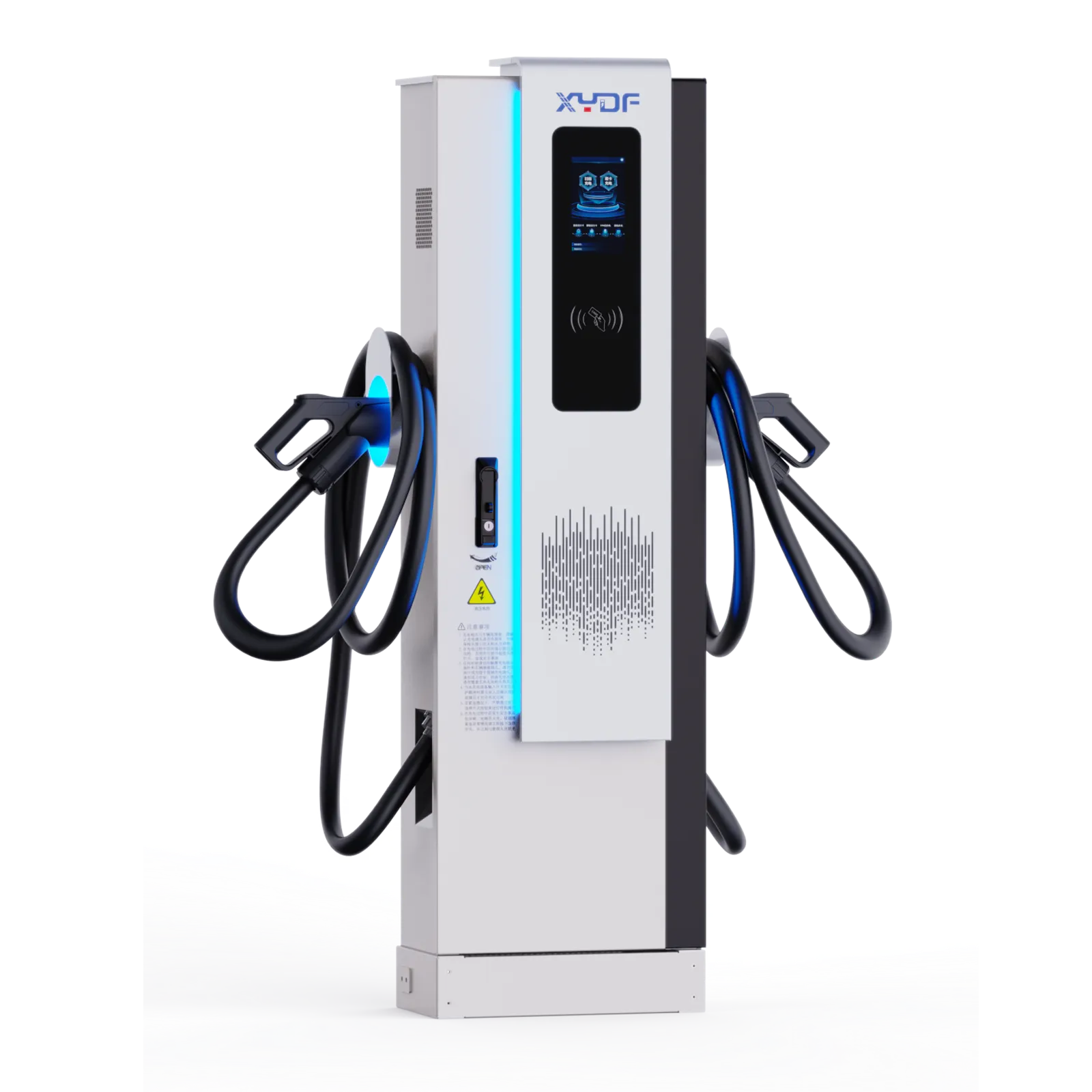
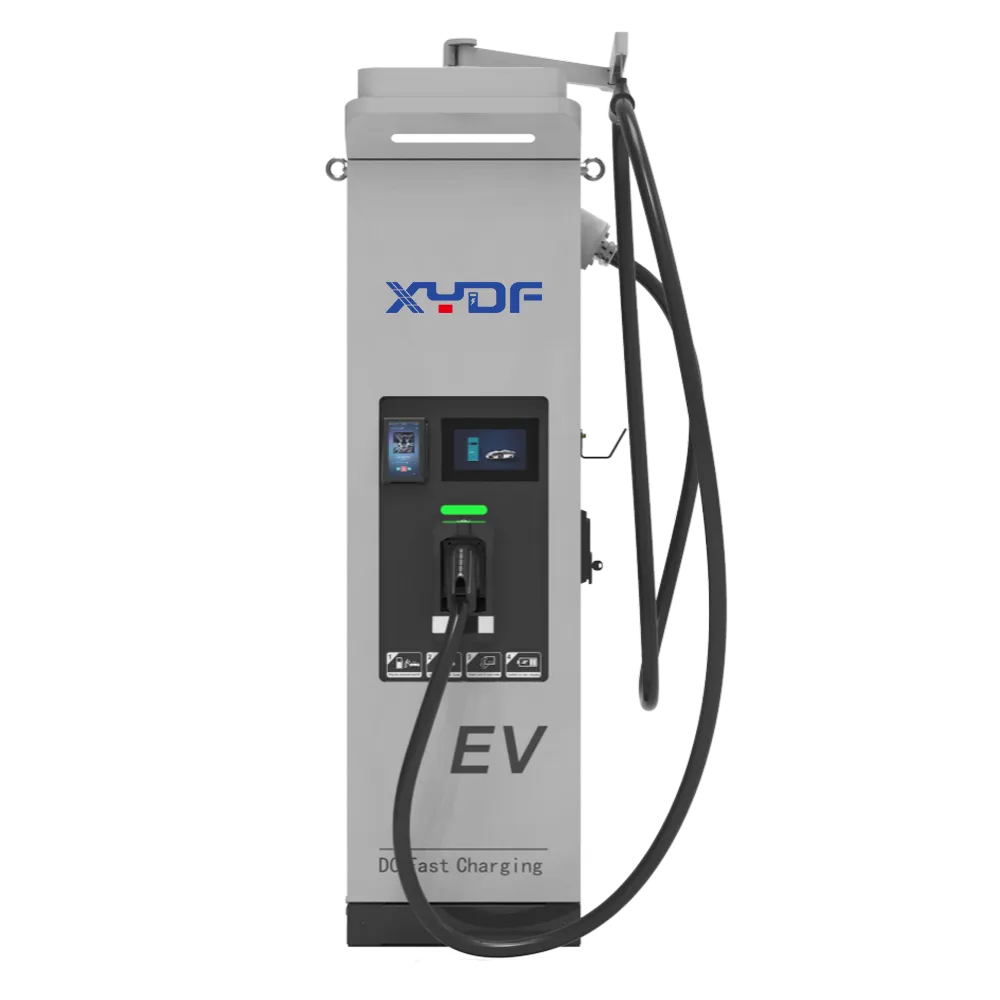
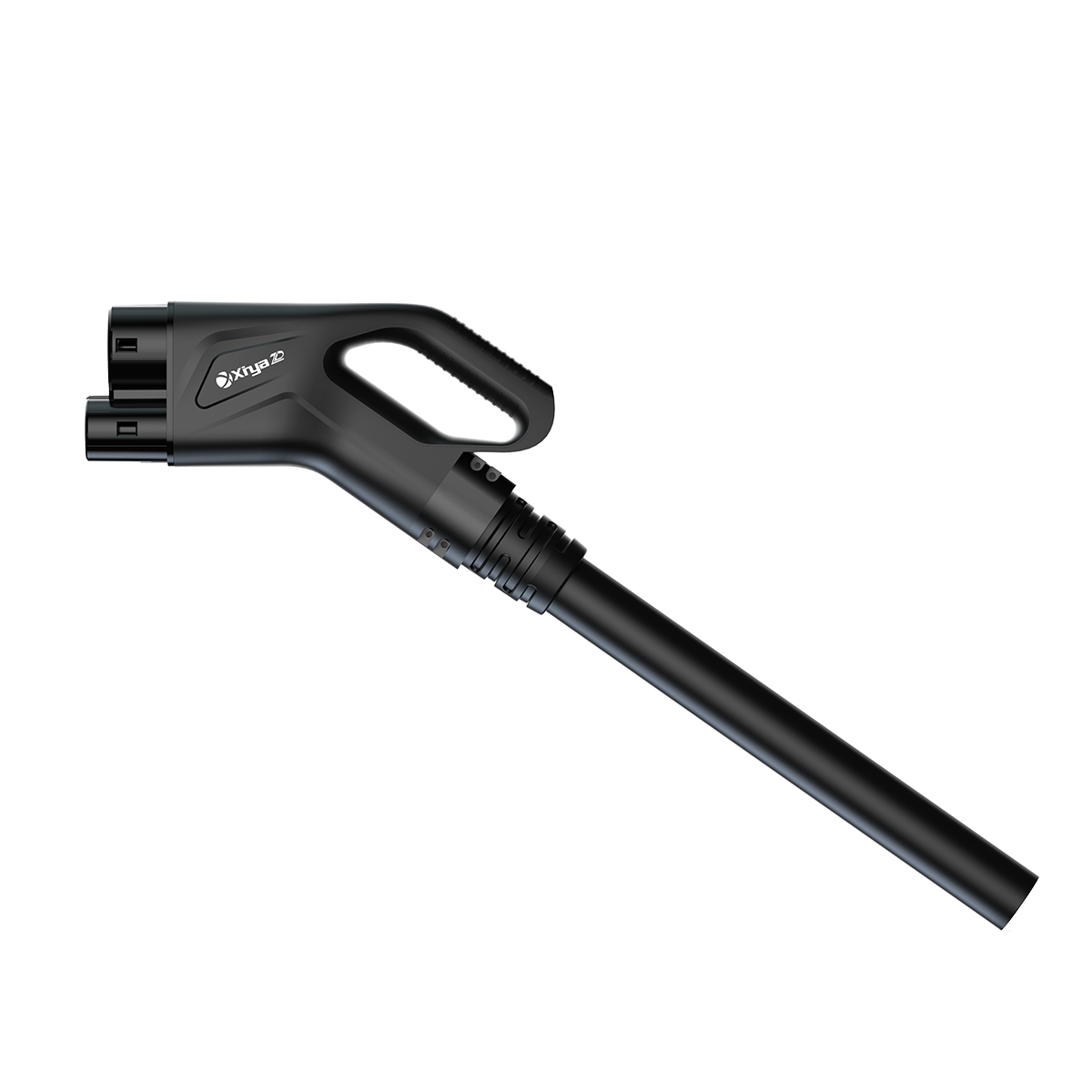
A XYDF oferece uma gama completa de produtos para uso doméstico. Carregadores CA (7 kW/11 kW/22 kW) e comercial carregadores rápidos DC (20 kW–960 kW), projetado para fornecer potência estável e eficiente, compatível com a lógica de carregamento do BMS do veículo para uma velocidade e proteção otimizadas da bateria.
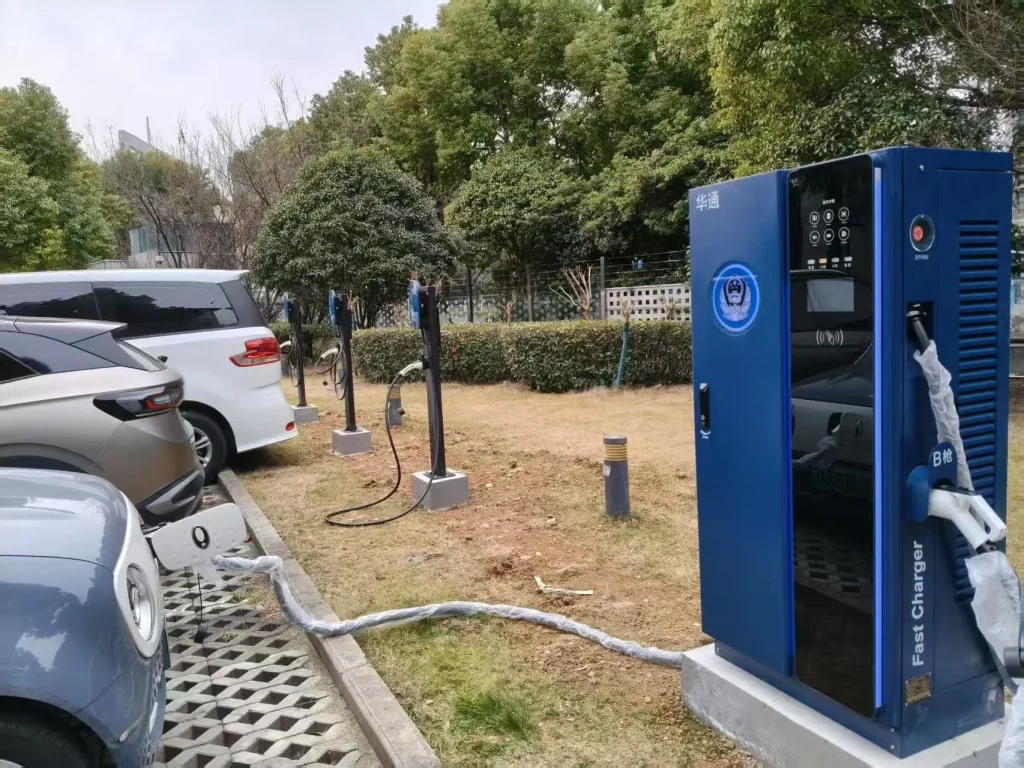
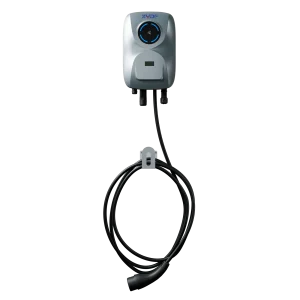
Carregador de 7 kW de corrente alternada e carregador de 240 kW de corrente contínua
3.5 kW AC charger: Portable home charger, can be plugged into a regular socket. At the same time, its disadvantage is the slow charging speed. It takes more than 20 hours to fully charge a 75 kWh battery.
Carregador AC de 7 kW: This is the most common home charging solution. It requires a 220V circuit and professional installation by an electrician. With a 7KW AC charger, it takes about 10-12hours to charge a passenger EV battery fully. And the 7KW AC charger is very suitable for households with fixed parking spaces.
Carregador AC de 22 kWO carregador AC de 22 kW necessita de uma tensão superior à do carregador AC de 3,5 kW e ao carregador AC de 7 kW. Devido ao uso de um circuito trifásico de 380 V, é comumente utilizado em locais comerciais e públicos. Carrega completamente uma bateria de 75 kWh em cerca de 4–5 horas.
Nearly all DC fast chargers require professional installation and a 380V power supply. And DC fast charger works differently from AC charger. DC charger bypasses the on-board charger and charges the battery directly. Meanwhile, it has a much higher voltage and current, so the charging speed of DC charger is much faster than that of the AC charger.
To protect battery lifespan, the vehicle’s Battery Management System (BMS) usually reduces charging speed after the battery reaches 80% State of Charge (SOC). For this reason, DC fast charging performance is usually rated for 20–80% charging. (This charging strategy also applies to AC chargers. However, since AC charging is much slower and takes significantly longer, this effect can generally be ignored.)
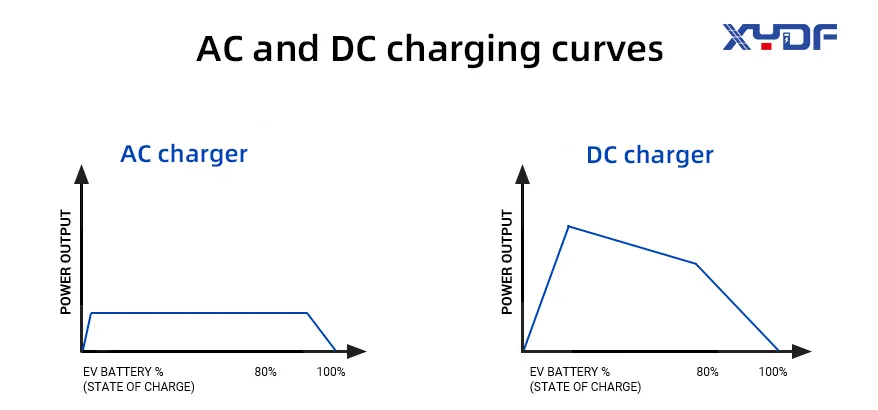
Curvas de carga para ac e dc
Como a potência dos carregadores rápidos da DC varia amplamente, consulte a tabela abaixo.
| Tipo de veículo | Veículo de passageiros | Camioneta leve | Camion pesado | |||
| Capacidade da bateria | 60kwh | 80 kWh | 100kwh | 120 kwh | 300kwh | 600kwh |
| 20%-80% charging | ||||||
| 60kw (Potência do carregador de EV) | 36min | 48min | 1h | 1h12min | 3h | 6h |
| 120 kW | 18min | 24min | 30min | 36min | 1h 30min | 3h |
| 240 kW | 9min | 12min | 15min | 18min | 45min | 1h 30min |
| 400 kW | / | / | / | / | 27min | 54min |
| 600 kW | / | / | / | / | 18min | 36min |
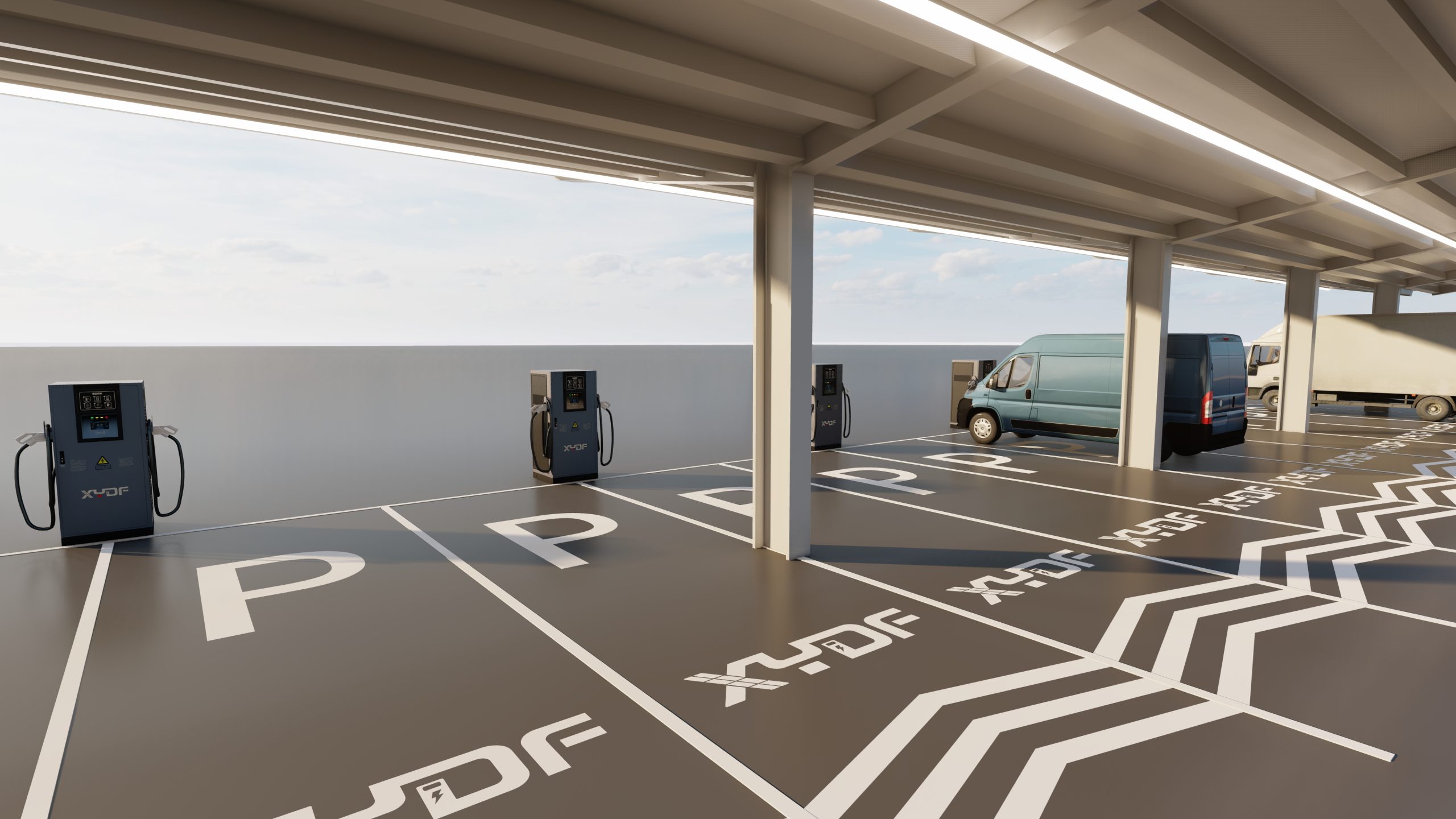
estação de carregamento para caminhões pesados
Os tempos acima são para condições ideais. Na prática, muitos fatores influenciam a velocidade real de carregamento:
These are the common factors that affect EV charging time. If you’re researching charging times for business planning or station deployment, partnering with an experienced EV charger provider like XYDF garante estimativas precisas de velocidade, hardware confiável e eficiência operacional otimizada.
 Xinya Dongfang Electricity Technology Co., Ltd.