Зарядные станции OCPP для операторов: решения для интероперабельных сетей
25 июня 2026 г.
Блог
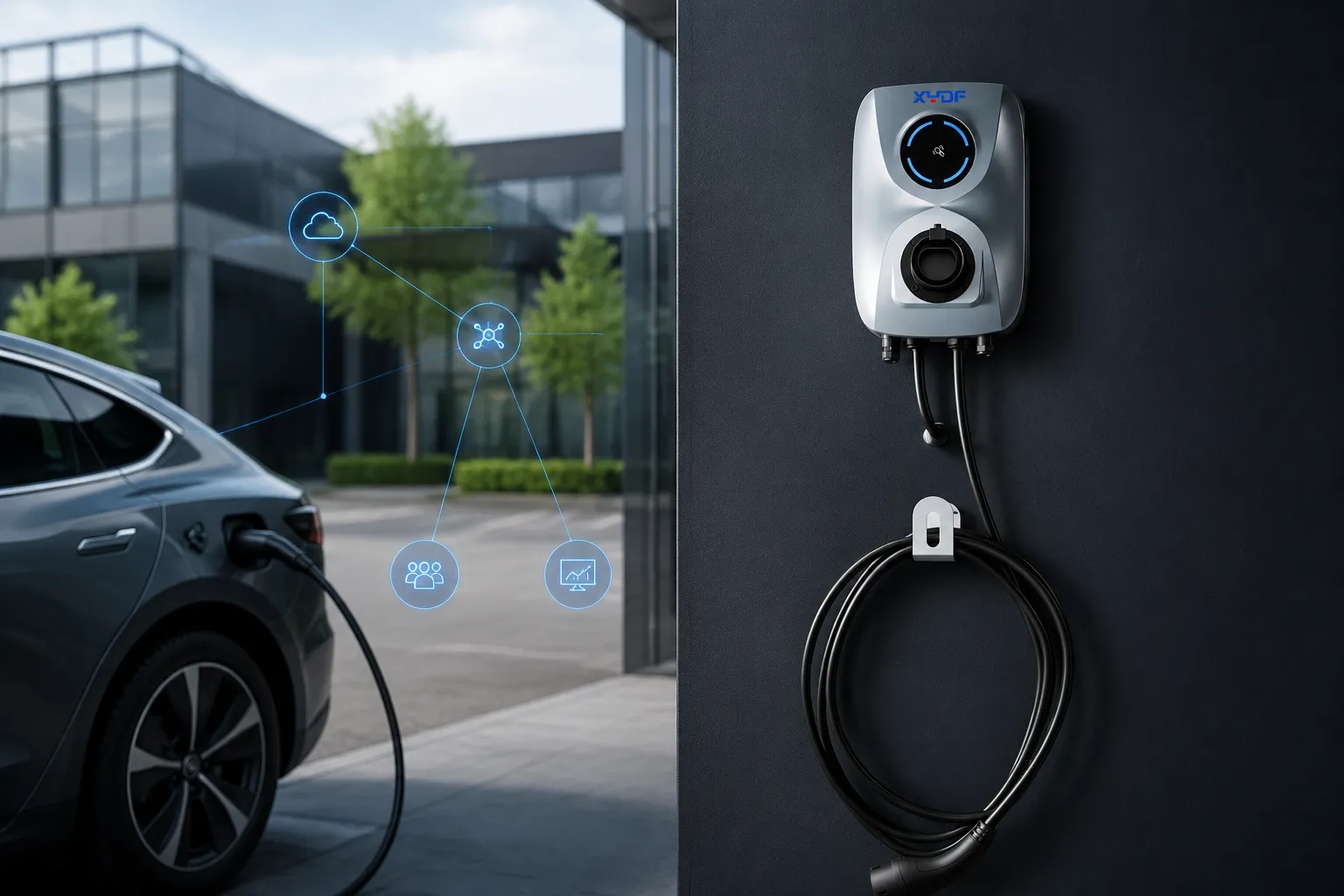
С момента внедрения в систему умной зарядки, а также для обеспечения взаимодействия между различными компаниями путем использования связи OCPP для подключения к другим операторам зарядки электромобилей, AC-зарядное устройство может также помогать операторам и строительным компаниям с их ограничениями энергосистемы, обеспечивать масштабируемую AC-зарядку, позволяя операторам или подрядчикам по установке и обслуживанию реализовывать собственные решения в рамках крупномасштабного внедрения, которое было успешно реализовано во многих местах благодаря возросшему интересу и надежности зарядных станций на местах в последние несколько лет.
AC Зарядка: Идеально для дома и повседневного использования
Зарядка переменным током (AC) считается наиболее распространенным способом использования электромобиля в настоящее время из-за доступности зарядки дома или на рабочем месте. Зарядная станция переменного тока — это устройство, которое преобразует энергию из вашей электросети в переменный ток для вашего электромобиля и обеспечивает экономичное и масштабируемое решение для повседневного использования. По сравнению с Быстрая зарядка постоянным током, системы.
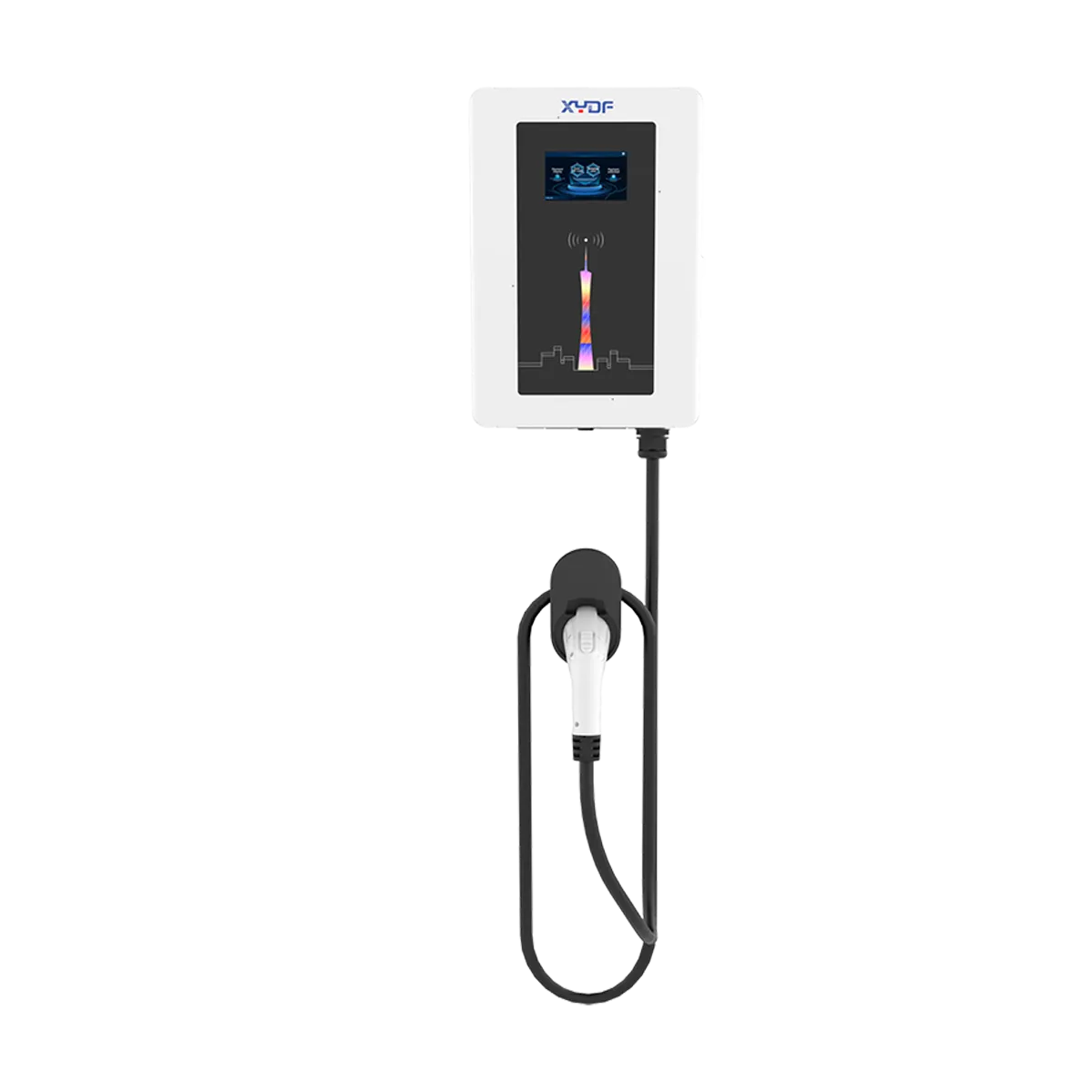
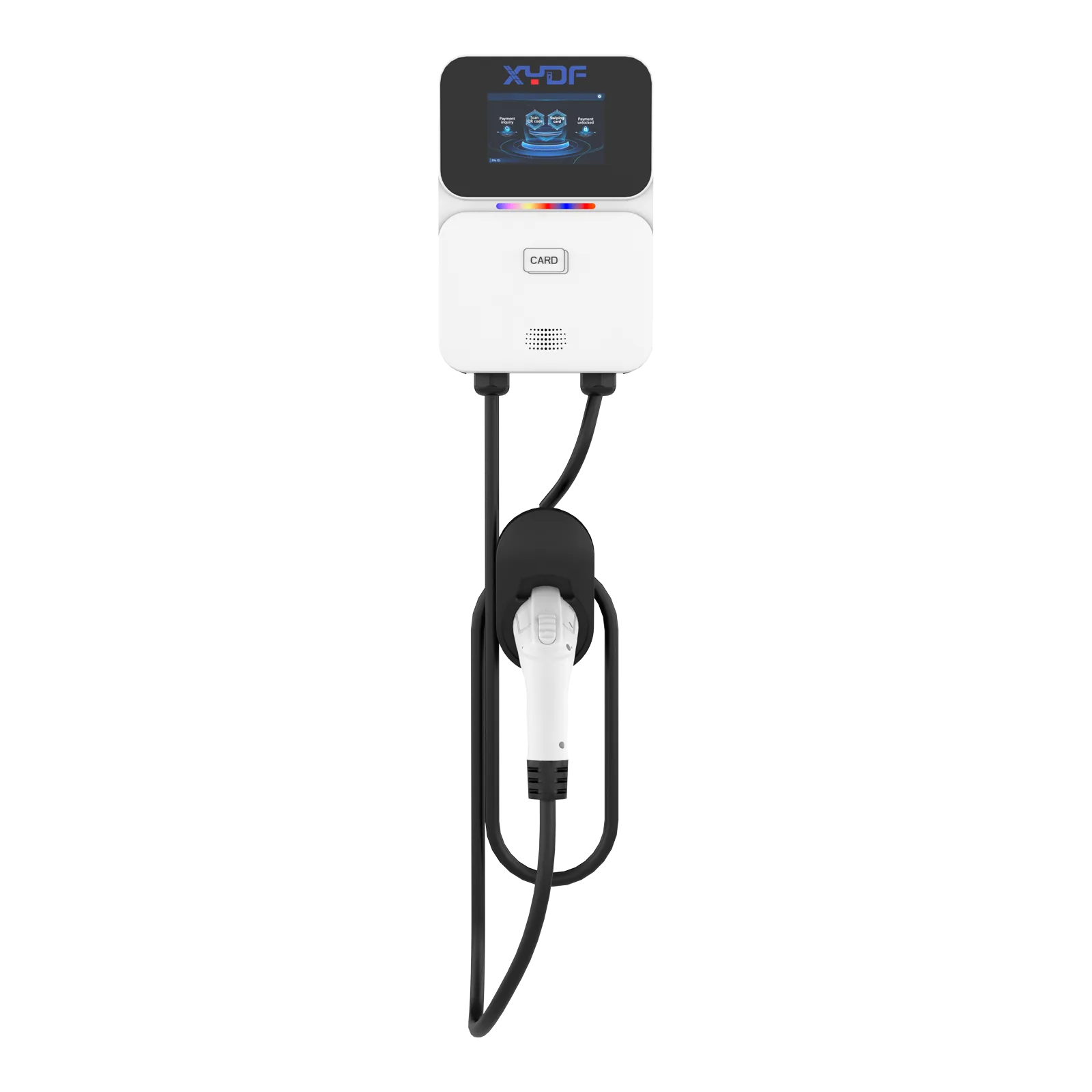
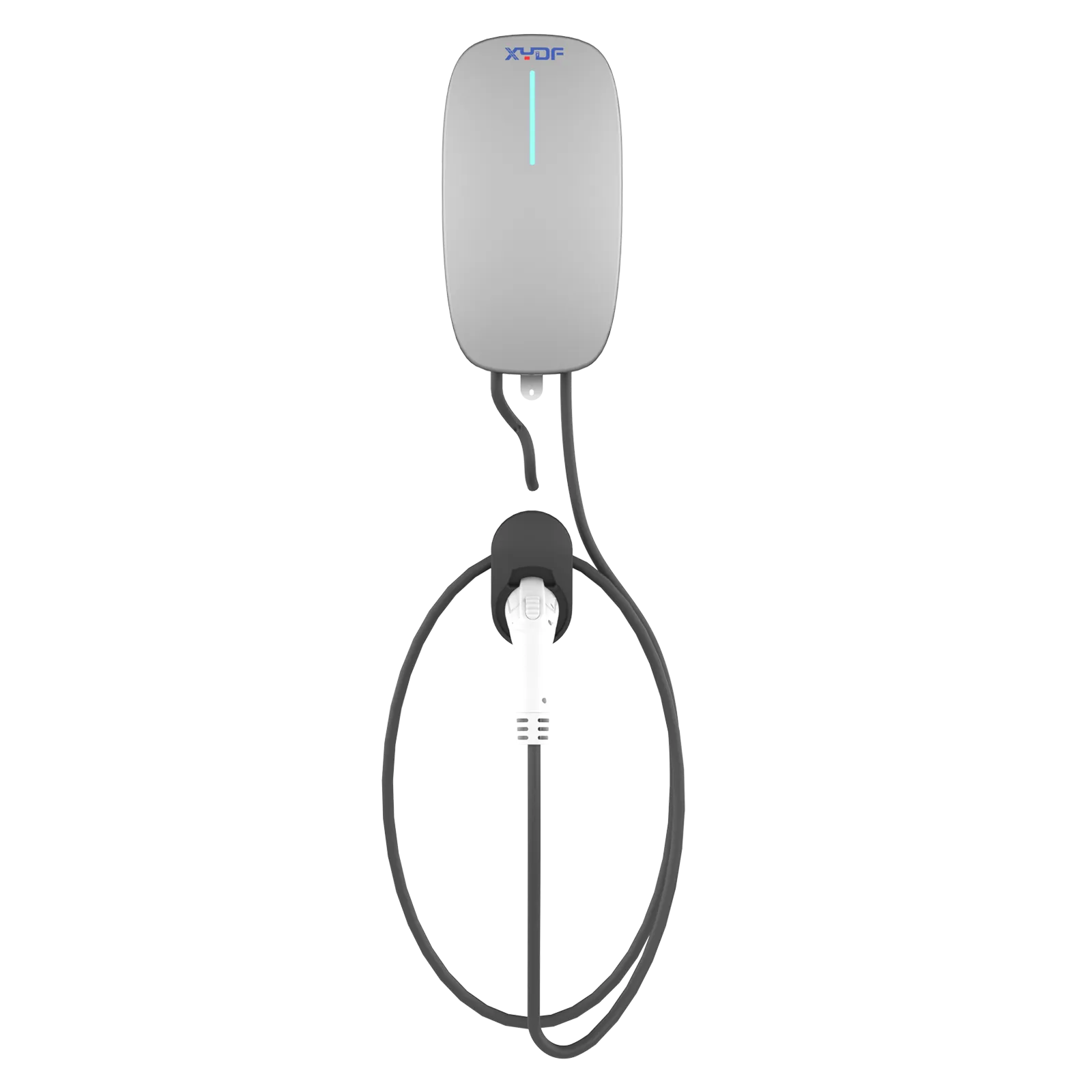
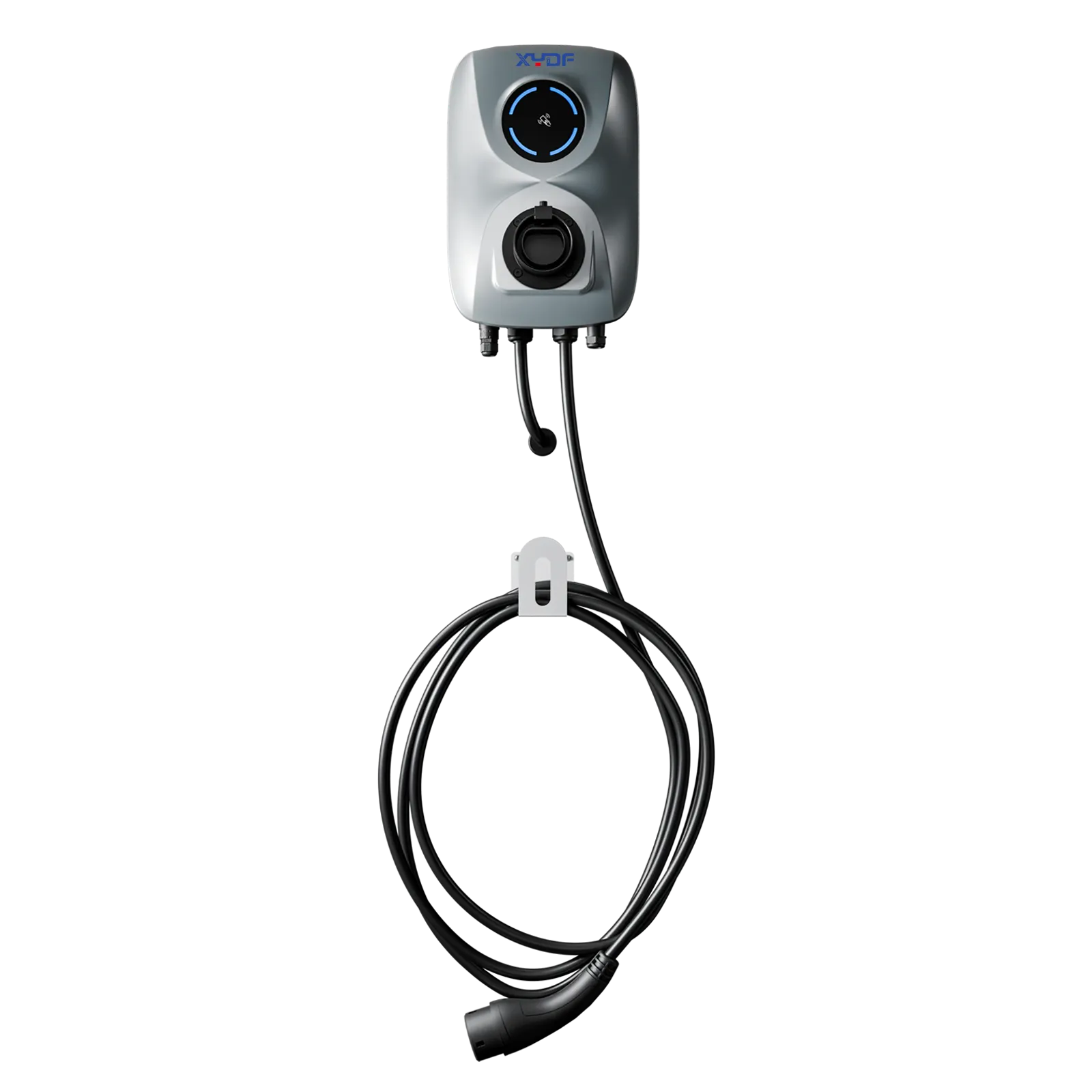
Обзор серии зарядных устройств для электромобилей XYDF AC
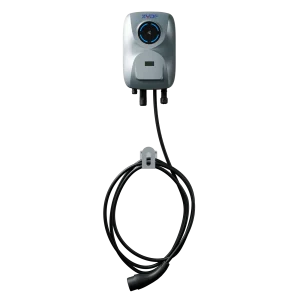
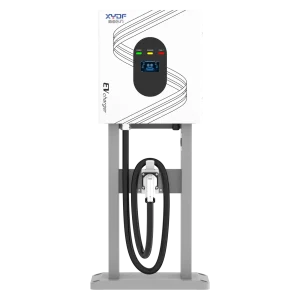
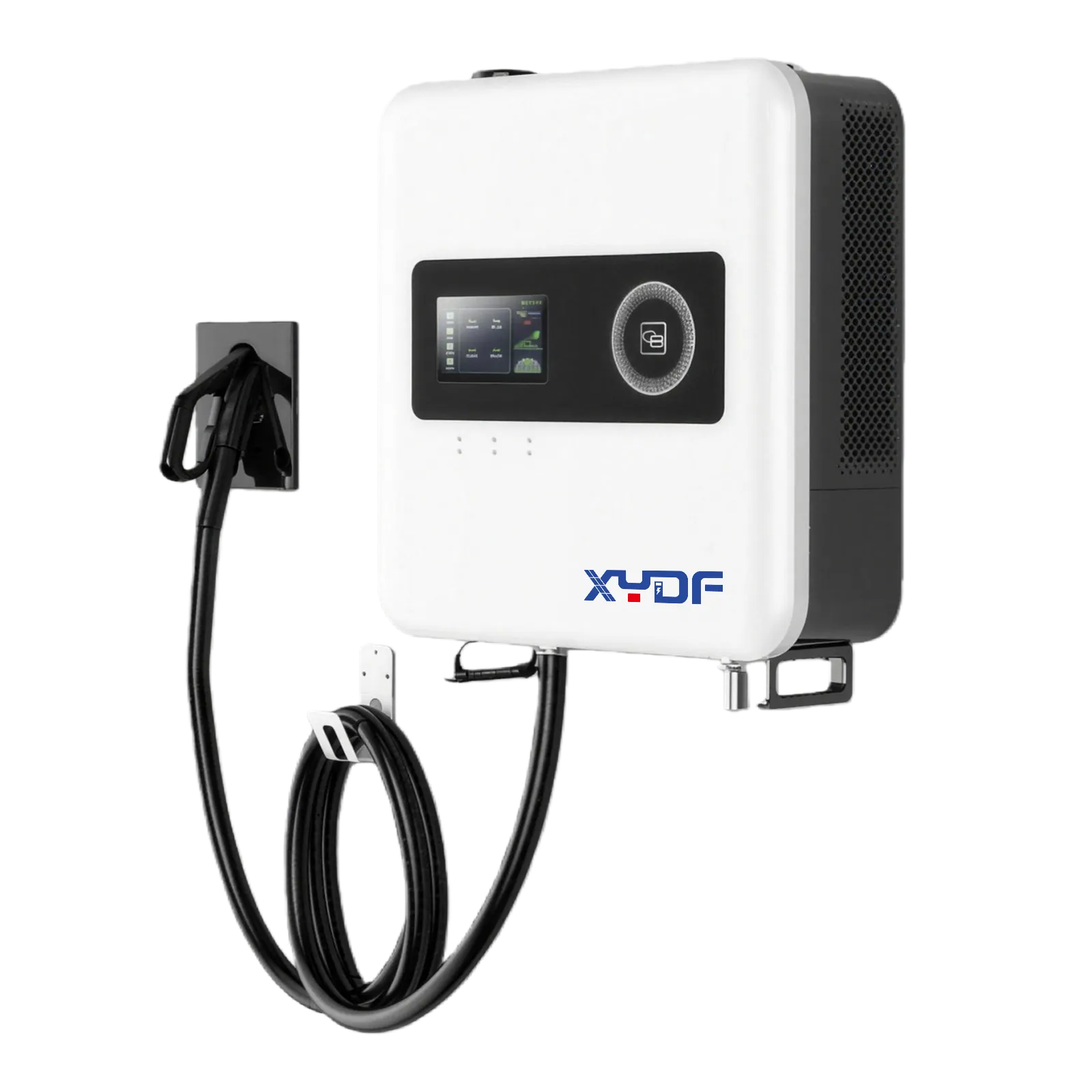
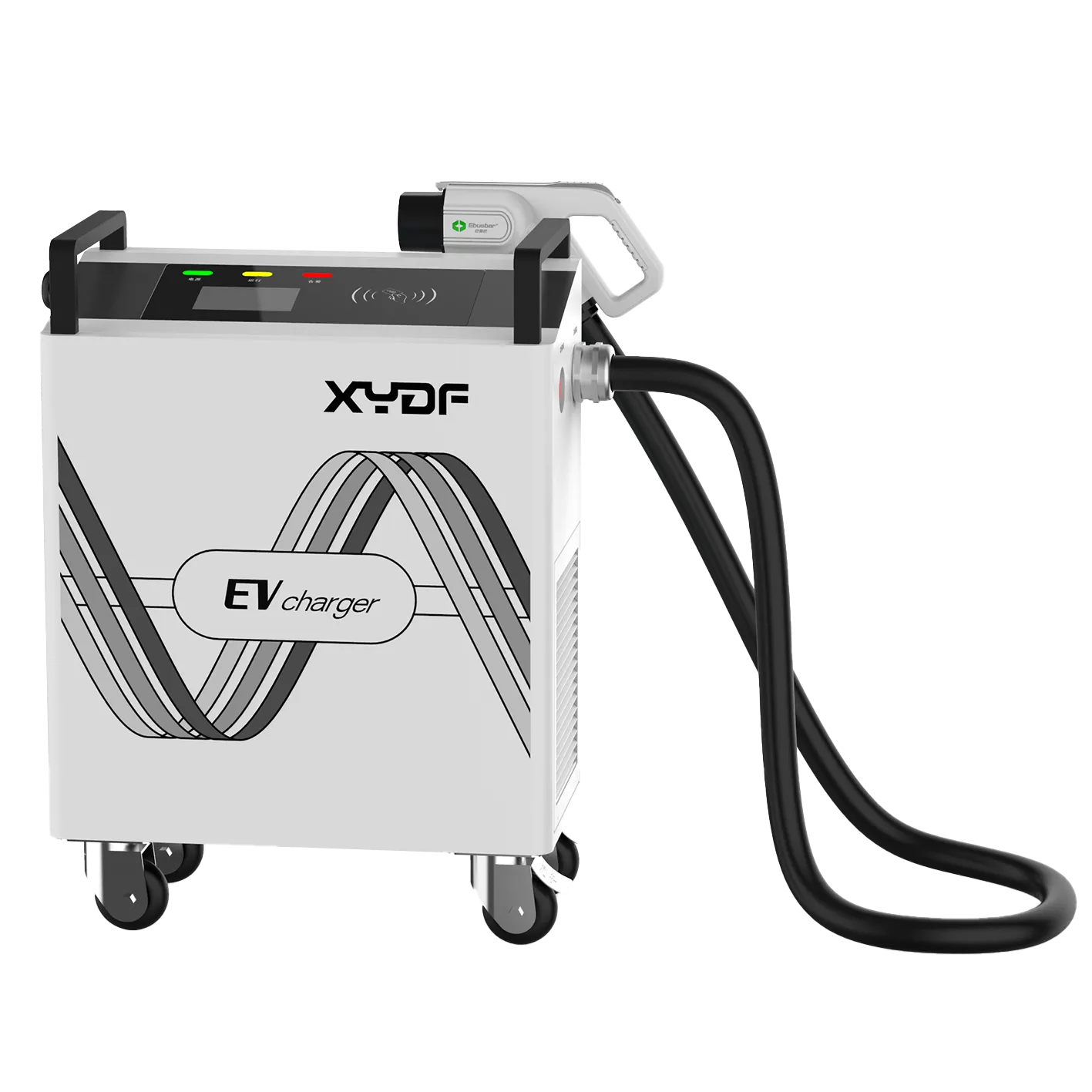
XYDF классифицировала свои станции зарядки электромобилей на 4 основные категории: 7 Series, 11 Series, 22 Series и EC Series, предлагая решения для зарядки переменным током (AC) и уровня 2 (от 7 кВт до 22 кВт) для электромобилей по всему миру.
Серия E7 была создана специально для установки небольших зарядных устройств переменного тока для дома, тогда как серия EC7 обладает дополнительными функциями для расширенной поддержки интеллектуального управления энергией в доме — включая обновления "по воздуху" и балансировку нагрузки — в дополнение к другим расширенным возможностям. Серия E22 была разработана для коммерческого/общественного использования и предлагает наибольшее количество масштабируемых вариантов, а также более гибкие методы установки, поддерживая операторов в создании высокоэффективных сетей интеллектуальной зарядки. EC22 предлагает более высокие уровни защиты и интеграцию, совместимую с OCPP, обеспечивая операторам повышенную стабильность и надежность в приложениях с высокой нагрузкой (операторский класс).
Все четыре серии будут поддерживать Зарядные устройства для электромобилей типа 2, Зарядные устройства для электромобилей типа 1 и стандарты GB/T для различных жилых, коммерческих и общественных объектов, использующих переменный ток для зарядки по всему миру.
Серия
Диапазон мощности
Разъем
Установка
Уровень защиты
Умные функции
Лучший сценарий использования
E7 Серия
7 кВт
Тип 1 / Тип 2 / GB/T
Стена / Тумба
IP55
RFID / Управление через приложение
Зарядка на дому
Серия EC7 (AC RING)
7 кВт
Тип 2 / GB/T
Стена / Столб
IP65
OTA / Балансировка нагрузки / Интеллектуальное планирование
Умная домашняя зарядка
Серия E22
7 / 11 / 22 кВт
Тип 1 / Тип 2 / GB/T
Стена / Тумба
IP55
Wi-Fi / LAN / RFID / APP
Коммерческая и общественная зарядка
ЕС22 Серия
7 / 11 / 22 кВт
Тип 2 / GB/T
Стена / Тумба
IP65
Интеллектуальное управление + интеграция, готовая к OCPP
Высокий спрос и суровые условия
Ограничения зарядки переменным током
Хотя зарядка переменным током имеет множество преимуществ, существуют и некоторые ограничения. Одно из главных ограничений связано со скоростью зарядки и зависит от бортового зарядного устройства автомобиля. Зарядное устройство уровня 2 обычно имеет мощность от 7 кВт до 22 кВт, поэтому полная зарядка автомобиля займет несколько часов. Помимо скорости, другие ограничения, препятствующие развертыванию зарядных устройств переменного тока, связаны с ограничениями мощности местной электросети и ограничениями на установку зарядной системы; например, в густонаселенных городских районах и при создании крупномасштабных сетей интеллектуальной зарядки электромобилей (EV).
Сравнение времени зарядки электромобилей уровня 1 и уровня 2
Тип зарядки
Выходная мощность
Типичное время зарядки
Заявка
Зарядка переменным током уровня 1
1,4–2,3 кВт
12–24 часа
Аварийный / Домашний резерв
Зарядка переменным током уровня 2
7–22 кВт
3–8 часов
Главная / Рабочее место / Коммерческое
В настоящее время существует множество различных способов зарядки электромобилей, но основным методом по-прежнему остается система уровня 2 как с точки зрения стоимости, так и эффективности.
Зарядное устройство переменного тока против зарядного устройства постоянного тока: основные различия
Быстрые зарядные устройства переменного и постоянного тока используют разные места для преобразования электрической энергии в пригодную для зарядки энергию. При зарядке переменным током преобразование в пригодную для зарядки энергию выполняется с помощью бортового зарядного устройства автомобиля, тогда как при быстрой зарядке постоянным током электрическая энергия преобразуется вне автомобиля, и постоянный ток подается в аккумулятор.
✔ Сетевое зарядное устройство
• сниженная стоимость • медленнее • идеально для ежедневной зарядки
★ Зарядное устройство постоянного тока
• высокая мощность • быстрая зарядка • более высокая стоимость инфраструктуры
Зарядка переменным током лежит в основе создания более масштабируемой сети зарядных станций для электромобилей.
Что такое OCPP в системах зарядки электромобилей?
OCPP определяет стандартный метод связи для подключения к терминалам зарядных станций переменного тока и центральному менеджеру через Интернет, обеспечивая возможность совместимой зарядки электромобилей. OCPP может использоваться во многих современных сетях интеллектуальной зарядки электромобилей, предоставляя операторам удаленные возможности использования, мониторинга и оптимизации всей их зарядной инфраструктуры.
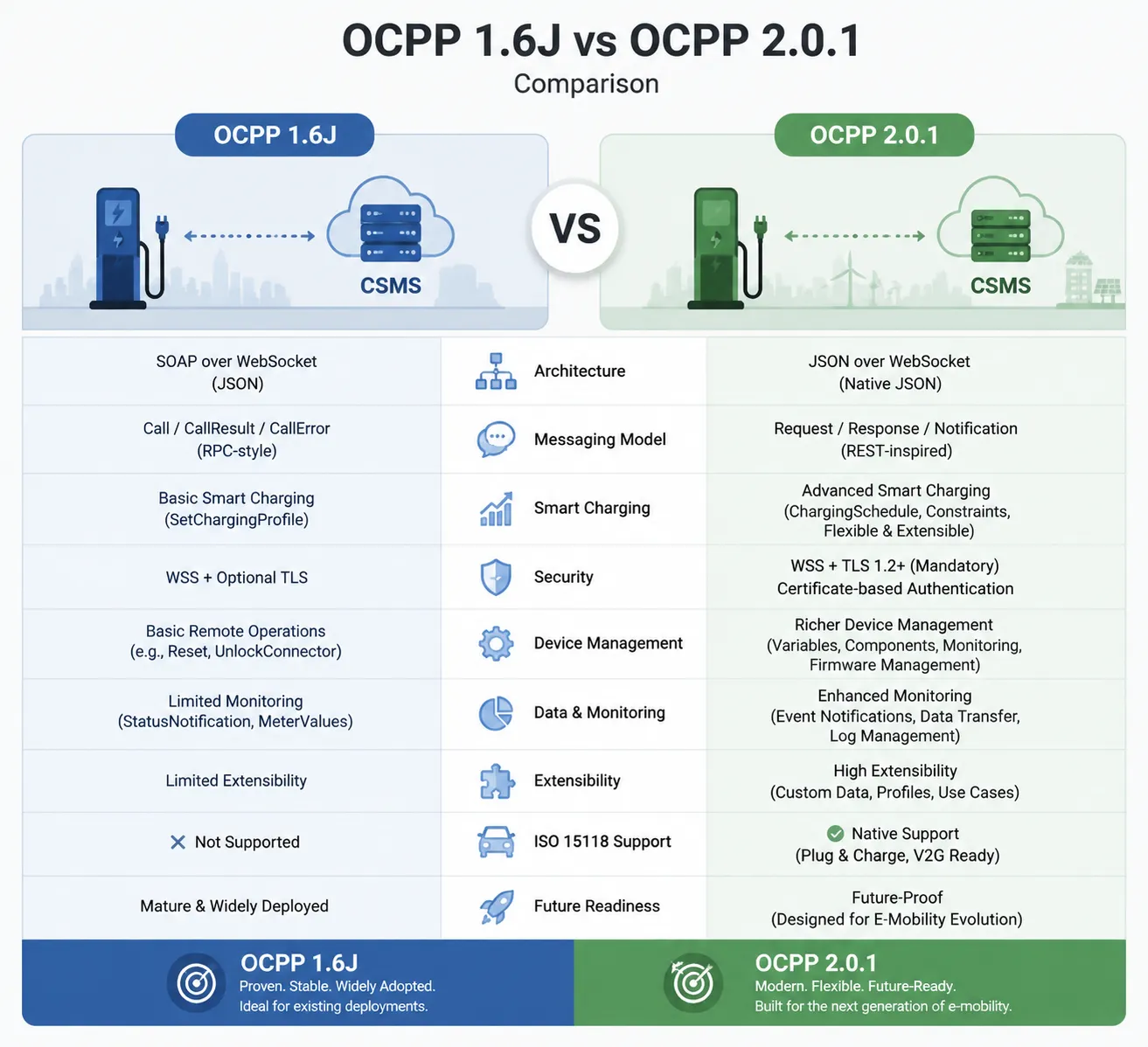
OCPP 1.6J против OCPP 2.0.1 Сравнение
OCPP 1.6J: широко распространен, стабилен, поддерживает базовое управление зарядкой
Все больше CPO, управляющих обширными сетями, отдают предпочтение OCPP 2.0.1.
OCPP 1.6J: Протокол связи на основе WebSocket и JSON, стандартизирующий обмен данными между зарядными станциями для электромобилей и центральными системами управления.
Как OCPP обеспечивает связь между зарядным устройством переменного тока и облаком
Протокол Open Charge Point Protocol (OCPI) связывает систему управления зарядкой, разработанную в облаке, с зарядным оборудованием для электромобилей. OCPI позволяет:
Мониторинг процесса зарядки в реальном времени
Дистанционное управление запуском/остановкой
Управление нагрузкой и планирование
Диагностика неисправностей и обновления OTA
Как операторы зарядных станций управляют сетями зарядки переменным током
Аутентификация пользователя и биллинг
Балансировка нагрузки энергии
Мониторинг времени безотказной работы станции
Ценовая стратегия и оптимизация доходов
Масштабирование сетей зарядки электромобилей в нескольких местах
Стандартизированные протоколы связи зарядных устройств переменного тока
Модульное развертывание оборудования (системы мощностью 7 кВт–22 кВт)
Облачные системы управления
Энергооптимизация с учетом особенностей сети
Сравнение лучших зарядных устройств для электромобилей для домашнего использования
7кВт–11кВт выход (зарядное устройство для электромобилей уровня 2)
Тип 2 или совместимость с GB/T
RFID или управление через приложение
Защита IP55/IP65
Умные кондиционеры со встроенными зарядными устройствами, поддерживающими OCPP, предлагают большую гибкость в долгосрочной перспективе и в будущем для подключения к энергетической системе благодаря подключению к облачной архитектуре OCPP.
Примеры и примеры из практики
Жидкостная зарядка
Пользователи, имеющие возможность заряжать свои автомобили дома, используют ночные тренировки, чтобы уменьшить зависимость от общественных зарядных станций и обеспечить зарядку своих автомобилей по разумной цене электроэнергии в месяц.
Коммерческое использование
Зарядные станции для электромобилей устанавливаются в торговых центрах, отелях и компаниях по управлению парковками, чтобы улучшить качество обслуживания клиентов, а также создать новые источники дохода для этих предприятий.
Приложения для флота
Электромобили в логистическом парке и таксопарке заряжаются на зарядной станции с помощью зарядных устройств, работающих от переменного тока, что позволяет более эффективно управлять энергопотреблением благодаря предсказуемому характеру их эксплуатации.
XYDF Кейс: Масштабируемые решения для зарядки переменным током
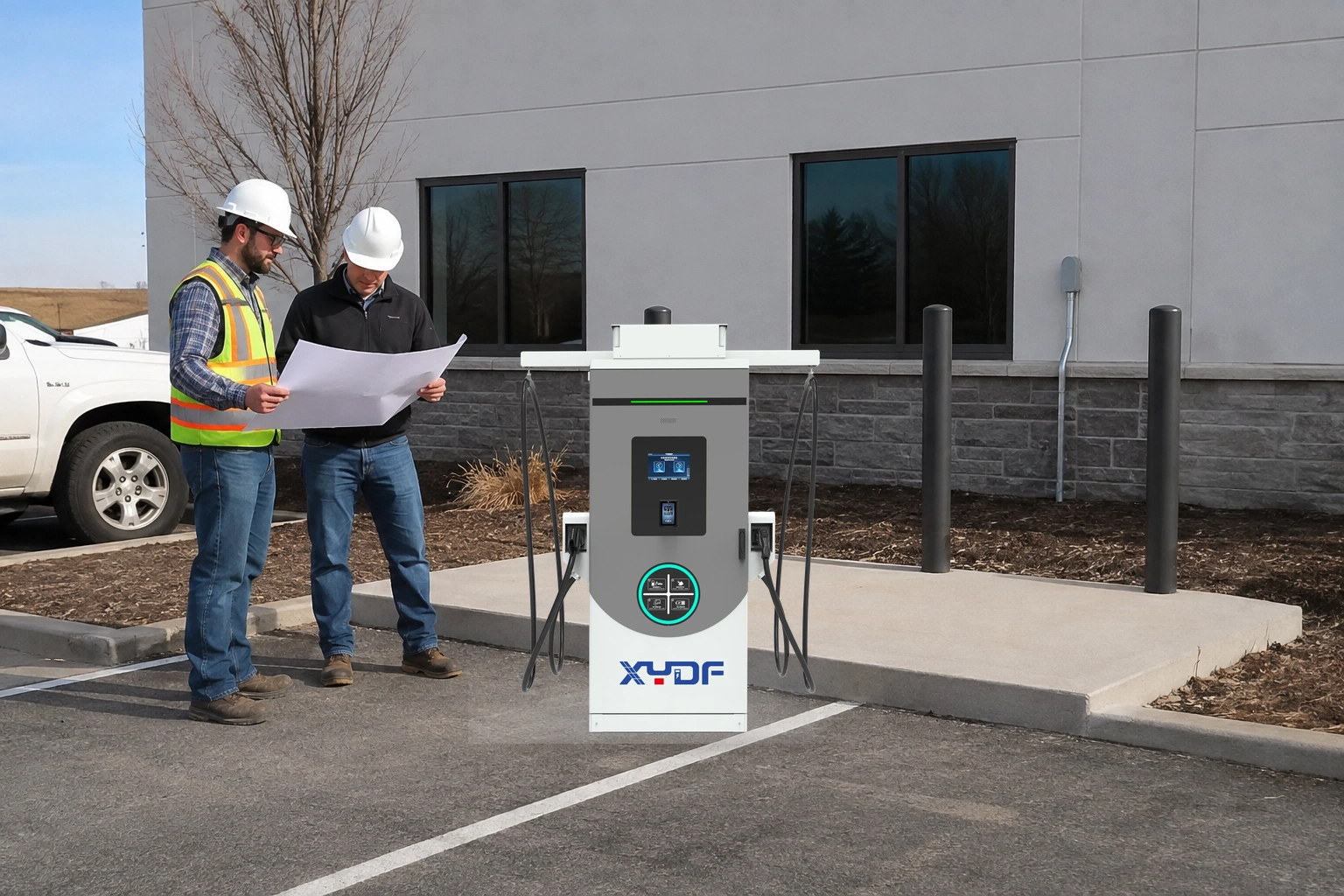
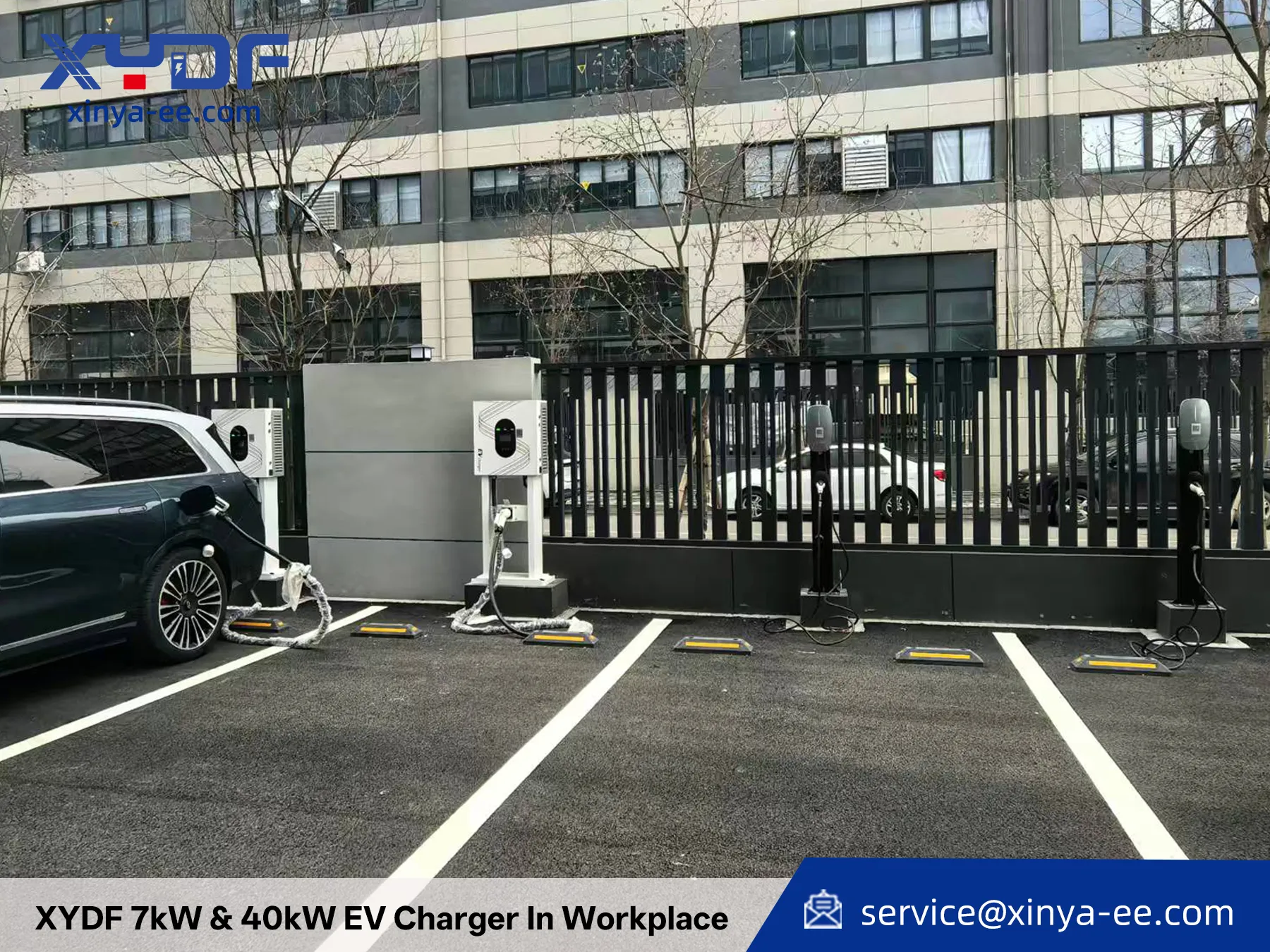
Как недавнее развертывание, Зарядные устройства XYDF AC EV были установлены в проекте многофункционального коммерческого паркинга (например, для магазинов и офисов), где надежные и соответствующие стандарту OCPP зарядные станции переменного тока обеспечивают доступ для нескольких операторов и централизованное управление посредством платформ умной зарядки. По завершении проекта, после установки всех зарядных устройств уровня 2 мощностью 7 кВт и 11 кВт, оператор сообщил, что:
(1) Производительность сети стабильна;
(2) Показатели использования улучшились на основе удаленного мониторинга и возможностей балансировки нагрузки. Внедрение системы на базе OCPP позволило беспрепятственно интегрироваться с существующей системой управления зарядкой Оператора, обеспечив тем самым наглядное представление в реальном времени о сеансах зарядки и потреблении энергии.
Одним из ключей к успеху решения XYDF для оператора стало то, что оно было простым в установке, снизило нагрузку на техническое обслуживание и улучшило совместимость между различными типами транспортных средств со стандартами ввода Type 2 и GB/T. Система уже была масштабирована на дополнительные площадки, что указывает на высокую адаптируемость в развивающейся сети инфраструктуры зарядки электромобилей.
Производственный процесс: основные компоненты, сборка и обеспечение качества
Создание зарядных устройств для электромобилей (EV) включает в себя выбор сырья для изготовления компонентов, интеграцию отдельных частей в одно готовое устройство и, наконец, сборку всего устройства посредством детальной процедуры тестирования (например, зарядные устройства уровня 2, режима 3, типа 2 и J1772).
XYDF, подразделение Xinya Dongfang Electricity Technology Co., Ltd., было основано в 2016 году и является дочерней компанией Xinya Electronic Company Ltd (тикер: 605277). Компания владеет производственным комплексом в Шэньчжэне площадью около 40 000 квадратных метров, а также научно-исследовательским центром в Шэньчжэне, что позволяет ей предоставлять комплексные решения для зарядки электромобилей для международных проектов по зарядке электромобилей.
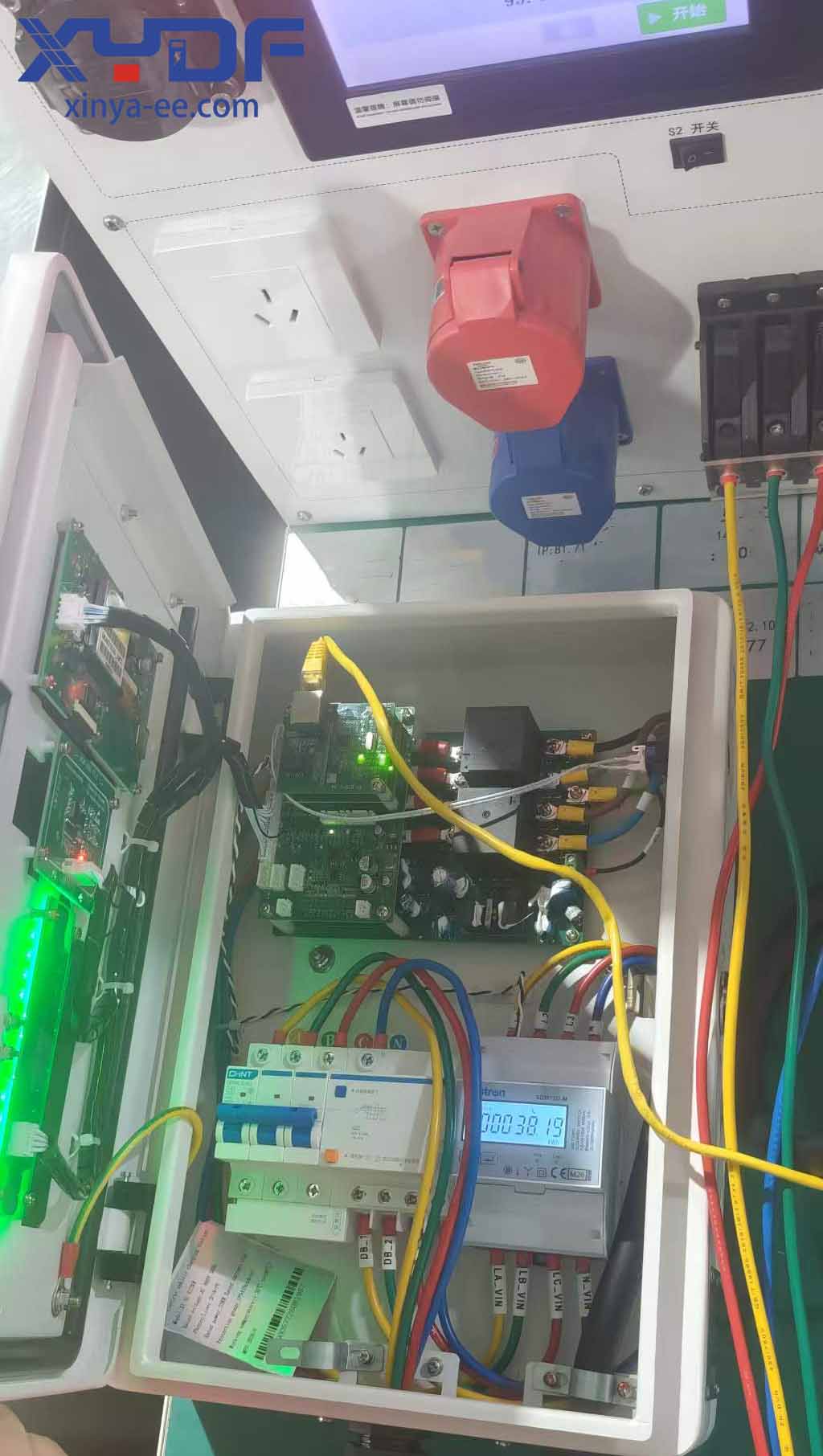
Для обеспечения надежной работы электрооборудования первым шагом является получение качественных компонентов (силовых модулей, систем управления, разъемов и защитных кожухов). После того как необходимые компоненты будут найдены, будет выполнен второй этап сборки с использованием последовательного метода. Процедуры, используемые для сборки, будут включать интеграцию печатных плат, проводку и установку конструкции в соответствии со спецификациями системы зарядки переменного тока.
Одно из главных, на что обратят внимание люди при покупке нового зарядного устройства для электромобилей, — это гарантия качества и надежность. В процессе производства все зарядные устройства переменного тока должны проходить испытания на старение, работу при полной нагрузке, тепловую валидацию и испытания на электробезопасность. Это гарантирует, что при использовании зарядного устройства в сети умной зарядки оно будет работать должным образом.
И наконец, продукты прошли все международные стандарты, такие как требования IEC и сертификацию TÜV. Эти сертификаты гарантируют совместимость продуктов с любым зарядным устройством Type 2 EV во всем мире или Зарядное устройство J1772, и, таким образом, будет предоставлять надежные, масштабируемые решения для зарядки переменным током.
Часто задаваемые вопросы
1. Лучше ли зарядка переменным током, чем зарядка постоянным током?
Два типа зарядных устройств для электромобилей, переменного тока (AC) и постоянного тока (DC), не являются по своей сути “лучше” или “хуже” друг друга; скорее, они разработаны для разных применений. Как правило, зарядные устройства переменного тока дешевле и гораздо чаще используются для домашней зарядки, на рабочем месте и при ночной зарядке, поскольку их установка требует меньше ресурсов. Однако высокая скорость, мощность и эффективность зарядных устройств постоянного тока делают их более подходящими для сценариев быстрой подзарядки электромобилей, которые встречаются на автомагистралях и в деловых центрах. В целом, зарядные устройства переменного тока составляют основу инфраструктуры зарядки электромобилей, в то время как устройства постоянного тока увеличивают возможности быстрой подзарядки.
2. Что означает переменный ток (AC) и постоянный ток (DC)?
Переменный ток означает, что электричество будет непрерывно менять направление своего потока в электрической цепи. Постоянный ток означает, что электричество будет устойчиво проходить по электрической цепи в одном, неизменном направлении.
3. Является ли зарядка переменным током лучше для аккумуляторов электромобилей?
Поскольку зарядка переменным током обеспечивает низкую мощность в течение более длительного времени, она, как правило, считается более бережной для аккумулятора электромобиля. Однако все современные автомобили сконструированы таким образом, чтобы безопасно заряжаться от любого типа источника питания. Основные факторы, влияющие на состояние аккумулятора, — это не только способ зарядки автомобиля (переменный или постоянный ток), но и общие методы управления температурой аккумулятора и привычки зарядки.
4. Является ли 7 кВт зарядным устройством уровня 2?
Да, зарядное устройство переменного тока мощностью 7 кВт обычно классифицируется как зарядное устройство уровня 2 для электромобилей, особенно для домашнего и легкого коммерческого использования. Зарядные станции переменного тока уровня 2 обычно рассчитаны на мощность от 7 кВт до 22 кВт, и это также наиболее распространенные типы зарядных станций переменного тока.
5. Что такое совместимость OCPP?
Совместимость с Open Charge Point Protocol (OCPP) означает, что станция зарядки переменного тока сможет взаимодействовать с централизованной системой управления (CMS) с использованием открытого стандарта. Это обеспечивает совместимость между различными производителями, позволяя операторам эффективно отслеживать, контролировать и управлять своими зарядными сетями в рамках интеллектуальной зарядной сети.
6. Сколько стоит станция зарядки переменного тока?
Стоимость установки источника переменного тока зависит от количества предоставляемой мощности, различных требуемых функций, способа взаимодействия с другими электрическими устройствами, а также от того, потребуются ли какие-либо предварительные работы перед установкой или использованием блока. Как правило, базовый бытовой источник переменного тока мощностью 7 кВт будет намного дешевле, чем коммерческий источник переменного тока мощностью 11–22 кВт с поддержкой OCPP, RFID и функций балансировки нагрузки. Таким образом, благодаря низкой стоимости установки, станции для зарядки электромобилей переменного тока являются гораздо более экономичным решением для расширения инфраструктуры зарядки электромобилей, чем станции быстрой зарядки электромобилей постоянного тока.
Штаб-квартира и фабрика в Чжэцзяне:
№ 2, улица Чанцзян, промышленный парк Вэньчжоу Бридж, город Бейбайсян, город Юэцин, город Вэньчжоу, провинция Чжэцзян
Шэньчжэньский филиал:
1-й этаж, здание А, промышленный парк Шэнькай, сообщество Тантоу, район Шиянь, район Баоань, Шэньчжэнь
Мы используем файлы cookie для обеспечения работы этого веб-сайта и, с вашего разрешения, для измерения того, как посетители используют наш сайт зарядки электромобилей. См. наши Политика конфиденциальности для получения подробной информации.
 Синьцзя Дунфан Электрик Технолоджи Ко., Лтд.