О чем следует поинтересоваться покупателям при выборе между программами по производству зарядных устройств для электромобилей по схеме OEM и ODM?
18 июля 2026 г.
Блог
Before selecting an oem ev charger or ODM route, buyers should ask who holds design ownership, certification, firmware, branding, factory evidence, and service scope — then map those answers to RFQ fields and audit steps before volume orders.
Часть 1. В чем разница между программами OEM и ODM для зарядных устройств для электромобилей?
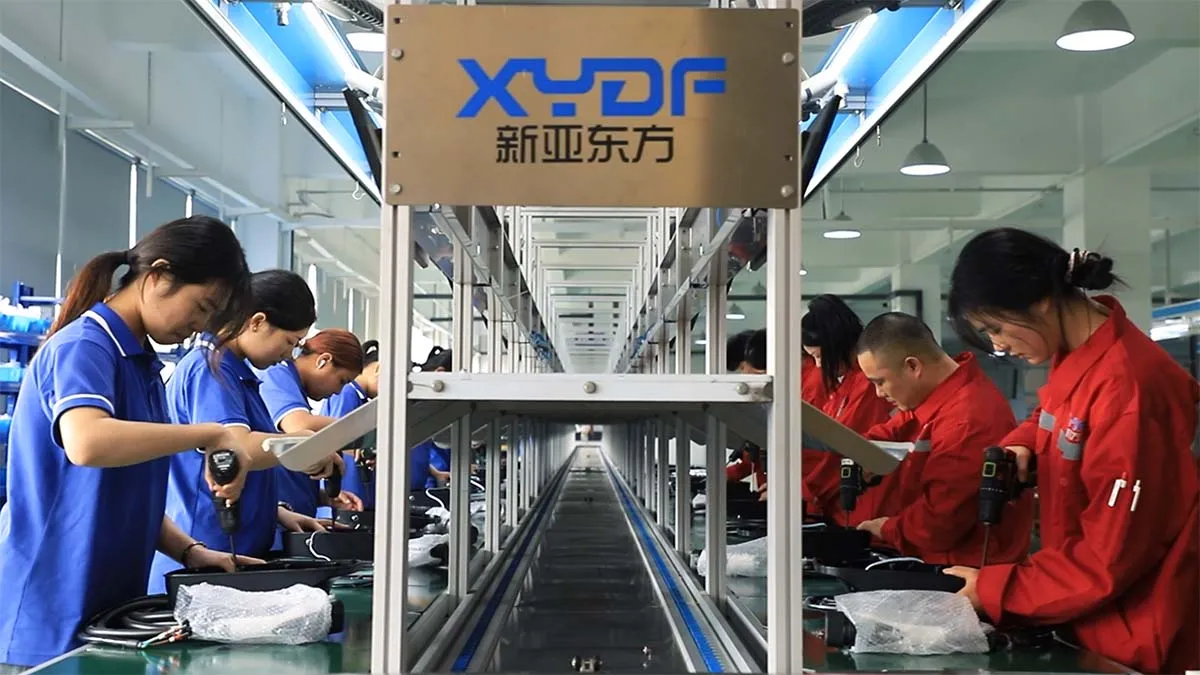
Обзор поставщиков более полезен, когда каждое заявление завода соотносится с документом или подтвержденным контролем. Проследите за конфигурацией продукта от входного контроля и обновления флеш-памяти или оборудования до проверок процесса, окончательных испытаний, обработки несоблюдения требований, калибровки, контроля за изменениями и выпуска продукции. Это создает готовый к использованию отчет о закупках без необходимости полагаться на то, что только визит на завод является доказательством эффективности работы на местах. По вопросам планирования в общественном масштабе см. Требования к проводящей зарядной системе по стандарту IEC 61851-1; окончательное решение по-прежнему принимается на основании индивидуального протокола о принятии.
Ан OEM зарядное устройство для электромобилей program usually starts from a supplier’s existing platform and applies buyer branding, packaging, manuals, and selected firmware or UI options. An ODM EV charger program goes further: the buyer or supplier may co-own enclosure, electrical, firmware, or certification scope depending on contract structure.
Оба маршрута могут поддерживать коммерческий выпуск, но они назначают разные обязанности для изменений в дизайне, свидетельств испытаний и поддержки на местах.
Тип программы
Покупатель обычно контролирует
Поставщик обычно сохраняет
ОЕМ
Брендинг, руководства, выбранные варианты пользовательского интерфейса/оплаты
Проектирование базовой платформы и основной сертификационный путь
ОДМ (легкая)
Брендинг плюс определенные механические или UI изменения
Руководитель отдела разработки архитектуры и сертификации силовой электроники
ОДМ (глубокий)
Определение продукта с совместной разработкой
Управление производством, испытаниями и ревизиями по контракту
Считать заявления маркетологов “OEM/ODM доступно” неполными до тех пор, пока в ответе на запрос предложения (RFQ) не будет задокументировано право собственности на сертификацию, прошивку и контроль версий.Обзор IEC 61851)
Полезный OEM vs ODM EV charger decision is not a label exercise; it is a transfer-of-risk exercise. The buyer should assign each deliverable to an owner, define the evidence required at the design-freeze gate, and price the cost of a change after that gate. This framework is a practical synthesis for CPOs, fleet operators, distributors, and EPC teams that already have a shortlist.
Часть 2. Какие вопросы о дизайне и владении следует задавать покупателям в первую очередь?
Отделы закупок часто обнаруживают слишком поздно, что “индивидуальный брендинг” не включал в себя оснастку для корпуса, варианты кабельных жгутов или права на изменение прошивки.
Вопрос
Почему это важно
Слабый ответ
Кто владеет корпусом и структурными доработками?
Влияет на стоимость оснастки и повторную сертификацию
“Мы можем покрасить в любой цвет без контроля рисунка
Кто одобряет замены в спецификации (BOM)?
Сбои в эксплуатации связаны с незаметной заменой компонентов
Гибкость формулировок без записей об управлении изменениями
Кто обслуживает тестовые фикстуры для пользовательских сборок?
Пользовательские программы нуждаются в воспроизводимых доказательствах тестирования
Разовый демо-стенд
Кто поддерживает дооснащение на объекте и запасные части?
Стоимость услуги зависит от управления ревизиями
Прайс-лист без матрицы ревизий
Дистрибьюторы часто спрашивают, является ли устройство “действительно их разработкой” — запрашивают уровни выпуска чертежей и историю ревизий, а не только макеты внешнего брендинга.
Decision matrix: which route matches the risk you can carry?
Фактор решения
OEM is usually the better fit when…
ODM is justified when…
Доказательства для запроса
Design ownership
A proven enclosure and electrical platform meets the use case.
A mechanical, electrical, or user-experience requirement is not available off the shelf.
select OEM when speed and a stable platform have more value than differentiation; select ODM only when the buyer can govern requirements, verification, and lifecycle changes. The honest answer is conditional—the same supplier may be suitable for OEM on one SKU and unsuitable for ODM on another.
Due-diligence questions before design freeze
Which legal entity is the manufacturer of record, and which entity will appear on the declaration, label, warranty, and shipment documents?
Can the supplier provide a controlled bill of materials with approved alternates, lot traceability, and a written rule for substitutions?
What exact configuration was tested—power rating, connector, cable length, enclosure revision, firmware release, and optional meter or payment hardware?
What event triggers a safety, EMC, or grid-code review, and who pays when a change crosses that trigger?
How are vulnerabilities disclosed, patched, and rolled back; and can the operator export charging-session data if the backend relationship ends?
What acceptance test is run on every production unit, what records are retained, and for how long can the buyer audit them?
What is the service boundary: remote triage, swap stock, on-site response, firmware support, and end-of-life notice?
A supplier that answers with a document reference, revision, and accountable owner is reducing OEM vs ODM EV charger risk; a supplier that answers only with “customizable” is describing marketing scope, not engineering scope. The Список контрольных вопросов для проверки на заводе can be used to sample these claims against production records.
Attach the design baseline, firmware repository or escrow rule, certification owner, approved-change workflow, serial traceability and acceptance evidence to the contract instead of relying on an informal customization promise.
Часть 3. Как покупателям следует сравнивать ответственность за сертификацию и соответствие требованиям?
Ответственность за сертификацию — один из самых рискованных разрывов между OEM и ODM путями. Сертификат должен соответствовать точной модели, диапазону мощности, конфигурации разъема и сборке прошивки, которую вы планируете развернуть.
Документ
Вопрос покупателя
Общий пробел
Отчеты CB / CE / TÜV
Называет ли отчет точный SKU и раскладку портов?
Сертификат для сестры-модели
Маркировать произведение искусства
Кто утверждает предупреждения и формулировки, специфичные для рынка?
Шаблон поставщика повторно используется в разных регионах
ЭМС и безопасность дельта
Кто владеет повторным тестированием, если изменяется прошивка или набор инструментов?
Неопределенный триггер повторной сертификации
Производственная стабильность
Утвержденный список материалов привязан к образцу сертификата?
Тихая замена после одобрения
XYDF публикует доказательства квалификации по Квалификация и производственном контексте на О XYDF. Сравните эти опубликованные маршруты с целевым рынком перед одобрением OEM или ODM.
OEM / ODM чек-лист запроса информации
Поле РНП
Почему поставщикам это нужно
Тип программы (глубина OEM против ODM)
Установить границы владения дизайном
Целевые модели и диапазон мощности
Картографическая платформа и объем тестирования
Стандарт разъема и длина кабеля
Влияет на сертификацию и спецификацию жгута
Язык интерфейса и варианты оплаты
Прошивка и маркировка дисков
Версия OCPP и цель бэкенда
Определяет тестирование на совместимость
Брендинг и упаковка
Определяет оснастку и ручную работу
Годовой объем и временное окно комплектации заказа
Проверяет выделение мощностей
Запасные части и условия гарантии
Устанавливает ожидания относительно стоимости услуг
Standards map: test method, protocol, and market law are different things
Market-law obligations for electromagnetic compatibility in the European Union.
CE marking is a conformity declaration; it is not a universal performance certification and does not replace local installation rules.
Destination market, intended installation, and claims determine the applicable rule set. A buyer should ask the supplier to list the standards edition, national deviations, and evidence owner in the compliance matrix; the XYDF company profile and published сеть магазинов are starting points, not substitutes for a project-specific review.
Часть 4. Какие вопросы по прошивке, OCPP и серверной части снижают риск интеграции?
Программа "firmware" и "backend" разделяет брендовую аппаратную программу от рабочей зарядной сети. Задайте эти вопросы перед окончательным заключением контрактов OEM против ODM.
Тема
Вопрос покупателя
Риск, если неясно
Версия OCPP
Какая версия валидирована в сборке RFQ?
Задержки интеграции бэкенда
Путь оплаты
Кто сертифицирует RFID, POS или потоки приложений?
Активация доходов заблокирована
Управление нагрузкой
Может ли блок учитывать ограничения по киловаттам на объекте из CSMS?
Перегрузка трансформатора или фидера
Удаленная диагностика
Кому принадлежат коды неисправностей и управление OTA?
Медленный отклик поля
Размещение данных
Где хранятся и экспортируются журналы сеансов?
Проблемы с соблюдением требований оператором
Запросите демонстрацию сессии OCPP на конкретной сборке прошивки и конфигурации оплаты, указанных в вашем запросе оферты, а не на универсальном демонстрационном устройстве.Руководство по зарядным станциям OCPP)
Часть 5. Какие вопросы, касающиеся брендинга, упаковки и руководства пользователя, определяют объем OEM?
OEM-решения — это больше, чем просто логотип на корпусе. Покупателям следует уточнять, какие активы включены в серийное производство.
Актив
Уточните в запросе
Типичное включение OEM
Шелкография корпуса
Логотип, название модели, этикетка рейтинга
Обычно включен
Экранный пользовательский интерфейс
Язык, логотип, платежный процесс
В комплекте с прошивкой осциллографа
Руководства и краткие руководства
Язык рынка и условия гарантии
Часто включено
Брендинг коробок и паллет
Требования к экспортной упаковке
Иногда дополнительный инструментарий
Backend white-label
Название портала оператора
Обычно отдельный договор
Документ содержит исключенные позиции. Отсутствие упаковки или руководства является частой причиной задержек запуска при развертывании под руководством дистрибьютора.
Часть 6. Какие платформы XYDF подходят для типичных OEM и ODM маршрутов?
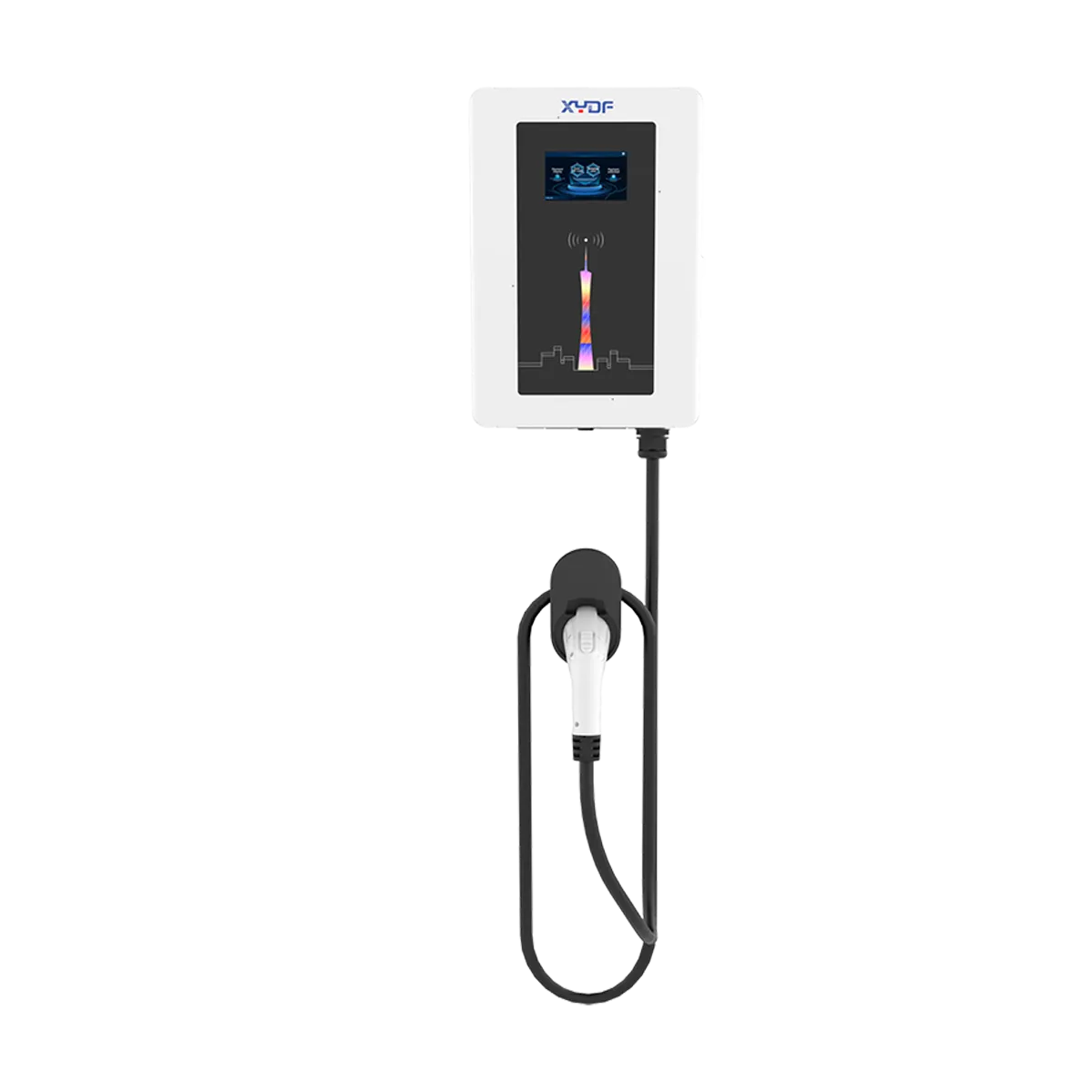
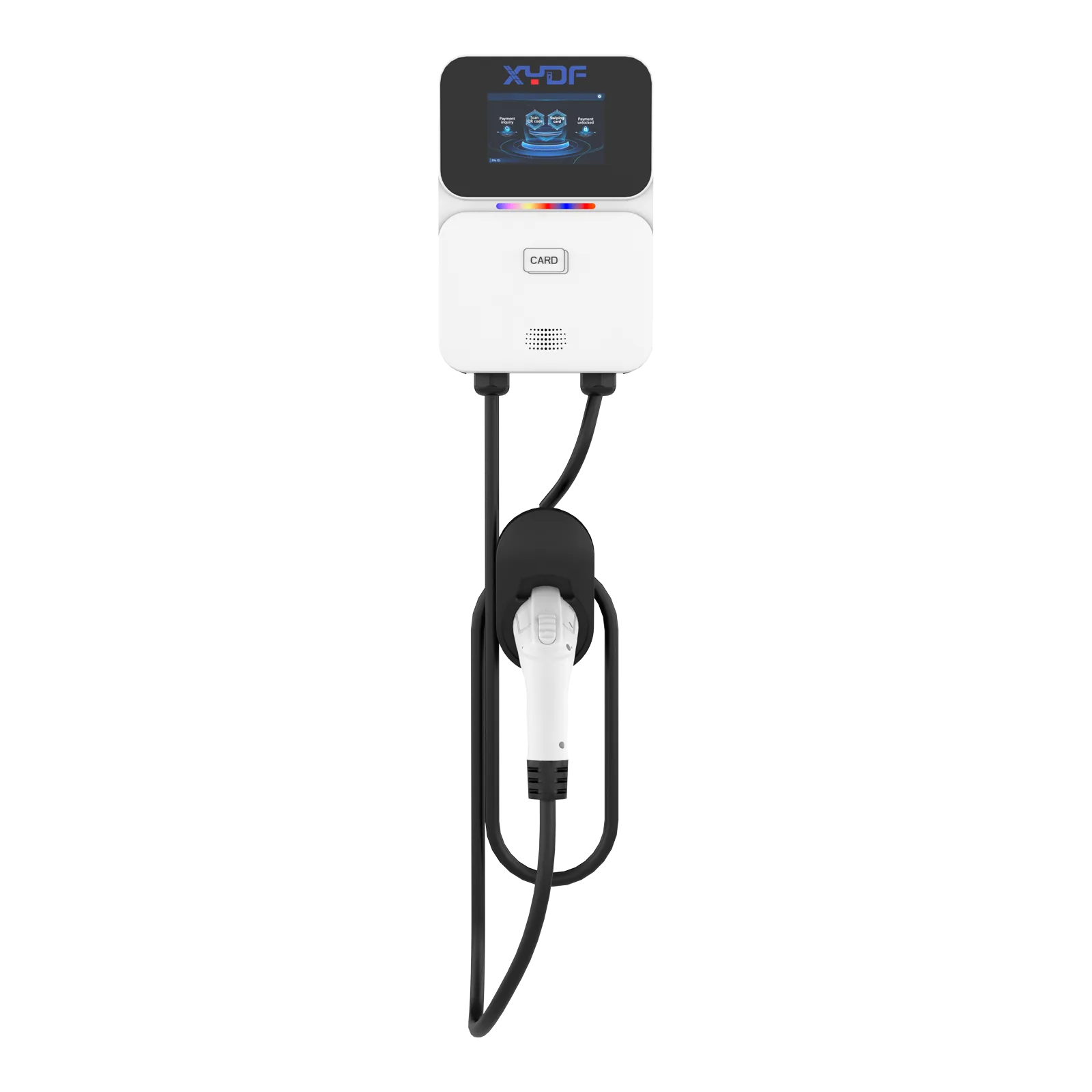
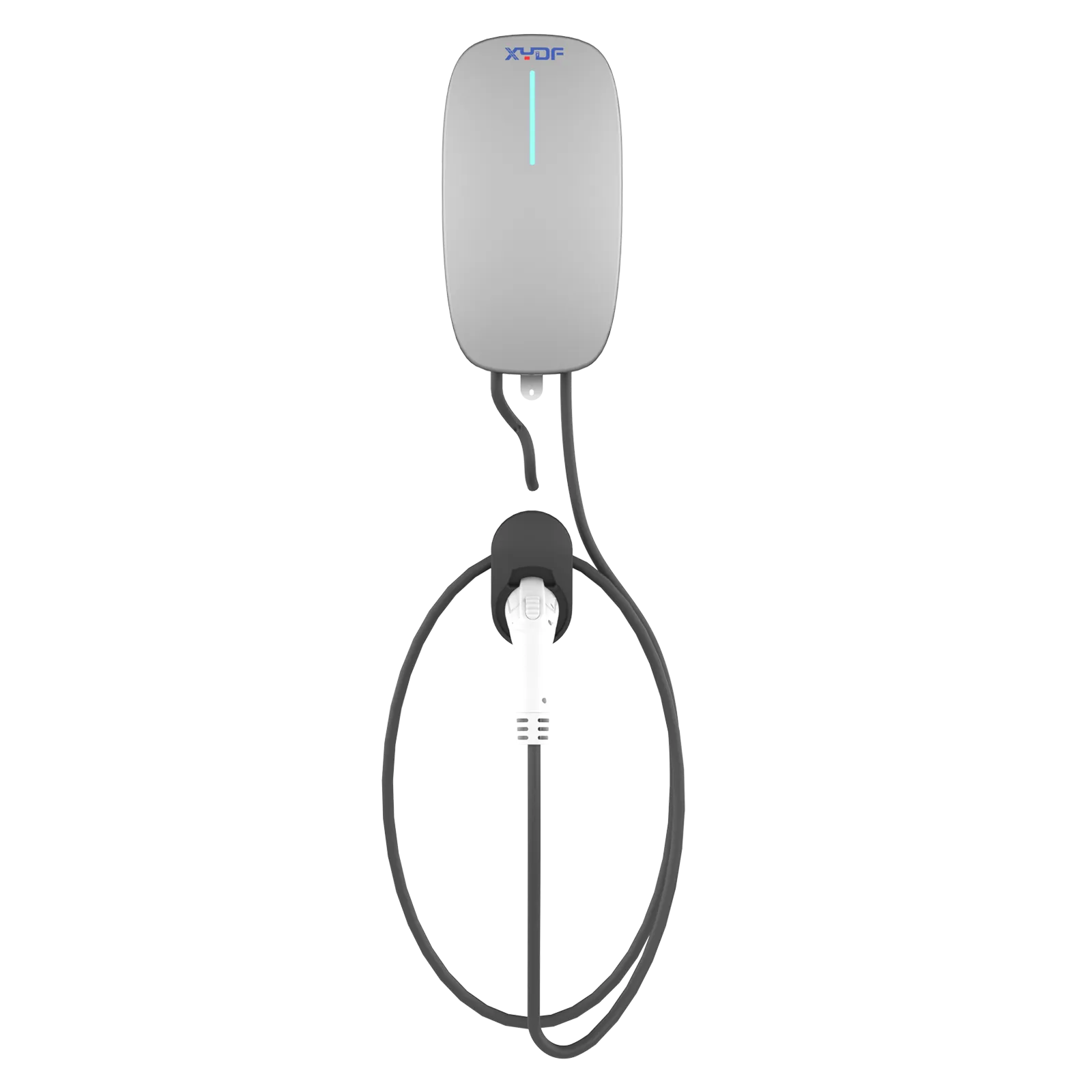
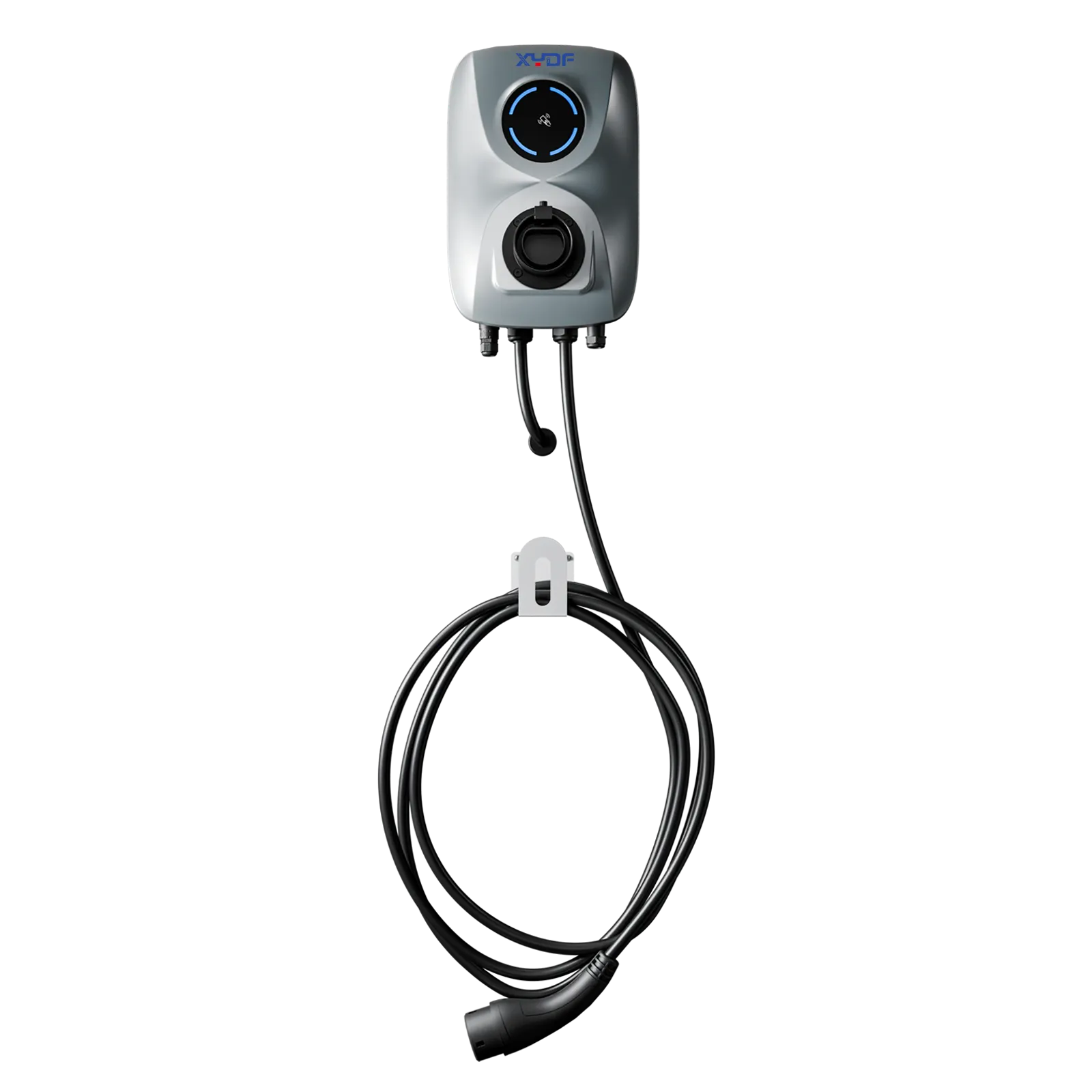
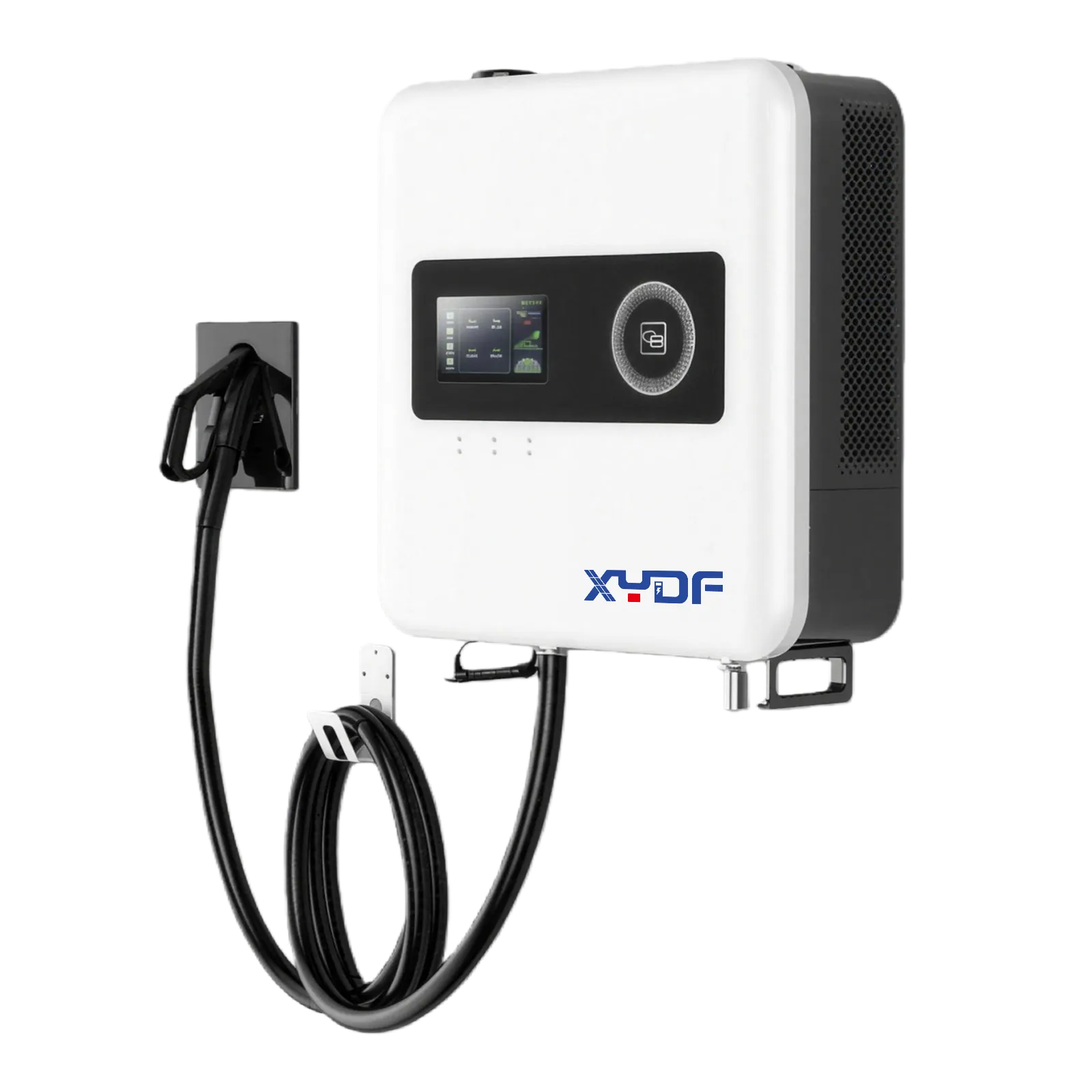
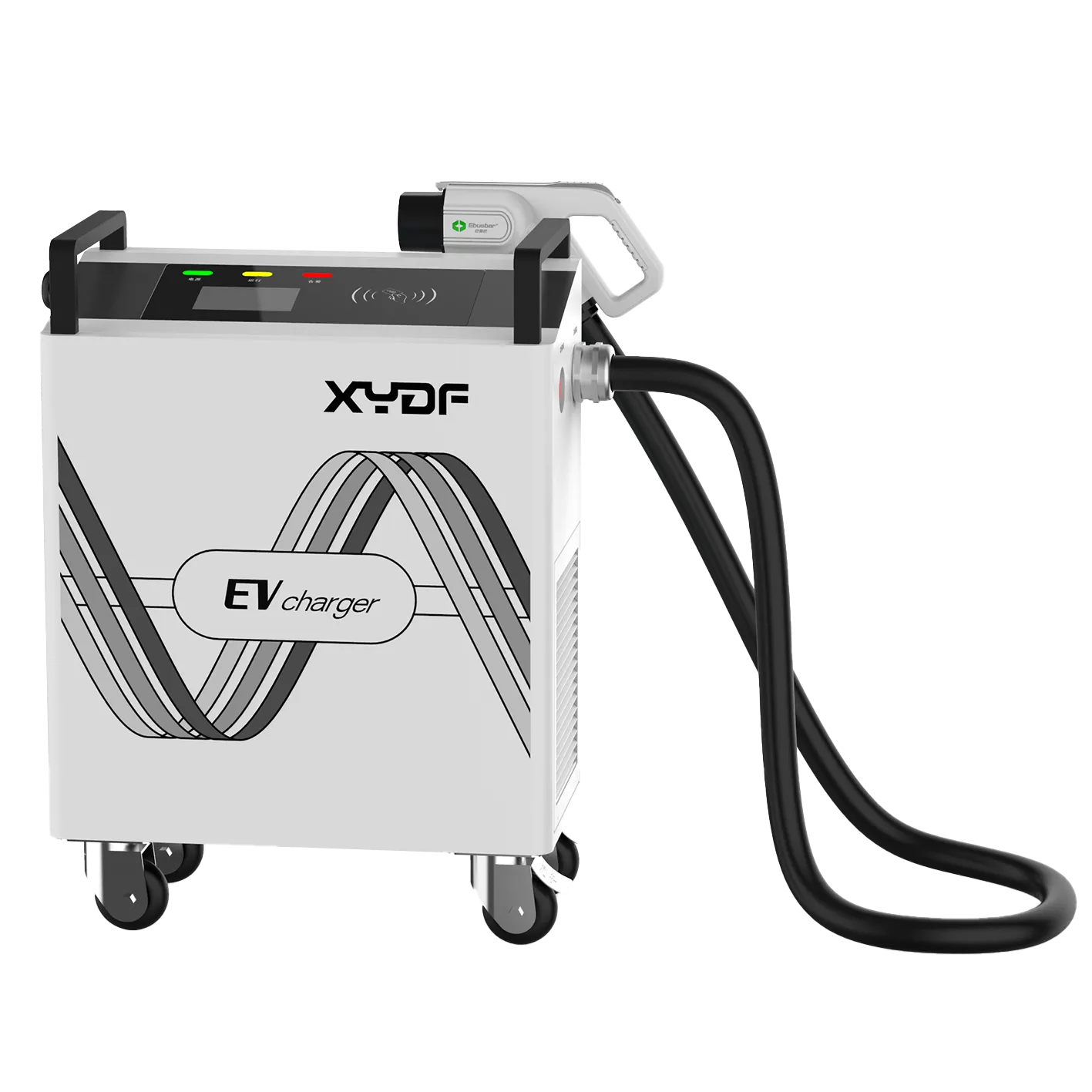
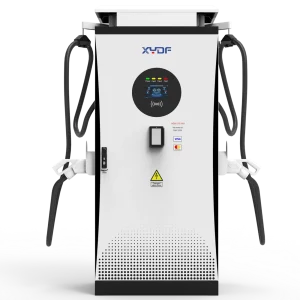
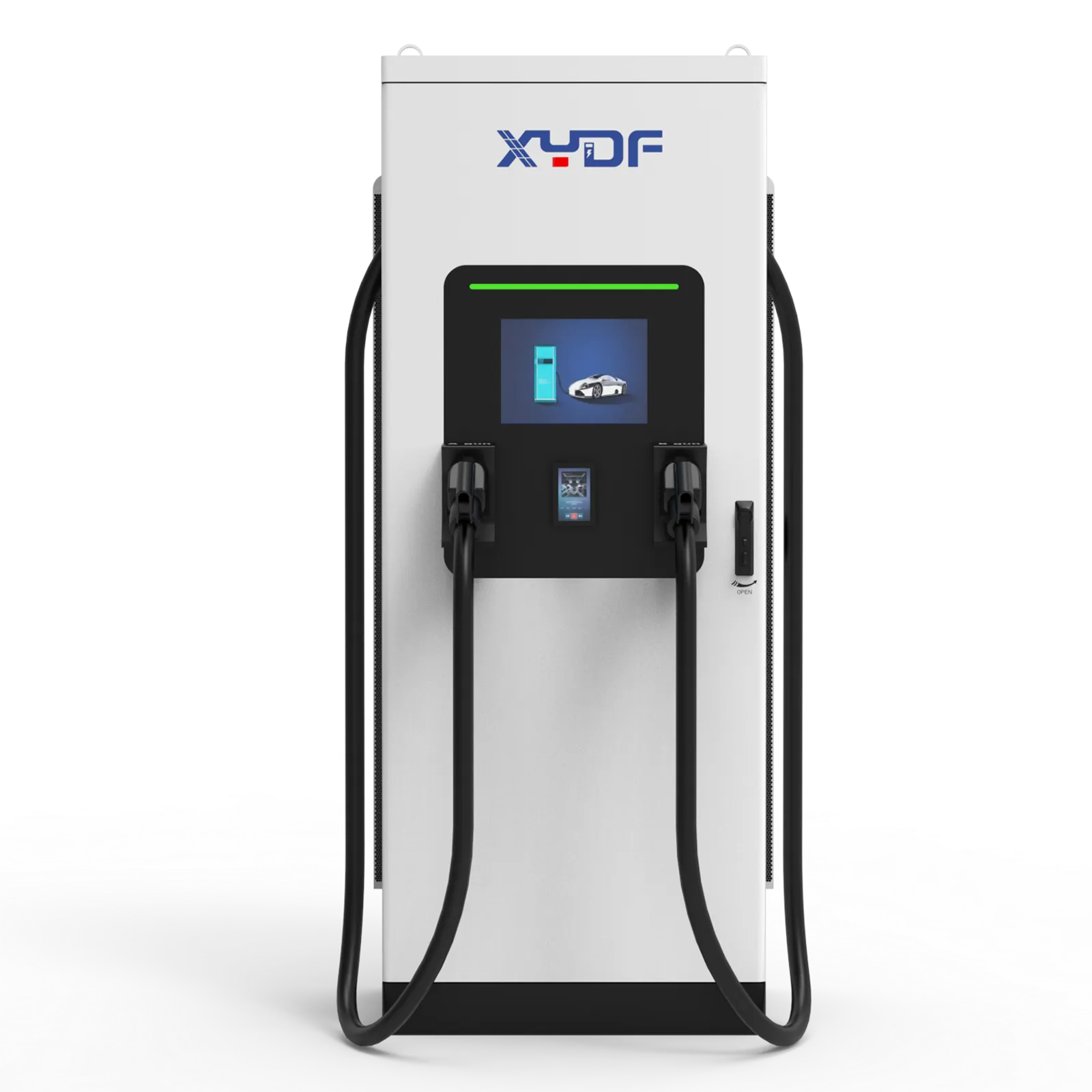
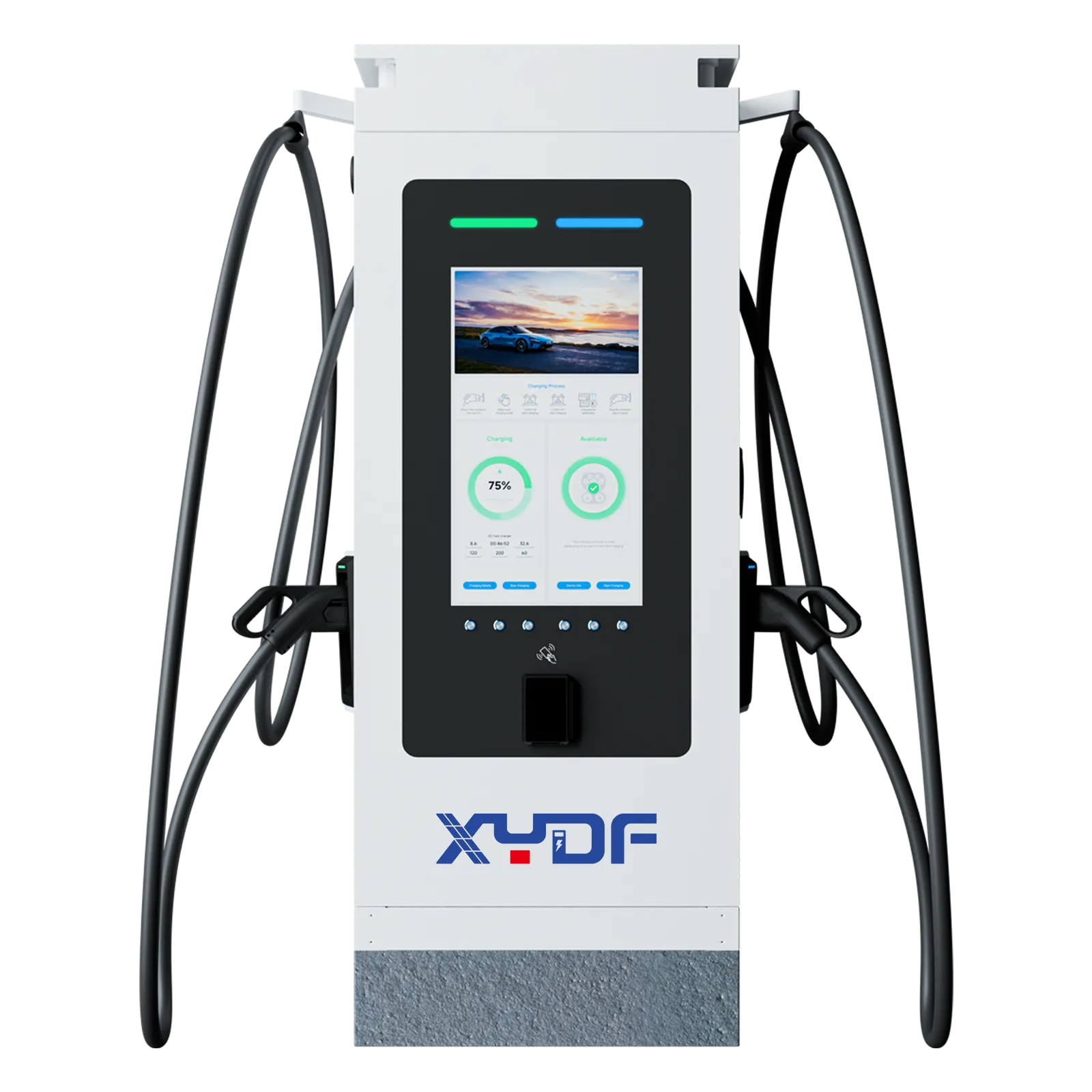
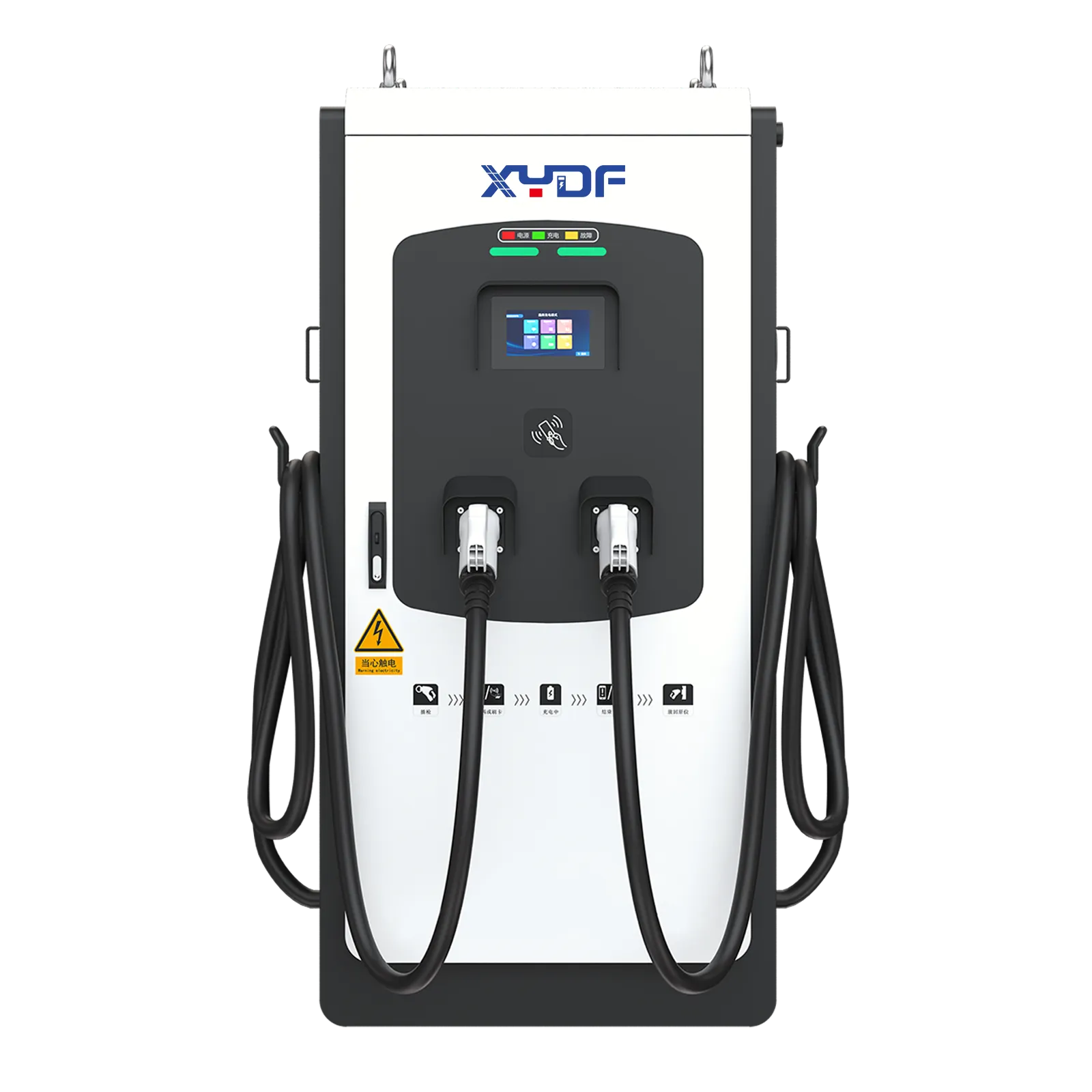
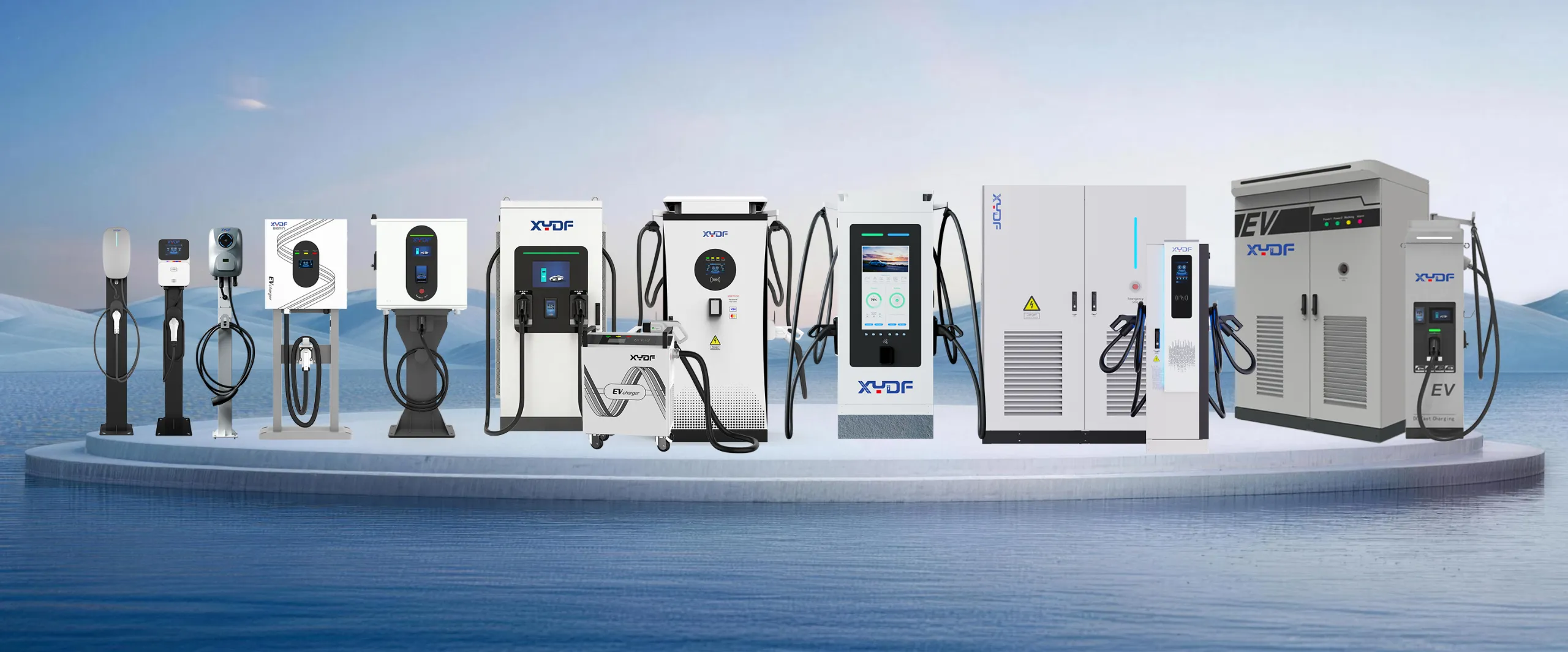
XYDF публикует коммерческие AC и DC платформы под Продукты с поддержкой OEM/ODM, описанной на О XYDF. Перед отбором любой платформы используйте приведенные выше наборы вопросов.
Маршрут покупателя
XYDF начальная точка
Программный акцент
Брендовый кондиционер для рабочего пространства
Серия EC7 / EC22 / E22 включена /продукты/
Язык пользовательского интерфейса, управление нагрузкой, OCPP
Движение смешанное
AC-DC компактные блоки
Брендинг плюс выборочная пропускная способность постоянного тока
Высокопроизводительный общедоступный ЦОД
СЕ серия 80-240кВт платформа
Одновременная подача питания, доступ к сервису, тестирование бэкенда
Part 7. When Is Neither an OEM nor an ODM Program the Right Route?
This guide supports OEM and ODM program selection for commercial and industrial EV charging. It does not replace:
Электротехническое проектирование на объекте или исследования пропускной способности сети
Сертификация соответствия местным правилам электропроводки для каждой страны
Одобрение платежной системы или разрешения на подключение коммунальных услуг
Строительство, гражданские работы или контракты только на ввод в эксплуатацию
Решения о закупках, основанные только на цене, без определения объема услуг
Если поставщик не может определить владение сертификацией, контроль версий прошивки или заводские подтверждения для конфигурации RFQ, считайте одобрение OEM/ODM условным, а не полным.
Neither OEM nor ODM is the right answer when the buyer has no accountable product owner, cannot fund validation, or needs a site-specific electrical and regulatory design that a hardware program cannot provide. It is also a poor fit when the expected volume cannot recover tooling and support costs, when the backend requires unsupported cybersecurity controls, or when the destination authority requires a local approval holder that the proposed contract does not name.
Use a standard catalogue purchase plus an EPC engineering package when the requirement is mainly installation and commissioning.
Use a multi-supplier pilot when interoperability, utilization, or maintenance assumptions are still unproven; set a written exit test before scaling.
Pause sourcing when ownership, certificate scope, or change-control answers remain conditional after the technical clarification round.
For a project-ready quotation, send the completed matrix, target market, connector and power requirements, backend choice, and service boundary through Контакты XYDF. A documented OEM vs ODM EV charger decision protects the buyer long after the first branded shipment.
ЧАВО
В чем разница между программами OEM и ODM для зарядных устройств для электромобилей?
OEM-программы обычно применяют брендинг покупателя и выбранные опции к существующей платформе. ODM-программы могут разделять или передавать больше ответственности за дизайн, прошивку и сертификацию в зависимости от глубины контракта.
Кто владеет сертификатом в программе ODM?
Владение должно быть явно указано в договоре и ответе на запрос котировок. Спросите, кто предоставляет тестовые образцы, кто владеет сертификатом и кто оплачивает повторную сертификацию при изменении спецификации или прошивки.
Какие элементы дизайна покупатели могут настраивать в OEM-маршрутах?
Брендинг, руководства, выбранные пользовательские интерфейсы, упаковка и некоторые конфигурации аксессуаров являются обычными. Инструменты для корпусов, варианты жгутов и функции прошивки должны быть явно включены в объем работ.
Как следует разделить обязанности прошивки и OCPP?
Определите, кто проверяет версии OCPP, пути оплаты, удаленную диагностику и обновления OTA. Запросите демонстрацию сессии на этапе формирования RFQ до принятия обязательств по объемам.
Какие поля в запросе на коммерческое предложение (RFQ) снижают риск OEM/ODM?
Тип программы, модельный ряд, спецификации разъемов и кабелей, область применения пользовательского интерфейса и оплаты, целевой OCPP/серверной части, брендинговые материалы, объем, сроки поставки, гарантия и условия запасных частей должны быть задокументированы.
Когда покупателям следует требовать заводской аудит?
Перед размещением заказов на первые партии и масштабированием фирменных программ проведите структурированный заводской аудит, охватывающий объем производства, прослеживаемость, доказательства испытаний и готовность к обслуживанию.
Может ли один поставщик поддерживать программы OEM и ODM?
Многие производители предлагают оба варианта, но объем и ответственность различаются в зависимости от маршрута. Сравнивайте условия владения, сертификации и поддержки отдельно, а не предполагайте, что один договор охватывает оба.
What is the most important OEM/ODM contract clause?
The most important clause is the change-control and evidence clause: it should define who approves a BOM, enclosure, or firmware change; what retesting is required; and who pays. Without that clause, ownership language can become unenforceable when a component is discontinued.
Does an OCPP claim prove backend interoperability?
No. OCPP is a protocol specification; interoperability depends on the implemented profile, firmware release, security settings, and the chosen CSMS. Require a recorded test on the exact build and document unsupported messages before acceptance.
Can a CE mark replace a local installation approval?
No. CE marking addresses applicable EU conformity obligations, while wiring rules, permits, grid connection, and site inspection remain jurisdiction- and project-specific. Confirm the destination authority’s requirements before treating a declaration as deployment clearance.
the best charger program is the one whose evidence still makes sense when the first field failure, firmware update, or market audit arrives.
Как покупатель может связать заводские доказательства с результатами испытаний на местах?
Соедините каждый заводский контроль с требованием по полевому испытанию: укажите тип и версию испытанного оборудования, определите метод испытаний и критерии их успешного завершения, сохраните данные о калибровке и обнаруженных дефектах, а также повторите критические проверки при принятии оборудования на эксплуатацию с учетом предоставленной конфигурации. Экскурсия или сертификат — это полезный инструмент, но поддающимся проверке цепочка — это конфигурация, доказательства и результат, подтвержденный свидетелями.
Штаб-квартира и фабрика в Чжэцзяне:
№ 2, улица Чанцзян, промышленный парк Вэньчжоу Бридж, город Бейбайсян, город Юэцин, город Вэньчжоу, провинция Чжэцзян
Шэньчжэньский филиал:
1-й этаж, здание А, промышленный парк Шэнькай, сообщество Тантоу, район Шиянь, район Баоань, Шэньчжэнь
Мы используем файлы cookie для обеспечения работы этого веб-сайта и, с вашего разрешения, для измерения того, как посетители используют наш сайт зарядки электромобилей. См. наши Политика конфиденциальности для получения подробной информации.
 Синьцзя Дунфан Электрик Технолоджи Ко., Лтд.