Comparing Chinese EV Charger Manufacturers on Lead Time and Supply Capacity
Jul 23,2026
Blog
A schedule is a chain, not a single number
Commercial terms become useful only when they are tied to a verifiable delivery and acceptance sequence. Align the requested configuration, change-control point, production and inspection milestones, packing and transport responsibilities, Incoterms, warranty start, spare-parts obligations, and remedies for nonconformance. A low unit price or short quoted lead time is not comparable when the scope and handover evidence differ. For the public planning context, see U.S. DOE Alternative Fuels Data Center electricity guidance; the site-specific acceptance record still controls the final decision.
Two suppliers can both promise shipment “in eight weeks” while counting different milestones. One may count from deposit to factory dispatch; another may count from approved sample and exclude ocean transit. Schedules slip when milestones, capacity reservation, and delivery terms are not comparable. A staged schedule with evidence makes the risk visible.
EV charger manufacturer lead time should be compared by decomposing engineering, approvals, material purchasing, assembly, testing, booking, transit, customs, and site acceptance. Capacity claims should be tied to the exact model, staffed stations, shift pattern, and a named production slot. Use a pilot-to-volume gate and an Incoterm-specific logistics plan before awarding repeat business.
Lead-time quotes are comparable only when they are split into the same stages: pre-production, including engineering, samples, and approvals; production, including materials, assembly, and testing; and freight. A single “6-8 weeks” line hides where the risk sits, and supply-capacity claims deserve the same treatment—tested against observable inputs, not brochure numbers.
Decompose every lead-time quote into the same stages
Break every quote into stages before comparing suppliers. The Joint Charging sourcing guide publishes staged ranges by order type. For example, its ODM scenario includes several weeks of pre-production for tooling, firmware, and sample approval, followed by production and ocean freight; it notes that hardware-level customization stretches the pre-production stage the most.
Settle the order structure before comparing numbers. A private-label order of standard models ships faster than an ODM order with firmware changes, which in turn ships faster than custom hardware. The OEM vs ODM buyer questions article explains how to make that choice.
Material purchasing, assembly, burn-in, final test
Weekly output for the ordered model and slot confirmation
Freight
Booking, sailing, customs
Transit window to the destination port with the season stated
Carry the schedule through site acceptance
For pre-production, freeze drawings, firmware, connector, language, samples, and compliance documents; record buyer approval dates.
For material readiness, request a bill-of-materials risk list, long-lead components, approved alternates, and evidence that deposits trigger purchasing.
For production and testing, obtain the line, shift, cycle-time assumption, burn-in, and final-inspection plan for the ordered model.
For freight and import, define the port pair, booking cutoff, transit estimate, customs broker, document set, and contingency for transshipment or inspection.
For site acceptance, include delivery inspection, commissioning, backend integration, vehicle tests, and punch-list closure in the project schedule.
Test supply-capacity claims against observable evidence
Capacity is verifiable because it is physical. A structured check counts what exists and measures what moves. The Eastar SCM capacity-audit method calls for active lines and stations for the product category, operators actually at those stations, posted shift schedules, and a timed production run of the exact model to calculate real output per shift.
The same discipline works from a distance. The Klitv buyer’s guide suggests requesting monthly capacity for the specific model, the number of assembly lines, and whether board assembly and enclosure fabrication are in-house. Ask for a live walkthrough instead of a marketing video, cross-check stated capacity against historical shipments, and keep the evidence beside the factory-audit checklist for a later site visit.
Ask the supplier to demonstrate a timed run on the same configuration, identify staffed bottleneck stations, and show how the planned volume fits alongside existing orders. A spreadsheet of theoretical annual output is not proof of available capacity; production slot reservation must be documented.
Capacity that is not reserved can be reassigned. Eastar SCM describes factories reallocating “production slots to higher-bidding local clients mid-order” as “a very common pain point for first-time overseas buyers sourcing during peak holiday production seasons” (capacity-audit method).
Compare suppliers with the same evidence set
Dimension
Evidence to request
Risk if absent
Lead-time definition
Dated stage gates and start event
“Weeks” cannot be compared
Capacity
Timed run, shift plan, reserved slot
Order is displaced by other work
Quality release
Inspection plan, test records, nonconformance process
Rework consumes schedule
Pilot-to-volume
Golden sample, change control, and first-article approval
Mass build differs from pilot
Logistics
Incoterm, named port, documents, insurance responsibility
Unexpected cost or customs delay
Verify the producing entity, pilot, and compliance scope
Trading companies can serve a purpose, but their quoted lead time depends on someone else’s line. Verification points that separate a manufacturer from a reseller include the business-license scope, factory-address consistency across documents, in-house test equipment visible during a live walkthrough, and engineering staff who can answer model-level questions directly.
Certificates need the same scrutiny. An ISO 9001 certificate should be current, name the actual production entity, and cover the product category being purchased. A certificate scoped to a different entity or category is a schedule risk disguised as a credential.
Use a pilot to control the transition into volume production
Use a pilot or first-article order to confirm connector fit, firmware, labeling, packaging, electrical tests, and backend behavior. Freeze a golden unit, require written deviation approval before volume production, and tie progress payments to objective gates rather than elapsed calendar time. This pilot-to-volume approval reduces the risk that the mass build differs from the accepted sample.
Audit the factory and the destination-market evidence
Verify the legal entity, factory address, ownership of tooling, subcontracted processes, and whether the quoted line actually builds the ordered model.
Review quality-system certificates for current validity, issuing body, named entity, and scope. ISO 9001 is a management-system standard, not proof that a charger is electrically certified.
Request applicable electrical, EMC, cybersecurity, and connector test reports for the destination market. IEC or SAE references describe requirements; local authorities decide which edition and approvals apply.
Define change notification for components, firmware, factories, and subcontractors; require traceability by serial number and batch.
Convert schedule evidence into contract and logistics controls
Ask for the supplier’s on-time delivery percentage over a recent period, and fix the definition in writing: which dates count, what window qualifies as on time, and how partial shipments are treated. The Joint Charging audit table treats on-time delivery history and capacity headroom above the order volume as standard audit points.
Use contract clauses to convert history into commitment:
a staged schedule with dated milestones and a named production slot;
a capacity or line-time reservation for repeat orders;
a notification duty when any milestone slips, with a recovery plan;
agreed consequences for late delivery, matched to the project’s actual exposure.
Define Incoterms and logistics responsibilities explicitly
State the Incoterm and named place under Incoterms® 2020 from the International Chamber of Commerce. Under EXW, FCA, FOB, CIF, DAP, or DDP, responsibility for export clearance, main carriage, insurance, import clearance, duties, and risk transfer differs. Confirm who books freight, owns demurrage, supplies customs documents, and handles damage claims; the term alone does not guarantee a delivery date.
Size buffers for the season, freight lane, and site program
Peak demand periods add real weeks. Published sourcing guidance adds two to four weeks across order types during high-demand quarters, and the YD import guide frames a full order-to-delivery window that combines production lead time with destination-dependent ocean transit.
Project-side planning should absorb this rather than hope it away. Anchor the equipment schedule to utility connection, civil works, and commissioning dates using the sequencing logic in the commercial EV charging infrastructure planning guide. Hold a buffer sized to the season and freight lane rather than a fixed rule of thumb.
Test XYDF’s schedule fit for the specific order
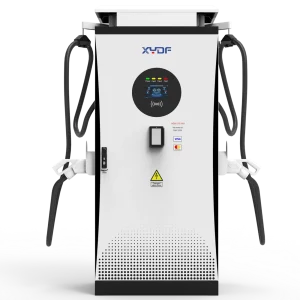
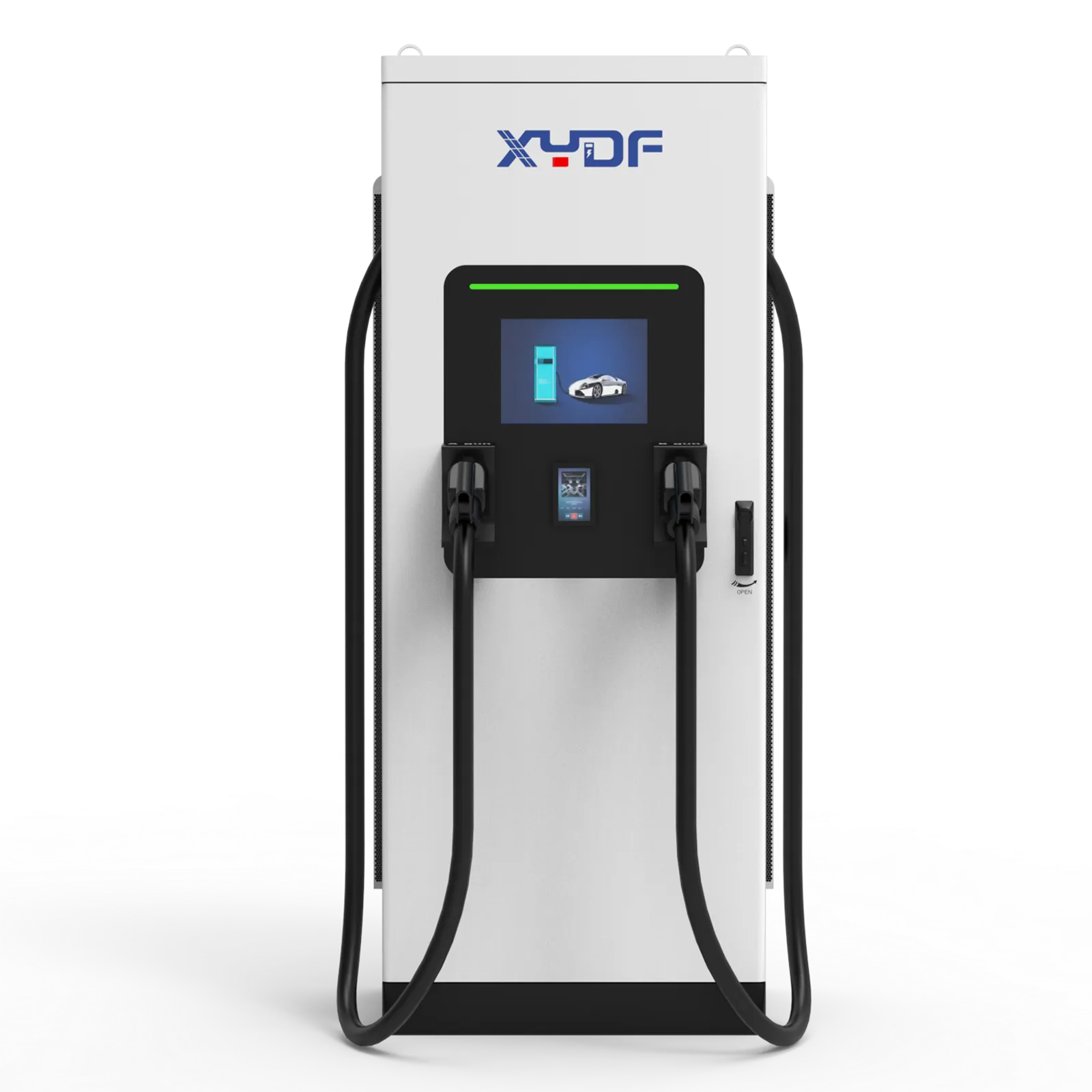
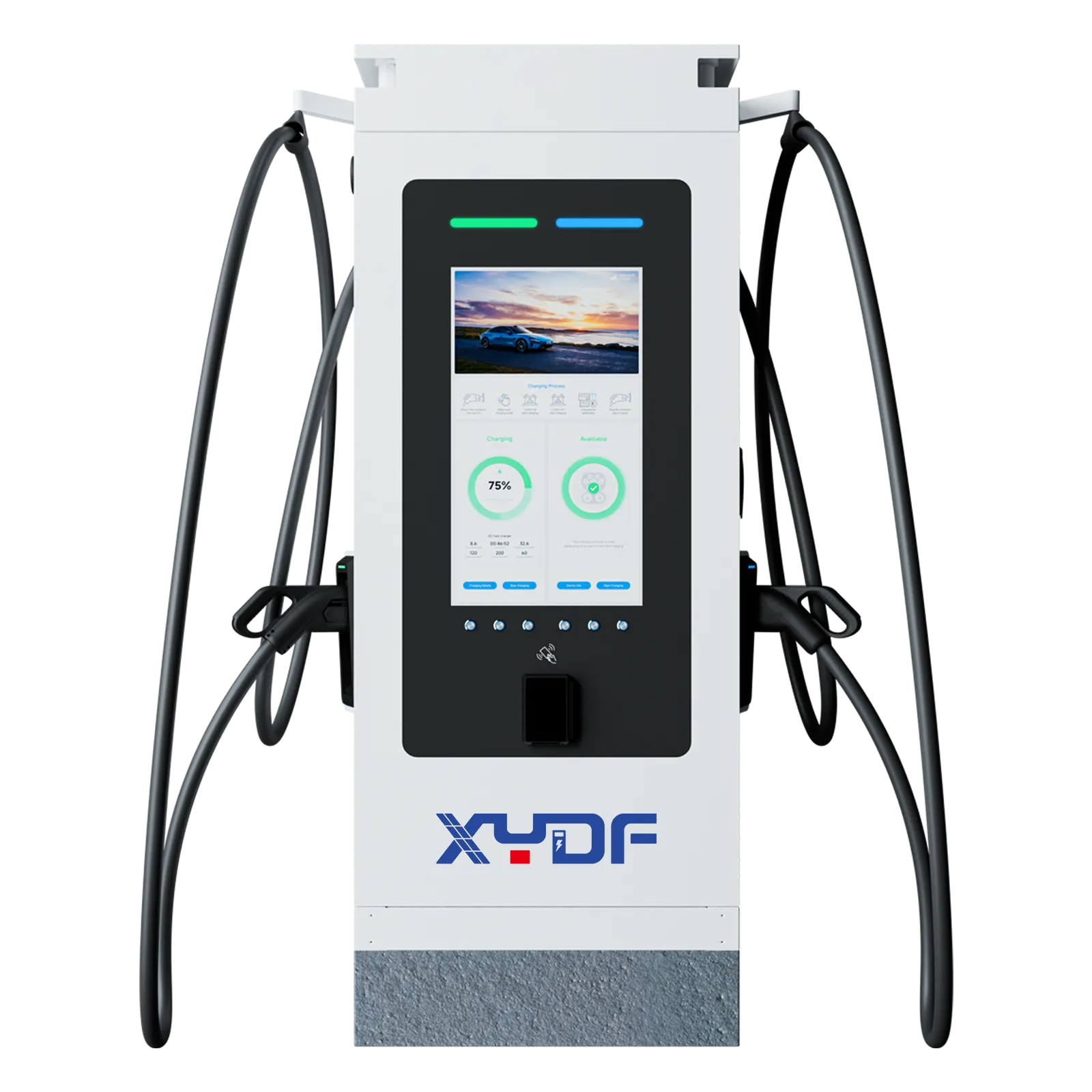
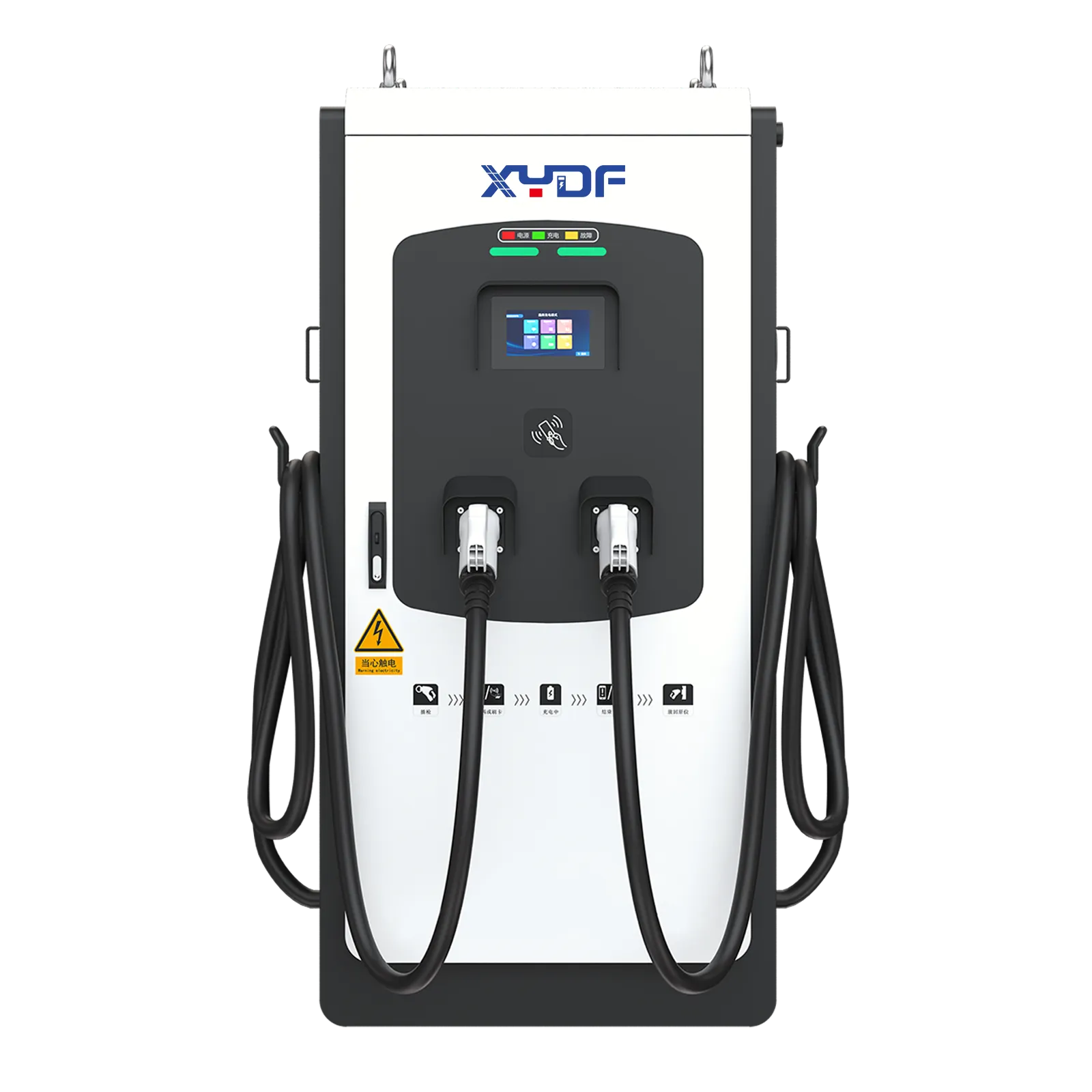
XYDF publicly states about 40000 square meters of factory area, 200+ staff, and around 20 R&D engineers on its official site. These are official self-published figures that a buyer can probe with the verification methods above rather than accept as a schedule promise.
The practical test is order-specific. Send these inputs and ask for a staged schedule:
Buyer should provide
Why it matters
Model or range, quantity, connector standard, target market
Sets production stages, testing, and the compliance path
Required delivery date and acceptable window
Lets XYDF quote a dated, testable schedule
Order pattern: one-off, repeat, or annual frame
Enables slot reservation instead of best-effort quoting
Destination port or project site
Fixes the freight leg so quotes compare like for like
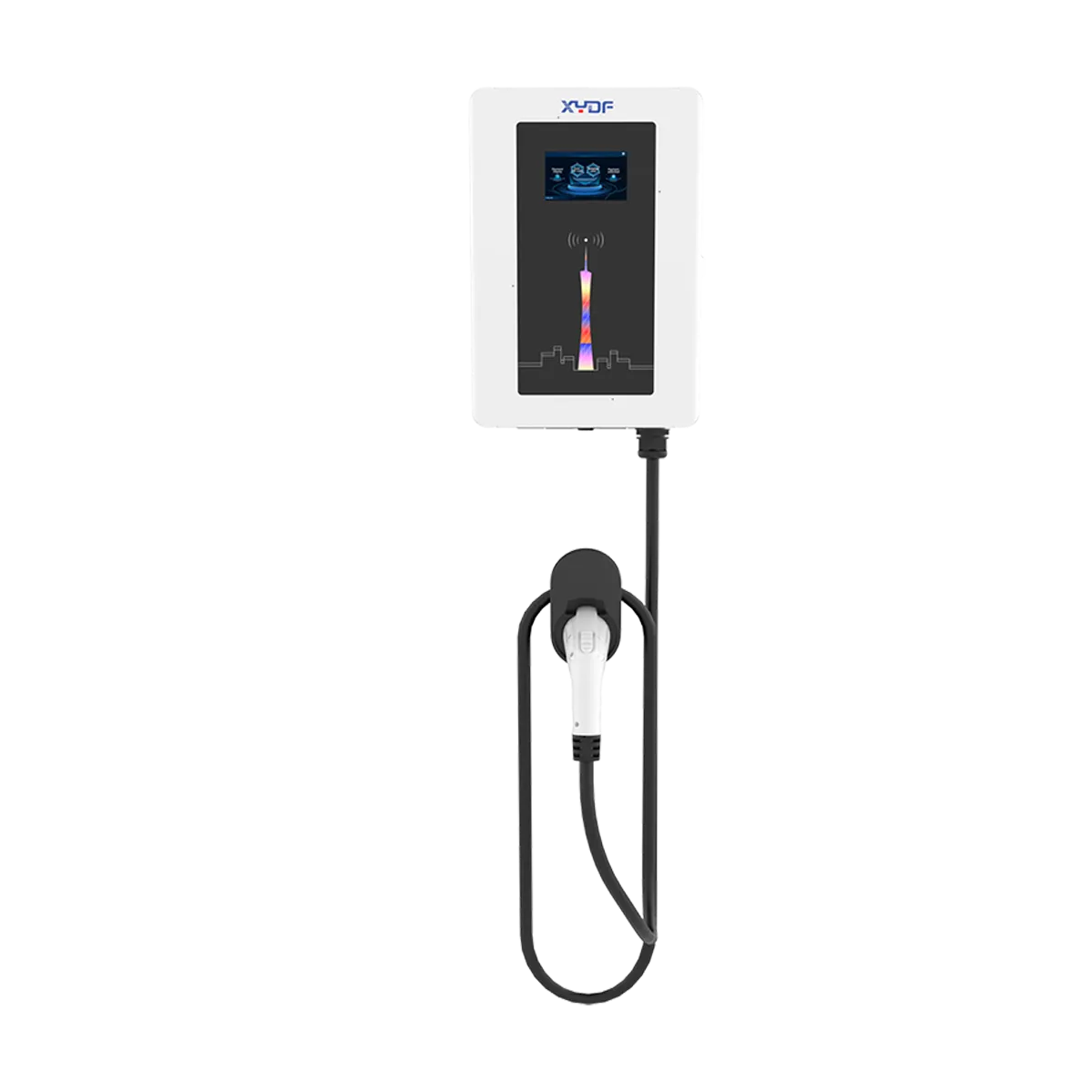
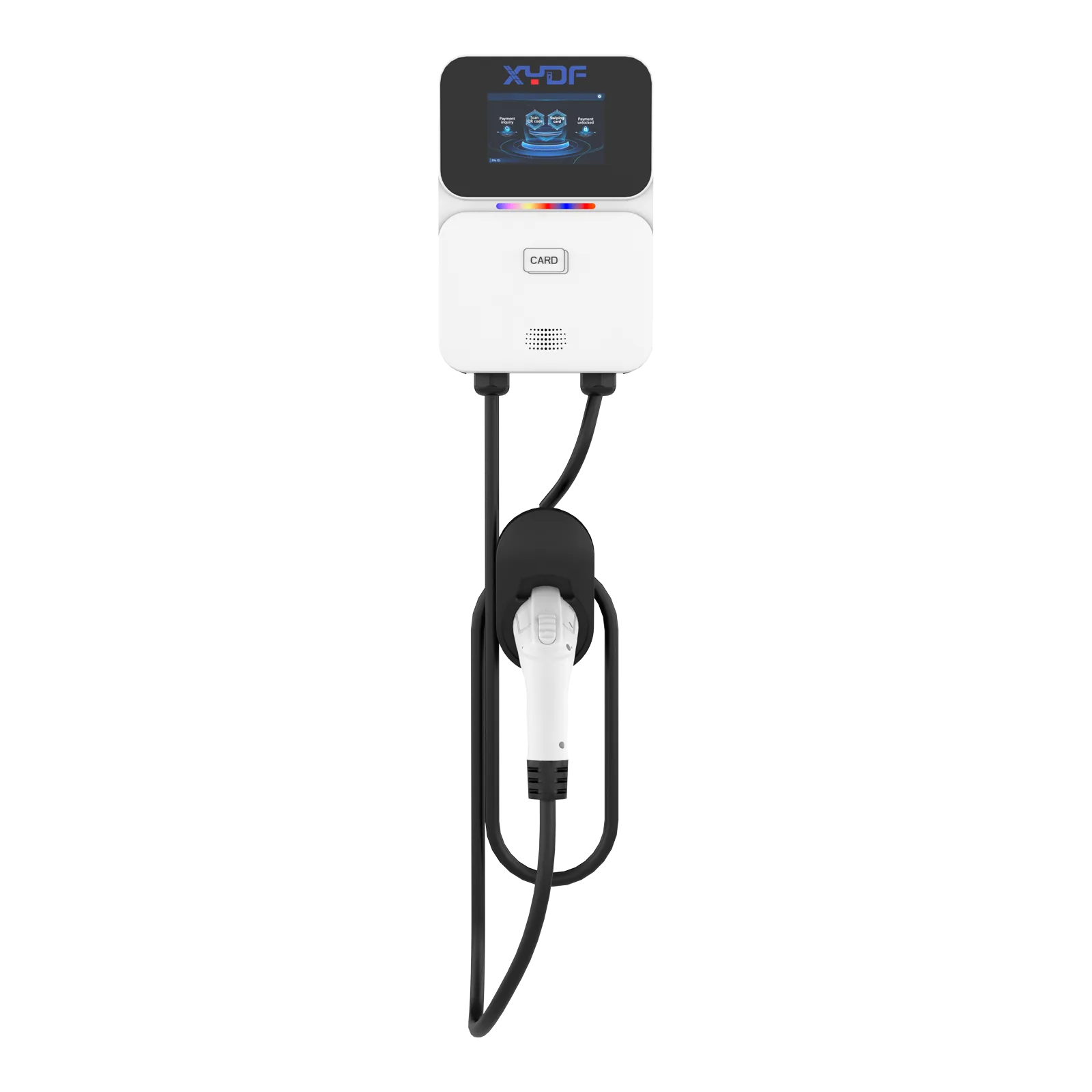
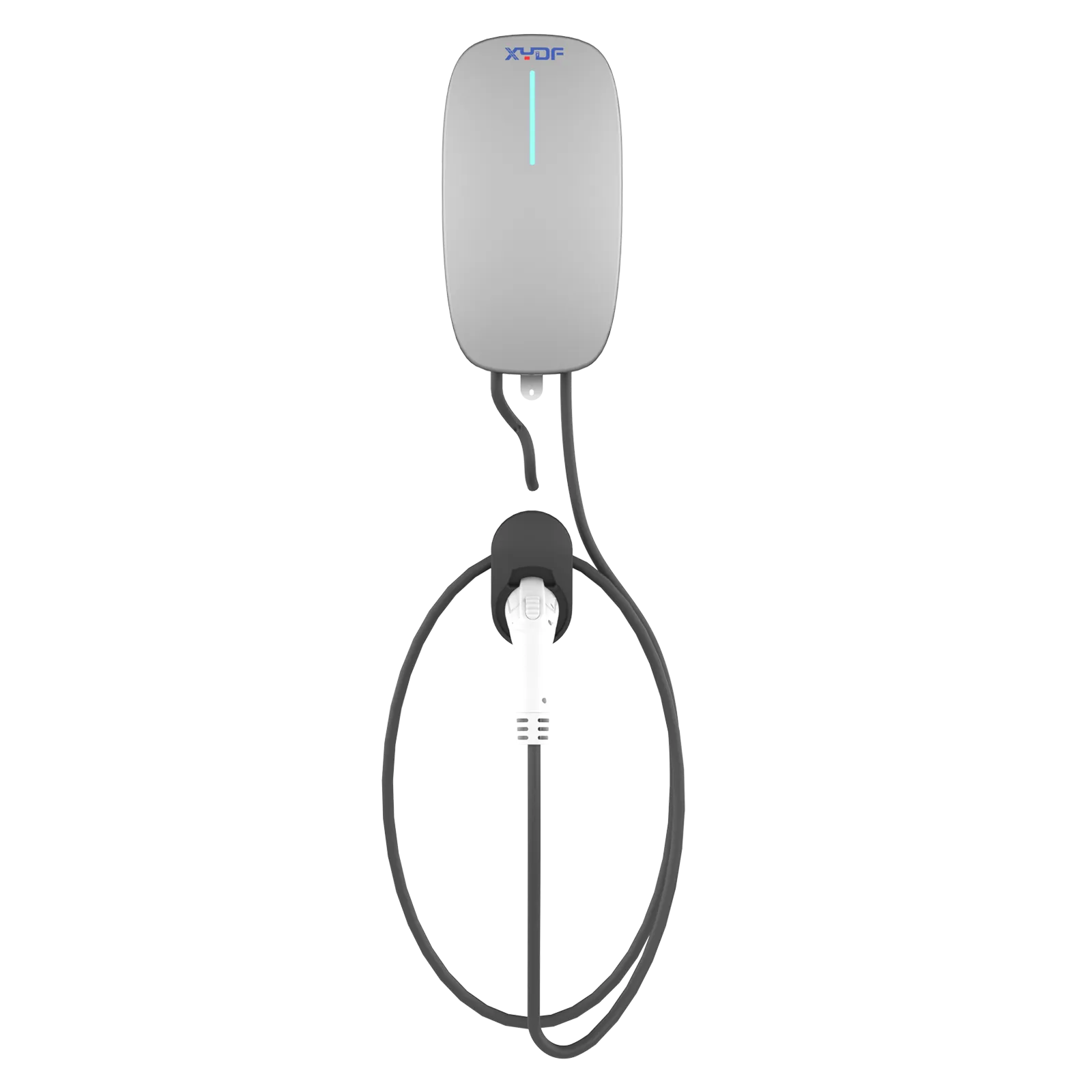
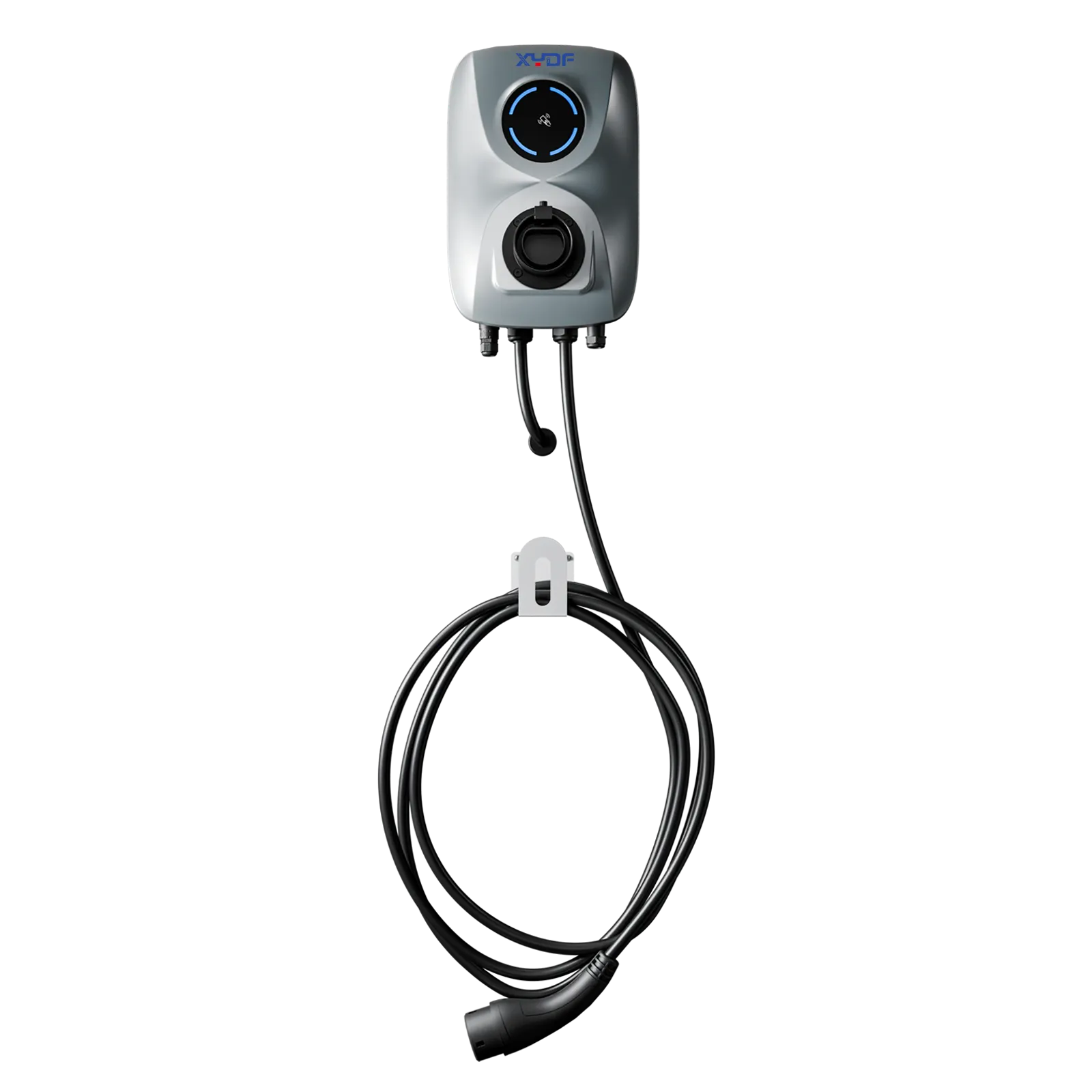
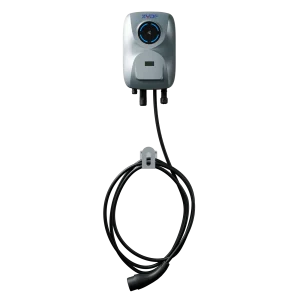
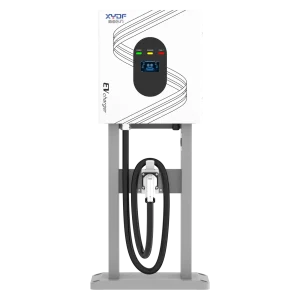
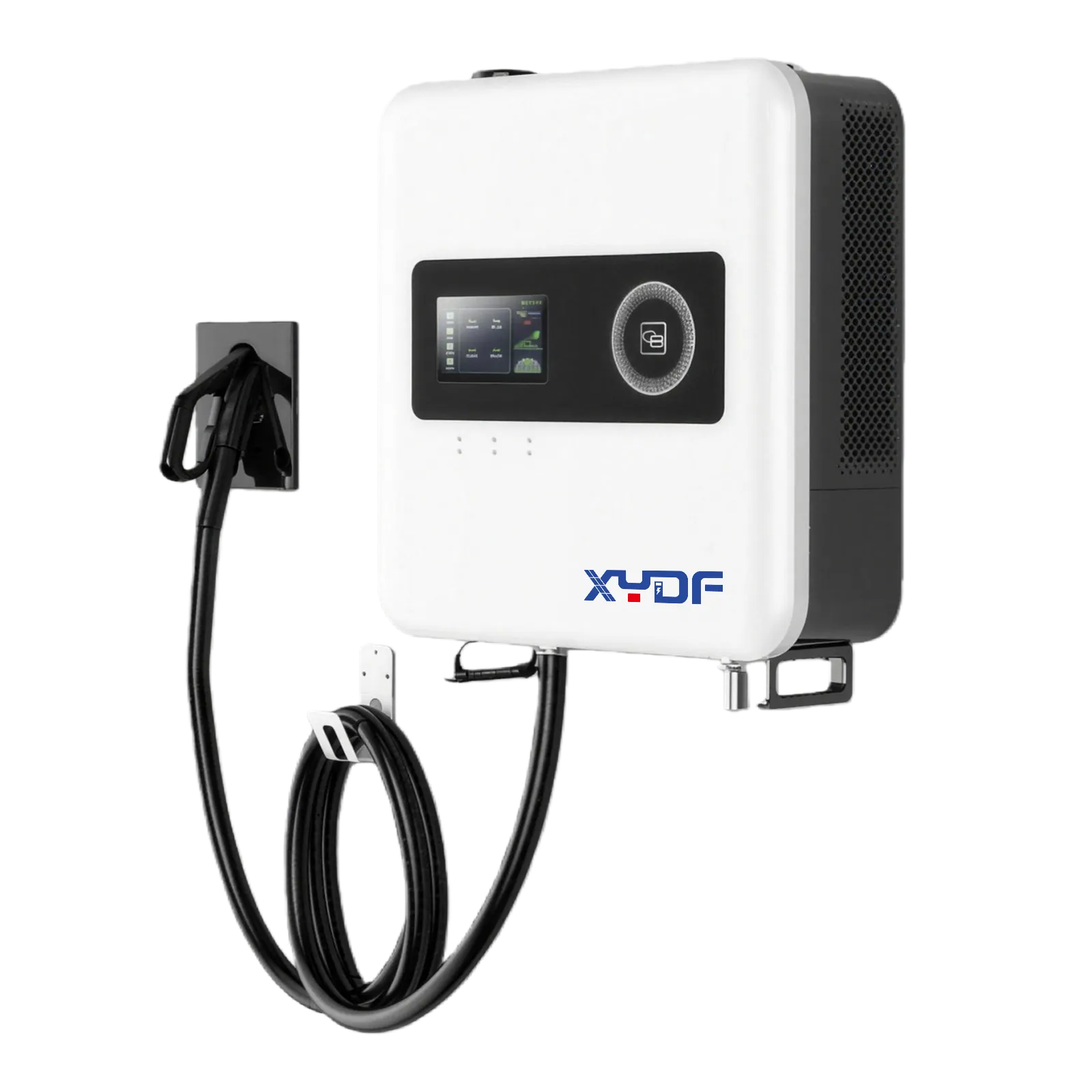
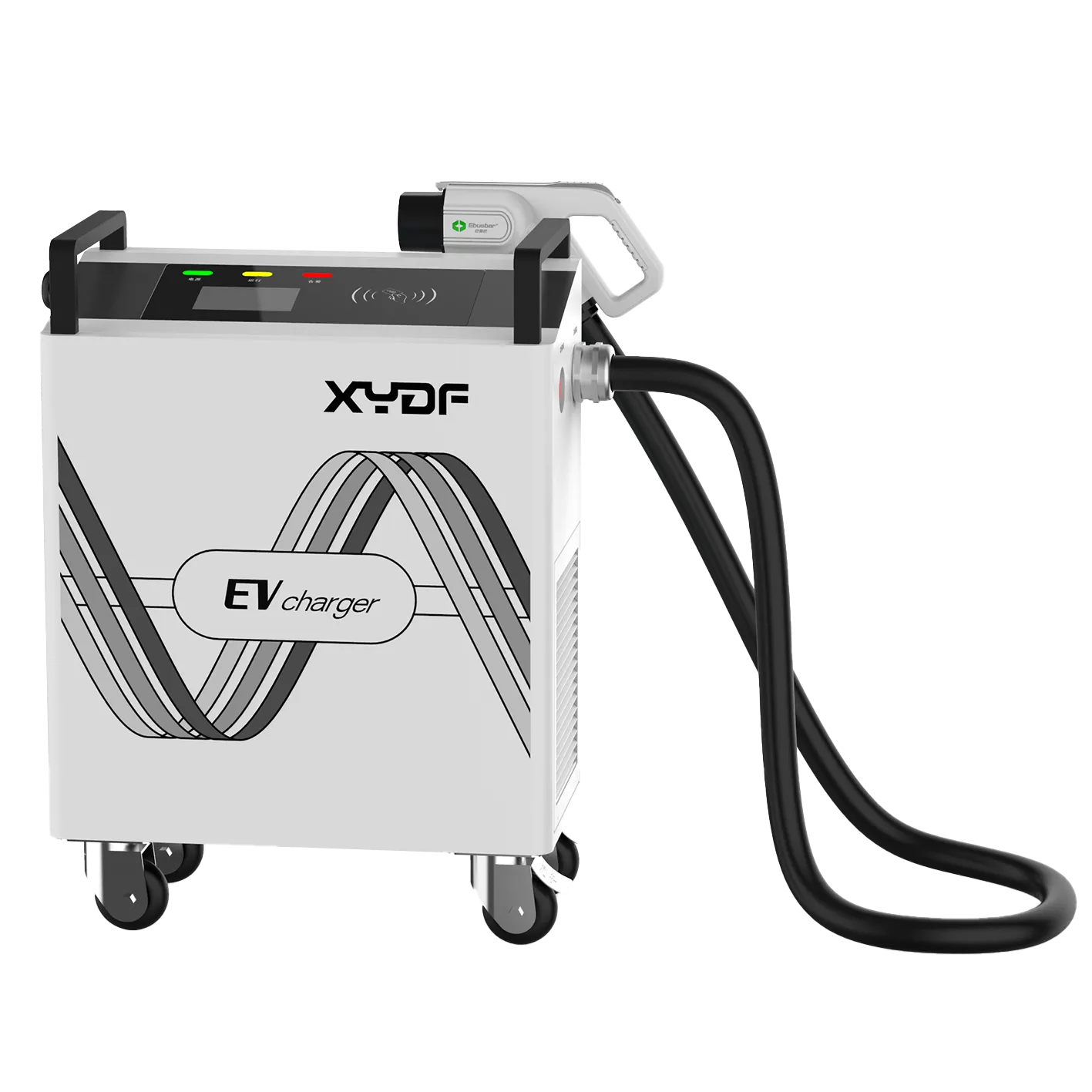
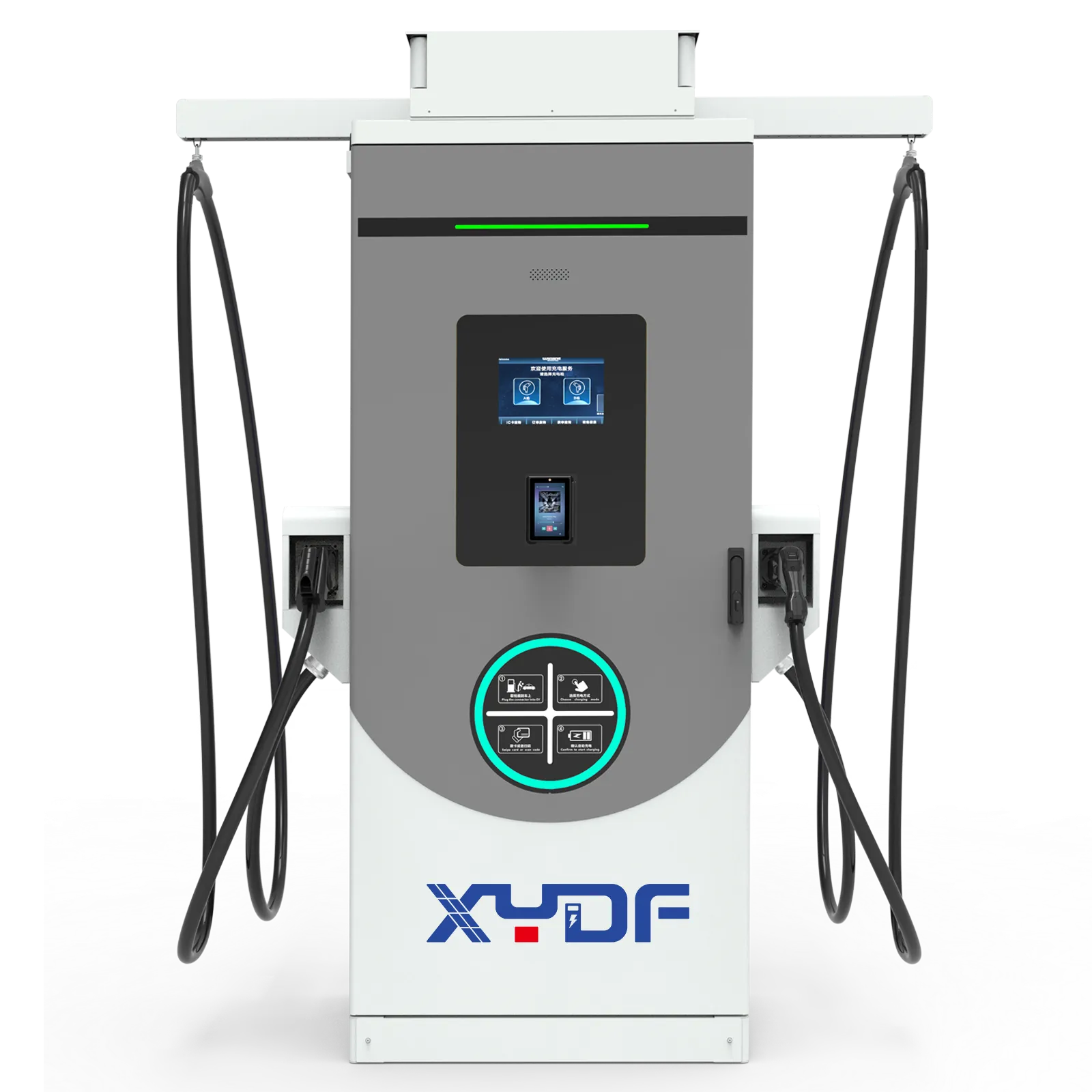
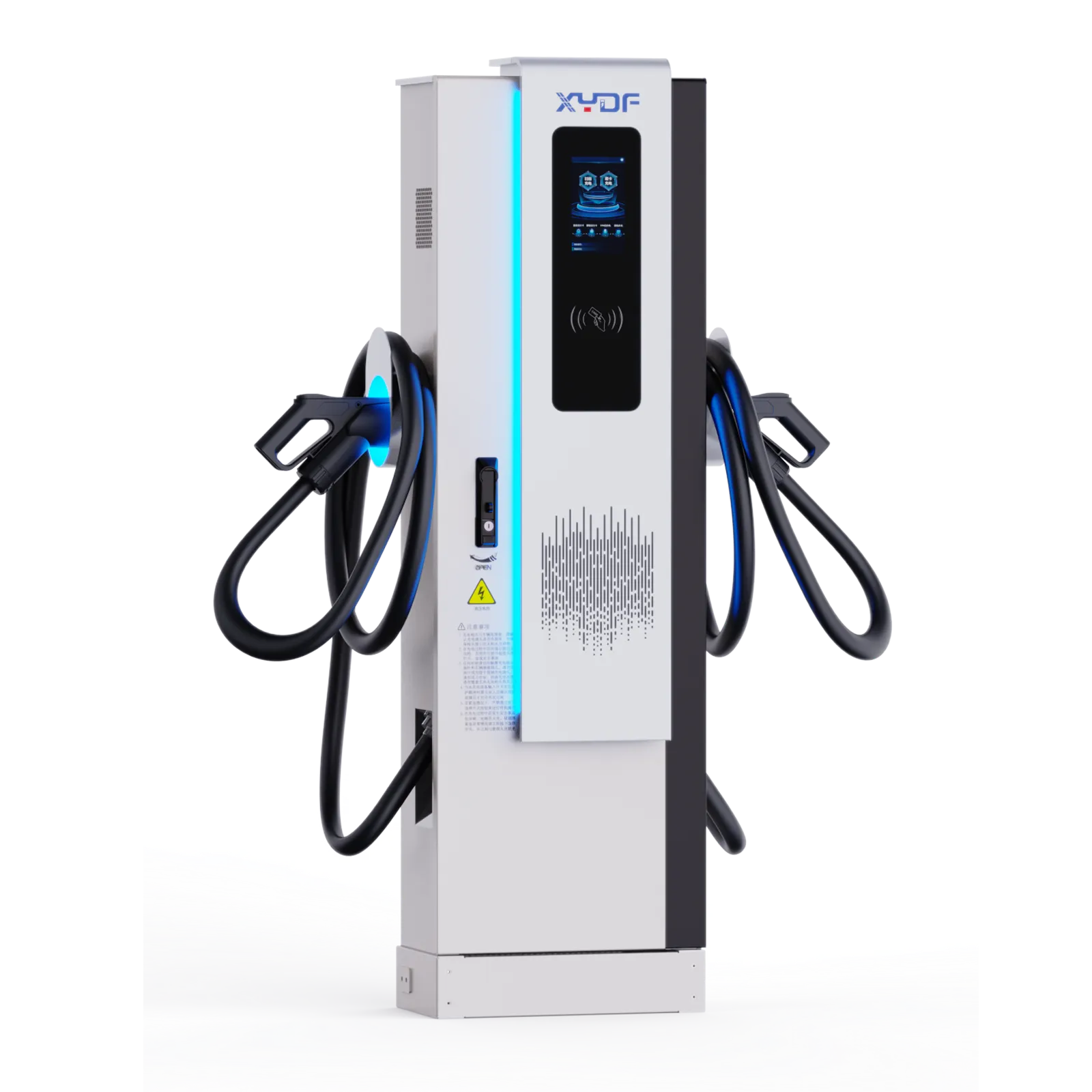
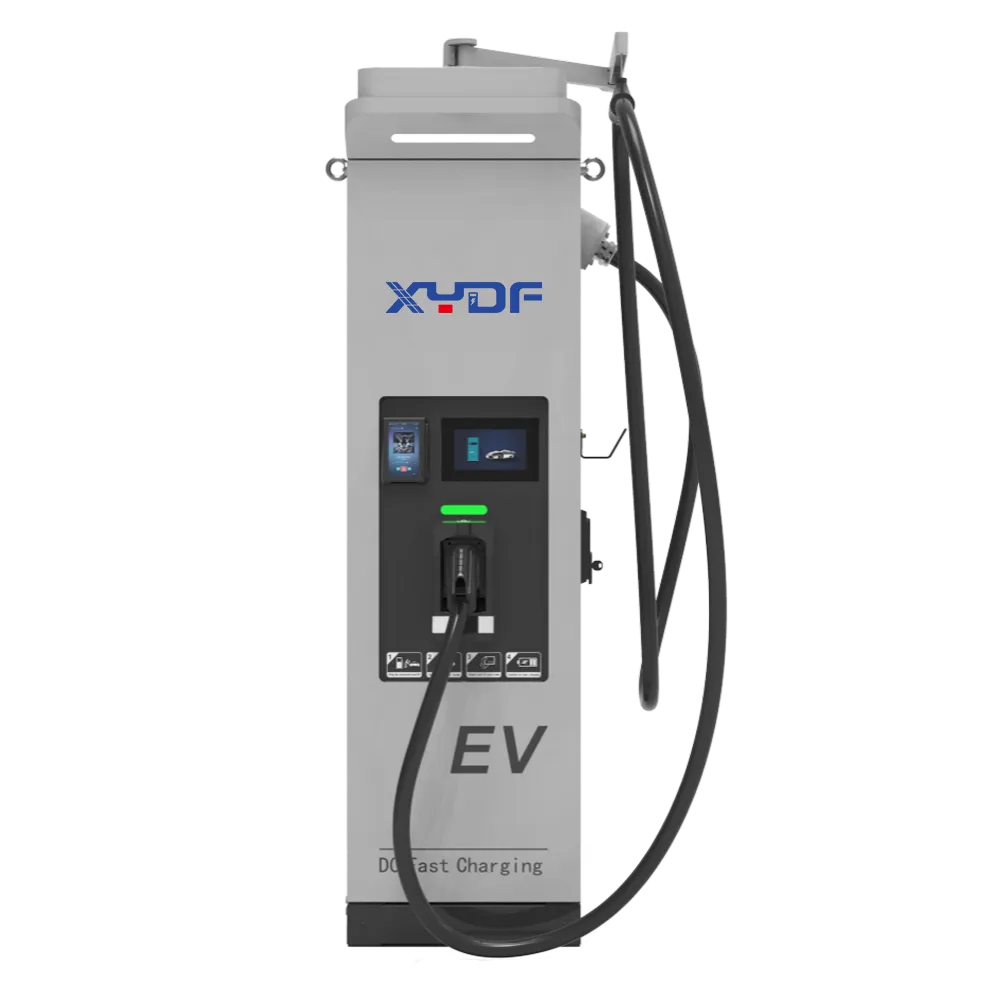
Start from the XYDF EV charger product range, narrow the scope to the DC fast-charger range or the AC charger range, then request a staged schedule and capacity confirmation for the exact order through the contact page. This guide is for buyers comparing manufacturers before volume orders; it does not rank suppliers, and it does not replace an on-site or third-party capacity audit for large commitments.
Frequently asked questions
What is a realistic lead time for an EV charger order from China?
Published sourcing guidance quotes staged ranges: roughly one to two months end to end for standard private-label orders, and three to six months when custom engineering is involved. Treat any single-number quote as incomplete until it is staged.
What should an EV charger lead-time quote include?
It should state the start event, engineering and approval gates, material readiness, production and test duration, freight lane, customs assumptions, and site acceptance. Ask the supplier to identify exclusions and dependencies in writing.
How do you verify a manufacturer’s production capacity?
Count observable inputs—active lines, staffed stations, and shift schedules—and test cycle time on the exact model, or have a third party do so. Cross-check stated capacity against shipment history.
How can buyers verify a Chinese manufacturer’s capacity?
Request a live or audited view of staffed stations, shift schedules, bottleneck cycle time, current commitments, and a reserved slot for the ordered model. Cross-check these with shipment history and a timed sample run.
How can buyers tell a manufacturer from a trading company?
Check the business-license scope, match factory addresses across documents, request a live production walkthrough, and confirm that certificates name the producing entity and product category.
What on-time delivery information should buyers request?
Request a recent on-time delivery percentage with its definition: which dates count, the on-time window, and how partial shipments are scored. Then write the definition into the contract.
How much schedule buffer should be added for peak seasons?
Sourcing guides commonly add two to four weeks during high-demand quarters, on top of the freight window for the destination. Size the buffer to the season and lane, and confirm it with the supplier.
Does a big factory guarantee a short lead time?
No. Floor area and headcount say nothing about the line time reserved for the order. Ask for a named production slot and a reservation clause for repeat volume.
Why is a pilot needed before volume production?
A pilot exposes connector, firmware, packaging, labeling, and backend issues while change is still inexpensive. Approve a golden sample and formal first-article report before releasing the volume build.
Which Incoterm is best for EV charger imports?
There is no universal best term. Select the term and named place that match freight expertise, customs capability, insurance needs, and risk tolerance; document who owns each cost and handoff.
Does ISO 9001 prove charger compliance?
No. ISO 9001 addresses a quality-management system. Product safety, EMC, metering, connector, and installation approvals require the specific reports or listings required in the destination market.
Which documents make an EV charger supplier offer comparable?
Ask each supplier for the same configuration sheet, delivery milestones, inspection and acceptance plan, packing and shipping responsibilities, Incoterms, warranty start and exclusions, spare-parts terms, change-control process, and nonconformance remedy. Comparable bids require comparable scope; price or lead time without these documents is not an auditable commercial comparison.
Buyers comparing Chinese EV charger supply capacity should reward evidence: a dated stage plan, reserved line time, tested pilot, and transparent logistics handoffs. For broader procurement context, see the EV charger procurement guide. XYDF may be evaluated with other manufacturers when its documented schedule and verification records fit the project; contact the team with the model, quantity, destination, and required date. The durable rule is to contract the process that can be audited, not the promise the buyer hopes is true.
We use cookies to keep this website working and, with your permission, to measure how visitors use our EV charging site. See our Privacy Policy for details.
 Xinya Dongfang Electricity Technology Co., Ltd.