 Xinya Dongfang Electricity Technology Co., Ltd.


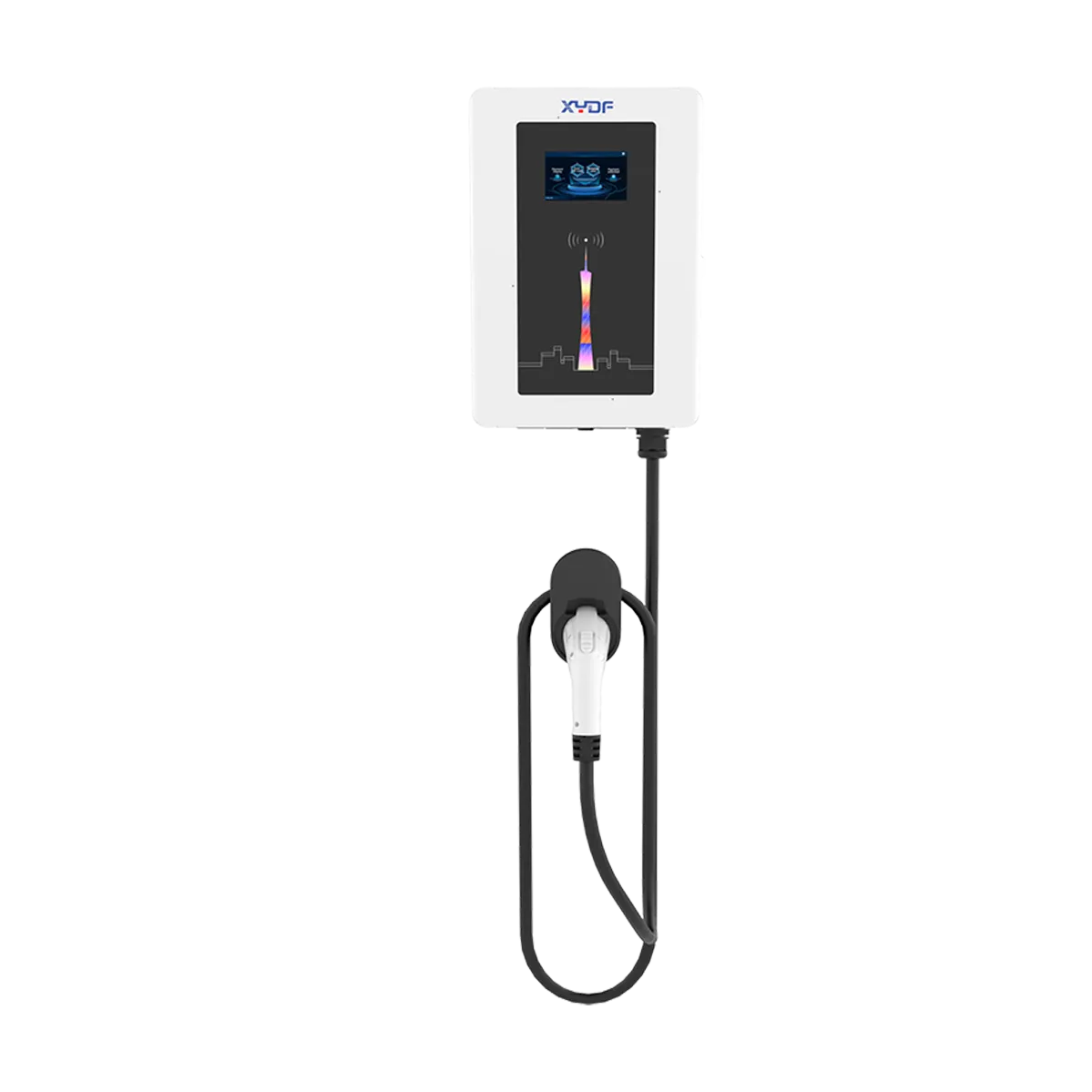
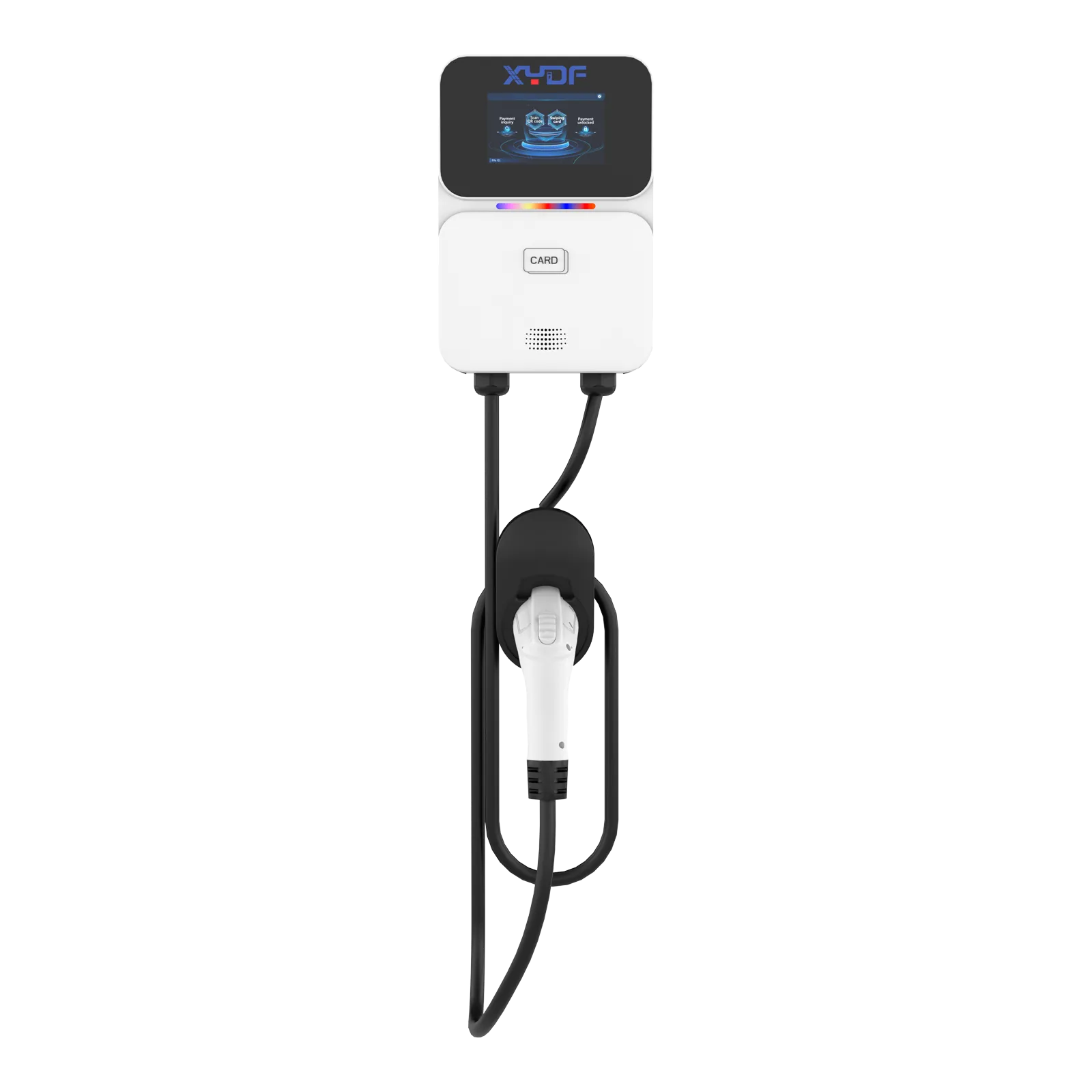

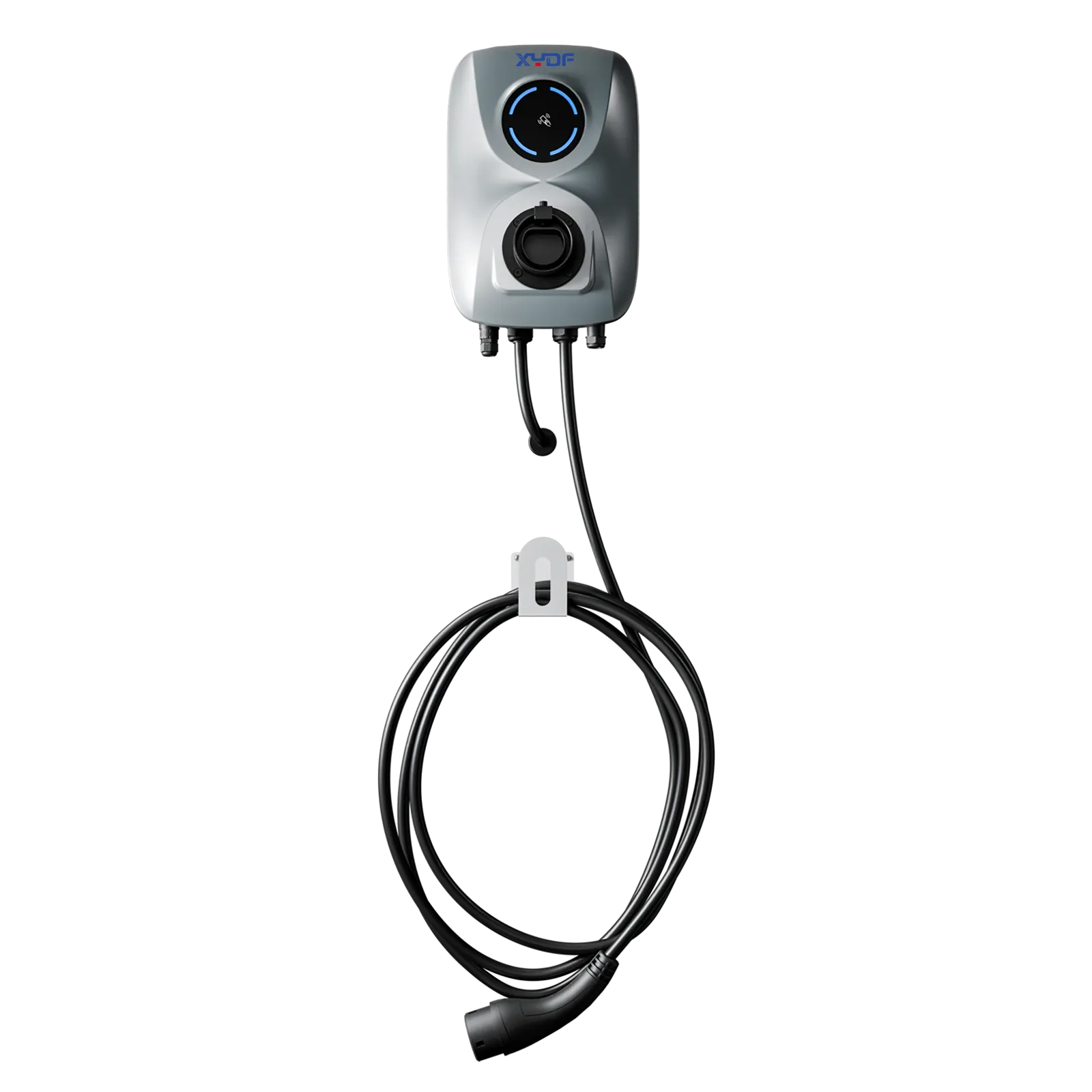
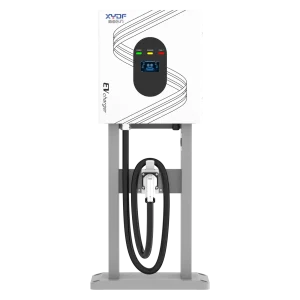

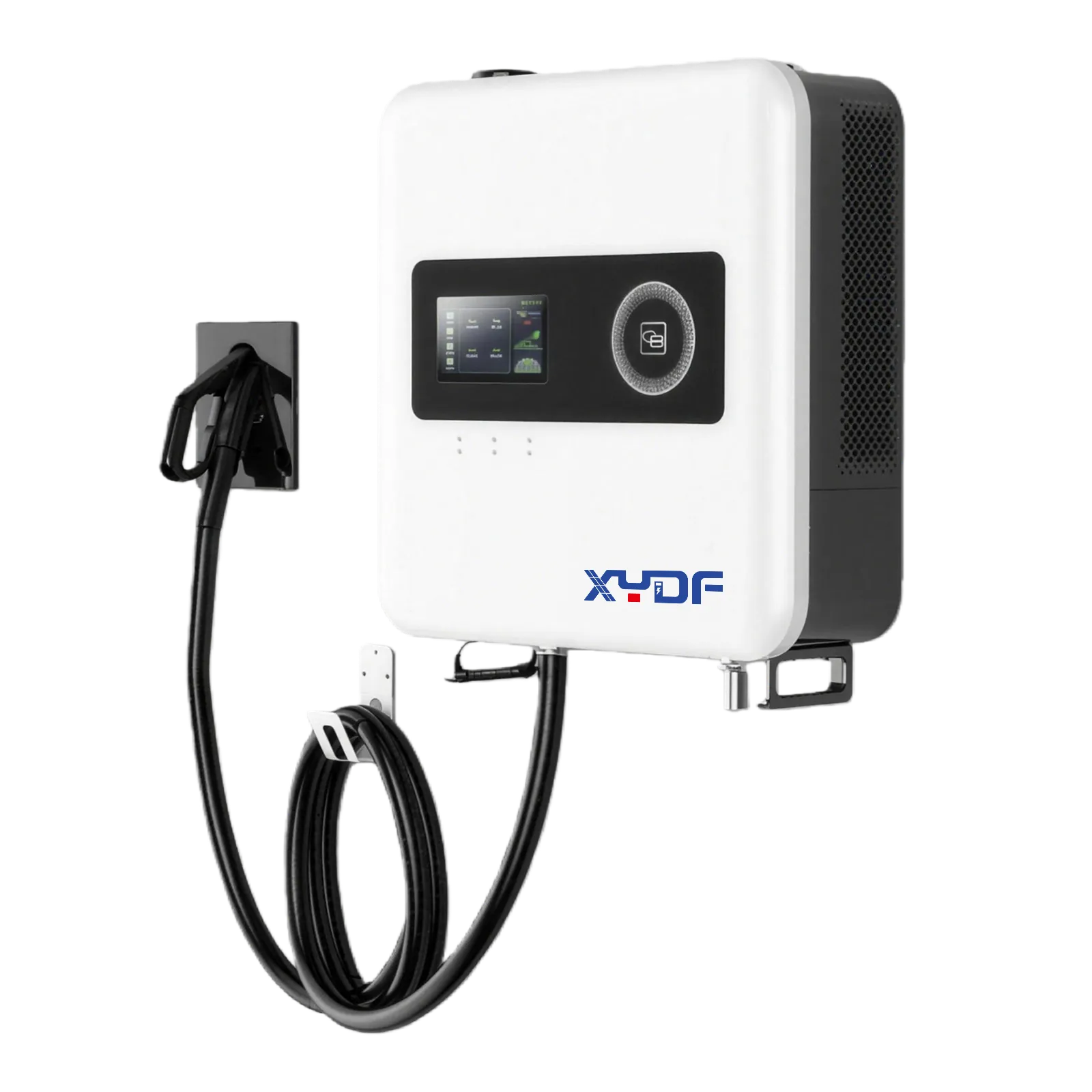
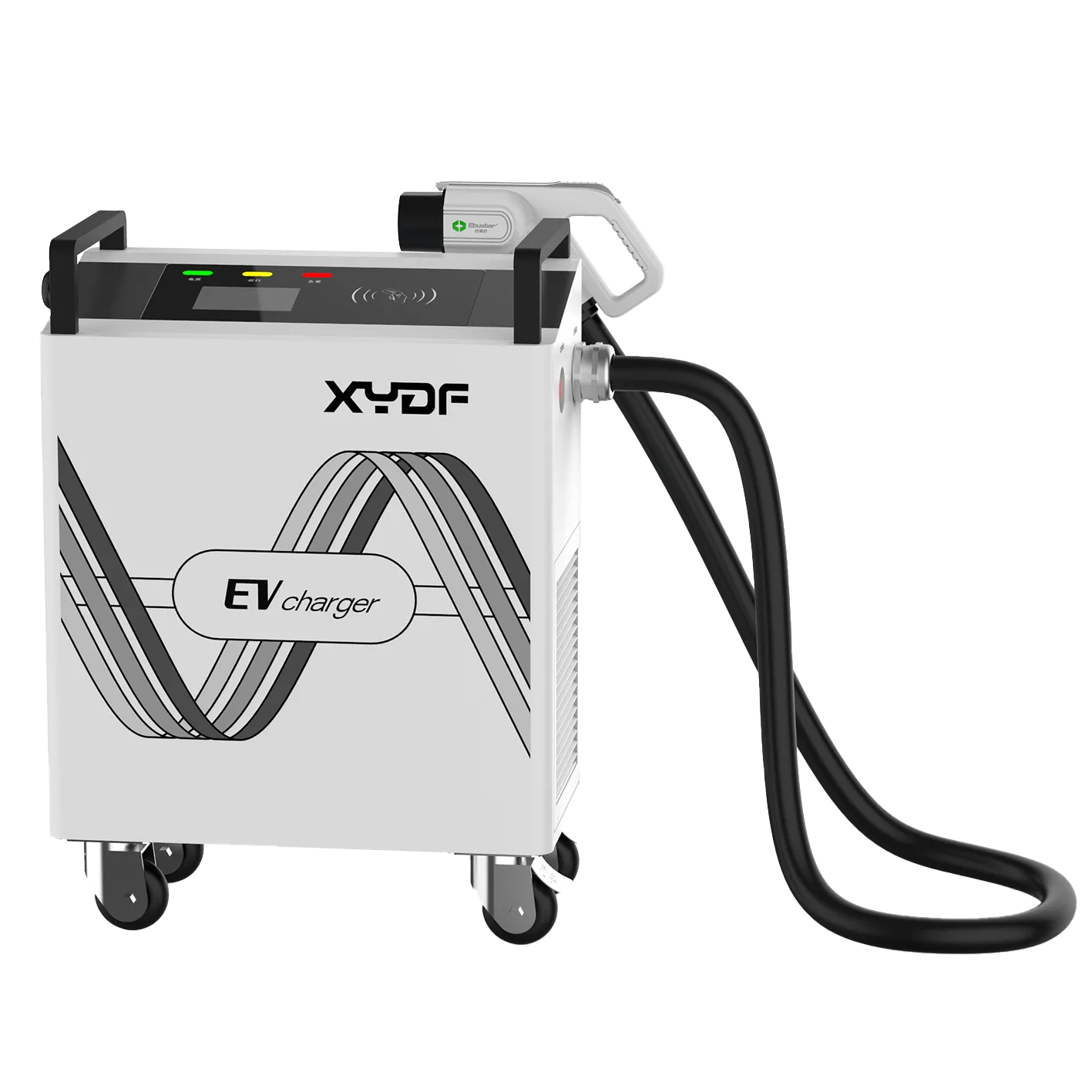
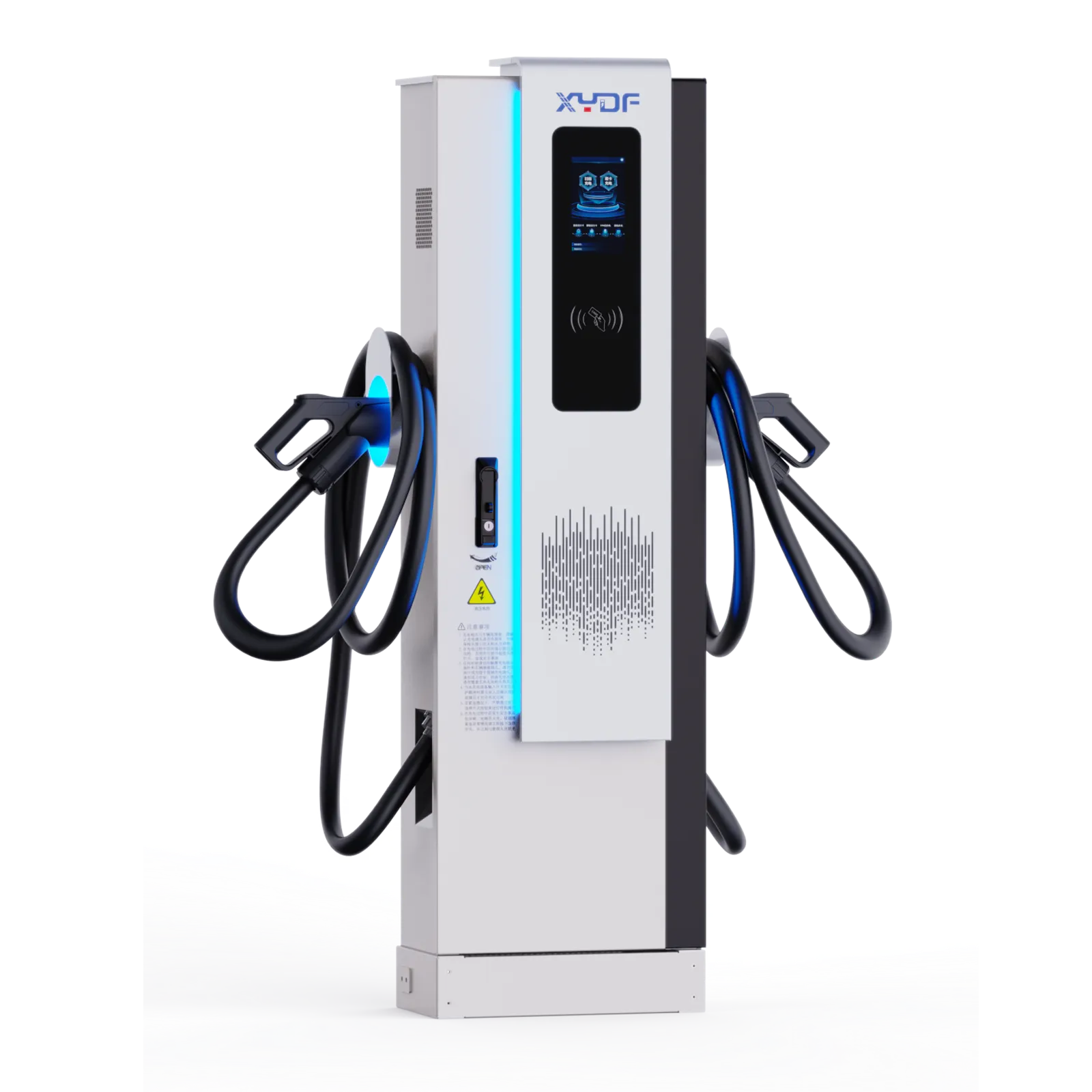
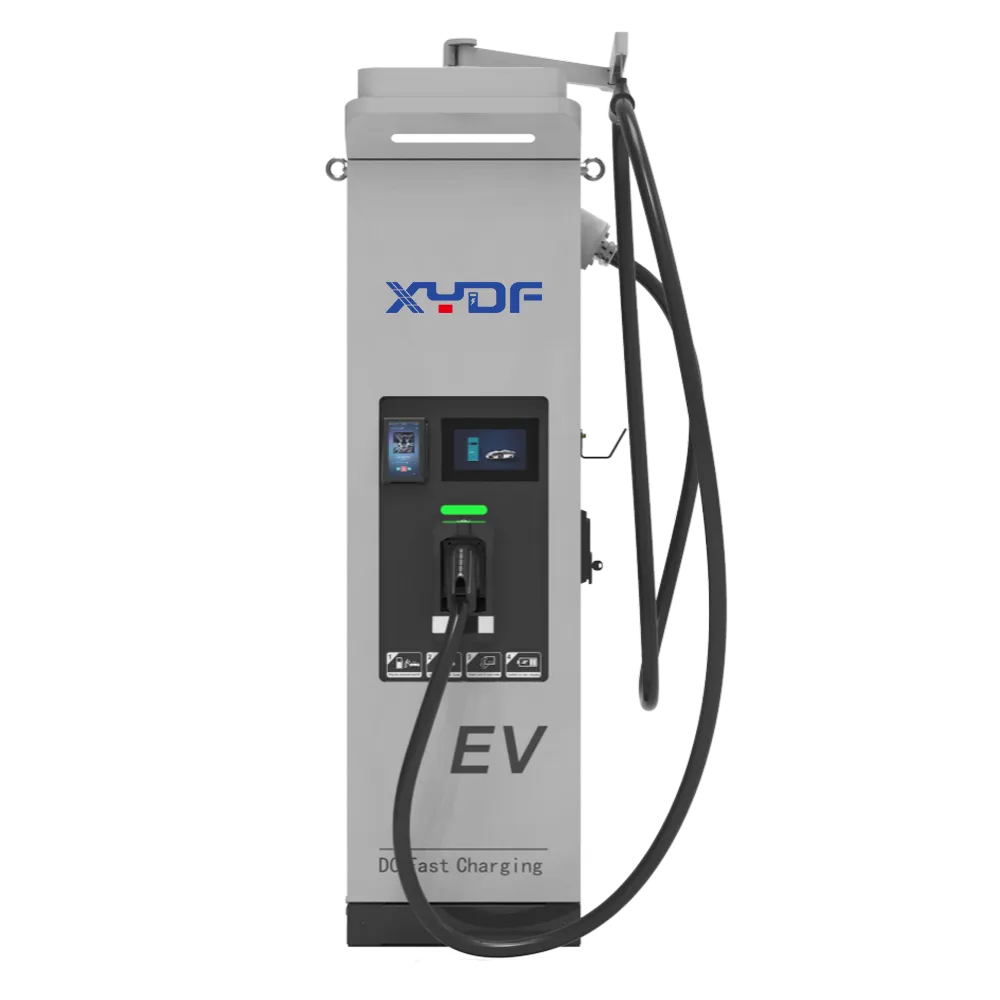

EV chargers can be installed in underground parking garages when the building’s electrical capacity, fire strategy, access arrangements and local approvals support the installation. Being below ground does not automatically rule out charging, but an available wall and a nearby electrical panel are not enough to approve a location. The proposed bays must work with the whole garage, including its evacuation routes, ventilation systems and maintenance access.
For EV charging in underground parking garages, start with a coordinated site survey before selecting charger power or placing an order. Confirm who owns the electrical supply, who manages the building’s fire safety and who will operate the chargers. These decisions determine both the installation scope and the cost of keeping the service reliable.
Confirm the building can accommodate charging before choosing equipment
Ask the electrical designer and the person responsible for building fire safety to review the same proposed layout. Include the owner or property manager, insurer and relevant approval authority early enough to resolve restrictions before cabling begins. Existing garages can have limited spare electrical capacity, incomplete drawings or fire protection systems designed for a different arrangement.
In England, the Office for Zero Emission Vehicles publishes interim fire safety guidance for both new covered car parks and retrofits. Its published scope explicitly states that it does not replace existing safety regulations. Elsewhere, identify the locally adopted building, electrical and fire requirements rather than treating that document as a universal approval route.
For a shared residential garage, also establish the right to use common electrical infrastructure and install equipment in allocated bays. Ownership, billing and later expansion can be as important as the first installation. Our apartment EV charging guide covers the wider shared-building decisions.
Match charger power to parking time and available capacity
Overnight residents and employees parked for a working day may not need the same charging power as short-stay visitors. Estimate the energy drivers need during their stay, then check what their vehicles can accept. A charger’s advertised output is a maximum; the vehicle, supply and operating settings can all reduce actual charging power.
As an illustrative planning calculation, delivering 24 kWh over an eight-hour stay requires an average of 3 kW at the battery. The electrical supply must cover charging losses as well, and individual arrival times may be shorter. This calculation is a starting point for an energy profile, not a circuit-sizing rule or a guarantee that a 3 kW allocation suits every driver.
| Garage use | Planning priority | Check before selecting power |
|---|---|---|
| Resident overnight parking | Energy delivered by departure and fair access | Arrival times, billing, assigned bays and shared supply capacity |
| Workplace parking | Charging during a predictable stay | Building demand during working hours and vehicle AC limits |
| Short-stay public parking | Useful energy within shorter visits | Turnover, payment, power availability and the full installation footprint |
| Mixed-use garage | Allocation between different users | Priority rules, peak occupancy and metering responsibilities |
The designer should assess measured building demand, distribution-board capacity, protective-device coordination, cable routes and future expansion. A spare breaker position does not prove that spare supply capacity exists. Long cable runs, grouping and the installation environment also affect the electrical design.
Dynamic load balancing can allocate charging power within a defined site limit when the system is properly designed and commissioned. It does not create extra electrical capacity. Specify what happens if the meter, controller or communication link fails, and test that behavior before opening the bays.
Place chargers where drivers can reach them without blocking the garage
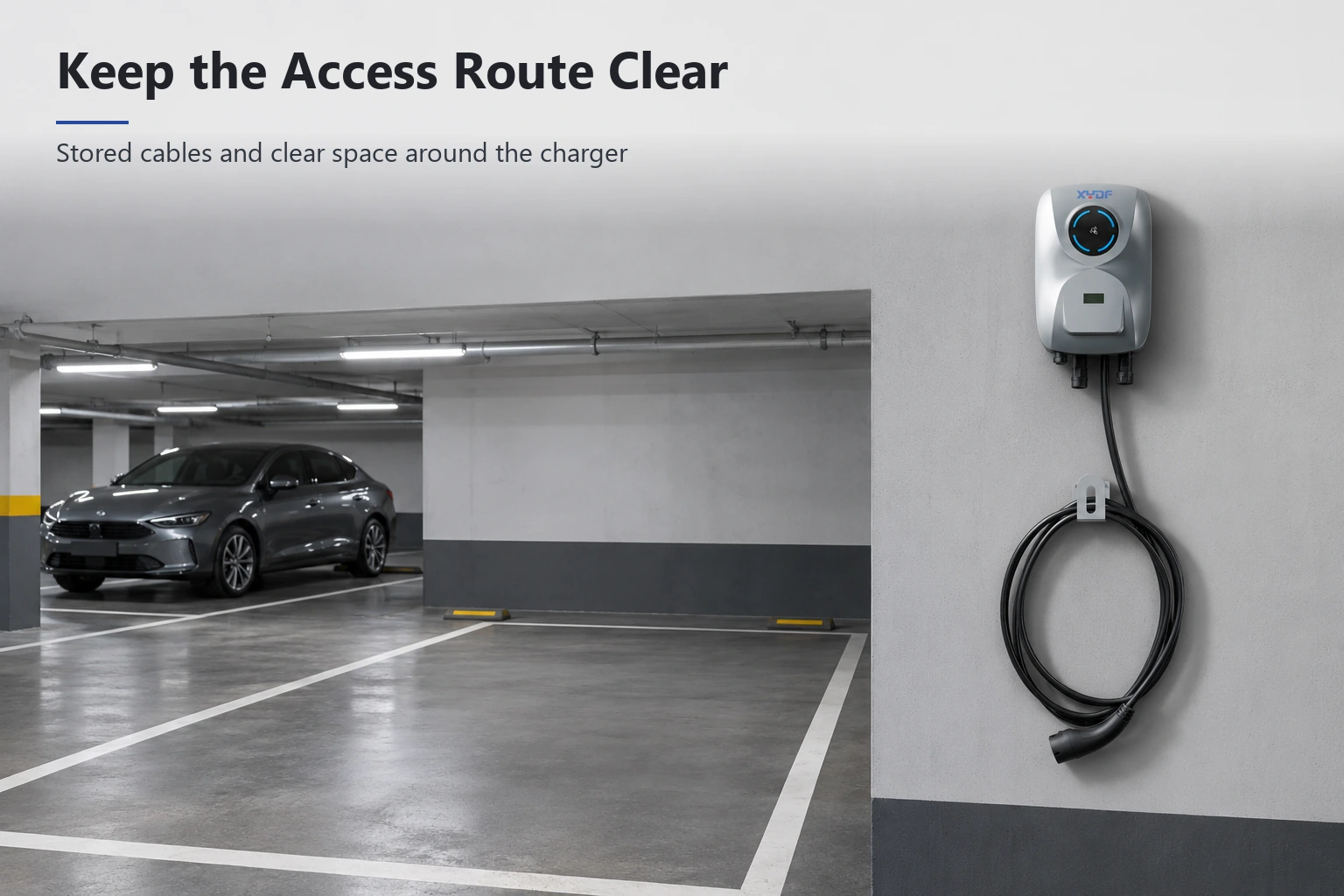
A workable underground EV charger installation gives drivers access to the controls and connector while preserving pedestrian circulation, vehicle maneuvering and maintenance space. Check different vehicle inlet positions and parking orientations rather than designing around one car.
The U.S. Access Board’s technical assistance explains that charging cables must not obstruct accessible routes when stored or connected. It also distinguishes existing legal requirements from additional design recommendations. Use the applicable local dimensions and requirements for your project; do not copy a layout from another market without review.
Wall-mounted equipment can reduce floor occupation, but columns, wheel stops and bollards can still obstruct access. Impact protection should protect the equipment without making the controls unreachable. Keep chargers clear of escape doors, fire-service facilities and other locations identified in the building’s fire strategy.
Our charging-bay layout guide explains how vehicle movement and cable reach interact. For underground sites, add checks for headroom, door swings, service routes, drainage and water ingress. Do not locate equipment where leaks, standing water or routine vehicle movements will repeatedly expose it to damage.
Review fire safety as a building system, not a charger feature
EV charging fire safety includes the vehicle, electrical installation and surrounding building. Charger enclosure ratings or electrical certifications do not establish the adequacy of a garage’s detection, suppression, evacuation or smoke-control arrangements.
NFPA’s discussion of modern vehicles in parking structures identifies both electrical installation requirements and the broader fire challenges of vehicles parked together. It describes thermal runaway, possible reignition and the changing fire load of modern vehicles. Its code examples refer to particular editions; the authority responsible for the project must determine which editions and local amendments apply.
Have the fire-safety professional review charger locations, separation from vulnerable areas, detection, alarm coverage, suppression provisions, firefighter access and the treatment of new cable penetrations. Document any required upgrades before installation. Do not treat a generic separation distance or a portable extinguisher as a substitute for that review.
Normal garage ventilation and smoke-control performance during a fire are different design questions. Ask the building services and fire specialists to assess both for the proposed arrangement. Avoid blanket claims that every EV installation needs the same extraction rate, or that the absence of engine exhaust during charging removes the need for a ventilation review.
Record how charging supplies can be isolated, who is authorized to operate the isolation and how responders will identify it. Switching off the charger does not remove energy already stored in a vehicle battery. Staff instructions should prioritize raising the alarm, evacuation and the site’s emergency procedure, rather than attempting to move or repair a vehicle involved in an incident.
Test connectivity at the actual underground charging bays
Mobile coverage at the garage entrance says little about coverage behind concrete walls several levels below. Survey the intended charger positions and check how the chosen communication method performs under normal operating conditions. Confirm the supported Ethernet, Wi-Fi or mobile-network options with the supplier rather than assuming every configuration includes them.
Identify which functions need a live backend connection: authorization, payment, remote support, session reporting or load control. Some systems have local or offline functions, but their behavior varies. The acceptance plan should test a lost connection, a restart and the recovery of session records, not merely check whether the charger appears online once.
Separate the operational responsibilities clearly. The building network provider may manage connectivity while another company manages the charging platform. Assign responsibility for outages, software access and security updates so the property manager is not left coordinating several suppliers without an agreed support process.
Include the hidden installation costs in the proposal
The equipment price is only part of an underground project. Cable containment, distribution upgrades, penetrations and fire stopping, communication infrastructure, impact protection and changes to bay markings may dominate the work. Some projects also need adjustments to building fire systems or an agreed method for carrying out work while the garage remains occupied.
Request an itemized proposal that separates the initial bays from infrastructure reserved for expansion. Include design, permits, testing, commissioning records, user instructions, connectivity fees and maintenance. If bids exclude the fire-safety review or assume existing capacity without a survey, they are not yet comparable to a fully assessed installation.
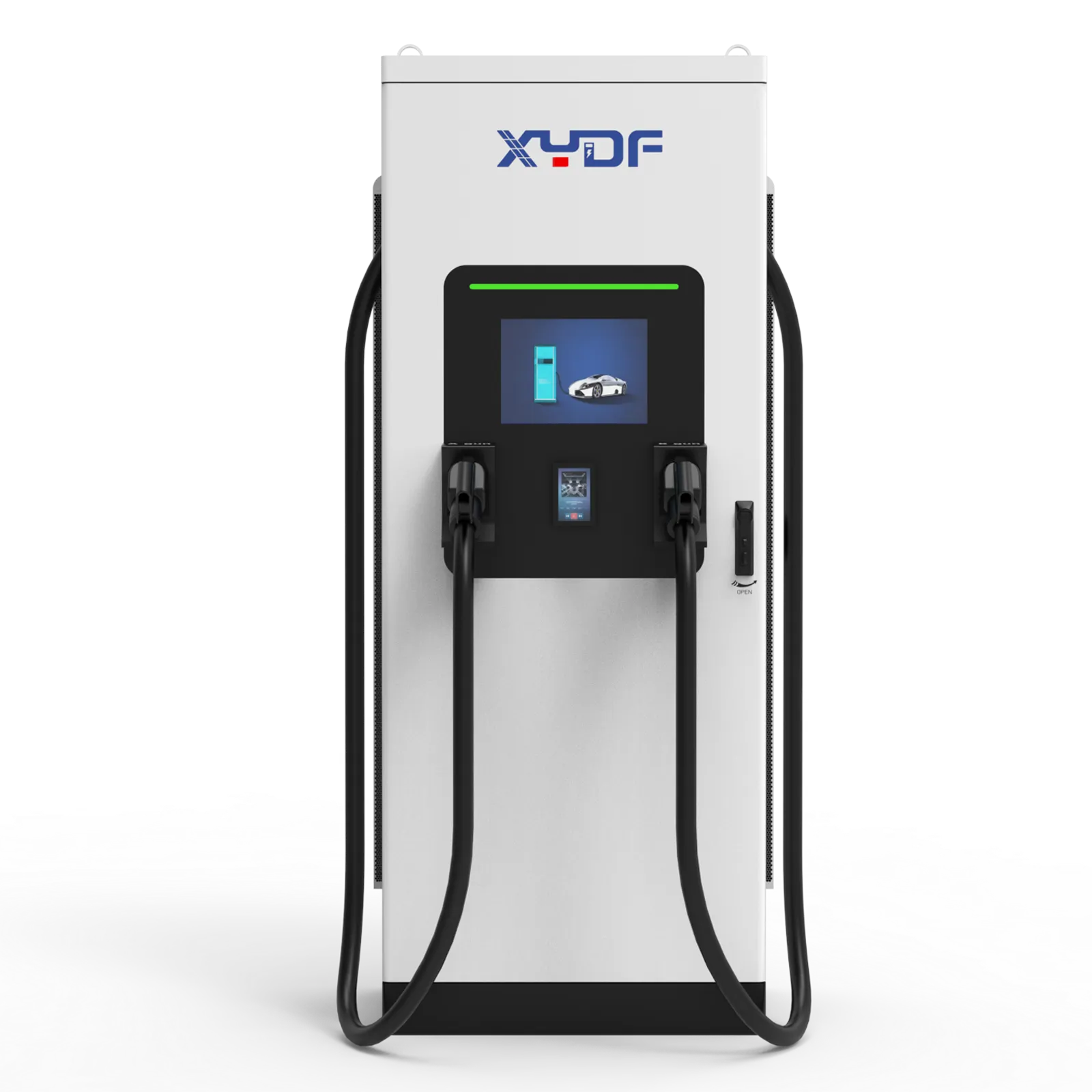
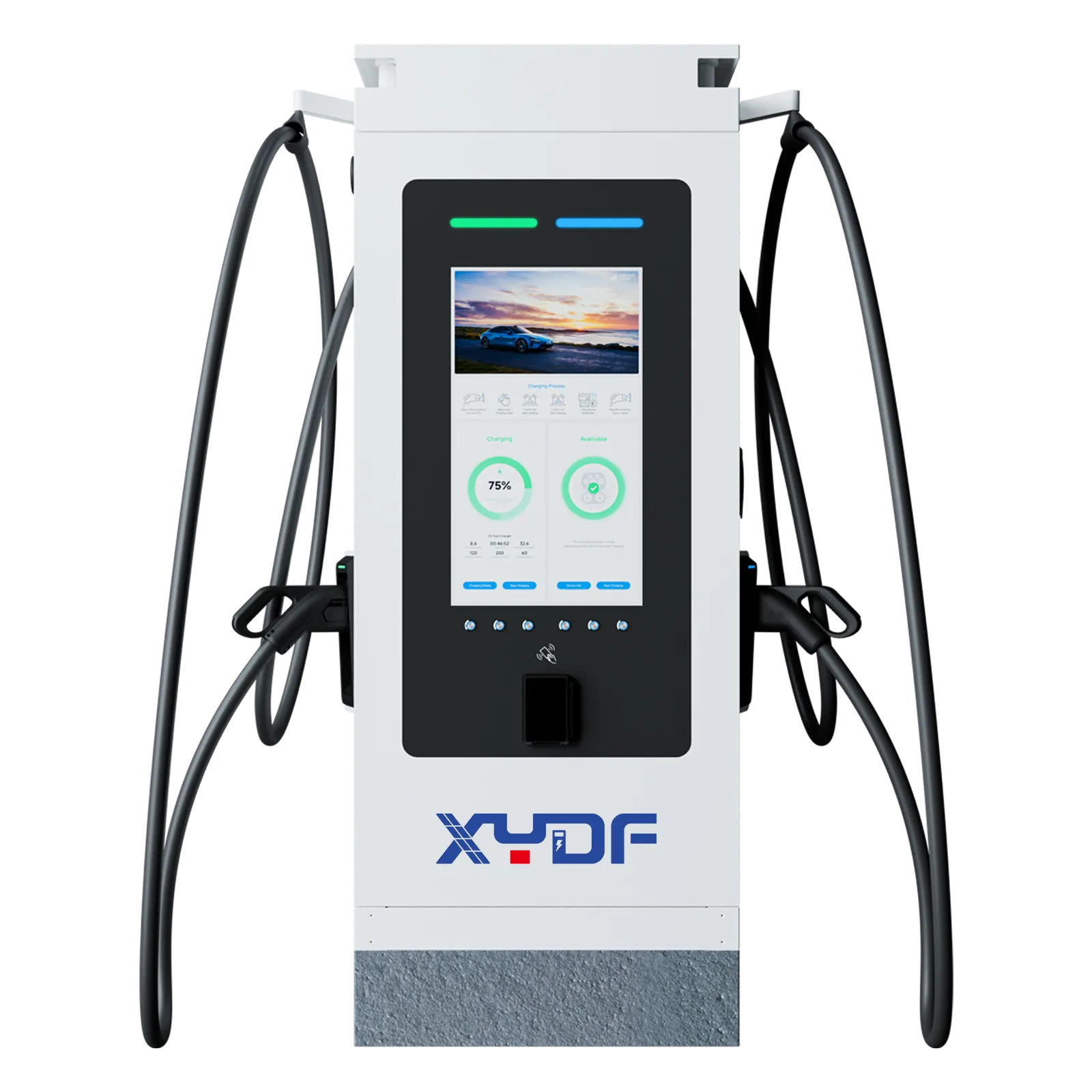
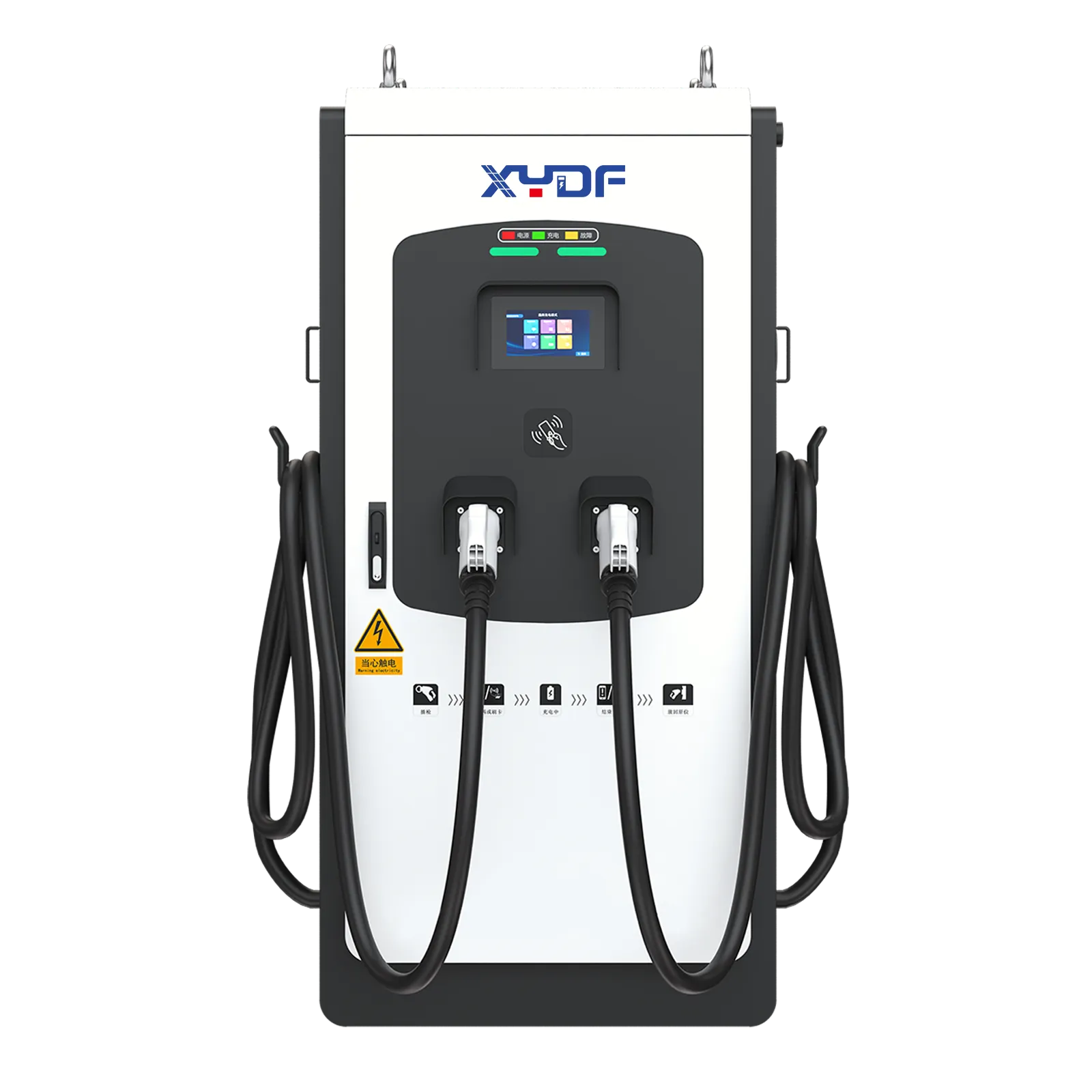
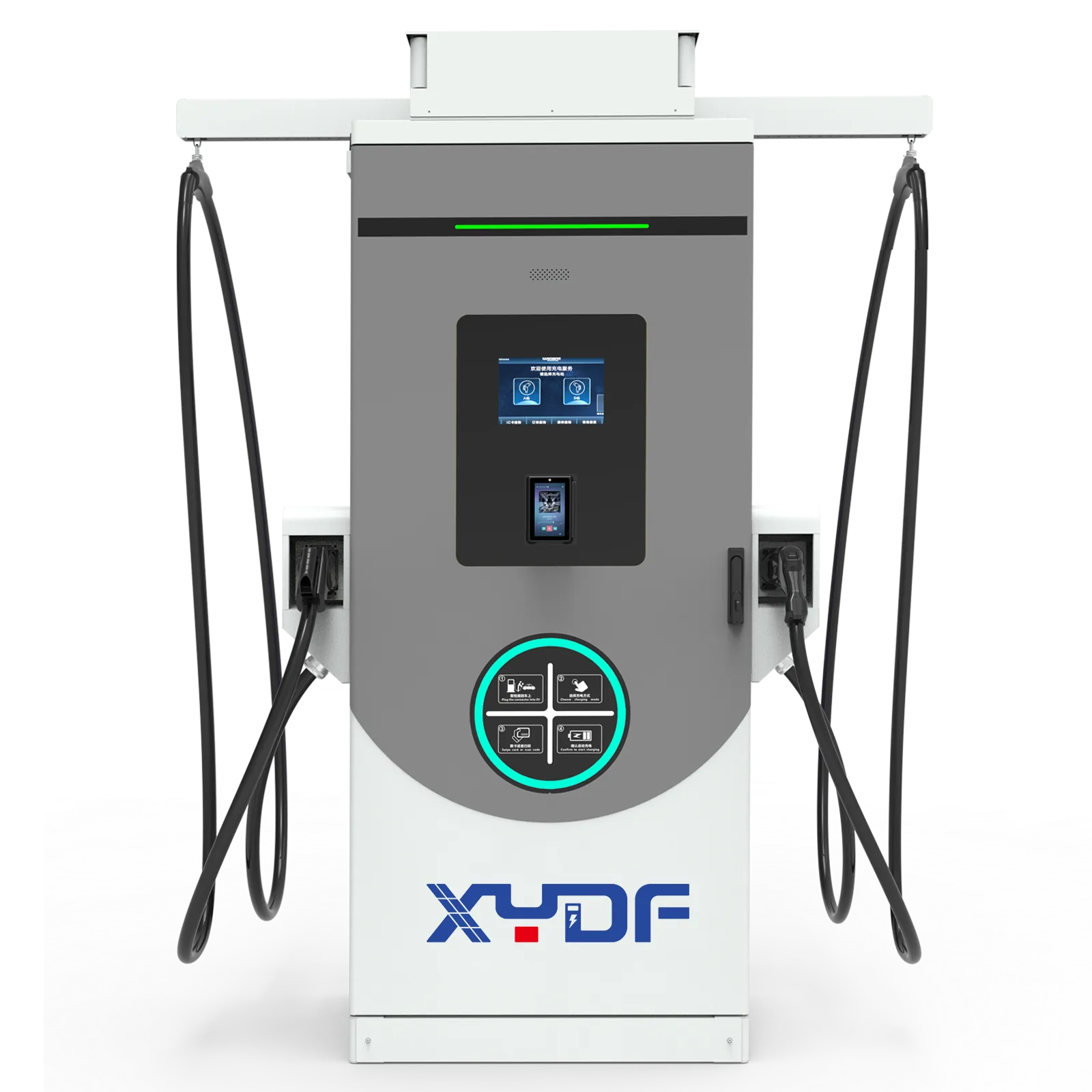
For long-stay applications, XYDF’s commercial AC chargers can be considered as part of the equipment shortlist. Confirm the exact model, mounting arrangement, network configuration and project documentation before ordering. Product selection remains separate from approval of the building installation.
Commission the complete service and keep an inspection record
A garage charging maintenance plan should start at handover. Keep the approved drawings, circuit identification, electrical test records, equipment settings, platform access details and emergency contacts in a controlled location. Set inspection intervals according to the manufacturer’s instructions, site risk and applicable requirements.
| Handover or maintenance check | What to confirm | Record to retain |
|---|---|---|
| Electrical installation | The installation has been inspected and tested by the responsible qualified party. | Required certificates, test results and circuit schedule |
| Charging and access | Authorized users can start, complete and stop a session using the intended access method. | Commissioning session and user instructions |
| Load control and connectivity | Configured limits and agreed failure behavior operate as intended. | Settings, acceptance results and support responsibilities |
| Bay condition | Cables, connectors, mounting and impact protection remain serviceable; access routes stay clear. | Inspection findings and corrective actions |
| Building interfaces | Required fire stopping, isolation labels and fire-strategy changes have been completed. | Updated drawings and relevant specialist sign-off |
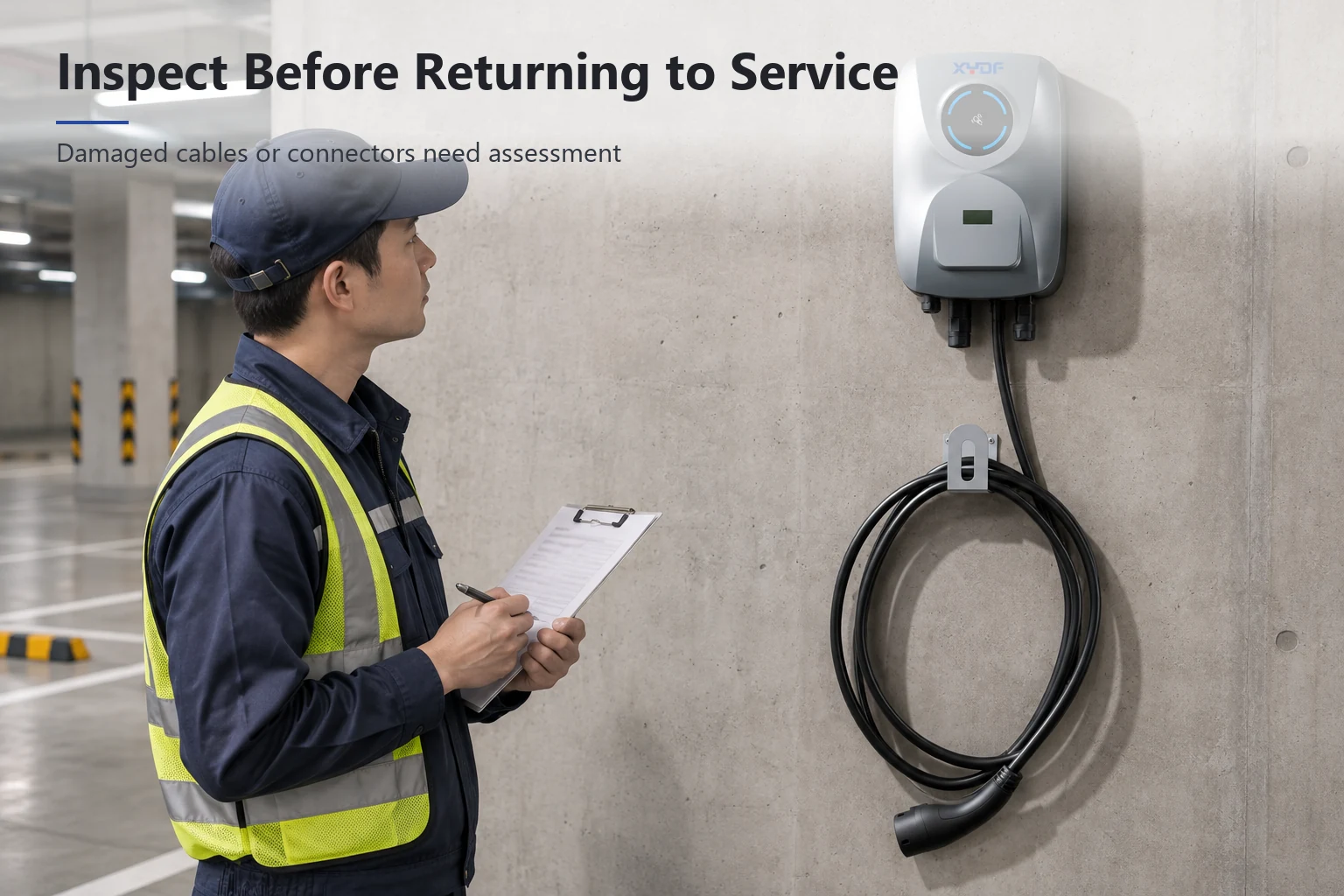
Remove damaged or suspect equipment from service through the site’s approved isolation procedure and arrange qualified assessment. Repeated trips, water ingress, loose mounting or damaged connectors should not be managed by repeatedly restarting the charger. After a repair, record the checks required before returning it to service.
Questions about charging in underground garages
Can EV chargers be installed in an underground parking garage?
Yes, where the electrical design, building fire strategy and relevant approvals support the proposed installation. Confirm the requirements for the specific building and jurisdiction before choosing equipment or commencing work.
Is EV charging banned in underground car parks?
There is no single rule that applies to every country or building. Local requirements, property policies, insurers or a site’s fire-risk assessment may restrict particular installations. Check the actual basis of any restriction rather than assuming either a universal ban or automatic permission.
Do underground EV chargers need additional ventilation?
The building’s ventilation and smoke-control arrangements need to be assessed for the proposed use. Whether changes are required depends on the garage design, equipment, fire strategy and applicable rules; there is no universal airflow figure suitable for every installation.
Will an EV charger work without a mobile signal underground?
It may, if the selected configuration uses another supported connection or provides the required local functions. Test authorization, payment, load control and reporting under connection-loss conditions. Do not assume that an offline charging session means every commercial function remains available.
Is a 22 kW charger necessary for overnight garage charging?
Not always. Required power depends on the energy to be delivered, parking time, the vehicle’s AC capability and the available supply. Assess these together; a higher rated charger does not make every vehicle charge faster.
Plan the charging bays around the building they serve
A good underground charging project combines usable bays with sufficient electrical capacity, a reviewed fire strategy and an operating plan that continues after installation. Select charger power from actual parking needs, resolve access and communication constraints before ordering, and commission the complete service rather than only the hardware. This makes future expansion and maintenance easier to plan without overlooking the building’s safety responsibilities.
To discuss equipment for your underground parking project, contact XYDF with the bay layout, available supply, expected parking duration and local project requirements. These details help identify a suitable charger configuration for your designer to assess.
References
- Office for Zero Emission Vehicles: Covered car parks, fire safety guidance for electric vehicles. Interim guidance for England covering new facilities and retrofits; it does not replace existing regulations.
- NFPA: Fire Safety for Electric Vehicles and Other Modern Vehicles in Parking Structures. Background on vehicle fire characteristics and electrical and parking-structure code considerations; published November 2022.
- U.S. Access Board: Design Recommendations for Accessible Electric Vehicle Charging Stations. Technical assistance distinguishing applicable accessibility requirements from additional recommendations.