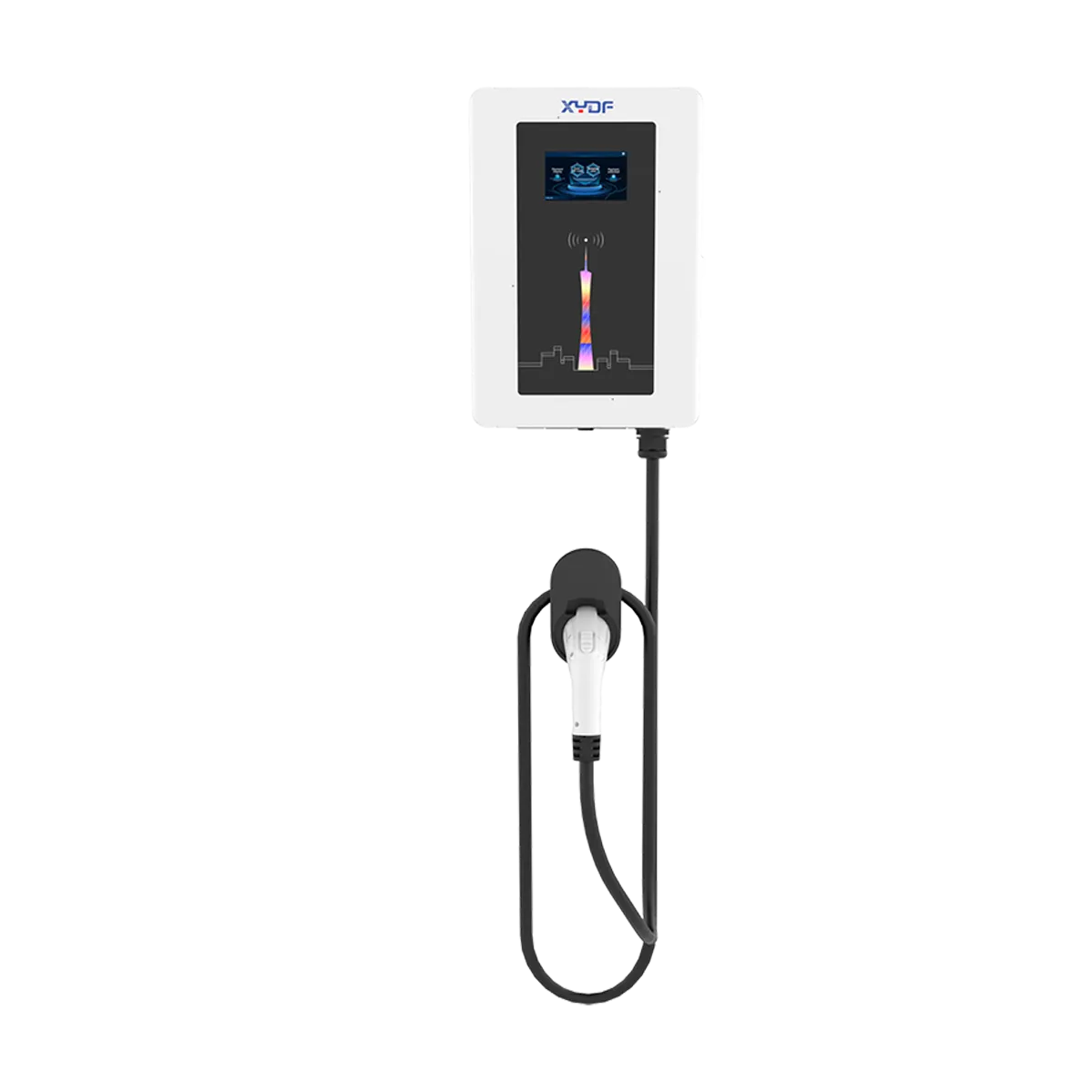
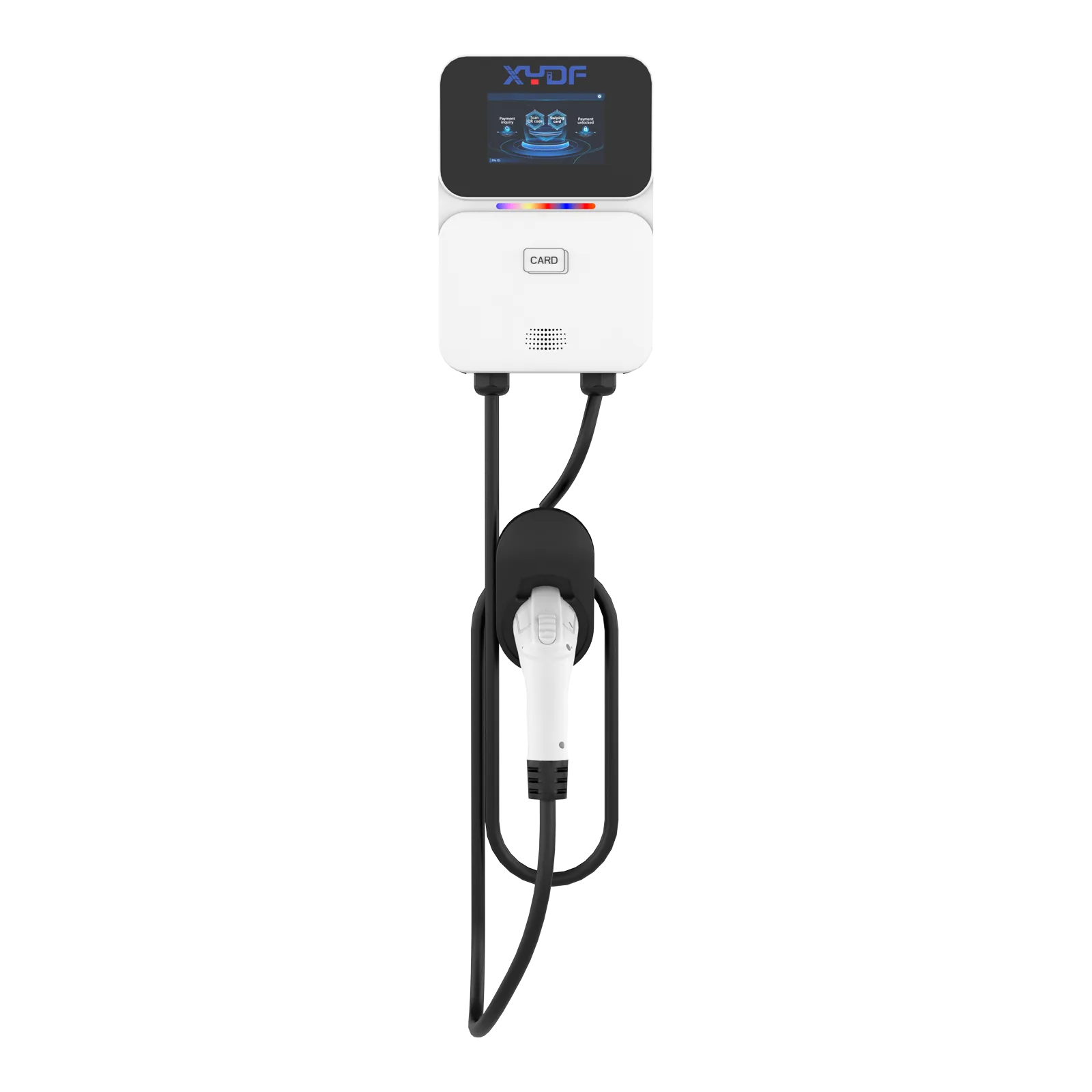
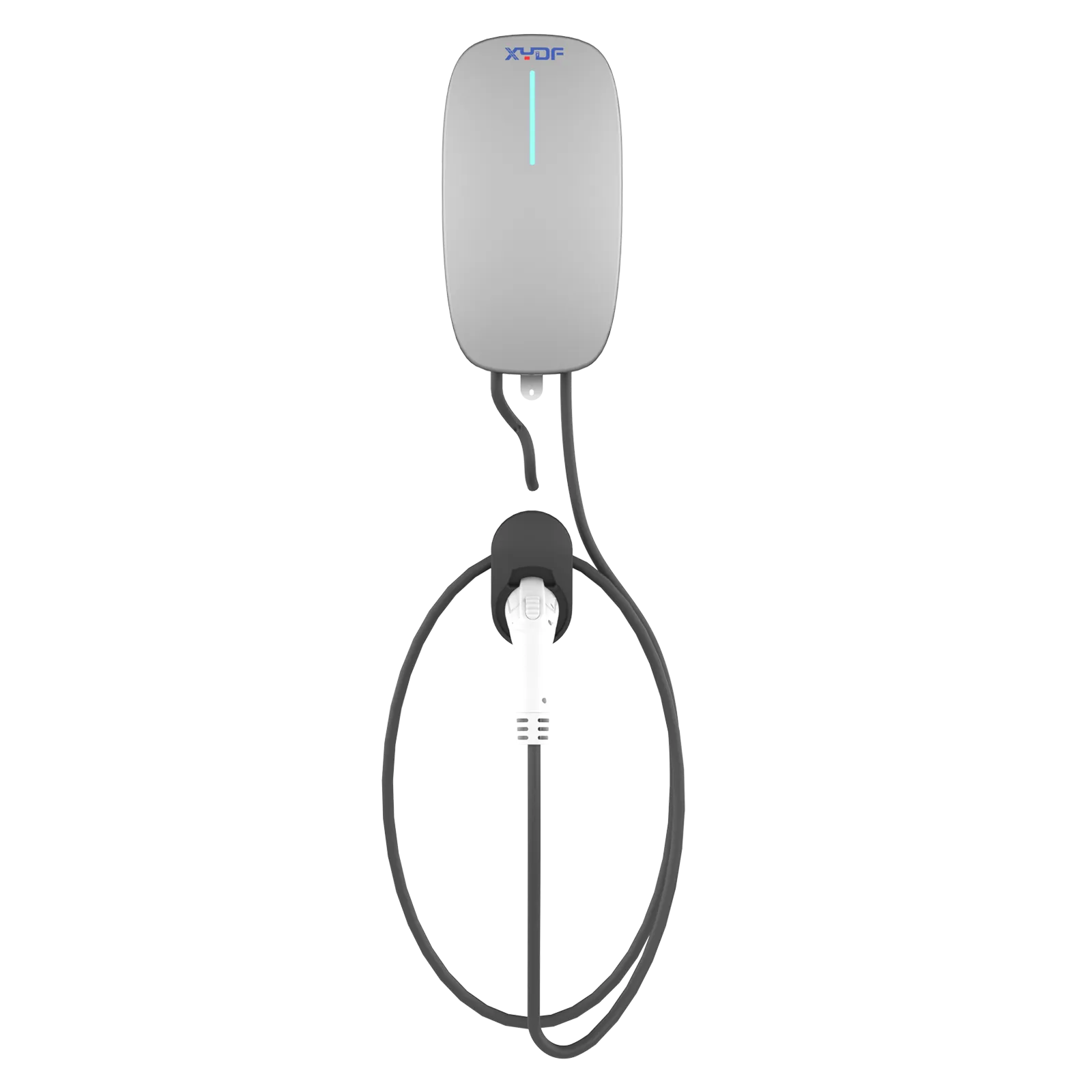
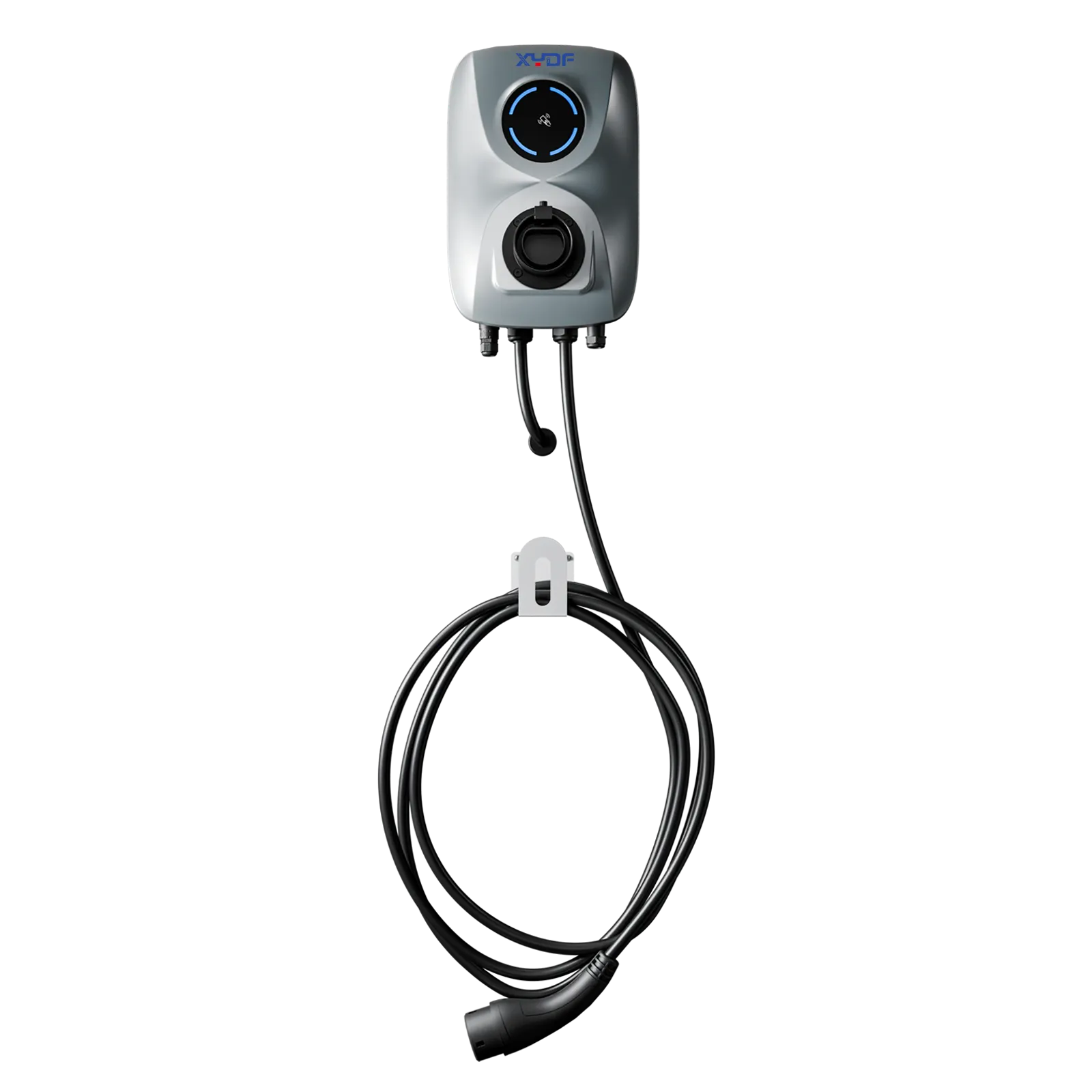
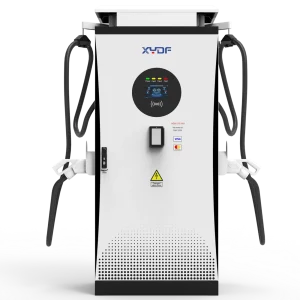
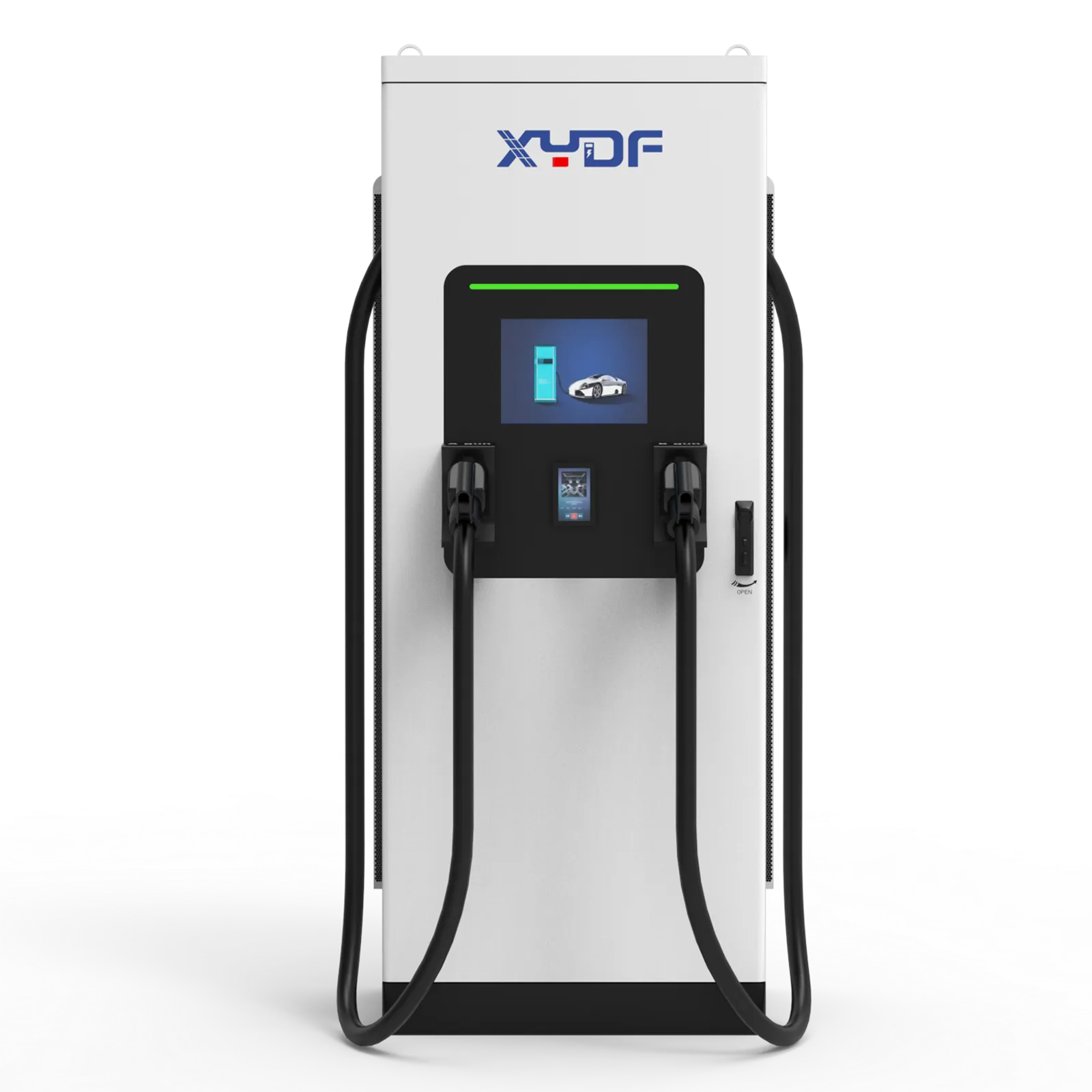
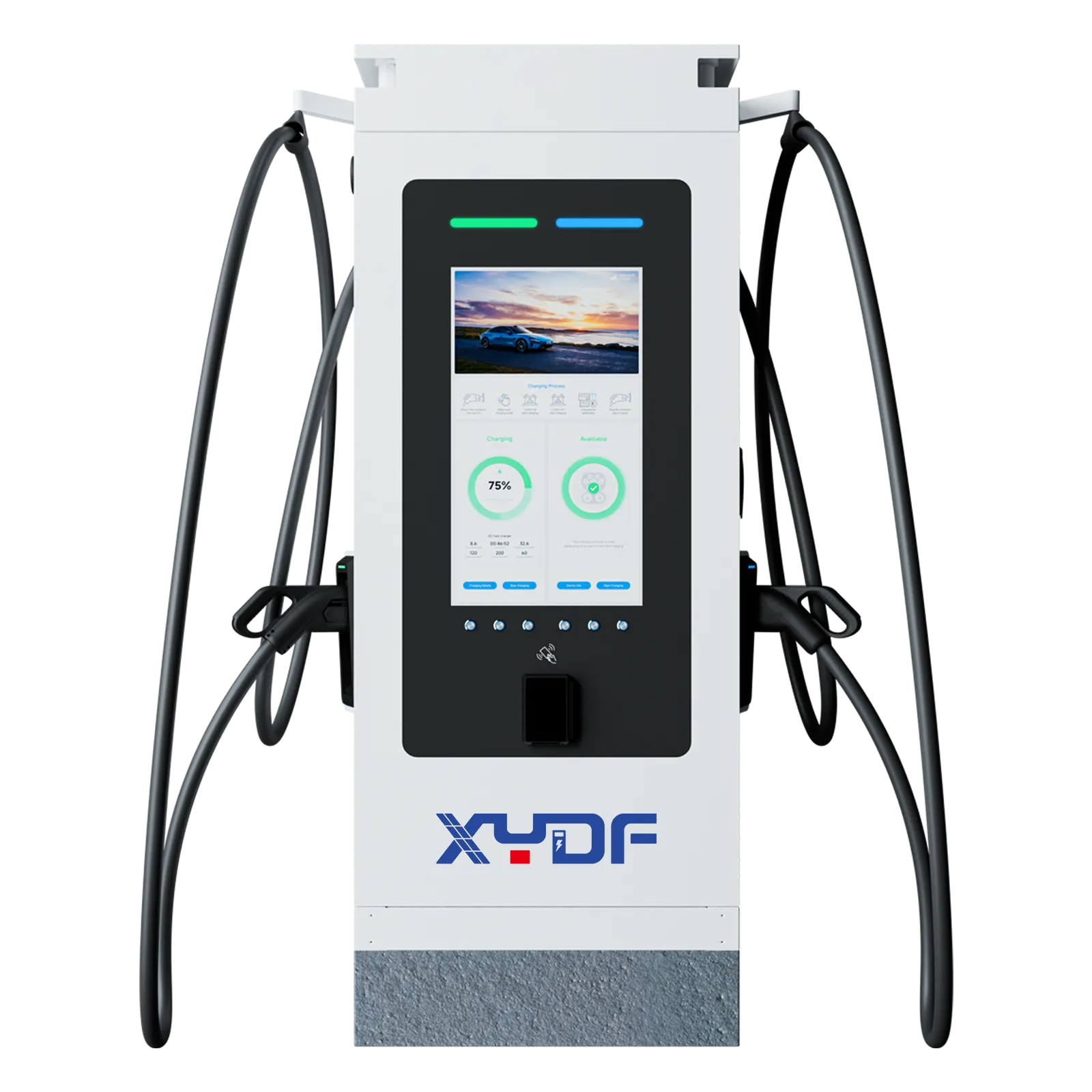
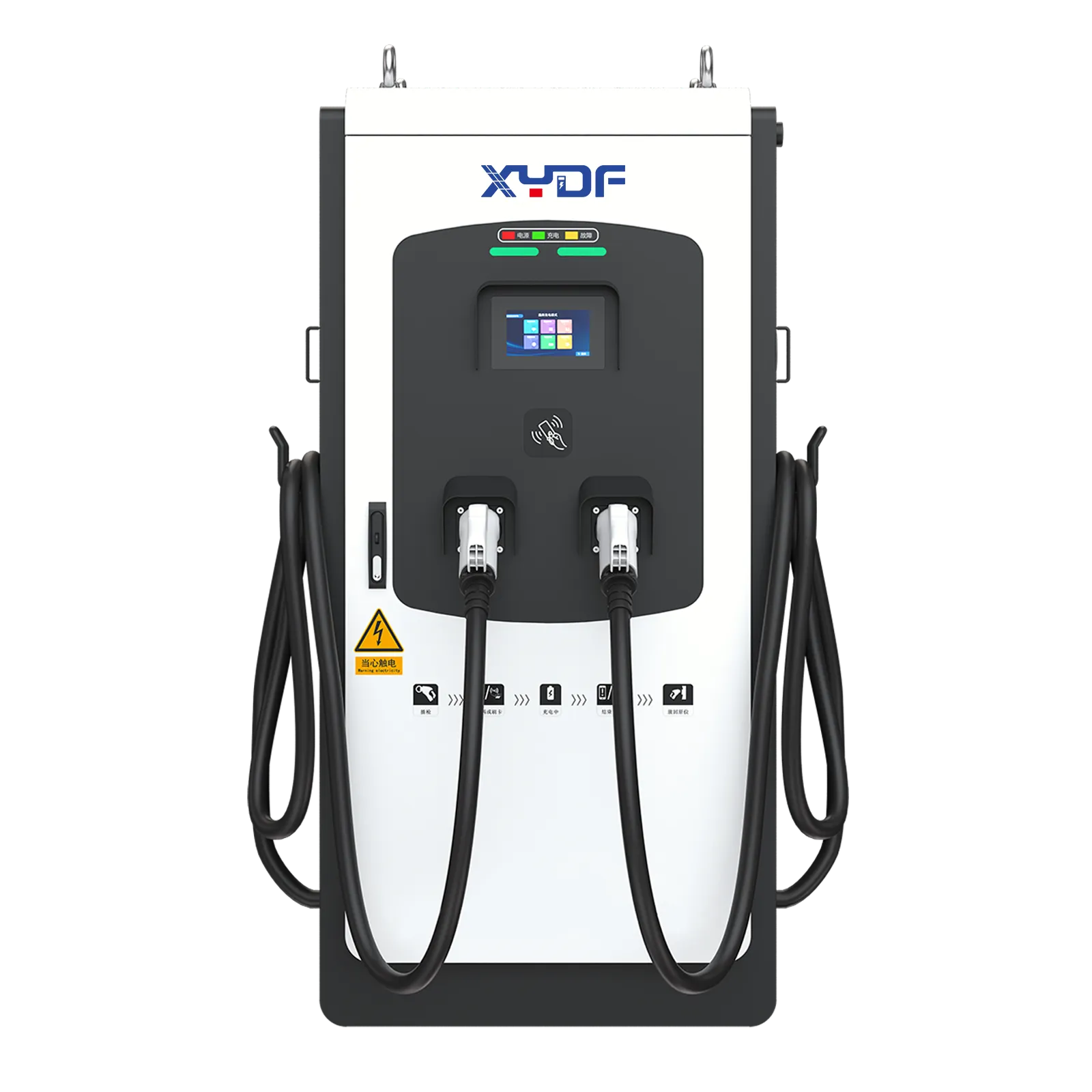
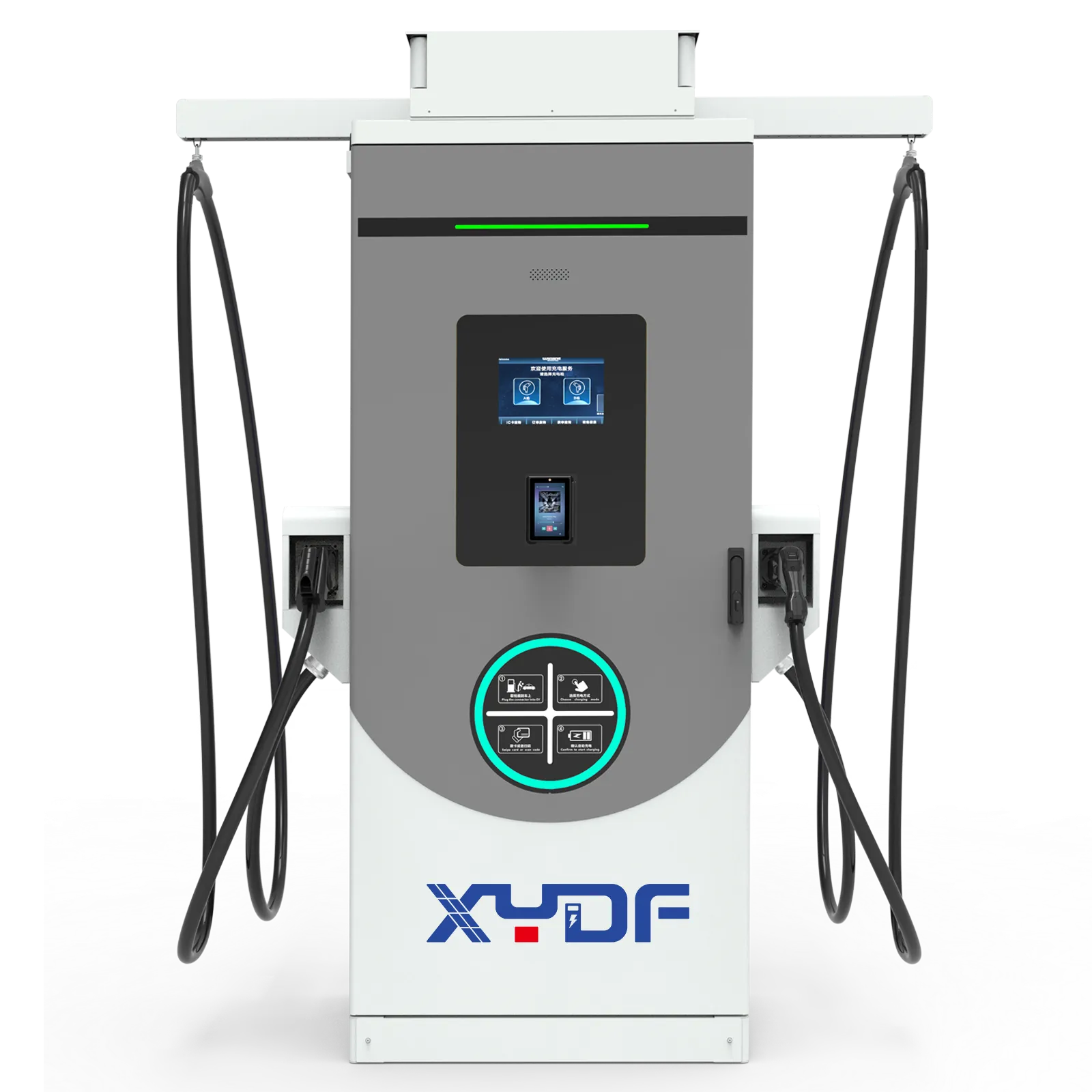
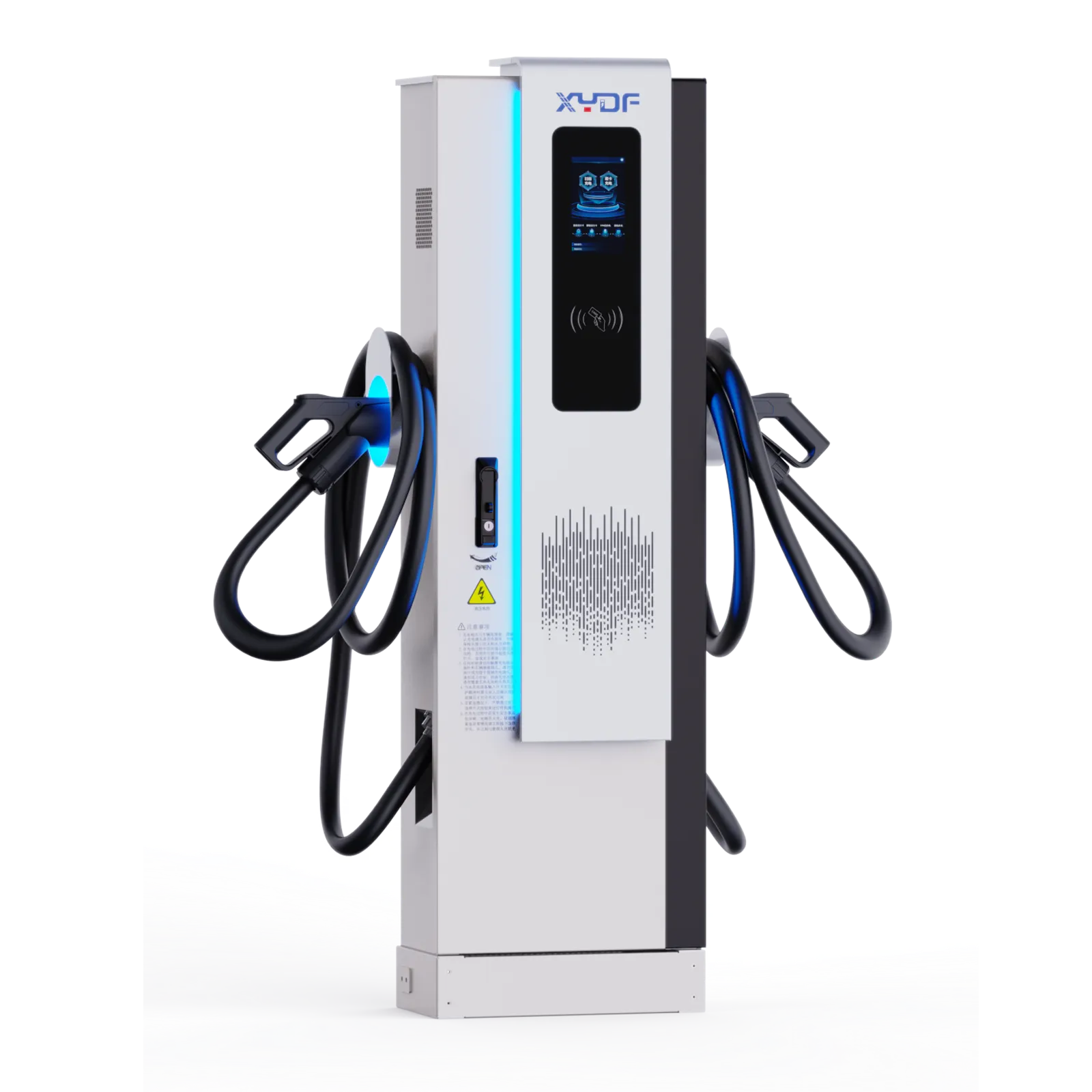
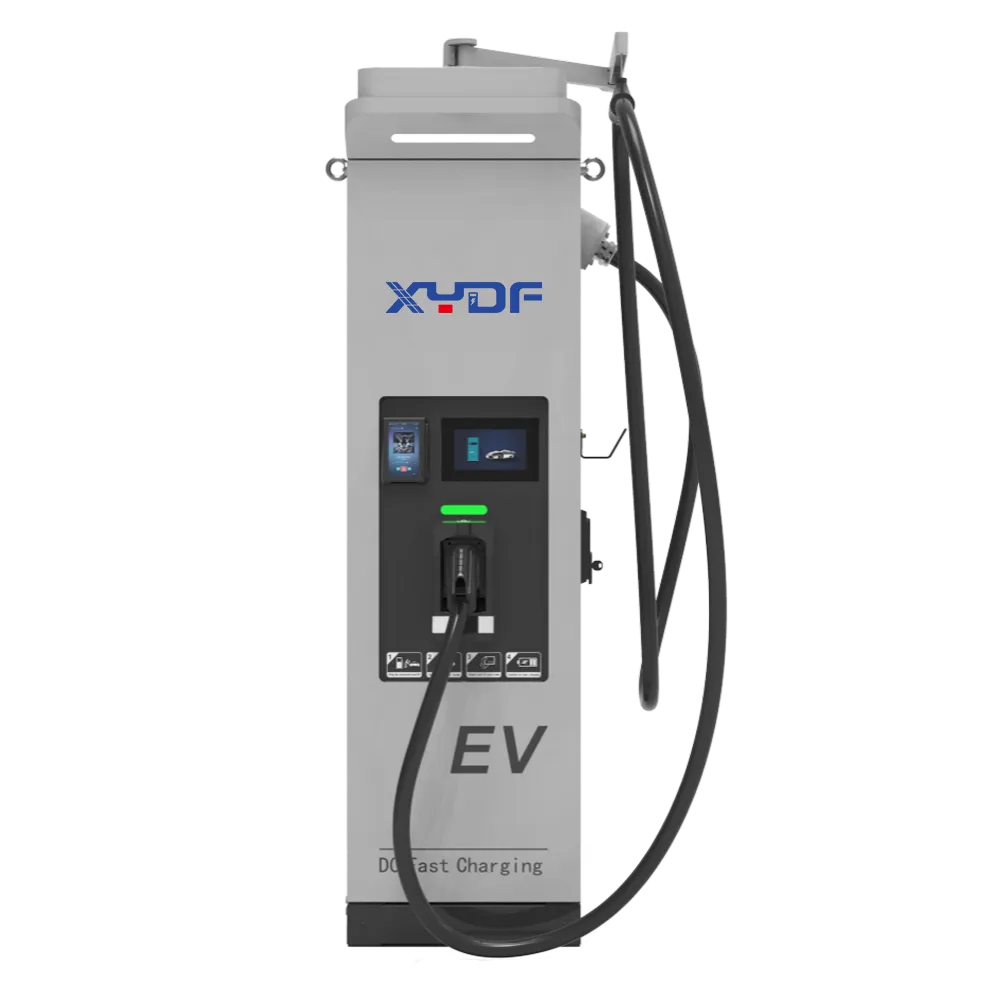
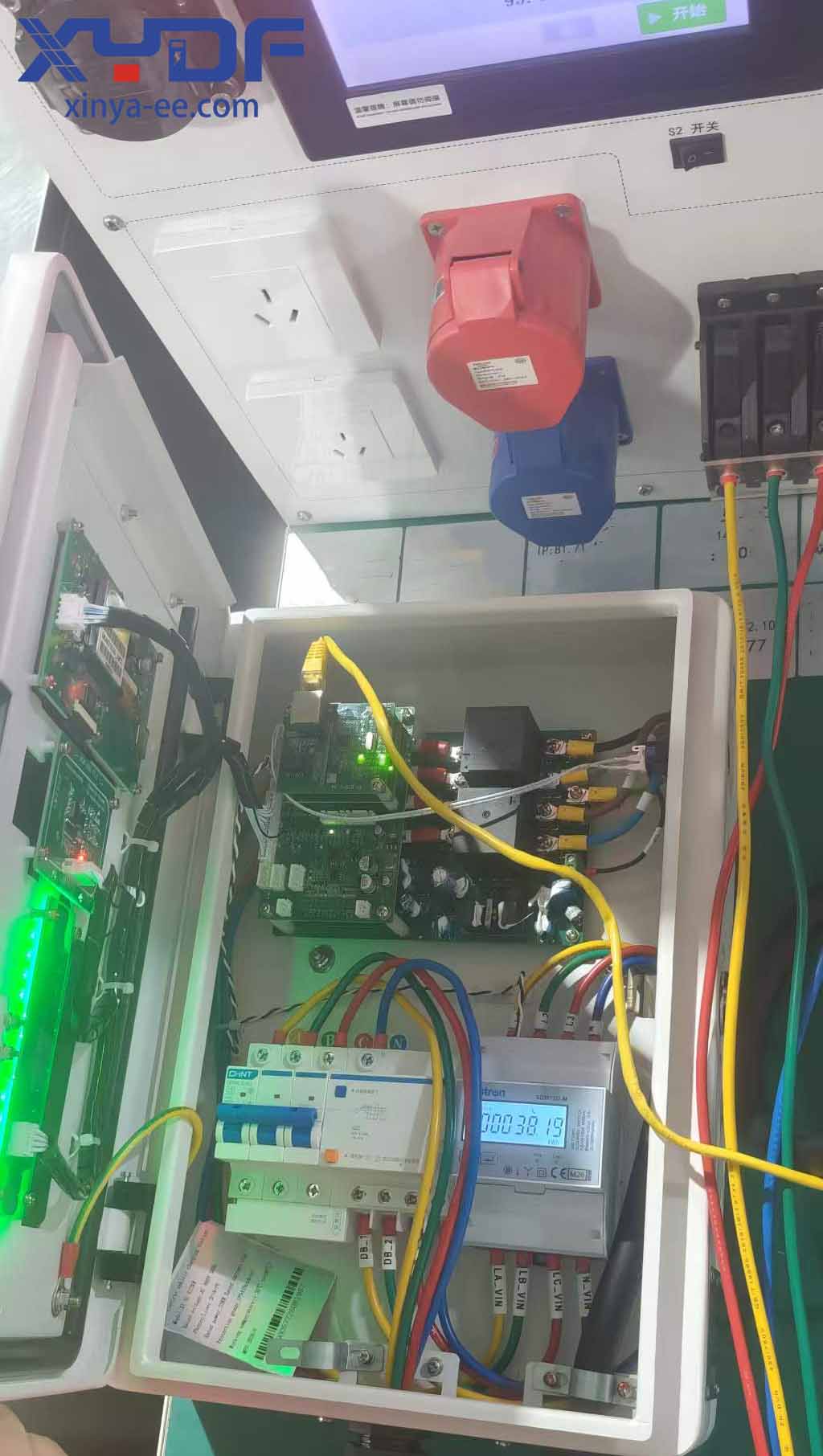
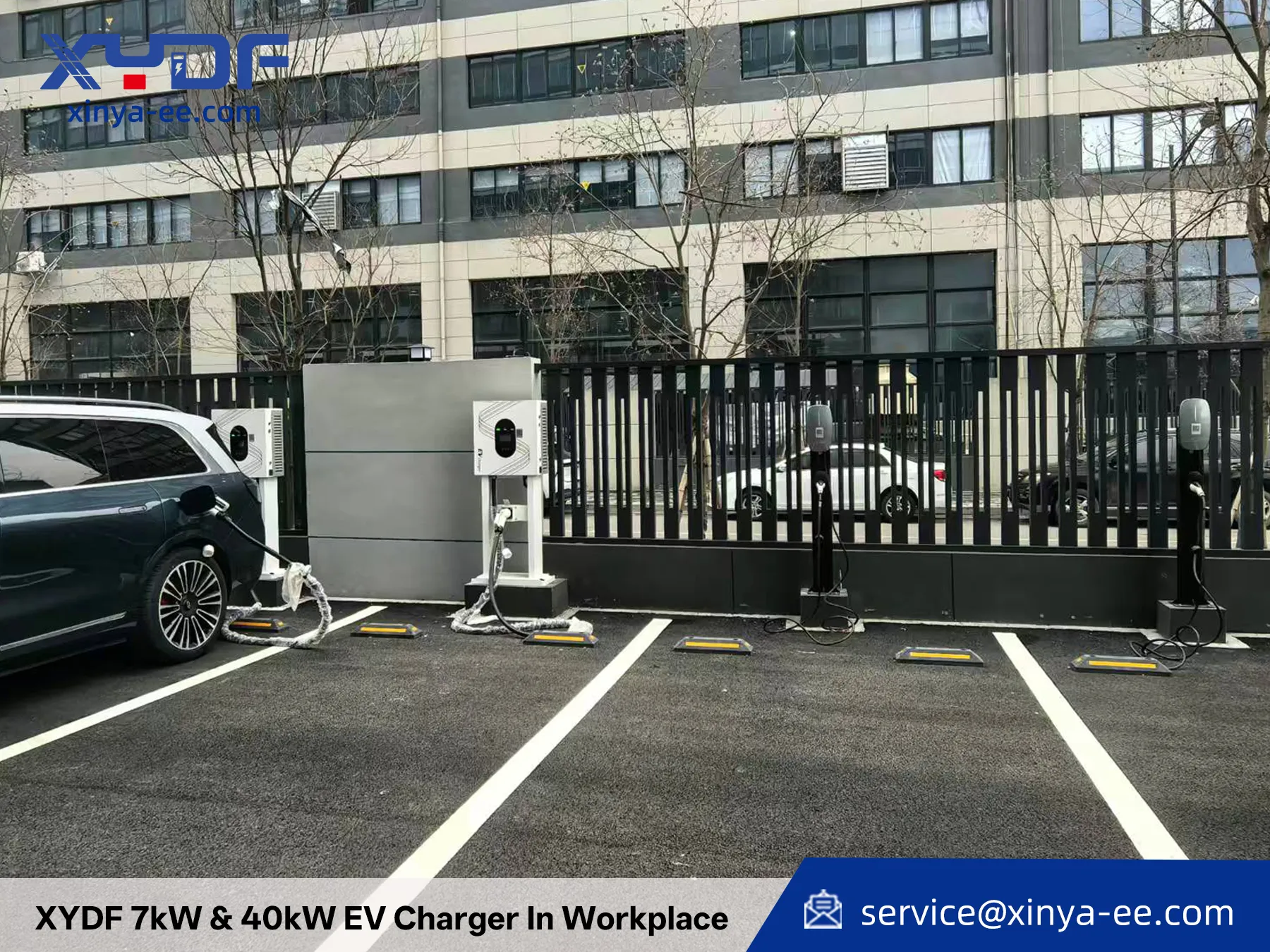
Standby consumption is easy to overlook when quotations do not distinguish available, connected, sleep, networking, metering, and thermal-control states. A charging site can therefore show a measurable baseline load even when no vehicle is actively charging.
EV charger standby energy—yes, most energized chargers draw some power when they are not delivering energy to a vehicle. Consumption depends on the operating state, charger architecture, communication functions, display, metering, safety circuits, thermal controls, and installed accessories. It is rarely the largest cost item, but it becomes visible across dozens or hundreds of charging points and several operating years.
Buyer takeaway:
- For home and light commercial AC EVSE, standby power is usually a minor cost, but buyers should still request standby wattage data.
- For DC fast charging stations, idle power should be evaluated together with cooling, communication, display, payment, and DC power module configuration.
- For CPOs, fleet operators, and EPC contractors, total cost of ownership matters more than the lowest purchase price.
In industry language, a charger is often called electric vehicle supply equipment (EVSE). Many AC units do not charge the battery directly; they supply controlled AC power to the vehicle’s onboard charger. DC fast chargers perform off-board power conversion and deliver DC power to the battery.
According to the International Energy Agency’s Global EV Outlook, public charging infrastructure continues to expand as EV adoption grows. As depots, parking facilities, retail sites, and highway hubs deploy networked chargers, the procurement question is not simply “How much does the charger cost?” but “What does this charging asset cost to operate reliably?”
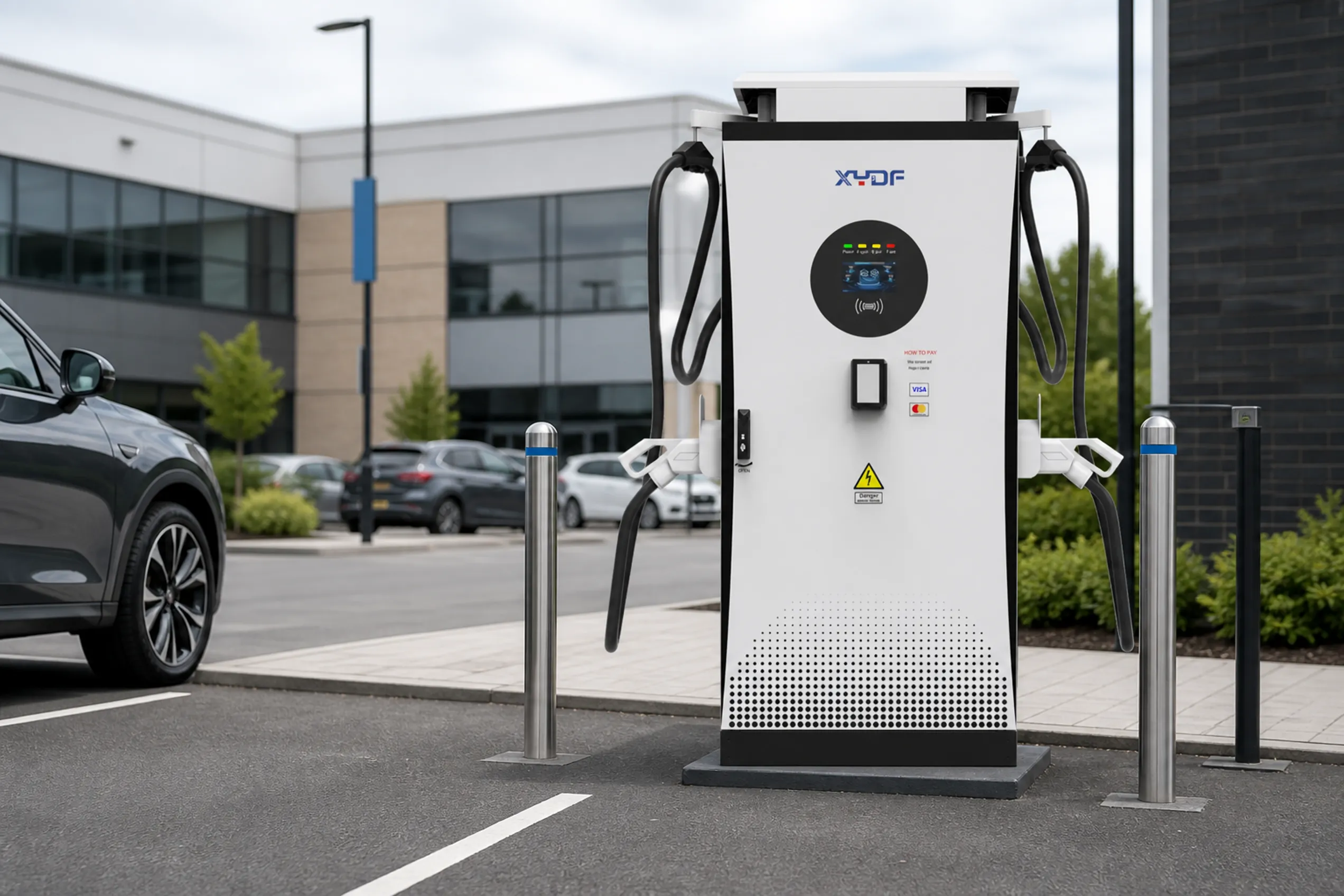
Why EV Chargers Draw Power When Idle
Idle power consumption comes from components that remain energized even when no vehicle is actively charging. In basic electric car chargers, this may be a small control circuit and indicator light. In advanced smart EV chargers, the always-on load can include communications, metering, authentication, safety monitoring, and backend connectivity.
Common idle loads include:
- Control board or main controller
- Auxiliary power supply
- Wi-Fi, 4G, Ethernet, or Bluetooth communication module
- RFID reader
- LED indicator
- LCD or touchscreen display
- Energy meter or metering module
- Contactor and relay monitoring circuits
- Residual current or ground fault monitoring
- Payment terminal
- Cooling control for high-power DC systems
A typical AC charging unit may operate at 7 kW, 11 kW, or 22 kW in many IEC markets, while North American Level 2 equipment often uses 240V circuits under standards such as SAE J1772 and UL 2594. Even if the charger is idle, the control and safety electronics may remain energized.
Relevant standards include:
- IEC 61851-1 for conductive charging system general requirements
- UL 2594 for electric vehicle supply equipment
- SAE J1772 for North American AC charging interfaces
For procurement teams, the key distinction is this: rated charging power tells how fast a charger can deliver energy; standby power tells how much energy the system may consume while waiting to deliver energy.
Defined EVSE operating states are essential because one “idle” number cannot represent every non-charging condition. ENERGY STAR EVSE Version 1.2 distinguishes No Vehicle, Partial On, Idle, and Operation modes. Site dashboards may instead say available, preparing, suspended, sleep, or offline, so buyers should map each label to the physical connection, output-current status, and enabled functions.
| Operational state to report |
Vehicle, output, and network condition |
Auxiliary loads that may remain active |
Measurement note |
| Available / no vehicle |
Energized, connector not attached, zero output current; network may be online |
Controller, meter, communications, status light, display, or payment terminal |
Map to No Vehicle Mode where the test configuration permits; state display and network settings |
| Connected, not charging |
Vehicle attached but not requesting energy |
Control pilot, vehicle communication, authentication, meter, and backend connection |
Record whether the EVSE is ready to supply energy; this may align with Partial On Mode |
| Ready, zero current |
Vehicle ready and EVSE able to provide current promptly, but measured output current is zero |
Contactor controls, vehicle communication, monitoring, and cooling controls |
This is the ENERGY STAR Idle Mode concept; verify zero output current rather than relying on the screen label |
| Sleep |
Selected subsystems reduced or powered down; wake trigger remains available |
Wake circuit, safety monitoring, and possibly a low-power network path |
Sleep is a site or manufacturer label, not automatically equivalent to a standardized mode; report wake time and trigger |
| Offline |
Backend cannot communicate with the unit, although the EVSE may remain energized |
Local controller, modem retry cycles, display, meter, and safety circuits |
Offline is a communication condition, not proof of low power or disconnection |
| Heater or cooling active |
No vehicle energy delivered, but temperature control is cycling |
Cabinet heater, fan, pump, chiller controls, or anti-condensation equipment |
Report ambient temperature, recent charging history, duty cycle, peak, and average input power |
| Disconnected / de-energized |
External and relevant internal power sources removed or isolated |
None supplied by those sources |
Do not present this as standby performance; it is not an available charger state |
A connected charger waiting for a vehicle request can support more functions than an unoccupied port. A communication outage may also trigger repeated modem or controller activity, while a cold cabinet can run a heater even when no vehicle is present.
Not all EV charging equipment behaves the same way when idle. AC chargers, DC fast chargers, and ultra-fast chargers have different electrical architectures, and that affects standby consumption.
AC EVSE
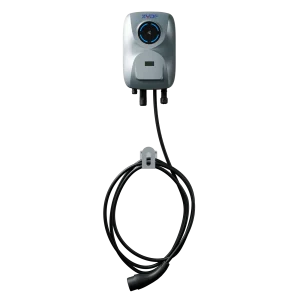
An AC EVSE unit usually supplies controlled AC power to the vehicle. The vehicle’s onboard charger converts AC to DC. This means the wallbox or commercial AC unit typically has fewer high-power internal conversion components than a DC charger.
Common AC ratings include:
- 3.7 kW and 7 kW for residential or light commercial charging
- 11 kW and 22 kW for three-phase commercial applications
- 230V single-phase or 400V three-phase systems in many IEC markets
- 240V Level 2 systems in North America
DC Fast Chargers
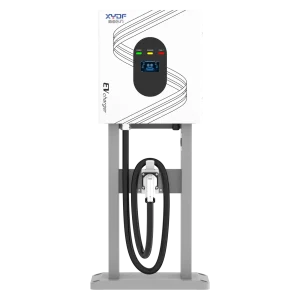
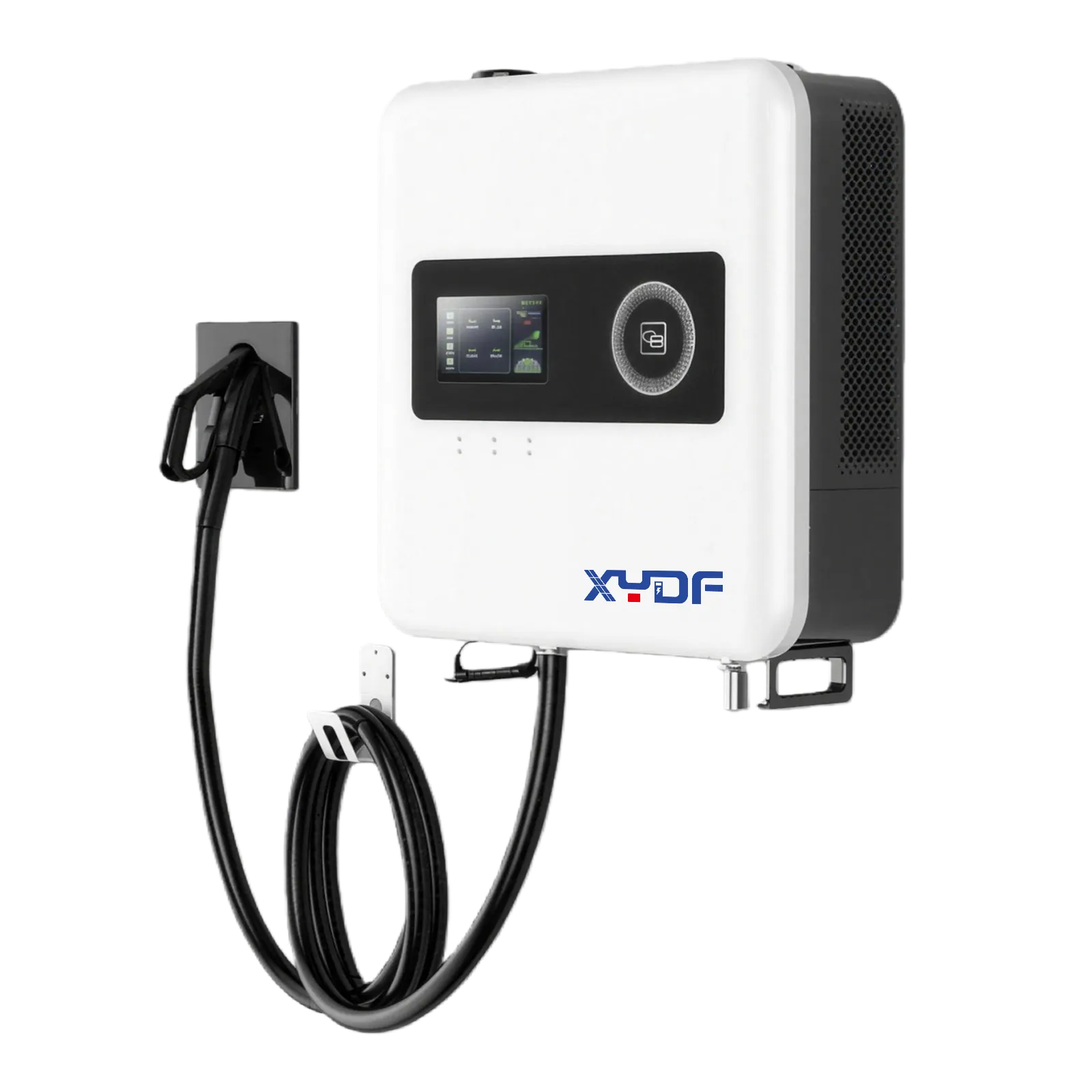
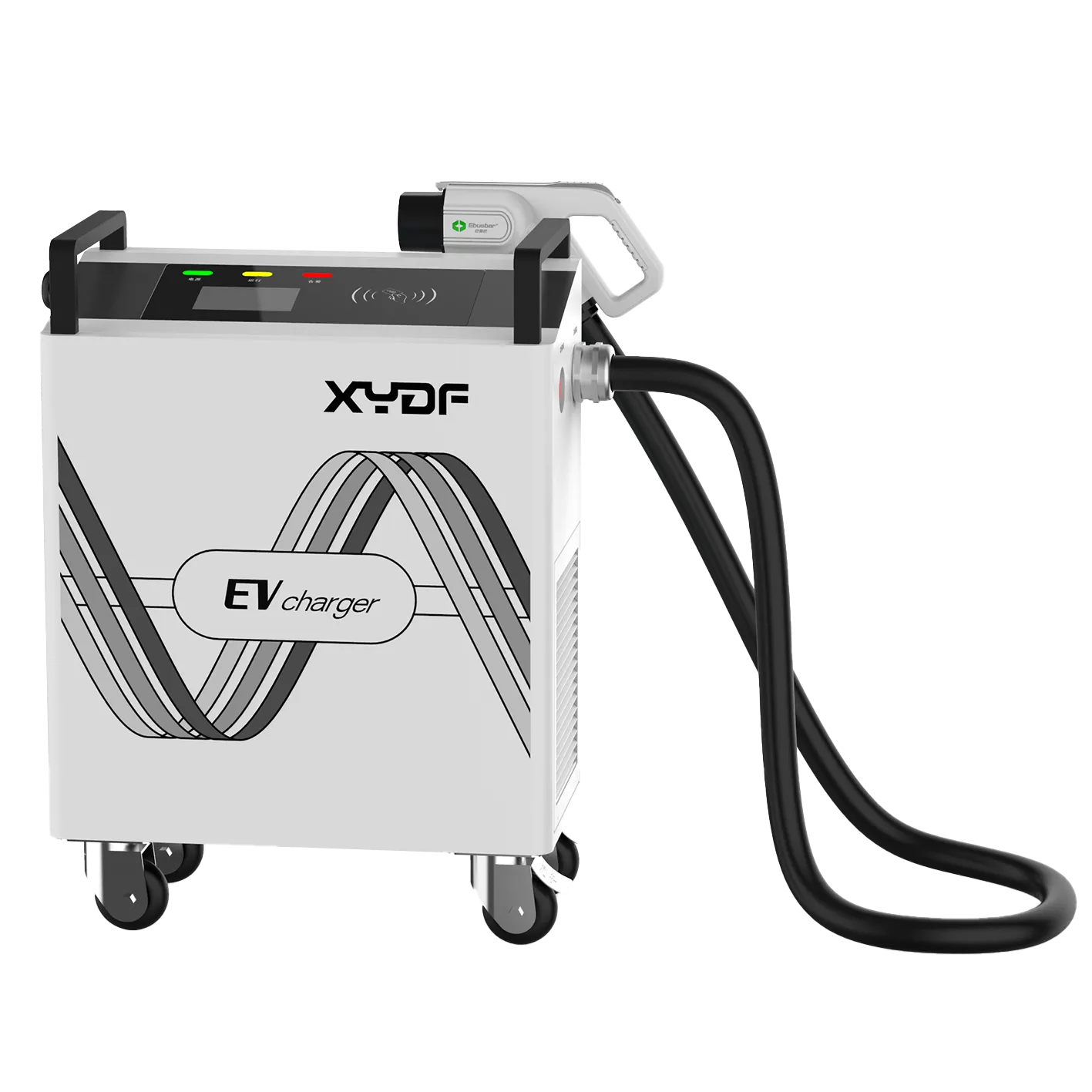
A DC fast charger is an off-board charger. It converts AC grid power into DC power inside the charger and delivers it directly to the vehicle battery. This requires power electronics, cooling control, isolation, communication, protection systems, and often one or more DC power module units.
Common DC ratings include:
- 30 kW
- 60 kW
- 120 kW
- 180 kW
- 240 kW
- 360 kW and above for high-power charging
Relevant standards and interfaces include:
- IEC 61851-23 for DC EV charging stations
- IEC 61851-24 for digital communication between DC charger and EV
- IEC 62196 for plugs, socket-outlets, connectors, and vehicle inlets
- CCS1 / CCS2
- CHAdeMO
- GB/T 20234
- ISO 15118
DC fast chargers often consume more standby power than AC units because they include more subsystems: display, payment interface, network module, thermal control, safety monitoring, and internal power electronics. For 400V and 800V vehicle platforms, high-power charging infrastructure may also require more advanced control and cooling design.
How Smart Functions Affect Idle Power
Smart EV chargers are not passive electrical outlets. They are connected infrastructure assets. That connectivity improves uptime, billing, access control, remote service, and energy management — but it also means certain circuits stay active.
Smart functions that can contribute to standby load include:
- OCPP heartbeat communication
- Remote monitoring
- Cloud backend connection
- OTA firmware update readiness
- RFID authentication
- App-based authorization
- Payment terminal readiness
- Energy metering
- Load balancing
- Dynamic load management
- Site-level energy management system integration
Common communication protocols include:
- OCPP 1.6J
- OCPP 2.0.1
- ISO 15118 for vehicle-to-grid communication and Plug & Charge
- Modbus or Ethernet-based local integration in some commercial sites
For CPOs and fleet managers, the trade-off is usually reasonable. A charger that stays connected to a backend platform may draw slightly more standby power, but it can also support remote diagnostics, billing records, load control, firmware maintenance, and faster fault response.
In other words, smart standby energy is not always wasted energy; in many commercial projects, it is the baseline cost of managing distributed charging infrastructure.
When does lower sleep power create an operational trade-off?
Firmware can reduce display brightness, pause nonessential processes, or place communication hardware in a lower-power state. Deeper sleep may extend wake time, delay a payment session, slow backend reconnection, or prevent immediate remote intervention. Test wake-up from the intended RFID, plug-in, app, scheduled, and remote triggers, then confirm that alarms and session records still reach the platform. The remote-diagnostics and alarm-priority guide helps identify what must remain observable.
Climate controls need a separate test case. A cabinet heater, anti-condensation device, fan, or liquid-cooling loop can be a legitimate readiness or equipment-protection load. Disabling it for an attractive room-temperature reading may make the result irrelevant to a winter depot or hot charging hub. Specify ambient test points and post-charge cooldown conditions, and compare them with the site weather profile and EV charger thermal-management guidance.
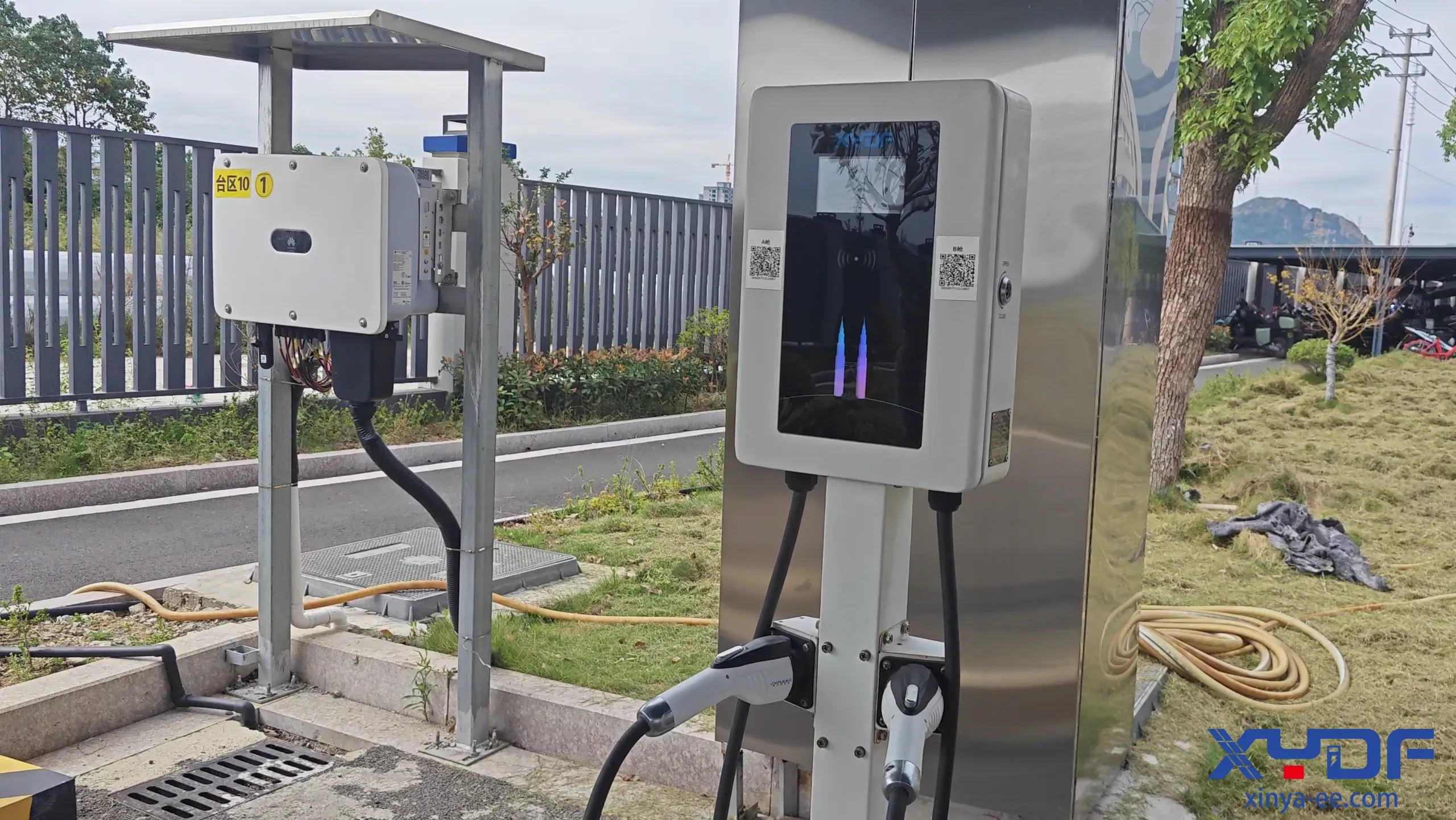
How to Estimate Standby Energy Cost
For price-sensitive procurement, standby power should be converted into annual cost. The calculation is simple:
Annual standby energy cost = standby power in kW × idle hours per year × electricity price per kWh
A charger’s rated kW describes charging capability, not auxiliary demand. For an acceptance test, use installed-input standby measurement with a suitably rated real-power and accumulated-energy meter at the defined AC input to the complete unit. For a split DC system, state whether the reading includes the power cabinet, dispenser, liquid-cooling equipment, payment terminal, networking equipment, and shared site controller. Qualified personnel should plan and perform work on energized equipment.
The ENERGY STAR AC-output EVSE test method and DC-output EVSE test method measure input power in defined vehicle-interface states and refer to IEC 62301 for low-power measurement. The ENERGY STAR EVSE Version 1.2 specification defines the modes and identifies secondary functions such as networking, displays, access control, and wake-up. Buyers may borrow that discipline for a tender test without claiming ENERGY STAR certification.
Record input voltage, phase arrangement, firmware, network connection, display brightness, payment and RFID status, ambient temperature, vehicle simulator or vehicle state, start time, stabilization time, test duration, average watts, maximum watts, and accumulated watt-hours. If heaters, fans, pumps, cooling controls, or modem retries cycle, measure long enough to capture complete cycles; a spot reading can miss the load that shapes annual energy.
Example:
If one charger draws 10 W in standby mode:
0.01 kW × 8,760 hours × $0.15/kWh = $13.14 per year
That number looks small for one charger. But B2B procurement rarely stops at one charger.
| Number of Chargers |
Standby Power Per Charger |
Electricity Price |
Estimated Annual Standby Cost |
| 1 charger |
10 W |
$0.15/kWh |
$13.14 |
| 10 chargers |
10 W |
$0.15/kWh |
$131.40 |
| 50 chargers |
10 W |
$0.15/kWh |
$657.00 |
| 200 chargers |
10 W |
$0.15/kWh |
$2,628.00 |
This is only a simplified example. A DC fast charging site with display screens, payment terminals, cooling control, and multiple DC power module units may have a different idle profile. The practical procurement lesson is not that standby energy dominates the budget; it is that small assumptions become visible when multiplied across stations, chargers, connectors, and operating years.
How does state-weighted energy improve a fleet TCO estimate?
For identical units, use state-weighted EVSE auxiliary energy: annual auxiliary energy in kWh equals the number of chargers multiplied by the sum of each state’s input power in kW times its annual hours, plus the annual energy of shared auxiliary equipment. Annual auxiliary-energy cost equals that energy multiplied by the applicable tariff.
Treat demand charges separately. A low continuous load adds energy, while coincident peaks from active charging affect a different part of the bill; the commercial EV charging peak-demand guide explains that site-level distinction.
For example, assume 40 chargers each spend 12 hours per day available at 25 W, 8 hours connected but not charging at 40 W, and 4 hours in sleep at 10 W. Assume $0.15/kWh, no active heater or cooling load, and no shared network or site-controller load.
- Per charger per day: (0.025 kW × 12 h) + (0.040 kW × 8 h) + (0.010 kW × 4 h) = 0.66 kWh.
- Fleet per year: 0.66 kWh × 40 × 365 = 9,636 kWh.
- Annual energy cost under these assumptions: 9,636 kWh × $0.15/kWh = $1,445.40.
Replace every assumption with logged site hours and measured input power. Apply the same service life and tariff scenario to every bid, then show auxiliary energy separately from charging losses, software fees, preventive maintenance, spare parts, downtime, and demand charges.
Standby Power and Procurement Impact by Charger Type
| Charger Type |
Typical Power Rating |
Common Idle Loads |
Standards / Protocols |
Procurement Impact |
TCO Consideration |
| Portable electric car chargers |
1.4–3.7 kW |
Indicator light, basic control circuit |
Mode 2, regional plug standards |
Low upfront cost, limited smart control |
Low standby cost, limited commercial suitability |
| Wall-mounted AC EVSE |
7–22 kW |
Control board, LED, Wi-Fi or Ethernet, meter |
IEC 61851-1, UL 2594, SAE J1772 |
Suitable for homes, workplaces, apartments |
Check standby wattage and backend compatibility |
| Commercial AC EV charging equipment |
7–22 kW per connector |
RFID, display, meter, OCPP module, load balancing |
IEC 61851, IEC 62196, OCPP 1.6J / 2.0.1 |
Better access control and billing capability |
Evaluate uptime, metering, and network fees |
| DC fast charger |
30–180 kW |
Display, payment, cooling control, power electronics, DC power module |
IEC 61851-23/24, CCS, CHAdeMO, GB/T |
Higher CAPEX, stronger site infrastructure needs |
Idle power is only one part of TCO |
| Ultra-fast charging station |
240–360 kW+ |
Liquid cooling control, advanced power modules, payment, remote monitoring |
ISO 15118, CCS2, OCPP 2.0.1 |
Requires grid planning and thermal design |
TCO depends heavily on utilization and service model |
Idle power should not be evaluated as a single number. Procurement teams should compare standby consumption together with uptime, metering accuracy, remote diagnostics, certification, spare parts availability, and long-term service cost.
What Drives the Cost of Low-Standby EV Charging Equipment?
| Cost Driver |
Why It Affects Price |
Impact on Standby Consumption |
Buyer’s Note |
| AC vs DC architecture |
DC chargers require power conversion hardware |
DC units usually have higher auxiliary loads |
Compare AC EVSE and DC fast chargers separately |
| Smart communication module |
Wi-Fi, 4G, Ethernet, and backend access add hardware |
May increase idle draw |
Necessary for CPO monitoring and billing |
| OCPP compatibility |
Protocol support requires software and testing |
Maintains backend communication during idle periods |
Confirm OCPP 1.6J or OCPP 2.0.1 compatibility |
| Metering accuracy |
Revenue-grade metering costs more |
Meter may remain active |
Important for billing and dispute reduction |
| Display and payment terminal |
Adds user interface and transaction hardware |
Can increase standby load |
Essential for public charging sites |
| Cooling system |
Fans or liquid cooling add complexity |
Control circuits may remain active |
Critical for DC and ultra-fast systems |
| DC power module quality |
Higher-quality modules improve reliability |
May affect auxiliary control design |
Do not judge only by module price |
| Certification: UL / CE / CCC |
Testing and compliance add cost |
Not mainly a standby issue |
Required for market access and inspections |
| Enclosure IP rating |
Outdoor-rated cabinets cost more |
Minimal direct effect |
IP54/IP55/IP65 selection depends on site exposure |
| After-sales and spare parts |
Service network adds lifecycle value |
Reduces downtime cost |
TCO depends on support quality, not only CAPEX |
Low-cost EV supply equipment does not always produce low total cost. A charger with stable OCPP communication, accurate metering, reliable thermal design, and well-supported spare parts may cost more upfront, but it can reduce downtime risk. For CPOs, idle power is only one part of TCO; availability, utilization rate, service cost, and billing reliability often matter more.
Standards and Compliance: Why They Matter for Standby and Procurement
Standards do not exist to decorate a datasheet. They define safety, interoperability, communication, and market acceptance. For global procurement teams, they reduce project risk across regions.
Key standards and protocols include:
- IEC 61851-1 — General requirements for conductive EV charging systems
- IEC 61851-23 — DC EV charging station requirements
- IEC 61851-24 — Digital communication between DC charger and EV
- IEC 62196 — Plugs, socket-outlets, connectors, and vehicle inlets
- ISO 15118 — Vehicle-to-grid communication and Plug & Charge
- SAE J1772 — North American conductive charging interface
- UL 2594 — EV supply equipment safety standard
- UL 2202 — DC charging equipment safety standard
- GB/T 20234 — Chinese EV conductive charging connection standard
- OCPP 1.6J / OCPP 2.0.1 — Charger-to-backend communication protocols
- CE / CCC — Market access and compliance markings, depending on target region and configuration
Non-compliance can create commercial consequences:
- Inspection failure
- Grid connection delay
- Payment or billing disputes
- Warranty complications
- Safety risk
- Insurance concern
- Public charging downtime
- CPO reputation damage
Procurement teams should verify documentation before purchase. Compliance wording also matters: UL, CE, CCC, IEC, or ISO-related claims should be confirmed by model, configuration, and destination market rather than assumed across all products.
Selection Guide: How B2B Buyers Should Avoid Costly Mistakes
For EPC contractors, fleet managers, CPOs, and electrical distributors, we recommend a structured purchasing checklist.
1. Ask for standby power data, not only rated charging power
Rated output — such as 22 kW AC or 120 kW DC — tells only part of the story. Buyers should request standby wattage, no-load consumption, and smart-function configuration.
2. Evaluate AC EVSE and DC fast chargers separately
AC EVSE and DC chargers have different architectures. A small wall-mounted charger and a 180 kW DC charging station should not be compared using the same idle power expectation.
3. Check OCPP compatibility and backend integration
For smart EV chargers, backend integration may be more important than the lowest idle wattage. Confirm whether the system supports OCPP 1.6J, OCPP 2.0.1, remote monitoring, load balancing, and future platform integration.
4. Review metering, display, RFID, and payment modules
Each module can add value and idle load. Public chargers need user authentication and billing; private fleet depots may not require the same interface complexity.
5. Compare TCO, not only purchase price
A lower-cost charger with weak service support, poor thermal design, or unreliable communication can become more expensive over time. Procurement teams should evaluate standby energy cost together with uptime, spare parts, software compatibility, and warranty terms.
6. Reserve upgrade capacity for higher-power vehicles
As 800V EV platforms and higher-power commercial vehicles become more common, charging sites should consider future power expansion, cable cooling, transformer capacity, and software scalability.
What should a reproducible standby-power report contain?
Ask bidders for a state matrix, test setup, and raw time-series or interval data rather than one unexplained maximum. The report should identify the unit and configuration; measurement point and included accessories; calibrated instrument and accuracy range; input and ambient conditions; vehicle-interface state; enabled communications; stabilization and sample duration; average, maximum, and accumulated energy; heater or cooling duty cycle; and wake-up performance.
IEC 62301:2011 is a general standby-power measurement standard for household and office equipment, not an EVSE product certification, but the ENERGY STAR EVSE methods reference its measurement framework; see the official IEC 62301 publication page. The proposed site protocol adapts public test-method concepts for tender comparison and does not replace accredited-laboratory testing where certification or regulation requires it.
For commercial buyers comparing an AC charger with a networked DC system, request model- and configuration-specific evidence. Share the required states, ambient conditions, and included accessories when you contact XYDF about a project, so every supplier response can be evaluated on the same basis.
XYDF manufactures AC EVSE, DC fast chargers, and integrated EV charging equipment for commercial and infrastructure projects, with product configurations designed around IEC-based engineering practices, OCPP communication, and international project requirements. Certification availability should be verified by model and target market before procurement.
For buyers comparing AC and DC configurations, XYDF’s commercial EV supply equipment product range can be reviewed here: EV charging equipment.
FAQs
What are the three types of EV charging systems?
The three common types of EV charging systems are Level 1 charging, Level 2 charging, and DC fast charging.
- Level 1 charging usually uses a standard household outlet and is mainly suitable for slow residential charging.
- Level 2 charging uses higher AC power, commonly 7 kW to 22 kW in many markets, and is widely used for homes, workplaces, hotels, apartments, and commercial parking areas.
- DC fast charging converts AC grid power into DC power inside the charger and delivers it directly to the vehicle battery. It is commonly used for public charging stations, highway charging hubs, fleet depots, and commercial charging networks.
For B2B projects, the right system depends on parking duration, grid capacity, vehicle type, utilization target, and total cost of ownership.
What is EV supply equipment?
EV supply equipment, often shortened to EVSE, refers to the equipment that safely supplies electrical energy to an electric vehicle. In AC charging, the EVSE does not usually charge the battery directly; instead, it controls and delivers AC power to the vehicle’s onboard charger.
EV supply equipment may include:
- Charging cable and connector
- Control board
- Safety protection circuits
- Communication module
- Energy meter
- RFID reader
- Display screen
- Load balancing function
- Network connection for smart EV chargers
In commercial projects, EVSE is more than a power outlet. It is part of the charging infrastructure that manages safety, communication, access control, metering, and operational availability.
What is the cost of an EV charger?
The cost of an EV charger depends on charger type, power rating, connector configuration, communication functions, certification requirements, installation environment, and service support.
As a general procurement framework:
| Charger Type |
Typical Application |
Cost Factors |
| Portable electric car chargers |
Residential or emergency charging |
Basic cable, plug type, current rating |
| AC EVSE |
Homes, workplaces, apartments, commercial parking |
7 kW / 11 kW / 22 kW rating, RFID, OCPP, metering, enclosure |
| DC fast charger |
Public stations, fleets, highways |
Power modules, cooling, display, payment, CCS/CHAdeMO/GB/T connector |
| Ultra-fast charger |
High-utilization charging hubs |
High-power cabinet, liquid cooling, grid connection, backend integration |
For B2B buyers, purchase price should not be evaluated alone. The better metric is total cost of ownership, including standby power, installation, grid upgrade, software platform, maintenance, spare parts, uptime, and long-term serviceability.
Is it worth getting a smart EV charger?
Yes, a smart EV charger is often worth it for commercial, fleet, workplace, and public charging applications. Although smart EV chargers may consume slightly more standby power than basic chargers, they usually provide higher operational value.
Smart EV chargers can support:
- OCPP backend communication
- Remote monitoring
- Scheduled charging
- Load balancing
- Dynamic load management
- RFID or app authentication
- Energy metering
- Fault diagnostics
- Firmware updates
- Usage reporting
For home users with simple charging needs, a basic charger may be enough. For CPOs, fleet managers, commercial property owners, and electrical distributors, smart functionality is usually important because it supports billing, uptime management, energy optimization, and long-term scalability.
What is the difference between an EVSE and an EVCS?
EVSE means Electric Vehicle Supply Equipment. It usually refers to the charging hardware that safely supplies power to an electric vehicle, including the charger unit, control system, connector, cable, and safety protection.
EVCS means Electric Vehicle Charging Station. It usually refers to the complete charging site or charging point, which may include one or more EVSE units, parking spaces, electrical distribution, network connection, payment system, signage, canopy, and site management system.
In simple terms:
| Term |
Meaning |
Typical Scope |
| EVSE |
Electric Vehicle Supply Equipment |
The charger hardware and power-supply equipment |
| EVCS |
Electric Vehicle Charging Station |
The complete charging station or site infrastructure |
For example, a parking lot may have one EVCS with multiple AC EVSE units and several DC fast chargers.
How does a DC power system work?
A DC power system in an EV fast charger converts AC grid power into controlled DC output for the vehicle battery. Unlike AC EVSE, where the vehicle’s onboard charger performs AC-to-DC conversion, a DC fast charger performs this conversion inside the charging equipment.
A simplified DC charging process includes:
- AC input from the grid enters the charger cabinet.
- Rectifier and power electronics convert AC into DC.
- One or more DC power module units regulate voltage and current.
- The charger communicates with the vehicle through CCS, CHAdeMO, GB/T, or other supported protocols.
- The battery management system requests suitable voltage and current.
- The charger delivers controlled DC power directly to the battery.
- Safety systems monitor temperature, insulation, current, voltage, and fault conditions.
Modern DC fast chargers may support 400V and 800V vehicle platforms, with power ratings such as 60 kW, 120 kW, 180 kW, 240 kW, or higher. The quality of the DC power module, cooling system, and communication control directly affects charging reliability and long-term maintenance cost.
Will EV charger start automatically when power comes?
It depends on the charger model, configuration, safety logic, and backend settings. Many EV chargers can recover automatically after power is restored, but they may not always start charging immediately without checking safety conditions first.
After power returns, the charger may need to:
- Reboot the control board
- Reconnect to the backend platform
- Restore OCPP communication
- Check grounding and leakage protection
- Verify connector status
- Confirm vehicle connection
- Re-authenticate the user if required
- Resume or restart the charging session based on configuration
For public or commercial EV charging equipment, automatic restart behavior should be confirmed before procurement. CPOs and fleet operators should ask suppliers whether the charger supports power-failure recovery, session resume, remote restart, and backend-controlled charging logic.
For mission-critical sites, we recommend testing this function during commissioning rather than assuming all electric car chargers behave the same after a power interruption.
References
ENERGY STAR Program Requirements for EVSE, Version 1.2
ENERGY STAR Test Method for AC-Output EVSE
ENERGY STAR Test Method for DC-Output EVSE
IEC 62301:2011 — Measurement of Standby Power
IEC 61851 Electric Vehicle Conductive Charging System
ISO 15118 Road Vehicles — Vehicle to Grid Communication Interface
International Energy Agency — Global EV Outlook 2024
UL Solutions — EV Charging Standards
In EV charging infrastructure, the smallest loads are rarely the biggest problem — but ignored assumptions become expensive when multiplied across sites, chargers, and years of operation. Standby power should not be treated as a frightening hidden cost, nor should it be ignored. It should be measured, compared, and placed inside a full TCO framework that includes uptime, certification, communication, metering, maintenance, and future scalability.
XYDF builds charging stations for that moment: when procurement teams need reliable scalable EV charging equipment designed for long-term operation. Explore XYDF’s product range here.
 Xinya Dongfang Electricity Technology Co., Ltd.