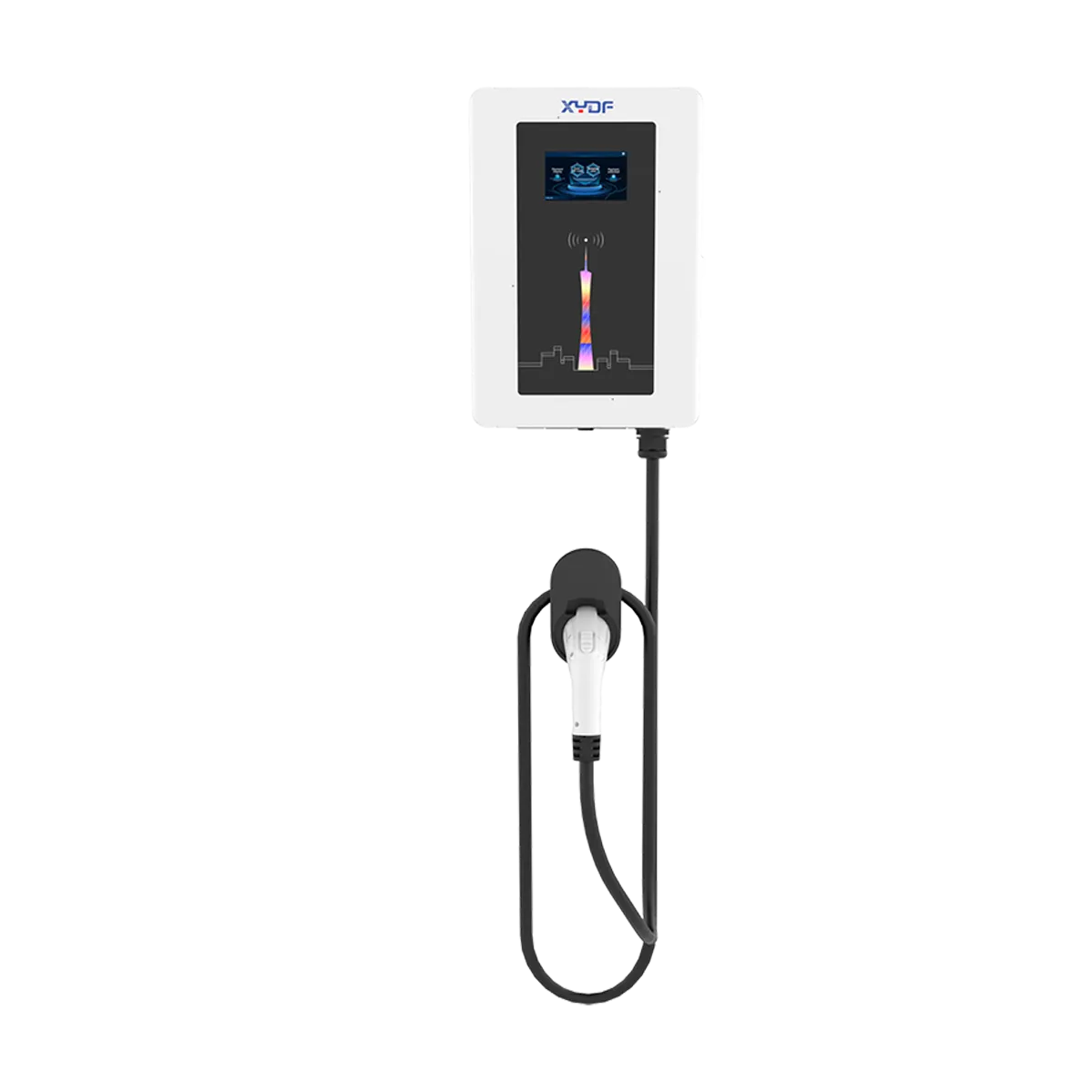
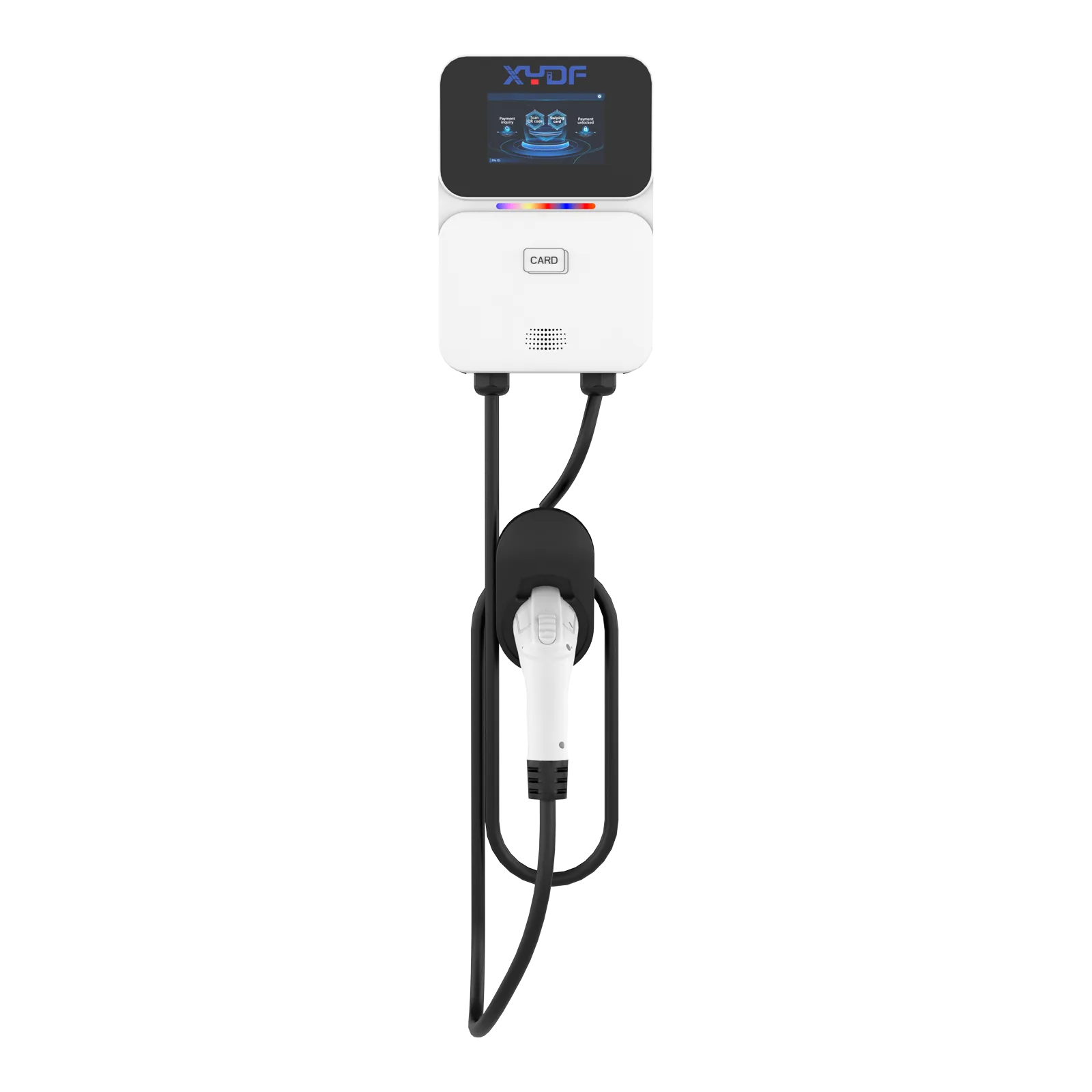
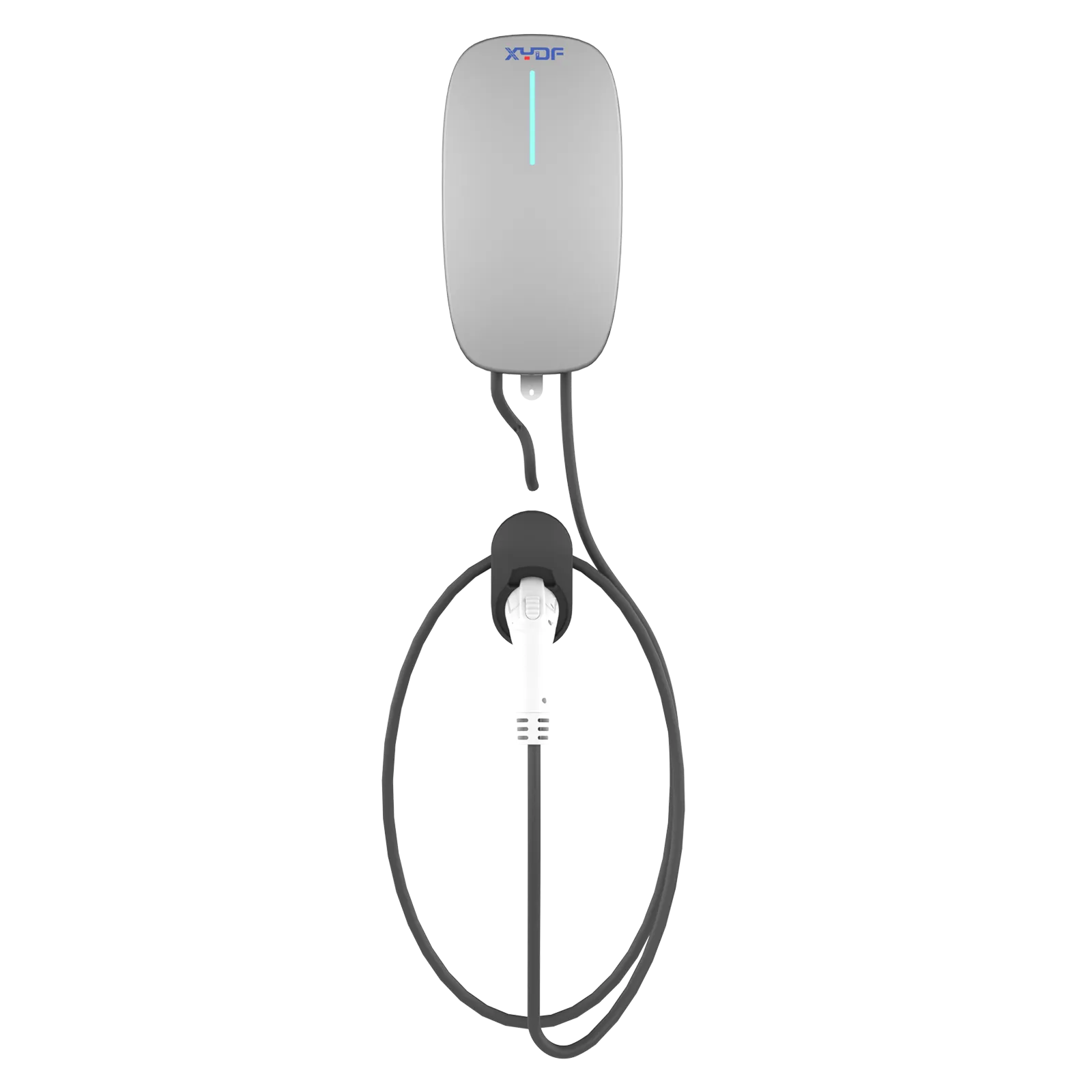
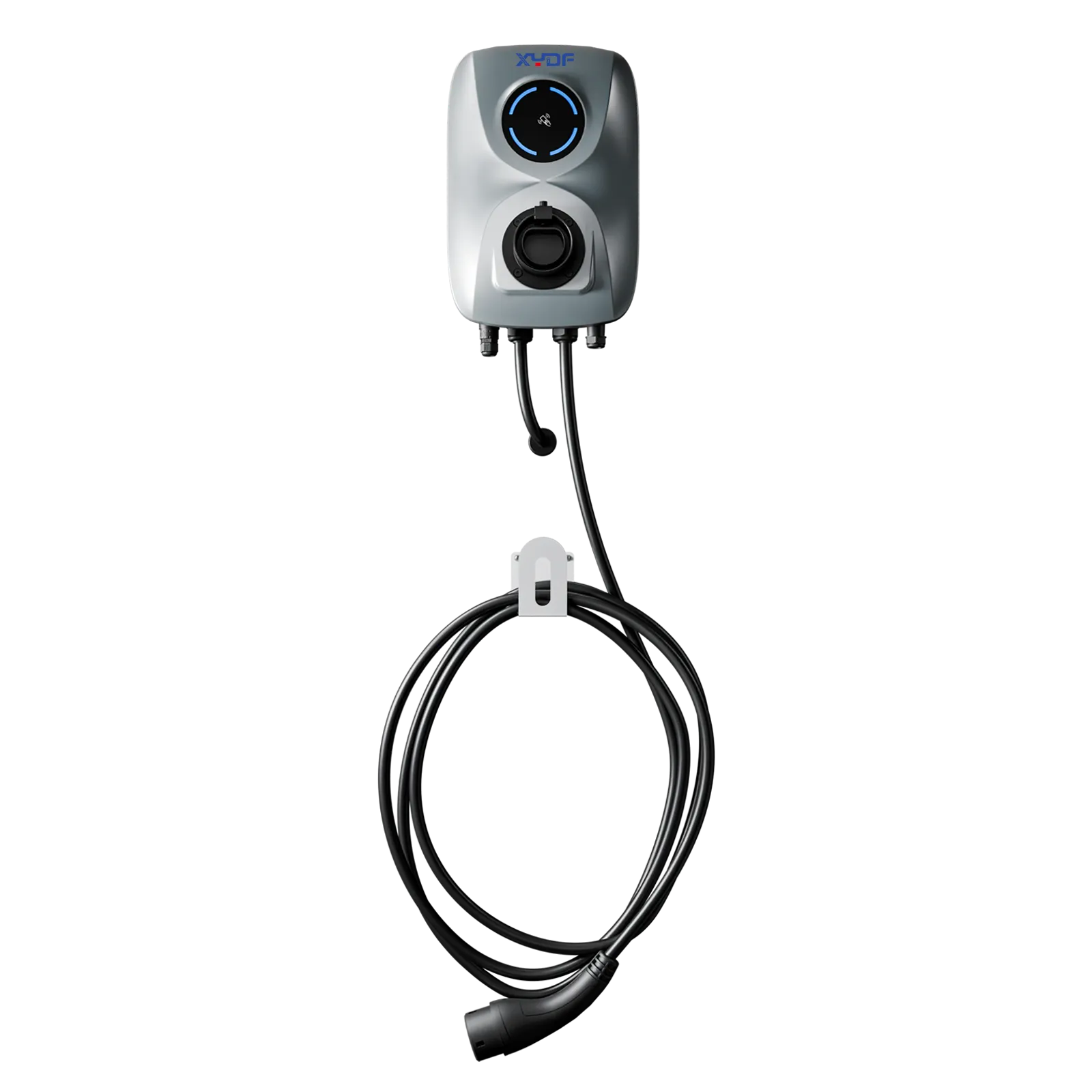
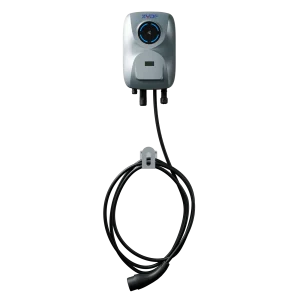
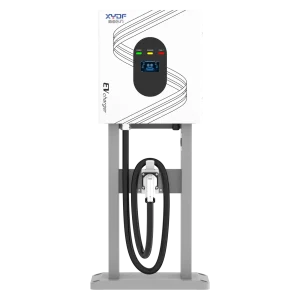
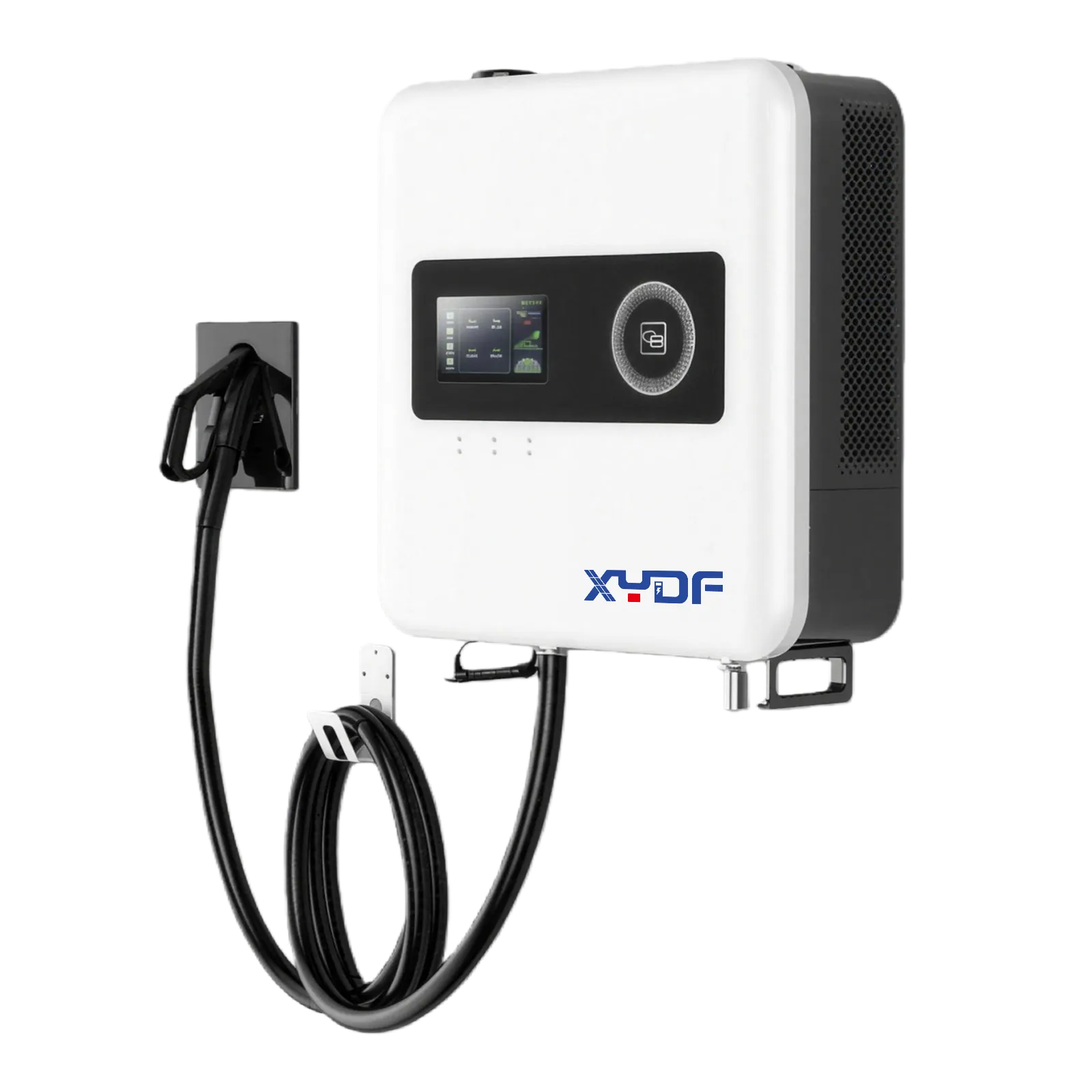
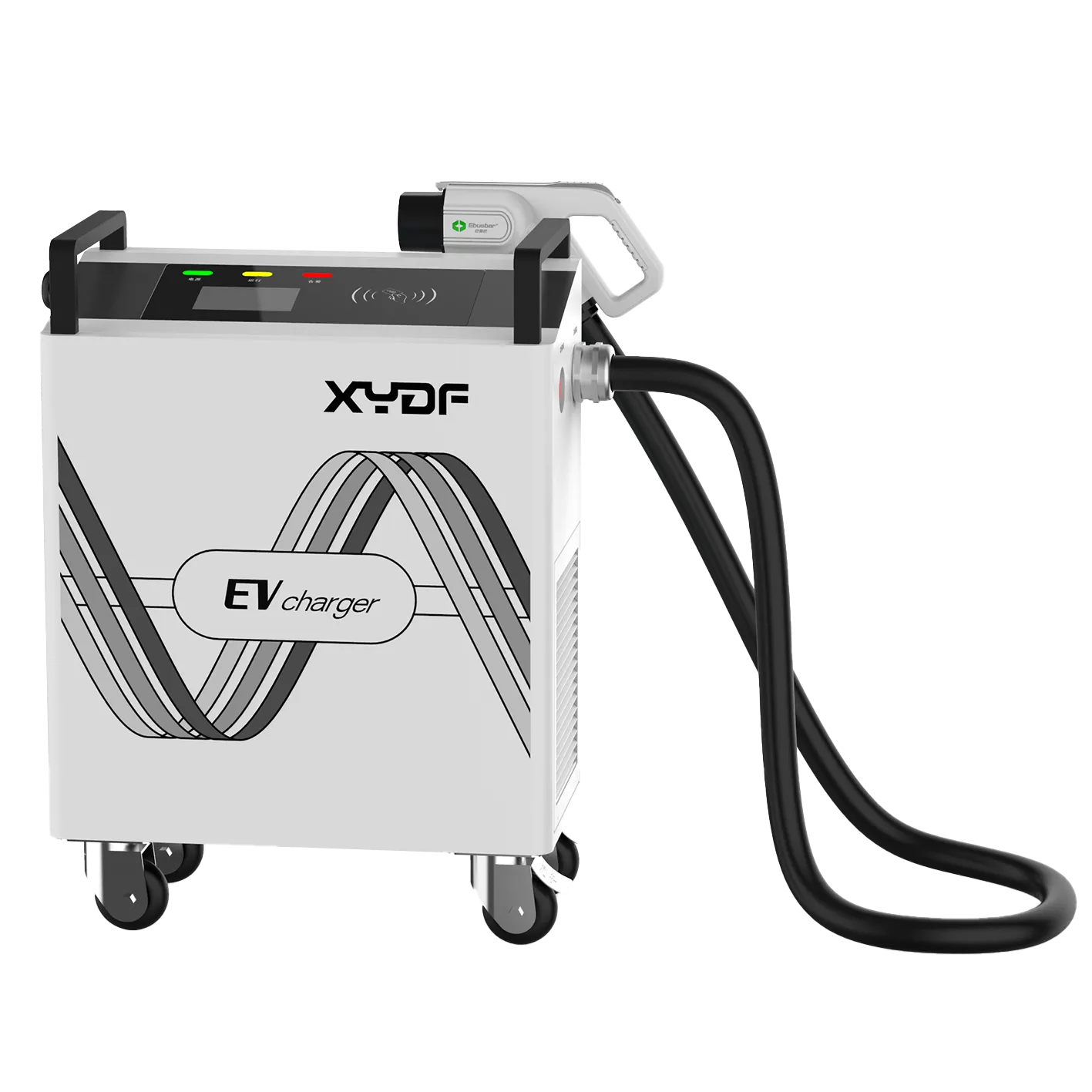
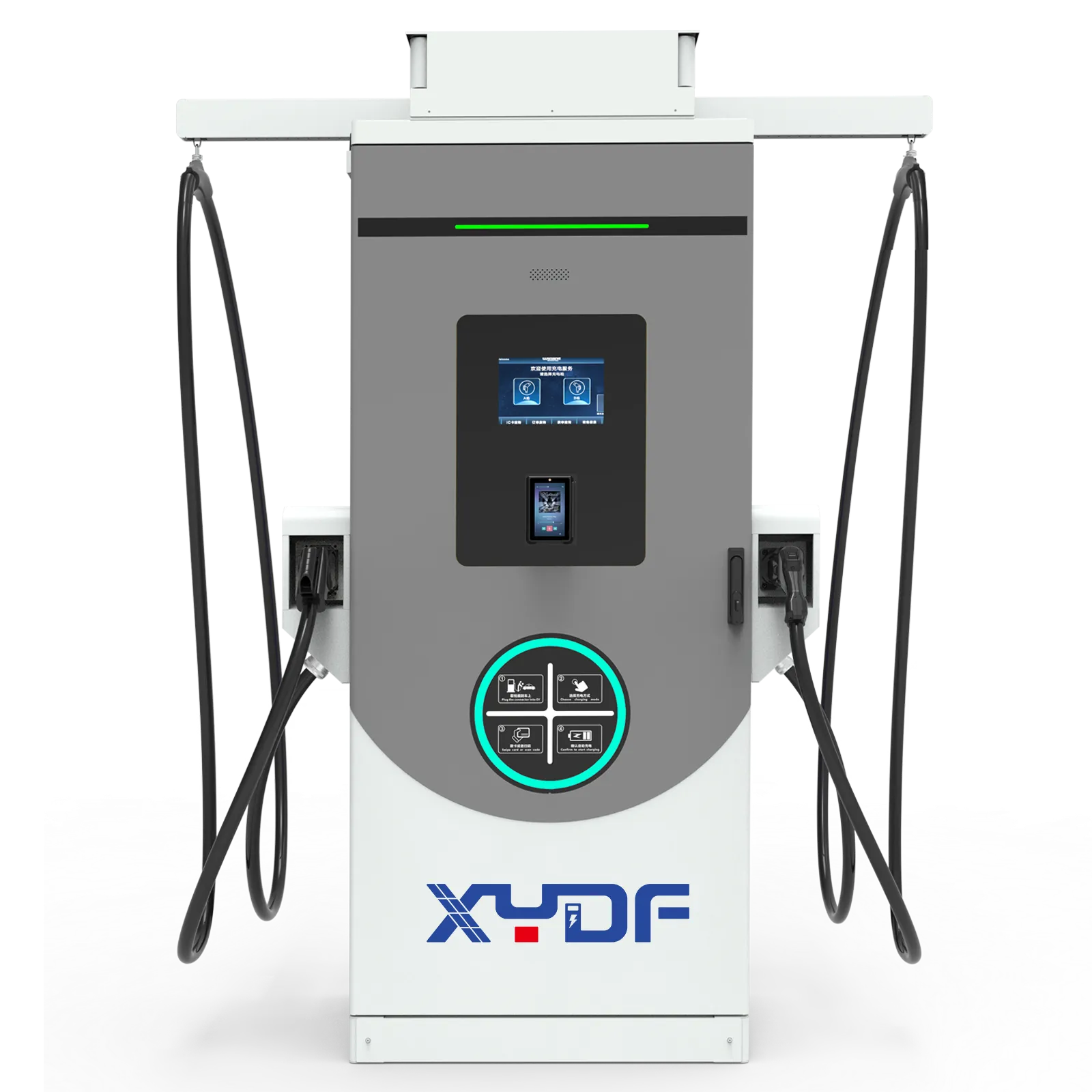
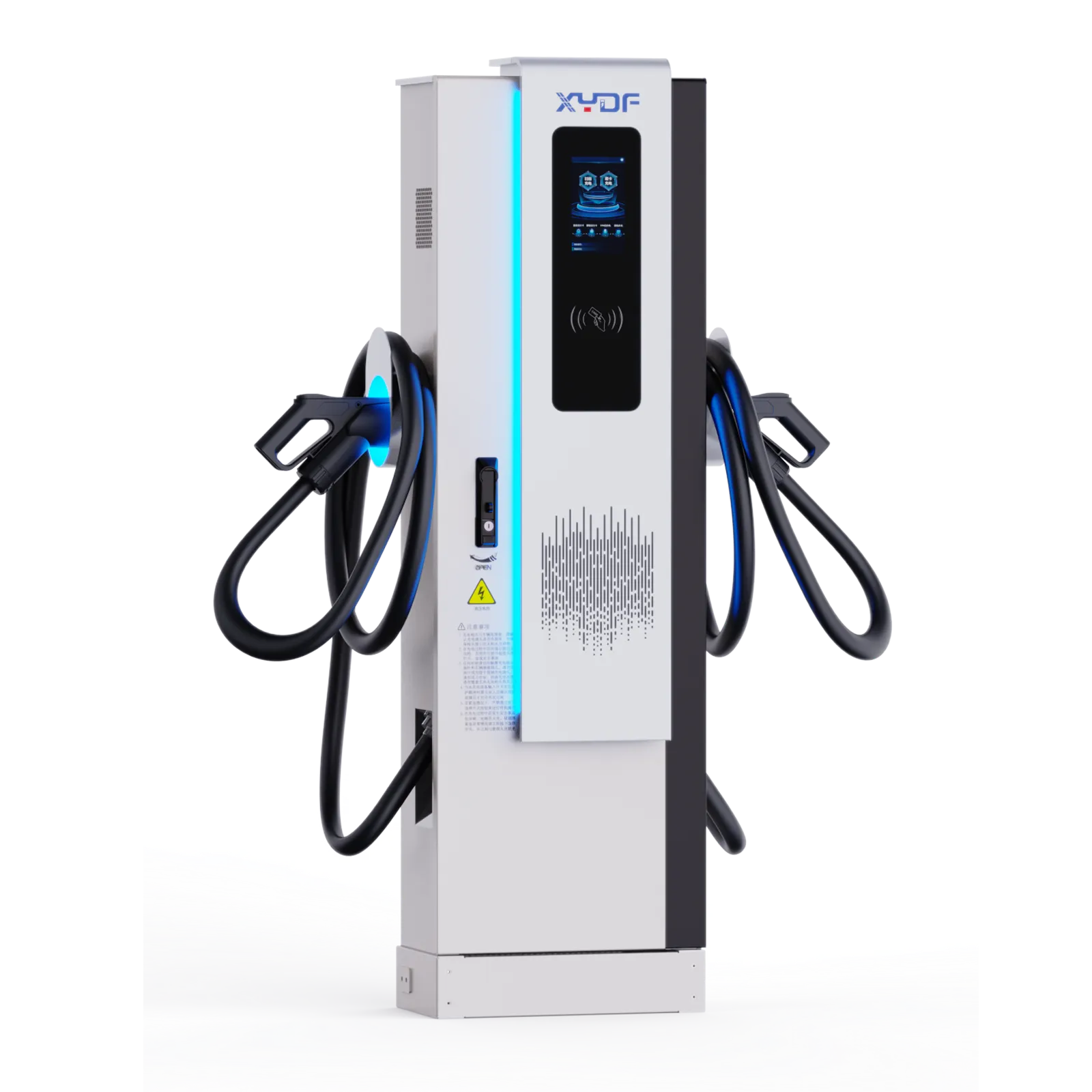
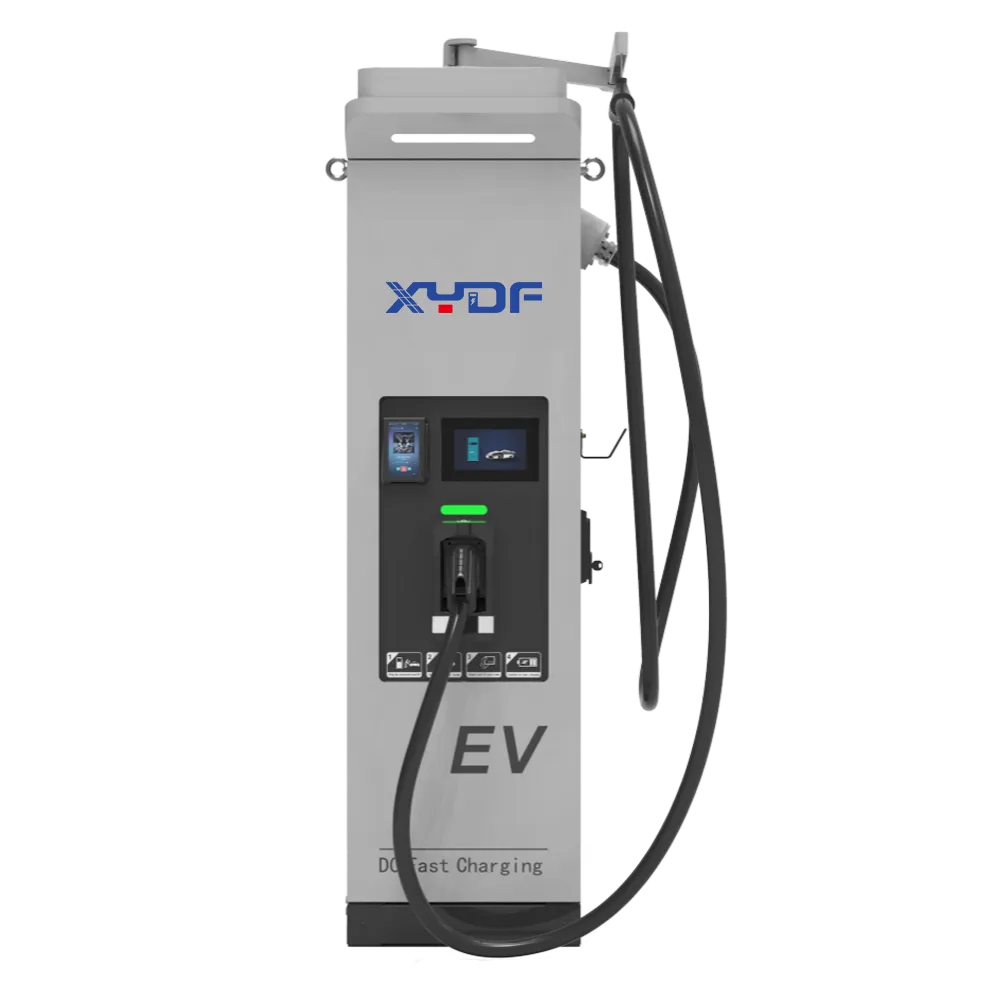
أعمال محطات شحن السيارات الكهربائية: دليل شامل لحلول الشحن التجاري للسيارات الكهربائية
03 يوليو 2026
مدونة
عندما افتتح مدير عقاري في روتردام منطقة شحن جديدة للمستأجرين، بدا الأسبوع الأول مشجعاً: قام السائقون بتوصيل البطاريات، وأظهر تطبيق الموقع جلسات شحن، ووافق المالك على خطط مرحلة ثانية. ثم وصل فاتورة الشهرية للمرفق مع رسوم طلب غير متوقعة، بينما ظلّت العديد من الشواحن فارغةً أثناء ساعات العمل لأن قواعد الوصول وإنفاذ سياسات وقواعد المرور كانت لم تُحدد من قبل. لم تكن العطلة الظاهرة في الشاحن المعيب؛ بل كانت نتيجة لنموذج تشغيل تم اختياره وتنسيقه وشراءه كجزء من المعدات وليس كخدمة تجارية.
ملخص: أن عملية تشغيل محطة شحن الكهرباء يُنجح الأمر عندما تتفاعل مواقع الاستخدام، وفترات الإقامة، والقدرة الكهربائية، وهيكل الرسوم، والعمليات، واقتراحات العملاء بشكل متكامل. غالبًا ما يكون معدات التيار المتردد مناسبةً عمليًا في الأماكن التي تبقى فيها المركبات لساعات طويلة؛ بينما يكون شحن التيار الثابت مبرراً عادةً عندما يكون الوقت المخصص للإقامة قصيرًا أو عندما يكون حجم الإنتاج مرتفعًا أو عندما تكون متوفرة أعداد كبيرة من المركبات. قبل الاستثمار في رأس المال، يجب تحديد الطلب الذروي وفقًا للمواصفات النموذجية، وليس فقط وحدات الطاقة الواردة في الملصق، واختبار سيناريوهات الاستخدام الأساسية والسريعة والتوسعية. يحدد معيار IEC 61851 متطلبات نظام الشحن السلكي، بينما يغطي معيار ISO 15118 الاتصال بين المركبات والشبكة؛ ويجب على المشترين ترجمة هذه الأهداف التقنية إلى خطة تنفيذ يمكن الاعتماد عليها وممكنة للإصلاح.
بالنسبة للمستثمرين في المواقع التجارية، وأصحاب العقارات، ومشغلي نقاط الشحن (CPOs)، ومقرري سياسات الأسطول، يشكل الشحن أصولًا مادية مزودة بمستوى رقمي وعملي. والمسألة لا تقتصر على سؤال “أي شاحن يتمتع بأكبر تصنيف؟” بل تتلخص في سؤال “أي خدمة شحن سيستخدمها الناس بشكل موثوق هنا، وما هي تكلفة توفير كل كيلووات كهرباء مفيدة؟” ويحدد هذا الدليل هذه القرارات بدءًا من فحص المواقع وحتى الشراء والتوسع.
ابدأ في بناء نموذج التشغيل قبل اختيار المعدات
أن عملية تشغيل محطة شحن الكهرباء لا يوجد نموذج أعمال واحد موحد. قد يقدم مالك العقار خدمة الشحن كخدمة إضافية للمستأجرين ويسترد تكاليفها من خلال أسعار التذاكر أو رسوم الخدمات. قد يكسب مالك شركة نقل مركبات مباشرةً من خلال الجلسات العامة. قد يرى مشغل أسطول المركبات قيمة الوقت المستغنى عنه والعمليات المتوقعة في مركز التخزين أكثر من عائد هامش الشحن. قد يجمع المضيف عدة عوامل، لكن يجب تحديد أحدها كمعيار قرار رئيسي لأنه يحدد أسعار التذاكر ومستويات الخدمة والرد على الاستثمار.
ابدأ بوعود الخدمة
تعرّف على المستخدم، ووقت وقوف السيارات المسموح به، واحتياجات الطاقة المتوقعة، والاستجابة في حال عدم توفر الشاحن. يمكن لضيف الفندق الذي يقيم ليلة في الفندق قبول طاقة أقل بشكل عام إذا استكمل الجلسة عند مغادرته. يحتاج سائق في المطار الذي يعود إلى سيارته بعد رحلة إلى توافر وتوفير معلومات توجيهية واضحة. تحتاج أسطول تسليم البضائع إلى ضمانية في التوجيه. هذه هي خدمات مختلفة حتى لو كان الموصل نفسه.
ثم قم بتوضيح حدود العقد التجاري. من الذي يملك الشاحن والمتر والمشاريع المدنية وعقد الاشتراك في الشبكة وعقد الكهرباء والالتزام بدعم العملاء ومخاطر الاستبدال؟ من الذي يمكنه تحديد الرسوم وإصدار المبالغ المستردة؟ إذا كان طرفًا ثالثًا هو من يدير الشبكة، فقم بوضع معايير لوصول البيانات وموازنة المعاملات وتقارير التشغيل الفعلي والتشخيص عن بُعد وأحكام الخروج. الشاحن المرفق بمنصة لا يعتبر بالضرورة نموذجًا تشغيليًا؛ بل إن العقود والعمليات الوظيفية تجعله كذلك.
استخدام تسلسل تصرفات القرار
الوصول: عامة، مقيدة، للموظفين، للمقيمين، للزوار، أو فقط للمجموعة.
الواجب الذي ينبغي إنجازه: تعبئة الطاقة في الوجهة، وتجديد الطاقة السريع، وتجديد المخزون في الوجهة، أو توفير الخدمات الإضافية.
المقاييس التجارية: الحد الأقصى للإيرادات، وقيمة المساحة المستغلة، وإبقاء المستأجرين، وتوافر الأسطول، أو مقياس نقاط متعدد الأبعاد.
مالك التشغيل: الضيف، أو قائد الفريق، أو شريك الطاقة، أو فريق الشحن.
مؤشر التوسع: حد أدنى مسبق للمستعملة المتفق عليها، أو قائمة الانتظار، أو الإيجار، أو اقتناء السيارة.
يجب أن تبدأ القياسات في اليوم الأول. قم بتتبع الجلسات التي تم إنجازها، واستهلاك الكهرباء الموزع، ووقت الاتصال، وتوافر الشاحن، وفئات الأعطال، ونجاح الدفع، والساحات المكتظة، والكمية القصوى للواجهات الحرارية حسب الفترة الزمنية. استخدم فترات فواتير المرافق وبيانات المتر بدلاً من افتراض أن لوحات المعلومات الخاصة بالشاحن وحدها هي التي توضح التكاليف. وفي الحالات التي يكون فيها أداء الخدمة أمراً مهماً، اتفق على تعريف للإبلاغ بشأن التوافر لا يستثني العمل المخطط له أو فشل الاتصال المتكرر دون الكشف عن ذلك.
اختر الموقع بناءً على مدة بقائه، والسلوك، والقابلية للبناء
اختيار الموقع هو أقدم قرار ذو تأثير كبير في أي مشروع. عملية تشغيل محطة شحن الكهرباء. يمكن أن تكون عنواناً ذو حركة مرور كثيفة ضعيفاً حتى لو لم يتمكن السائقون من التوقف فيه بشكل قانوني، أو بقاءهم فيه لفترة كافية لإجراء عملية الشحن، أو العثور على مواقف للسيارات، أو الثقة بأنها ستكون متاحة. وعلى العكس، فإن موقعاً يقتصر الوصول إليه بموجب ترخيص مع جمهور متكرر محدد يمكنه دعم عرض شحن واضح حتى دون وجود حركة مرور متفرقة.
تحديد الطلب على الشاشة قبل تقدير الإيرادات
قم بتصنيف المستخدمين حسب نمط وصولهم: النزلاء الذين يقضون الليل، والموظفون الذين يعملون خلال النهار، والسكان، ومسافرو المطار، والمركبات المستخدمة للخدمات، أو السائقين المؤقتين. قم برسم تقدير لكيفية عدد الأشخاص الذين يمكنهم الشحن في وقت واحد، ومدى بقائهم، وما إذا كان عليهم الانتقال بعد الشحن. لا تحوّل إحصاءات التسجيل الوطني للسيارات الكهربائية مباشرةً إلى جلسات؛ فالخلط المحلي للمركبات، وضوابط وقوف السيارات، والرسوم المقابلة للشحن، وتحديات الدفع تؤثر جميعًا على التحويل.
احرص على مراقبة موقف السيارات في الأوقات التي تهم. سجل عدد الزيارات، وتدفق الزوار، وممرات الدخول، والمسارات الميسرة، والإضاءة، واللوازم الإعلانية، ومدى التغطية الخلوية، والمسافة بين مواقف السيارات وأماكن التخزين الكهربائي. تحدث مع موظفي العمليات بشأن إزالة الثلوج، والتسليم، ودوريات الأمن، وسلطة السحب، والوصول بعد ساعات العمل. هذه التفاصيل تحدد كلاً من التكاليف التشغيلية والاستخدام.
تقييم الجدوى الكهربائية والمدنية بالتوازي
اطلب من شركة المرافق التي تقدم الخدمة أو من المهندس الكهربائي المؤهل معلومات عن الخدمة الحالية، والقدرة الاحتياطية، ونقطة القياس، والقيود المتعلقة بالمحول، وعملية التحديث، ووقت التوصيل للربط، ورسوم الطلب، والترخيصات المعمول بها. ينبغي أن يحدد رسم بياني واحد مبدئي ودراسة الحمولة ما إذا كان بالإمكان تقاسم القدرة أو التحكم بها أو الحاجة إلى تحديثها. بالنسبة للمنشآت الجديدة، تتناول المعيار IEC 60364-7-722 الأنظمة الكهربائية منخفضة الجهد التي توفر الطاقة الكهربائية للسيارات الكهربائية؛ ولا تزال القوانين الكهربائية المحلية والاحتياجات الرسمية تسود العمل.
في الموقع، حدد مسارات خطوط الأنابيب، وممرات الخنادق، والصرف الصحي، والمنعطفات، والأعمدة الأساسية، ومساحات التأثر من تصادم المركبات، ومدى وصول الكابلات، واللوحات الإرشادية، ومتطلبات مواقف السيارات الميسرة. قد تكتسي المجالات الأقل وضوحًا - مثل أعمال المرافق، وإعادة الاستخدام، وإدارة المرور، أو أعمال حفر الخنادق الطويلة - أهمية كبيرة في التقديرات الأولى. كما يجب أن يحافظ تصميم الموقع على المساحات والطرق لاستخدامها لاحقًا في إنشاء الدوائر، وعدم إضافة أشرطة مواقف سيارات فارغة دون وجود خطة استيعابية.
إنشاء مواقع تسجيل نقاط مع أبواب شفافة
قياس العرض
أسئلة يجب الإجابة عنها
دليل على الاحتفاظ
نتيجة تجارية
التوافق مع المستخدم
من يقيم المواقف، مدة ما، وما هو الاحتياج إلى الشحن؟
إحصاءات مواقف السيارات، مقابلات مع المستأجرين/المركبات، قياسات الوقت الذي يقضيه المستأجرون في المكان
تحدد نطاق الطاقة وعدد المنافذ المنطقية للرسوم
الحد الأقصى للطول الكهربائي
ما هو الحمل التواطي الذي يتوفر على المقياس؟
بيانات الفواصل، التوافق مع الخدمات، حساب الحمل
يحدد مخاطر الترقية وقيمة إدارة الحمل
الوصول والتداول
هل يمكن للمستخدمين الدخول والتوقف والتوصيل والخروج بأمان؟
خطة مقاسمة، ومراقبة حركة المرور، واستعراض للوصولية
تؤثر على تحويل الأسلحة، وخطورة الأضرار، وتكاليف الإنفاذ
العمليات
من مسؤول عن التعامل مع المشكلات، والبوإلز المحجورة، والإسترداد، وتنظيف المكان؟
مصفوفة المسؤوليات ومخطط مستوى الخدمة
يؤثر على مدى التوفر والربح المحتفظ به
قابلية التوسع
هل يمكن توسيع نطاق الدوائر الكهربائية والمكونات الكهربائية والمواقد الكهربائية اقتصادياً؟
تخطيط مراحل الإنشاء وخريطة طاقة
يقلل من الحاجة إلى إعادة العمل عند ارتفاع الطلب
قم بتوصيل شحن AC أو DC بالنافذة الخاصة بالخدمة
قدرة الشحن هي القدرة على نقل الطاقة، وليس الوعد بأن جميع المركبات ستستقبل هذه الطاقة. تؤثر السيارة وحالة البطارية والظروف المحيطة مع شاحن السيارة على الجهد الكهربائي، ونظام الموصلات، ومحدودية الحمل في الموقع، وضوابط الشبكة على النتيجة المتوقعة. تُعد معيار ISO 15118 عائلة من معايير الاتصال؛ وهو في حد ذاته ليس شهادة أو ضمان لعملية الدفع أو توصيل الطاقة بسلاسة. حدد الوظائف المطلوبة للسوق المقصود، ثم تحقق من قابلية التشغيل المتبادل أثناء التشغيل.
في حالة استهلاك الطاقة لفترات طويلة، يمكن أن يوزع شحن التيار المستمر بشكل فعال الطاقة عبر العديد من المركبات دون الحاجة إلى استهلاك طاقة عالية في فترات الذروة. وفي حالة الاستخدام العام أو الاستخدام الحرجة زمنياً، قد يوفر الشحن السريع عبر كابلات التيار المباشر المزيد من القدرة، لكنه يتطلب دراسة دقيقة بشأن القدرة الحرارية والمدنية والصيانة. تحدد معيار IEC 61851-1 المتطلبات العامة لنظم الشحن الكهربائي المحمولة؛ ويجب التأكد من متطلبات الموصلات والإقليمية لأسواق الوجهة وفئة المركبات.
خيار
التناسب النموذجي
قوة
قيود النموذج
مسار النشر
توجيه شحن الوجهة AC
المكاتب والمطاعم والفنادق ومواقف السيارات متعددة المستأجرين والمدد طويلة
يمكنه خدمة العديد من المركبات المتوقفة مع الحمل الكلي المراقَب
حدّ البطارية على المركبة؛ إدارة المواقف؛ إساءة استخدام الوقت المرتبط بالبطارية
تركيب قدرات العمود الأساسي والوحة الكهربائية لموانئ لاحقة؛ تشغيلها على مراحل
بطارية التيار المتردد عالية الطاقة للمستخدمين المتقدمين
أساطيل أو مواقع بها مركبات متوافقة محددة مسبقًا
قد يحسن تجديد المخزون خلال فترة وجود محددة
توفير الطاقة المحلية، ومرونة المركبات، والتشغيل المتزامن للبطاريات
استخدم إدارة الحمل ورصد ملفات تعريف الشحن الفعلية قبل التوسع.
يدعم نقل الطاقة بشكل أسرع، مما يتيح للسيارات استيعابها
الطلب الزائد، وقت استجابة المرافق، استجابة خدمات المعدات، الانتظار في طوابير
ابدأ بالطلب القوي واحتفظ بالاحتياطات المدنية أو الكهربائية لمواجهة النمو.
الهيكل الكهربائي المتنقل أو الساتلي
المواقع التي تحتاج إلى عدة وحدات توزيع وموازنة طاقة محسوبة
يمكن تخصيص الطاقة المشتركة عبر المركبات النشطة
تعقيد الهندسة المعمارية، وعزل الأخطاء، ومسارات الكابلات، وقدرة الصيانة
استخدام متزامن نموذجي وعدم ازدواج؛ التحقق من سلوك التحكم في اختبارات القبول
حدد النظام بأكمله، وليس مجرد الشاحن
تحدد المواصفات العملية المدخلات الكهربائية، نطاق الطاقة الإخراجية، تكوين الموصلات، موقع الصندوق، الاتصالات، طرق الدفع، احتياجات المقياس، التشغيل عن بُعد، الوصولية، إدارة الكابلات، الإجراءات الطارئة، وصول الخدمة، وملكية البيانات. كما تحدد معايير القبول: فحصات العزل والأجهزة الوقائية حسب متطلبات قواعد التركيب، واختبارات الشحن الوظيفية مع مركبات أو محاكيات نموذجية، واختبارات الاتصالات، والتحقق من المقياس الكهربائي حيث يتطلب ذلك لتسوية الإيرادات، وأدلة على أن إدارة الحمل تستجيب للحد المعتمد.
يجب اختيار إصدارات وبرامج ملفات Open Charge Point Protocol (OCPP) بعناية. يعد OCPP إطار عمل بروتوكولي يستخدم بين نقاط الشحن وأنظمة الإدارة؛ ويجب اختبار التوافق مع الجهاز المحدد والواجهة الخلفية والبرامج الثابتة والميزات المطلوبة. اسأل عما إذا كانت تحديثات البرامج الثابتة عن بُعد والإنذارات وتكوين الرسوم والتعاملات دون اتصال مع الشبكة والسلوك للمستخدم وتوثيق بيانات المستخدم وإذن تغييراتها متاحًا.
الامتثال ينبغي أن يكون جزءًا من العرض التقديمي
تختلف المتطلبات المعمول بها حسب البلد، والجهد الكهربائي، والمنتج، ونوع التركيب، وحالة الوصول العام. في الاتحاد الأوروبي، تنص لوائح البنية التحتية للمواد الوقودية البديلة على متطلبات تؤثر على البنية التحتية للوصول إلى الطاقة الكهربائية، بينما تحدّد التنفيذ الوطني والقواعد الكهربائية العديد من الالتزامات العملية. في الولايات المتحدة، تشكل القواعد الوطنية المتعلقة بالكهرباء والضرورات الخاصة بالسلطات المحلية هي الأساس لتنفيذ التركيب؛ ويمكن لبرامج التمويل الفيدرالية إضافة شروط خاصة بها. لا تروج لمنتج على أنه متوافق مع أي من اللوائح إلا إذا تم اختبار أحد مكوناته وفقاً لمعيار معيّن. قم بتقديم بيانات التصديق، وتقارير الاختبار، ونطاق الوثائق، ومسؤولية الموافقة المحلية.
نموذج استثمار رأس المال، الاستخدام، العائدات، واسترداد التكاليف بشكل منفصل
لا يشكل تكلفة رأس المال مجرد عرض أسعار لمعدات محددة. بل يختلف الحال في حالة الاستثمار المبرر، حيث يتم فصل مكونات معدات الشحن عن التصميم الكهربائي والتشييد المدني وترقية المرافق، وإعداد شبكة الاتصال، واللوحات الإعلانية، والتراخيص، والتخفيف من المخاطر. كما يختلف تكلفة التشغيل، حيث يتم فصل تكاليف الطاقة والطلب عند الاقتضاء، وخدمات الشبكة والمدفوعات، والصيانة، والاتصال، ودعم العملاء، والتأمين، وتكاليف استئجار الموقع أو مواقف السيارات، وتكاليف الاستهلاك أو التمويل، مما يسهل اختبار متغير ما الذي يغير بالفعل النتيجة.
مؤشر التكلفة
ما هي التغييرات التي سيحدثها
عندما يحدث
كيفية التحكم فيه
أجهزة الشحن
درجة الطاقة، عدد المنافذ، الاتصالات، التصميم البيئي
الإنفاق الاستثماري الأولي والبدائل
حدد احتياجات الخدمة والبنية التحتية القابلة للإدارة، لا الطاقة الزائدة في لوحة الإشهار
البنية التحتية الكهربائية
قدرة الخدمة، لوحة التحكم/المنفذ الكهربائي، مسافة الكابل، الحماية، القياس
الاستثمار الأولي؛ قد تستغرق عمليات التحديث وقتًا طويلاً
استخدام بيانات التحميل بالتزامن، وافتراضات التنوع، والقدرة المتدرجة
الاستثمار الأولي في رأس المال الثابت وتعطيل العمليات في الموقع
تخطط لمسارات المسح مبكراً وتنسقها مع الأعمال المخططة الأخرى
الخدمات الأساسية والربط الشبكي
تغيير المحولات/احتياجات الخدمة، الرسوم، العملية المحلية، وضع التواجد في قائمة الانتظار
الاستثمار في رأس المال الثابت والودائع ومخاطر الجدول الزمني
ابدأ في المشاركة مبكرًا؛ وثِّق افتراضات المنشأة ومراحلها الرئيسية
الطاقة والطلب
الرسوم، وقت الاستخدام، الشحن المتزامن، معامل القوة عند الاقتضاء
تكاليف التشغيل المتكررة
تنسيق الرسوم الجمركية والجدول الزمني والحدود الديناميكية للعبء مع فترات الفواتير
الشبكة والدعم
رسوم المنصة ومعالجة الدفع والاتصال وحجم الأخطاء ومستوى الخدمة
تكاليف التشغيل المتكررة
تحديد السعر لمدة العقد الكاملة وتحديد قابلية نقل البيانات
الاستخدام هو الطاقة والوقت، وليس مجرد خليج يبدو مزدحماً.
حدد الاستخدام قبل مقارنة المواقع. اعتمادًا على القرار، قد يعني ذلك كيلووات ساعة مُنتج مقارنةً بقدرة الطاقة المتاحة، أو وقت الشحن مقارنةً بساعات الشحن المتاحة، أو جلسات تحقق الدخل مقارنةً بالفرص المتاحة لوقوف السيارات. قد يؤدي الوقت المرتبط بالاتصال إلى زيادة تقدير الاستخدام المفيد إذا بقي المركبة بعد انخفاض سعة الطاقة أو إتمام عملية الشحن. قم بتتبع كل من الوقت للاتصال والتوظيف لتمكين تصميم سياسات الإنفاذ وفقًا للسلوك الحقيقي.
استخدم طريقة عرض مجموعات حسب نوع المستخدم واليوم والفترة الزمنية. على سبيل المثال، قد يكون لدى موقع مكتب عدد مرتفع من المستخدمين المتصلين ولكنه يظهر انخفاضًا طفيفًا في الطلب في الصباح، بينما قد يكون لدى موقع الشحن السريع عدد أقل من الجلسات ولكنه يمثل كمية أكبر من كيلووات ساعة في كل جلسة. ولا يوجد نمط واحد أفضل بشكل أساسي. المقارنة المفيدة هي المساهمة بعد الطاقة والطلب والمعاملات وتكاليف التشغيل مقارنةً بالهدف الذي يرمي إليه الخدمة.
حساب توضيحي: اختبار سيناريو أساسي شفاف
مستندة فقط؛ وليست توقعاً لسعر. يُفترض أن موقع الوجهة المدارة يحتوي على 12 منفذاً، ويُحقق في المتوسط 2.5 جلسة إنجاز في كل منفذ كل أسبوع، ويُنتج 18 كيلووات في الساعة لكل جلسة إنجاز. الطاقة المُنتجة سنوياً هي 12 × 2.5 × 18 × 52 = 28,080 كيلوواط ساعة. إذا كانت المساهمة الفعلية للموقع بعد الكهرباء وتكاليف المعاملات وتكاليف الخدمة المرتبطة مباشرة هي 0.12 وحدة نقدية متوقعة لكل كيلوواط ساعة يتم تسليمها، فإن المساهمة السنوية تبلغ 3,369.60 وحدة نقدية قبل الأرصدة الثابتة للموقع، والتمويل، والضرائب، والتصنيفات.
إن هذا الناتج غير مكتمل عمداً لأنه يوضح لماذا قد يكون حساب بسيط “الرسوم الجمركية ناقص أسعار الطاقة” مضللاً. أضف تكاليف شبكة ثابتة سنوية وصيانة ودعم؛ قم بتقدير رسوم الطلب من الرسوم الجمركية المحلية والذروة المتزامنة بدلاً من الطاقة السنوية؛ ثم قارن التدفق النقدي الناتج بذلك مع إجمالي رأس المال الاستثماري المكتسب. قم بإنشاء حالات من الانخفاض والانخفاض عن طريق تغيير جلسات الاستخدام، وكمية الكهرباء لكل جلسة، والربحية، ومعدل انقطاع التيار الكهربائي، وتوقيت التحديث، وتكلفة رأس المال. ينبغي أن يوضح النموذج ما إذا كان الاعتماد على المنح أو المعاملة الضريبية أو إيرادات وقوف السيارات أو الإيجار أو تجنب وقت انقطاع تشغيل الأسطول، أم أن هذه الاعتمادات تُخفي في عنوان العائد على الاستثمار.
تُعد العائدات البسيطة هي مجموع الاستثمار الأولي مقسوماً على التدفق النقدي السنوي الصافي فقط عندما يكون هذا المبلغ السنوي إيجابياً ومحددًا بشكل متسق. ولا يأخذ هذا المعيار في الاعتبار قيمة الوقت للمال، أو إعادة الاستثمار، أو عمر الأصول، أو القيمة النهائية. بالنسبة للبرامج الأكبر، فإن التدفق النقدي المخفض، وتحليل الحساسية، وعتبة الموافقة المرحلية عادةً ما تمنح صانعي القرار رؤية أوضح.
اعتبروا القدرة الكهربائية والطلب الذروي قيودًا في التصميم
إضافة تصنيفات لوحات الشاحن إلى بعضها سيؤدي عادةً إلى ارتفاع الطلب الفعلي بشكل مبالغ فيه، لكن تجاهل التوافر يمكن أن يؤدي إلى تقليل الطلب في فترات الذروة الكبيرة. السؤال الصحيح هو القوة التي يمكن للموقع استخلاصها بأمان وفعالية في كل فترات الفواتير بينما تعمل أجهزة أخرى في المبنى. احصل على بيانات الفترات عند توفرها وحدد الذروات الموسمية، والفتحات التشغيلية، ومستويات التحكم في المبنى، والتحول الكهربائي المخطط له مثل أجهزة التدفئة أو معدات المطبخ. يجب على مصمم معتمد إكمال حسابات التحميل وتصميمات الحماية المناسبة.
إدارة المجموع وليس توقعات كل سائق على حدة
يمكن لإدارة الحمل الديناميكي تخصيص حد ثابت لعدد المركبات التي يتم شحنها، وتجاوبه، اعتمادًا على النظام، مع الحمل في المباني أو مع إشارات الأسعار. يعتمد قيمته على دقة القياس، واستقرار الاتصالات، وإعدادات السلامة في حالة فشل، وعقد الوعد من جانب المستخدم يتماشى مع القدرة المخصصة. لا يمثل تخفيض شحن المركبات بشكلٍ سري إلى أقل من الاحتياجات المطلوبة في الأسطول إدارةً ناجحةً لتلبية الطلب؛ بل إنه فشل خدمة يترتب عليه نقل ذلك إلى السائق.
تعريف هيكلة لمدّات محدودة: أولاً، سلامة الحياة والأولوية للفتحات الأساسية، ثم الاحتياجات الحرجة المتعلقة بالسفن أو الاستخدامات المتاحة، ثم الاحتياجات المتبقية من الشحن وفقًا لقواعد شفافة. التحقق من النظام من خلال محاكاة زيادة الحمل على المباني ومزيد من جلسات الشحن أثناء قبول الموقع. الاحتفاظ بأدلة موثقة زمنياً للردود وتأكيد كيفية سلوك الشواحن في حال انقطاع الإنترنت أو منصة الإدارة السابقة.
تخطيط القدرة على مراحل
قد ينصب الخطة القابلة للتوسيع أنابيب، ومساحة، ومساحات لتوصيلات التبديل، أو مسارات للاتصالات قبل تشغيل جميع المنافذ. ولكن يجب تعريف “مستعد للسيارات الكهربائية” بدقة: فالمنفذ الفارغ لا يعادل القدرة المؤكدة للمحول، أو العوازل المثبتة، أو الحماية المفعلة، أو التحديث المعتمد من قبل شركة المرافق. قم بتسمية كل مرحلة بحاجتها المقدرة في كيلووات، وعدد المنافذ، وتكوين التحكم في الحمل، والمؤثرات التي تسبب تشغيلها، ومسؤول القرار.
التصميم وفقًا للبيئة التشغيلية
الفنادق: جعل وقت الإقامة ليلاً مفيدًا للنزلاء والعمليات
تتطلب الفنادق وجود فريق مبيعات في الوجهة يمكنه شرح تفاصيل الحجز والوصول والتوقف في المواقف، والقيام بالوصول إلى الفندق والرحلة المغادرة. غالبًا ما يساعد طول الوقت الذي يقضيه الضيوف في دعم شحن التكييف الذكي، لكن مزيج الضيوف يختلف: قد يتسبب الوصول المتأخر أو الإقامة القصيرة أو أحداث الوجهة، بالإضافة إلى السائقين المحليين، في تغيير الطلب. قم بقرر ما إذا كان الشحن متاحًا إما كخدمة إضافية، أو يتم تحصيل رسوم منفصلة، أو مقيدًا بحالة الضيف؛ قم بتحديد رسوم الانتظار والقيود على مواقف السيارات قبل ظهور الشكاوى. قم بتوفير إشارات مرئية واضحة، وممرات ميسرة، ومسؤول دعم يعمل خارج ساعات العمل المعتادة.
توفير خدمات الشحن التلقائي كجزء من تجربة الإقامة في الفندق وتوافر مواقف السيارات، لا يقتصر على مجرد تحقيق وفورات في استهلاك الطاقة. يمكن أن تكون عدد محدود من مواقف السيارات المدارة بشكل جيد أكثر فائدة من تركيبات ضخمة تعيق الحركة أو تسبب حالات استثناء عند الدخول إلى الفندق. قم بتأكيد الحمل الكهربائي مقابل الحمل اليومي الآخر للفندق واختبار سلوك إدارة الحمل عند أعلى مستويات الاكتفاء الاستهلاكي.
المطارات: تعطي الأولوية لتوفر الخدمات وتوجيه المسافرين وإعادة تأهيلهم
تقدم مواقف المطار فترات انتظار طويلة، لكنها توفر أيضًا تجربة مستخدمة صعبة: سائقون غير مألوفين، وحقائب، وضغط الوقت، ومساحات انتظار بعيدة، وعواقب عالية في حال فشل الوصول أو الدفع. ضع الشواحن في الأماكن التي يمكن العثور عليها دون إزعاج حركة المرور؛ قم بتصميم الإضاءة واللوازم والإشارات والغطاء الجوال والاستجابة لحالات الطوارئ. فكر في ما إذا كان لدى الموظفين أو أفرقة التأجير أو سيارات الأجرة أو الركاب احتياجات مختلفة في مجال الوصول والرسوم، بدلاً من إجبارهم على التواجد في صف واحد.
تعد الكفاءة في الاستبدال وقابلية الصيانة أمراً هاماً عندما يتسبب خطأ ما في حرمان المسافر من الخيارات. حدِّد كيف يتم اكتشاف الأخطاء، ومن يستطيع فصل المعدات بأمان، وما هي قطع الغيار أو خدمات الاستجابة المتاحة، وكيف يتلقى المستخدمون معلومات حالة دقيقة. أضف التأكد من ساعات التشغيل وتوسيع نطاق الدعم إلى متطلبات مشغل المرآب، وليس فقط إلى مقاول الكهرباء.
المواقع الوظيفية: تنسيق قواعد الوصول مع ساعات العمل
يمكن أن يساعد شحن أماكن العمل الموظفين على تبني السيارات الكهربائية ودعم الزوار وخدمة سيارات الشركة، لكن الوصول غير المنظم يثير نزاعات محتملة. قم بوضع قواعد بشأن الأهلية، الحجز أو الانتظار، ووصول الزوار، ومعاملة الاسترداد، ومحدوديات الشحن، وخطط استجابة في حال بقاء المركبات في الموقع بعد الشحن. يُعتبر عادةً استخدام الشحن الكهربائي المدارة عندما يوفر يوم العمل عدة ساعات من الوقت المخصص للعمل؛ ويجب أن تكون المسافة الفعلية التي يقطعها الموظفون أثناء التنقل وعدد المركبات التي يتم استبدالها في وقت الانتظار هي المحددات الرئيسية لعدد المنافذ.
استخدم البيانات المجمعة المجهولة الهوية قدر الإمكان لمراجعة الطلب دون إنشاء مراقبة غير ضرورية للموظفين. قم بتنسيق جداول الشحن مع طلب المبنى وتواصل الموظفين. إذا كانت أسطول الشركات والمركبات الخاصة تستخدم نفس البنية التحتية، فضع أساسًا واضحًا لإدارة قواعد الأولوية واستعرض ما إذا كانت تغييرات الاستخدام الخاص تؤثر على الضرائب أو التزامات العمل في الولاية القضائية المعنية.
المنازل متعددة المستأجرين: قم بحل عملية التوزيع والحوكمة بنفس الدقة التي يتم بها توزيع السلطة
تعاني العقارات متعددة الوحدات من وقت انتظار طويل، لكنها تعاني أيضاً من حقوق اتخاذ القرارات المتقطعة. قد يسيطر كل من المقيمين ورابطات الملاك والمستأجرين والشركات الإدارية والمرافق على جزء من عملية اتخاذ القرارات. قم بتصميم عملية تسجيل عادلة، ووسيلة لتخصيص تكاليف الطاقة، ومعيار تركيب للمطالبات الفردية، وسبلاً من عدة مستخدمين مبدئين إلى تغطية أوسع. قم بإنفصال الكهرباء المشتركة عن الفواتير الخاصة عند الضرورة، وجعل بيانات التدفقات النقدية والمدفوعات مفهومة للمقيمين.
يمكن أن يكون إدارة الحمل مفيدًا بشكل خاص عندما يقوم العديد من المركبات بالبطارية طوال الليل إلى جانب حمولات المباني الأخرى. ومع ذلك، يحتاج السكان إلى توقعات واقعية بشأن الخدمة: يجب شرح كيفية تحديد الحدود، ومتى قد يكون الشحن أبطأ، وكيف يتم معالجة احتياجات الأولوية أو سهولة الوصول. تجنب تسلسل غير منظم من التثبيتات الفردية التي تستنزف قدرة اللوحة وتجعل نظامًا مشتركًا لاحقًا أكثر صعوبة.
ابحث عن عملية نشر يمكن تشغيلها وتوسيعها
يجب أن يُمكّن التوريد من تحويل النموذج التشغيلي إلى متطلبات قابلة للتحقق. يُرجى من المقدمين تقديم أسعار لمجموعة مشتركة من الخدمات، وتحديد الاستثناءات، والإشارة إلى افتراضات بدلاً من مقارنة عرض معدات وحيدة مع عرض شامل. يُرجى تقييم التكلفة الإجمالية للمعدات والقدرة على تقديم خدمات طويلة الأمد إلى جانب السعر الأولي. قد يقلل المورد الذي يستطيع توفير الوثائق المتعلقة بتكوينات الجهاز ودعم التشغيل وتوثيق الاختبارات ونهج قطع الغيار وحدود التكامل من مخاطر التسليم حتى عندما تبدو مواصفات المنتج مماثلة.
سلسلة تنفيذ عملية عملية
ضع سيناريو العمل: تحديد مستخدمين ومستوى الخدمة والملكية ومؤشرات النجاح والميزانية المرحلية الأولية.
الاستقصاء والنماذج: إجراء تقييمات شاملة للخدمات المرورية والمدنية والكهربائية والخدمات العامة والرسوم والاتصالات؛ وتوثيق الافتراضات.
تصميم الحالة المستهدفة: إنتاج تخطيط، خط واحد، مفهوم إدارة الحمل، بنية شبكة، لوحات إرشادية، وخطة إمكانية الوصول.
عرض العطاء والعقد: يتطلب الأمر وضوح النطاق والوثائق المناسبة وشروط الضمان والخدمة، واختبارات التشغيل، وحقوق البيانات، ومسؤوليات الأمن السيبراني والتحديث، ومراقبة التغييرات.
تعلموا وتعمّلو: اختبر حالات الاستخدام النموذجية، تدرب موظفي الموقع، قم بنشر إرشادات المستخدم، رصد البيانات، واستخدم التنبيهات المتفق عليها للمرحلة التالية.
خلال التقييم، اسأل الموردين عن الكيفية التي تحدد بها المعايير تصميم المعدات، وطرق الاختبار، وقواعد التركيب، وتصريحات المنتج. اسأل عن الأدلة الدقيقة التي تنطبق على التكوين المقترح والبلد المستهدف. تحقق من اختيار الموصلات ومدى ملاءمتها للسيارة للسوق المحلي، وأضف أمن المعلومات والوصول عن بعد وتخزين البيانات إلى العناية الواجبة التعاقدية، بدلاً من جعلها مسألة تكنولوجيا المعلومات في وقت متأخر.
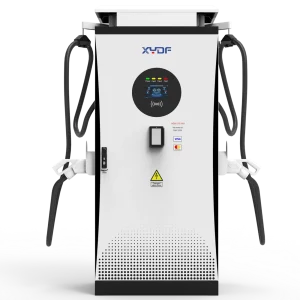
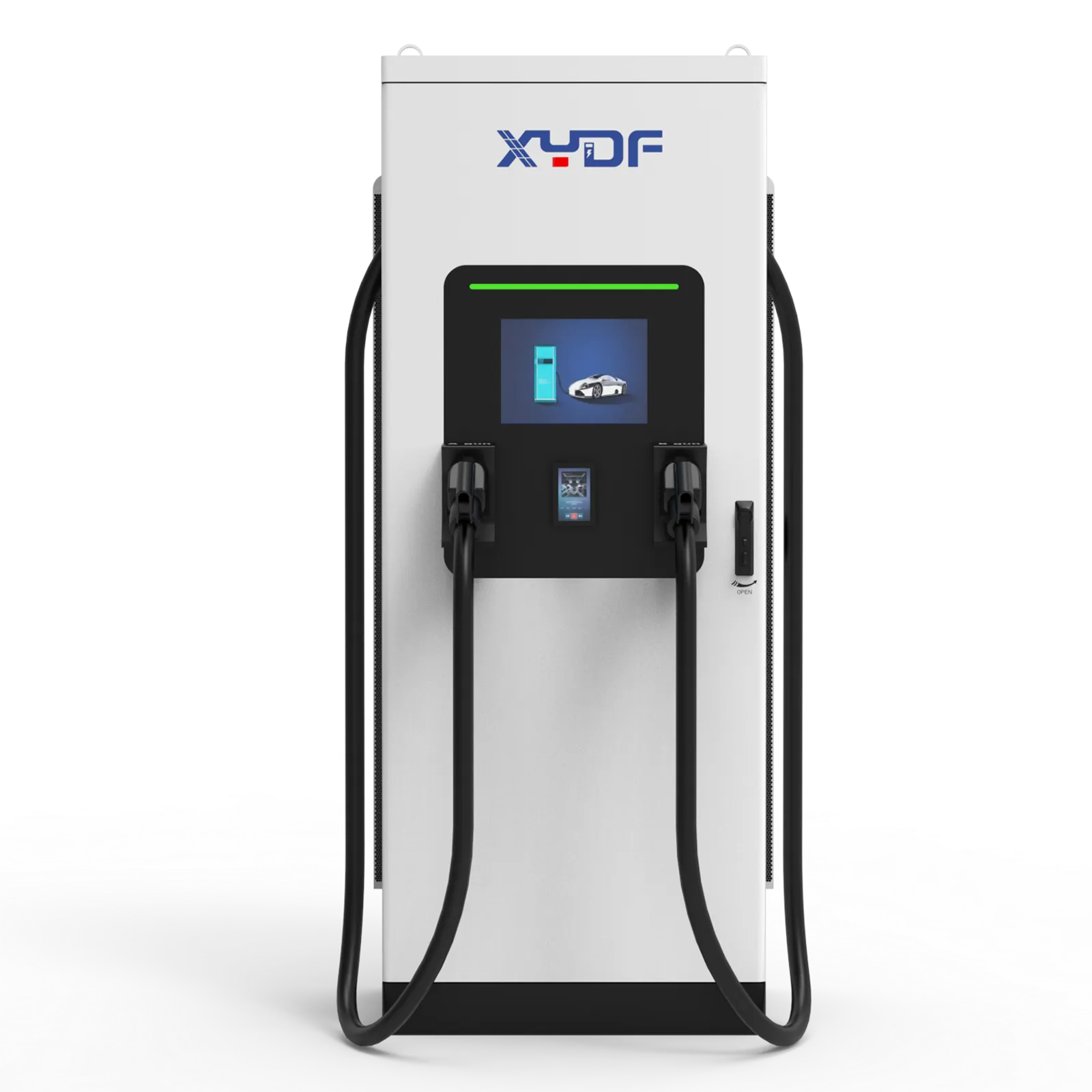
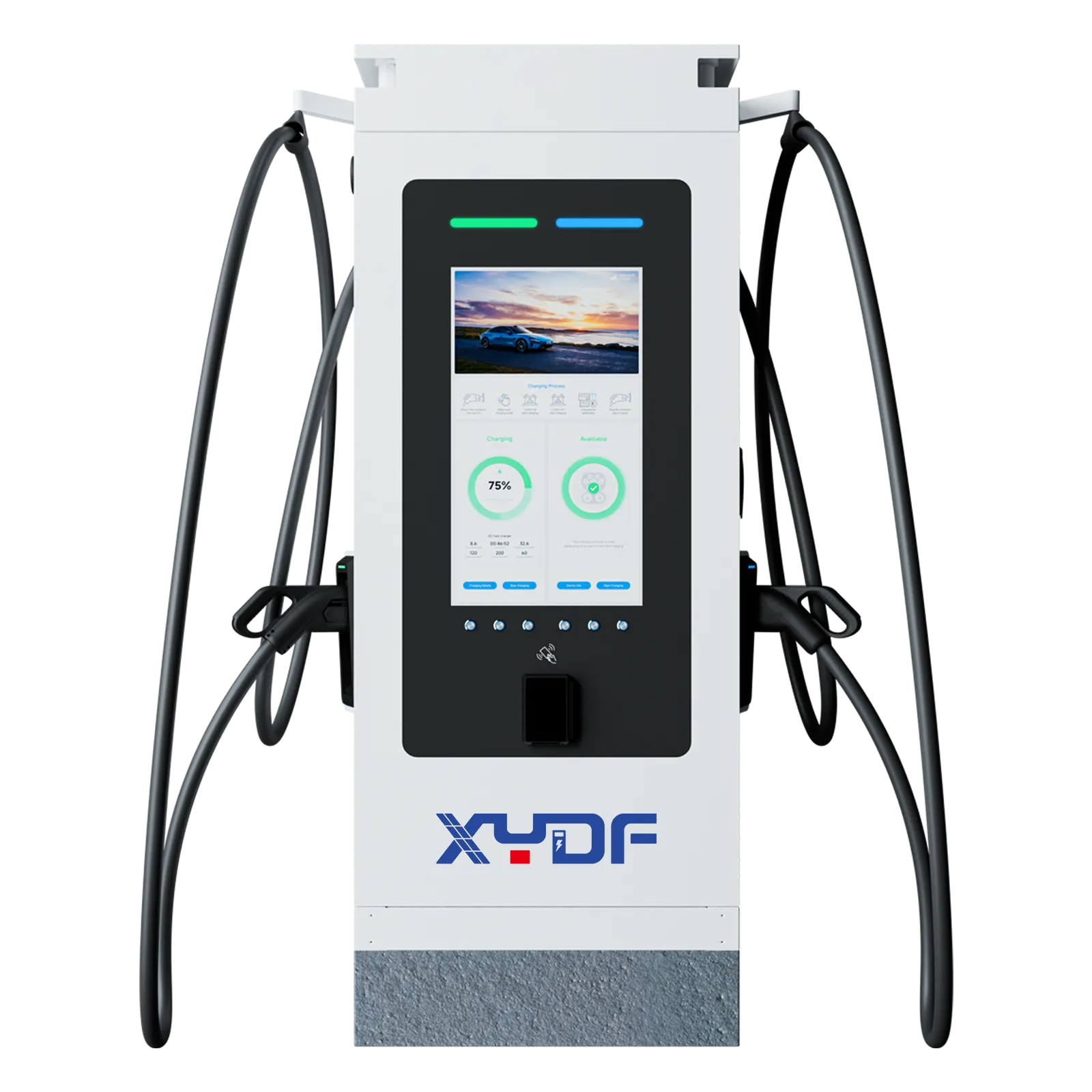
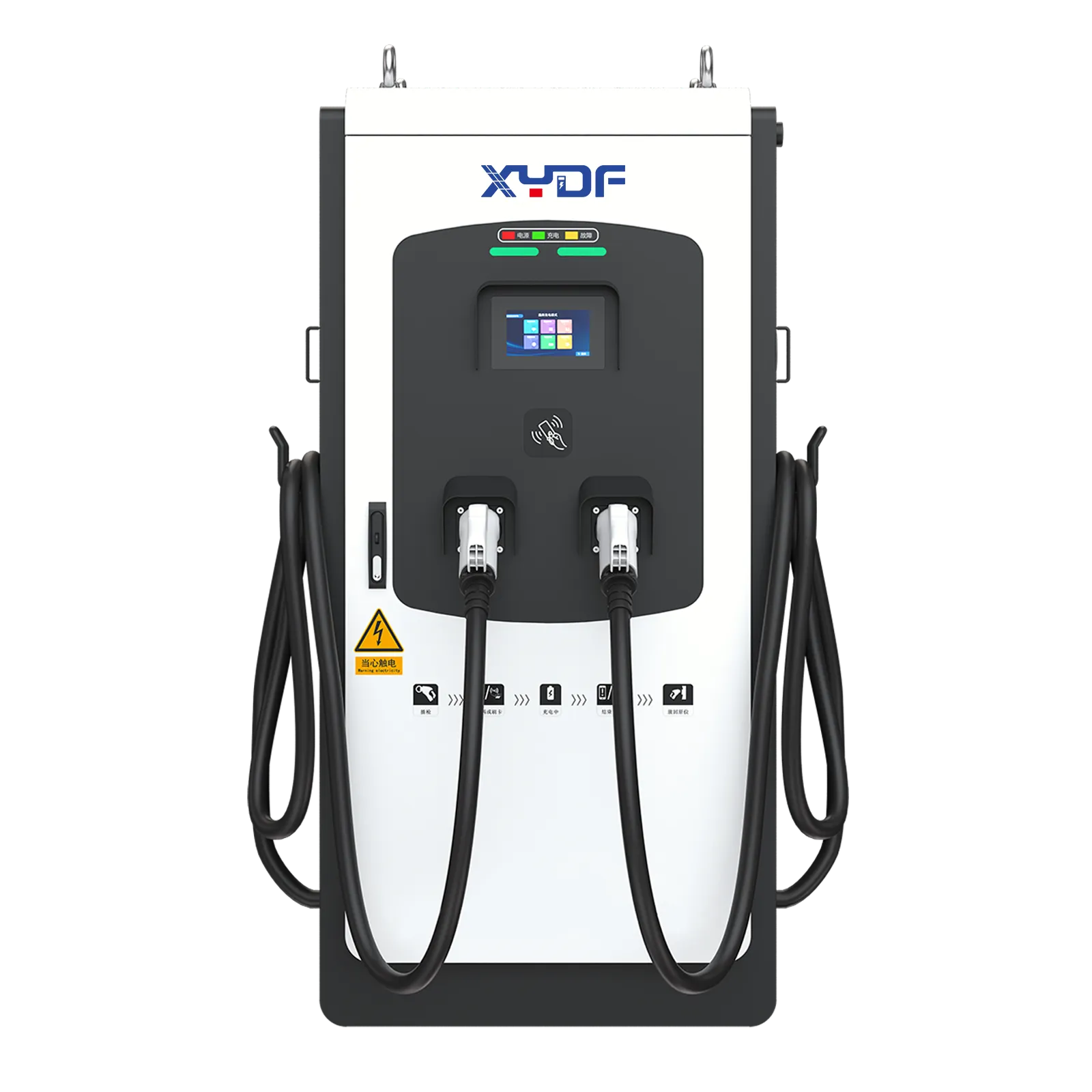
يمكن لشركة XYDF دعم المشترين الذين يحتاجون إلى مواءمة اختيار معدات شحن التيار المستمر مع المواصفات والوثائق ومتطلبات التنفيذ الخاصة بالموقع. والمنطلق المناسب هو عرض تقديمي للموقع يحدد فيه القوة والوصول ونموذج التشغيل والمتطلبات المحلية وتوقعات التوسع، وليس مجرد تصنيف للمولد المطلوب.
الأسئلة الشائعة
هل تجارة محطات شحن السيارات مربحة؟
قد يكون الأمر كذلك، لكن الربحية تعتمد على الطلب المحلي، والكمية المقدمة من الطاقة، والرسوم المتعلقة بالاستهلاك، والتكاليف المباشرة، وقيمة خدمة الشحن بالنسبة للمضيف. قد لا تحقق المواقع التي تعتبر مناسبة للاستخدام كخدمة ترفيهية للمستأجرين أو استثمار لتسهيل تشغيل الأسطول الحد الأدنى من العائد الذي يحدده نظام الشحن العام. قبل الشروع في تشغيل المعدات، من الضروري إنشاء قاعدة محددة لموقع معين وحالة بديلة محتملة.
هل يجب على موقع تجاري تركيب شواحن التيار المتردد أو التيار المستمر؟
اختر تقنية تتناسب مع الوقت الإجمالي المتوقع وتلبية الطاقة المطلوبة. تُعد التدفئة المدارة بالكهرباء مناسبة بشكل عام للزيارات الطويلة؛ غالبًا ما يتم تقييم التدفئة بالكهرباء الثابتة عند الحاجة إلى تحويل سريع للمركبات أو مجموعات المركبات. تأكد من سعة القدرة الكهربائية وقبول المركبة والوقت اللازم من جانب شركة المرافق العامة وتكلفة الطلب الزائد قبل اختيار التدفئة بالكهرباء الثابتة.
كم عدد الشواحن التي يجب أن يضعها موقع تجاري جديد؟
لا توجد نسبة عالمية موثوقة. ابدأ من الطلب الملاحظ على مواقف السيارات، واعتماد المركبات الكهربائية، والوقت المخصص للوقوف، والحد الأقصى للإمداد بالكهرباء، وتكاليف التوسعة. قد يكون التخطيط المراحلية مع تحديد إمدادات وتوافر القدرات أفضل من تشغيل جميع المنافذ الممكنة قبل أن يكون للموقع ملف طلب مبرر.
ما هي أكبر تكلفة مخفية في شحن السيارات الكهربائية التجارية؟
تختلف التكاليف حسب الموقع، لكن التحديثات الكهربائية، والطرق الممتدة، وعمليات المرافق، ورسوم الطلب غالباً ما تكون عوامل مهمة. كما تؤثر الدعم الشبكي وعمليات الدفع وإنفاذ القوانين في الموانئ أيضاً على مدة العمر التشغيلي. يفضل إجراء تحليل لنطاق المشروع واستجواب الاستثناءات قبل مقارنة الأسعار.
كيف ينبغي على مالك العقار التحكم في الطلب المتزايد من الشحن؟
ابدأ ببيانات التحميل بالتزامن مع التعريفة الإجمالية، ثم قم بتحديد حد لموقع معين يوفر الحماية لعملية تشغيل المبنى. استخدم إدارة التحميل المأمونة، وقواعد التخصيص الشفافة، ومراقبة التحميل المتزامن. قم بمراجعة الإعدادات مع تغير متطلبات المبنى والتعريفات واعتماد السيارات الكهربائية.
المراجع
اللجنة الدولية للكهرباء (IEC), ، بما في ذلك معايير نظام الشحن السلكي IEC 61851 ومتطلبات التثبيت IEC 60364-7-722؛ تأكيد الإصدار المعمول به واعتماده الوطني.
ISO 15118-20:2022, مركبات الطرق — واجهة الاتصال بين المركبة وشبكة الكهرباء.
يحقق برنامج الشحن الثقة عندما تصف تجربة السائق والمنهج الكهربائي والنماذج المالية ذاتها الواقع المتوعد به. وعندما يكون فريقك مستعدًا لتحويل ذلك المخطط المشترك إلى نطاق شراء لشحن المركبات الكهربائية، فاستكشف حلول الشاحن السريع XYDF DC وتواصل مع فريق العمل بشأن متطلبات التشغيل والجهد الكهربائي والتوسع للموقع.
نستخدم ملفات تعريف الارتباط (الكوكيز) لضمان عمل هذا الموقع، وبإذنك، لقياس كيفية استخدام الزوار لموقع شحن المركبات الكهربائية الخاص بنا. انظر إلى سياسة الخصوصية للتفاصيل.
 شركة شينيا دونغفانغ لتكنولوجيا الكهرباء المحدودة.