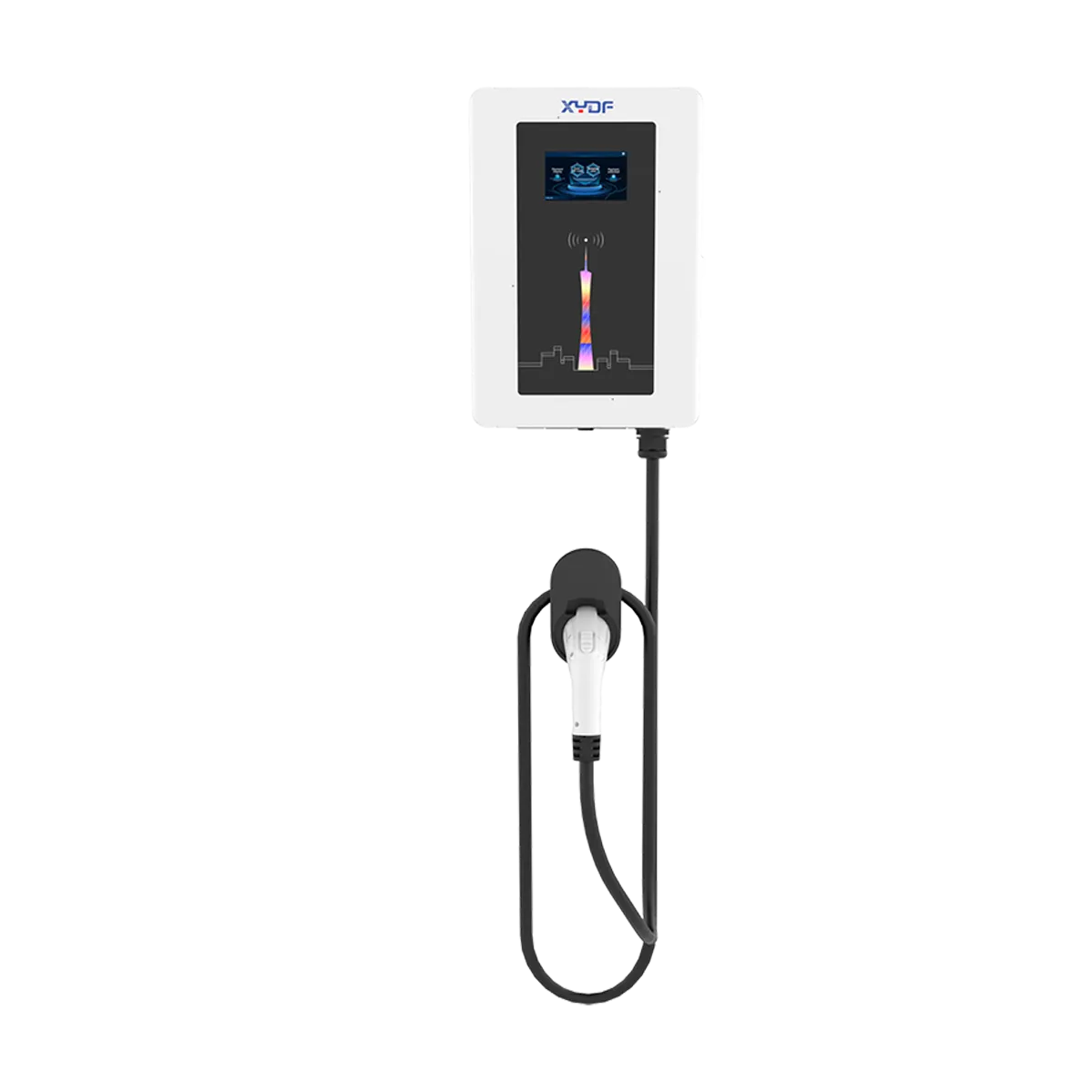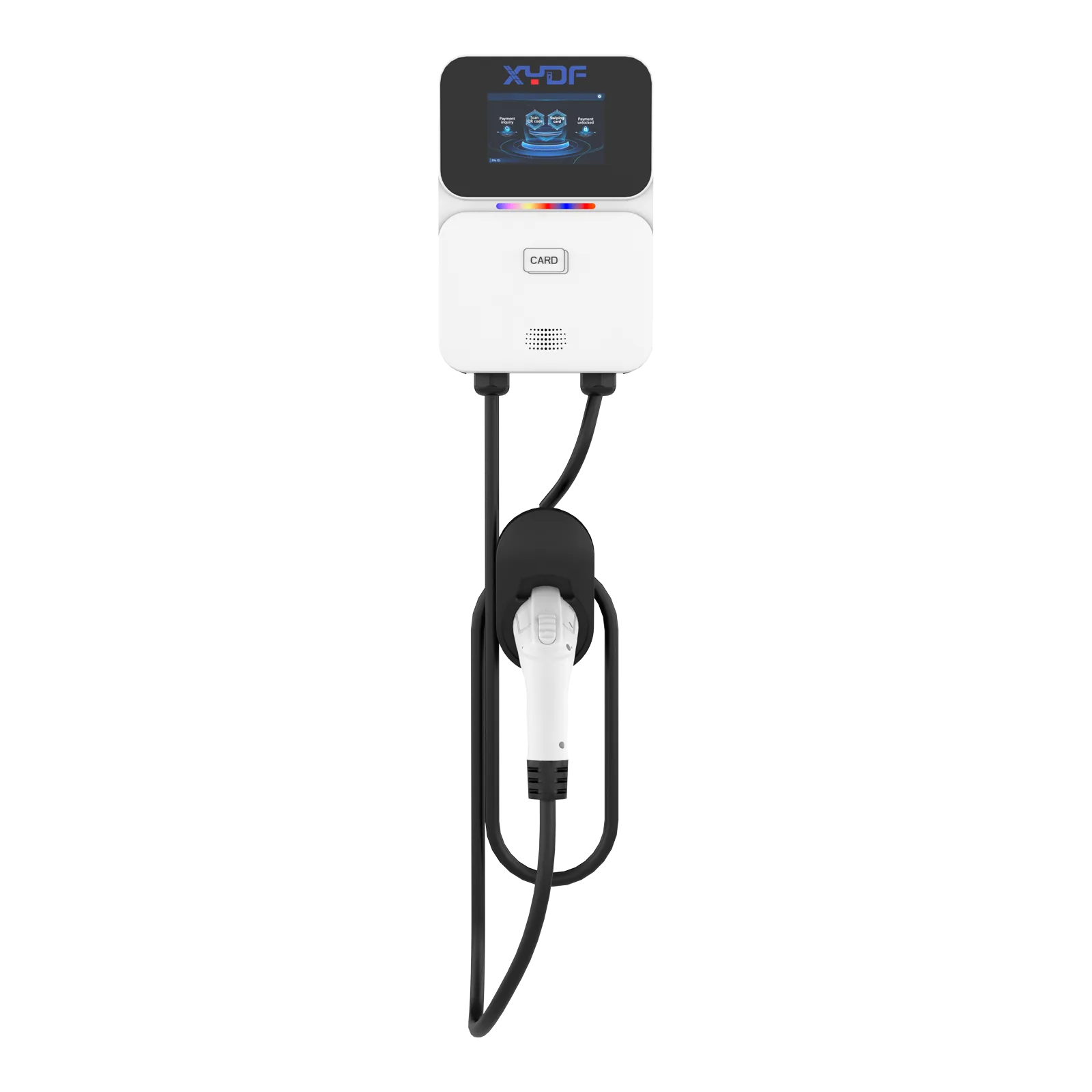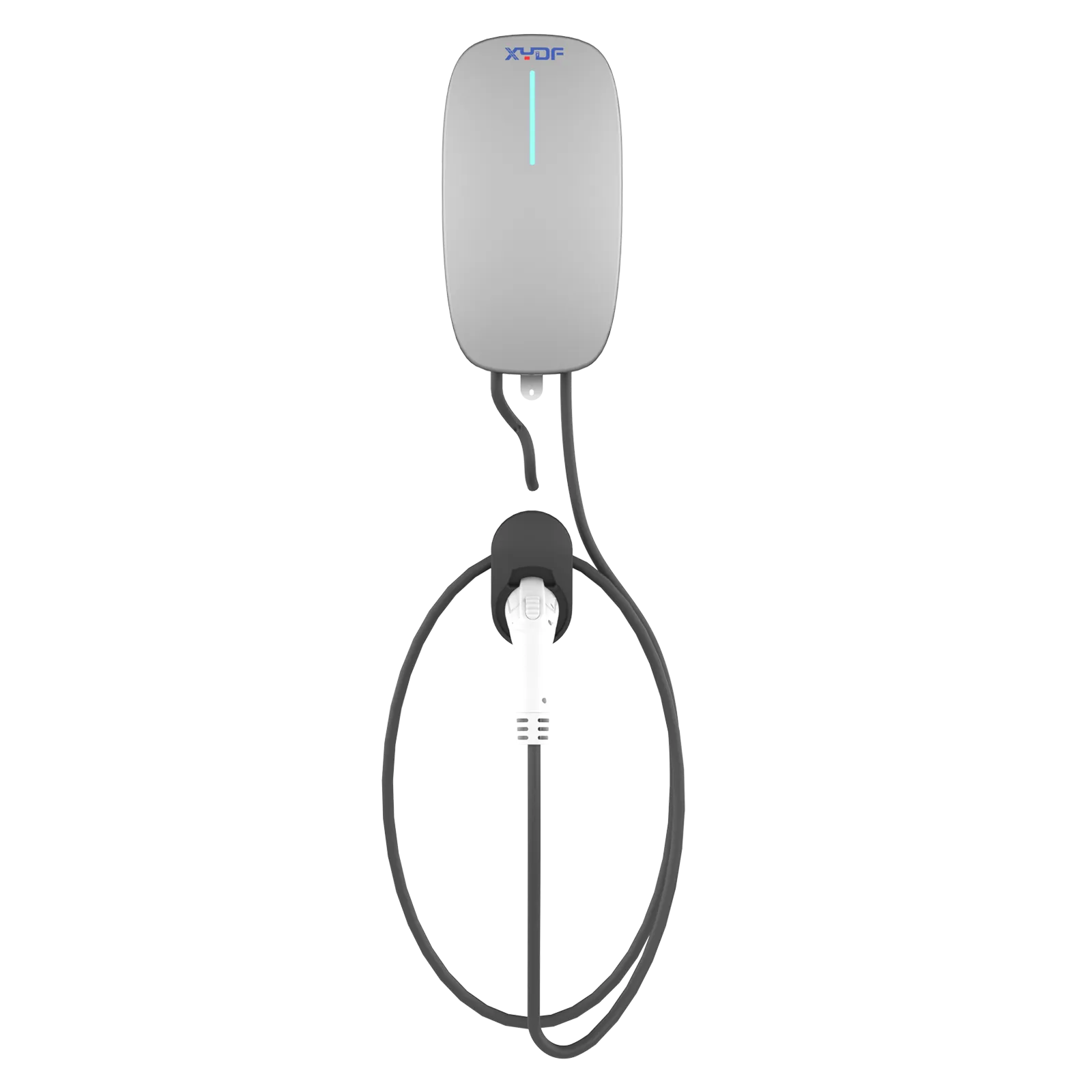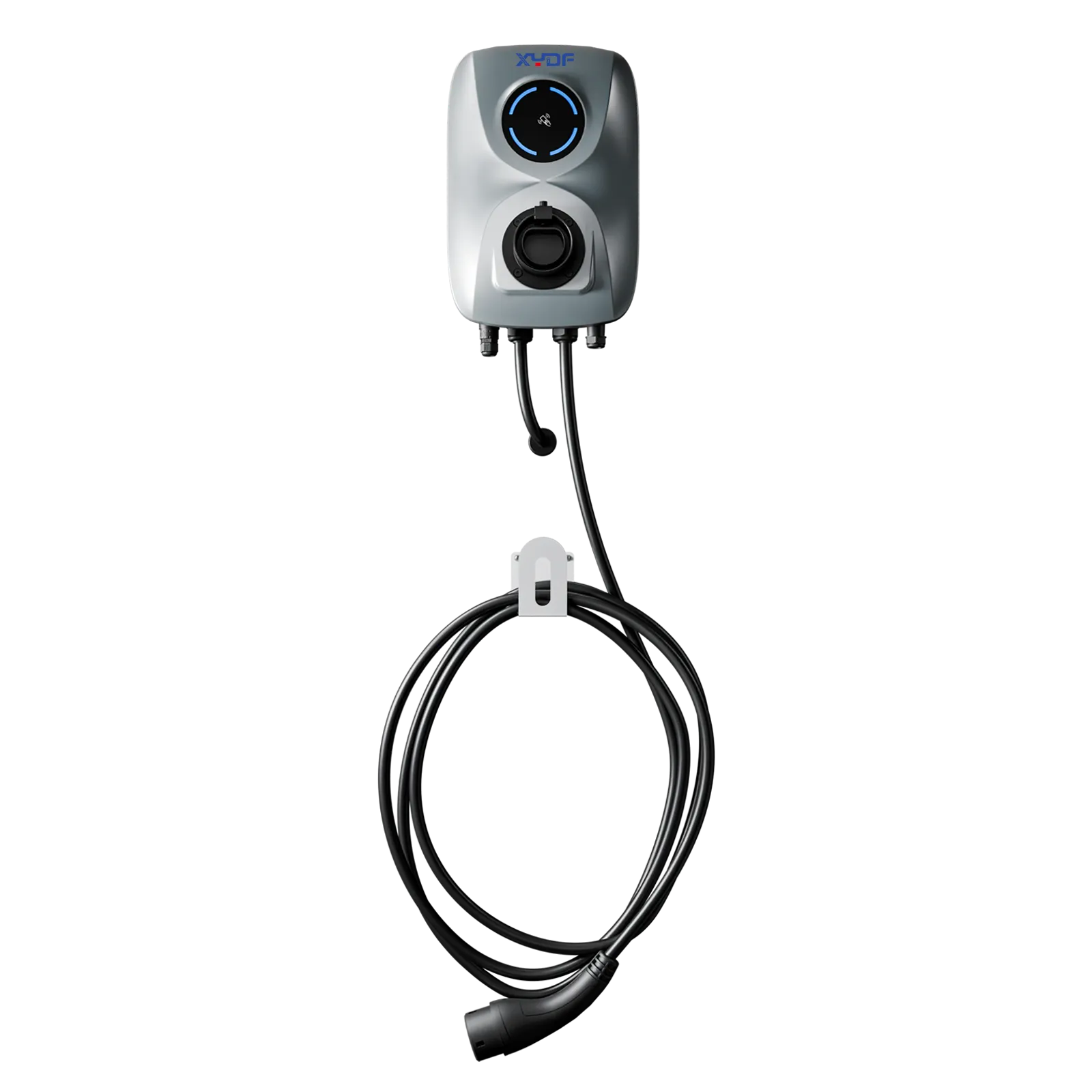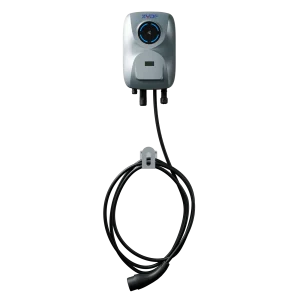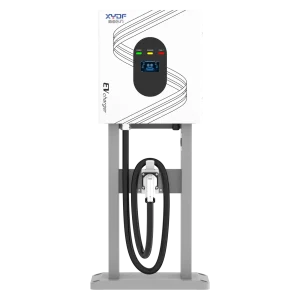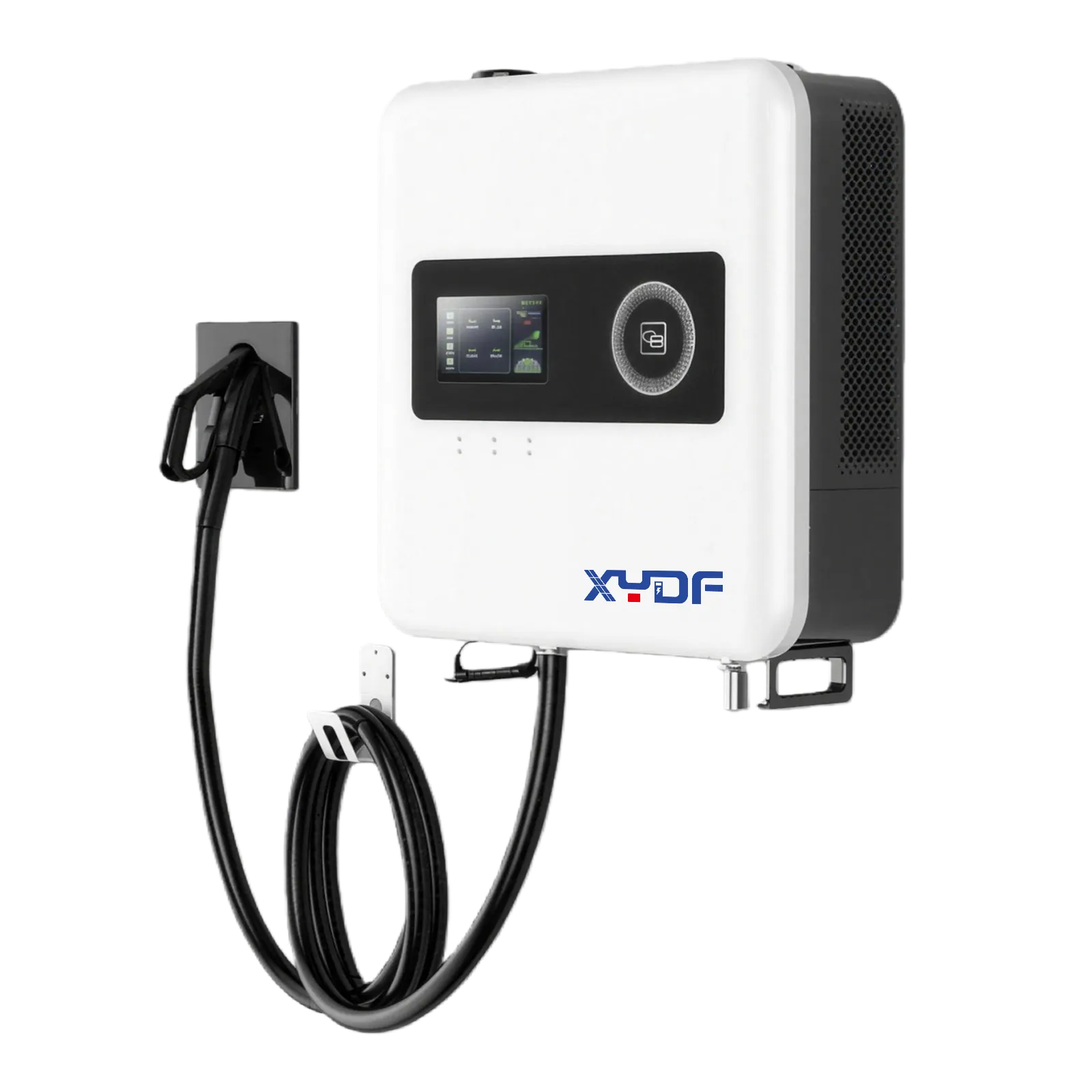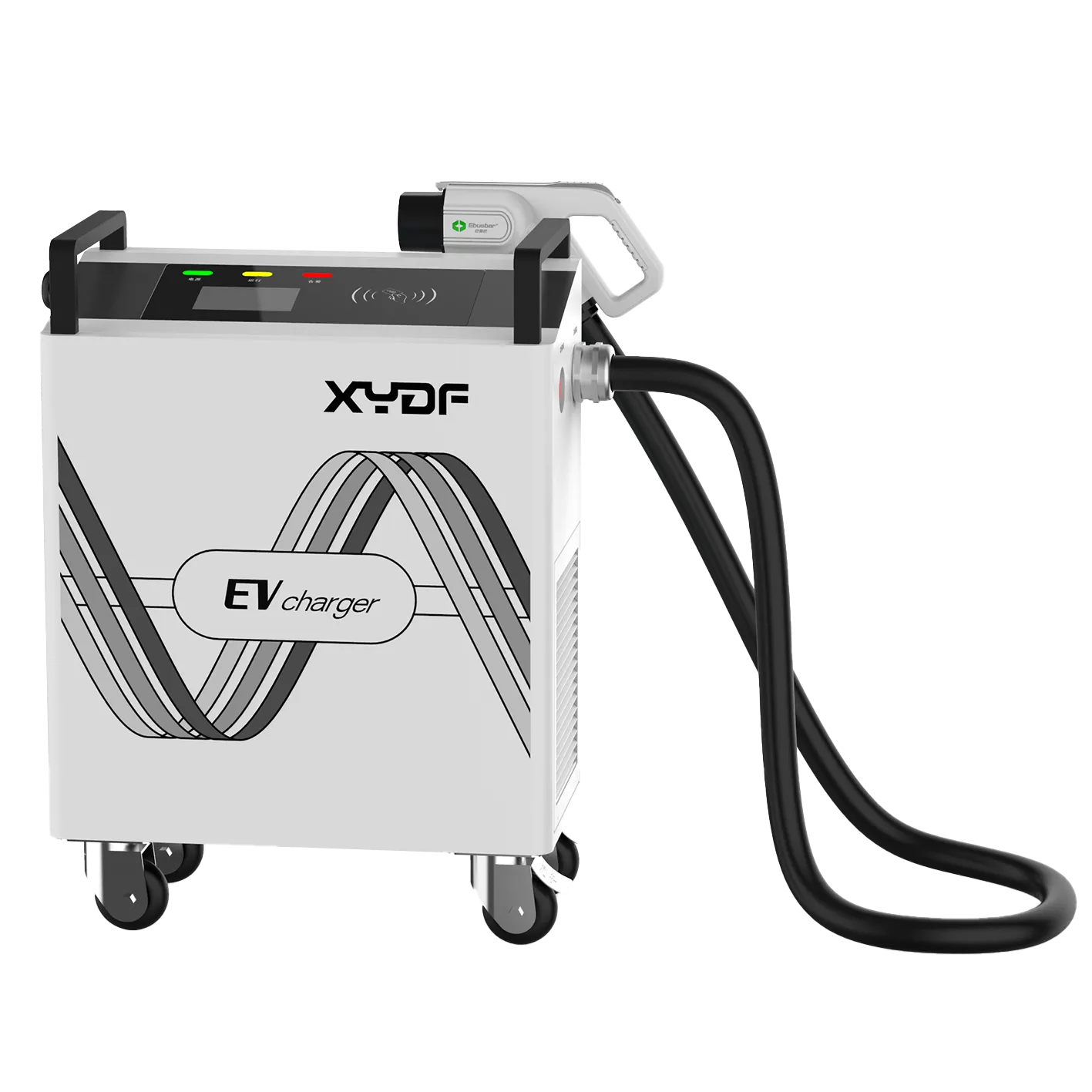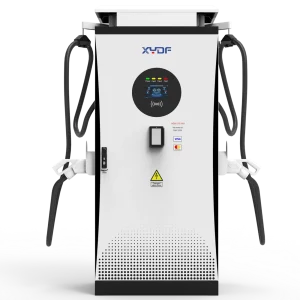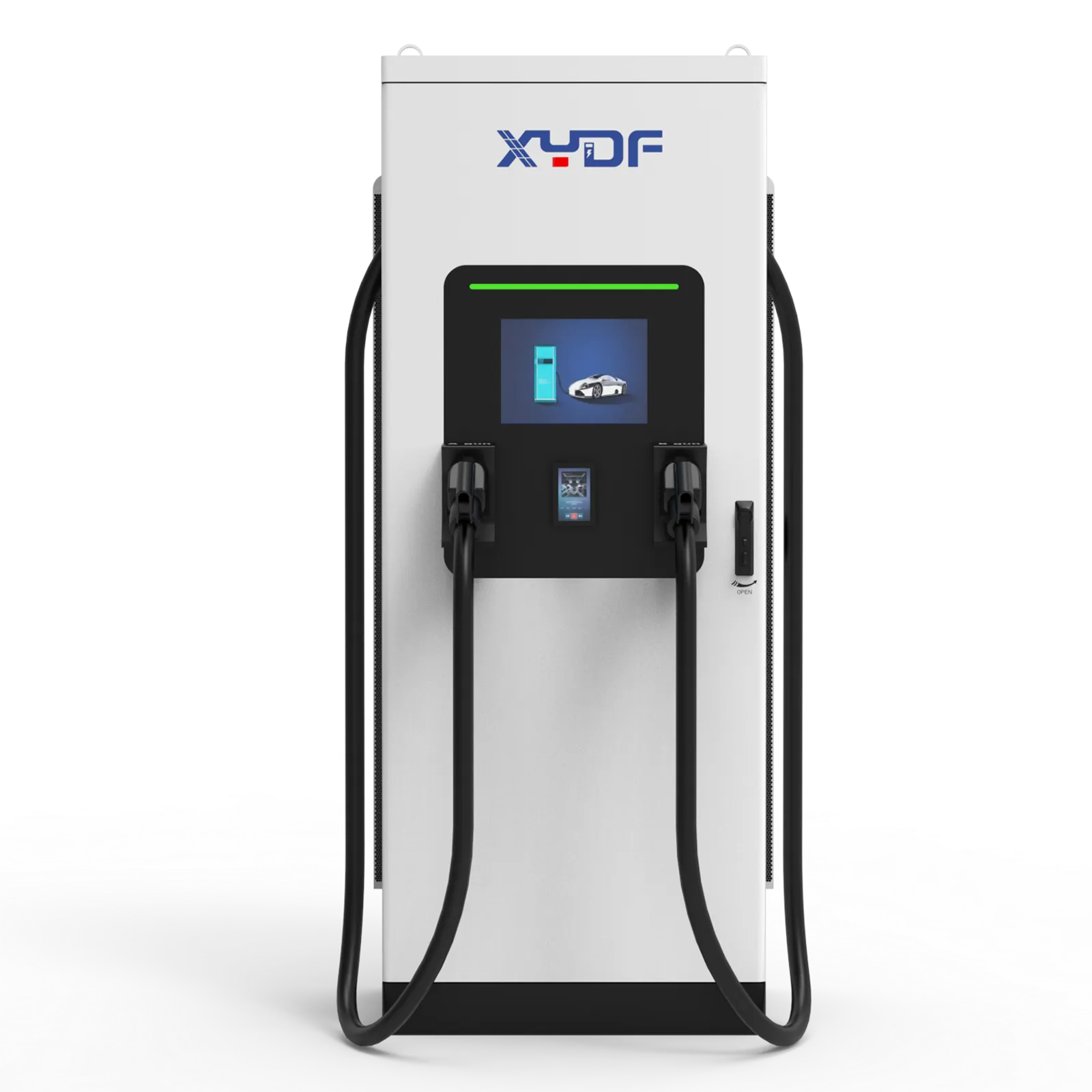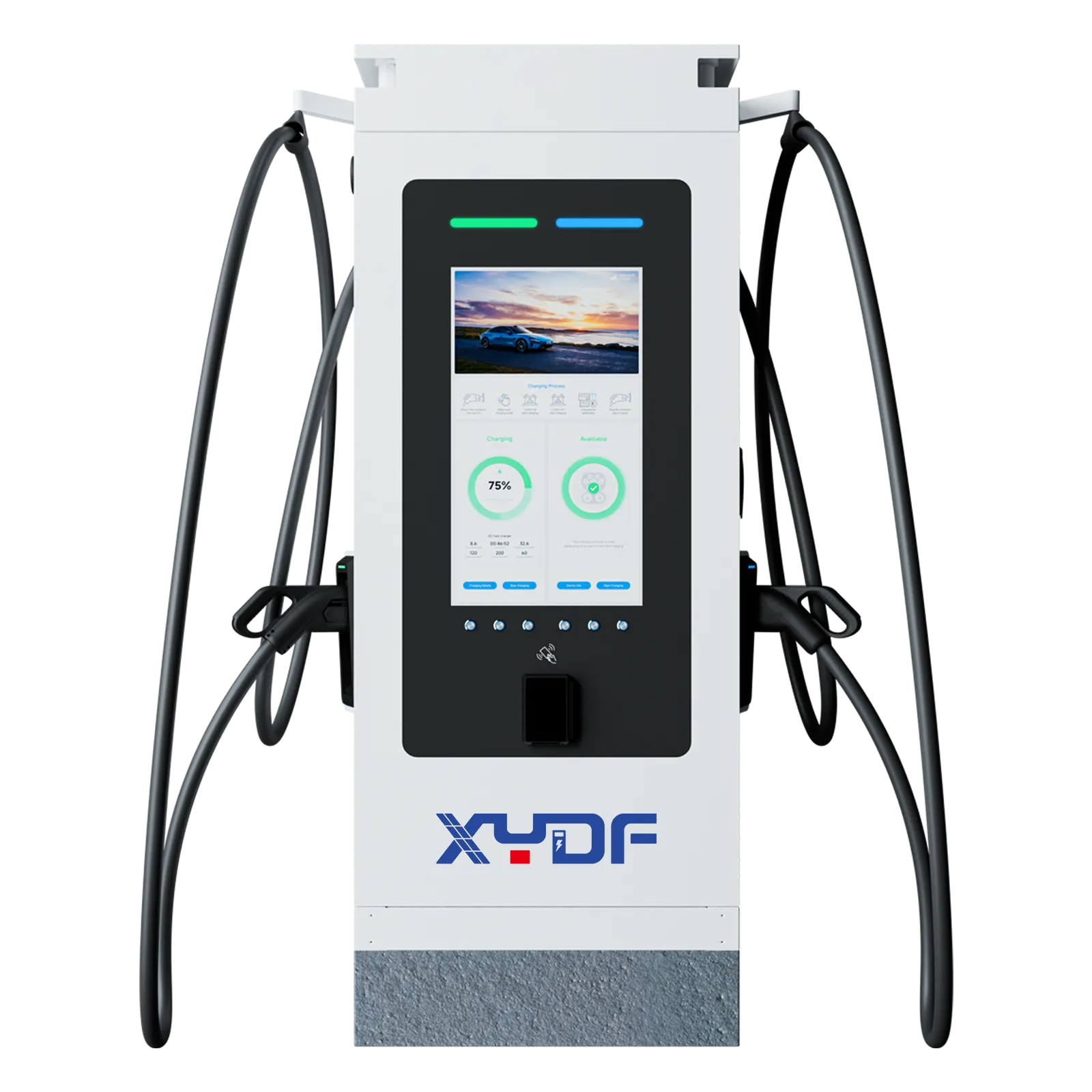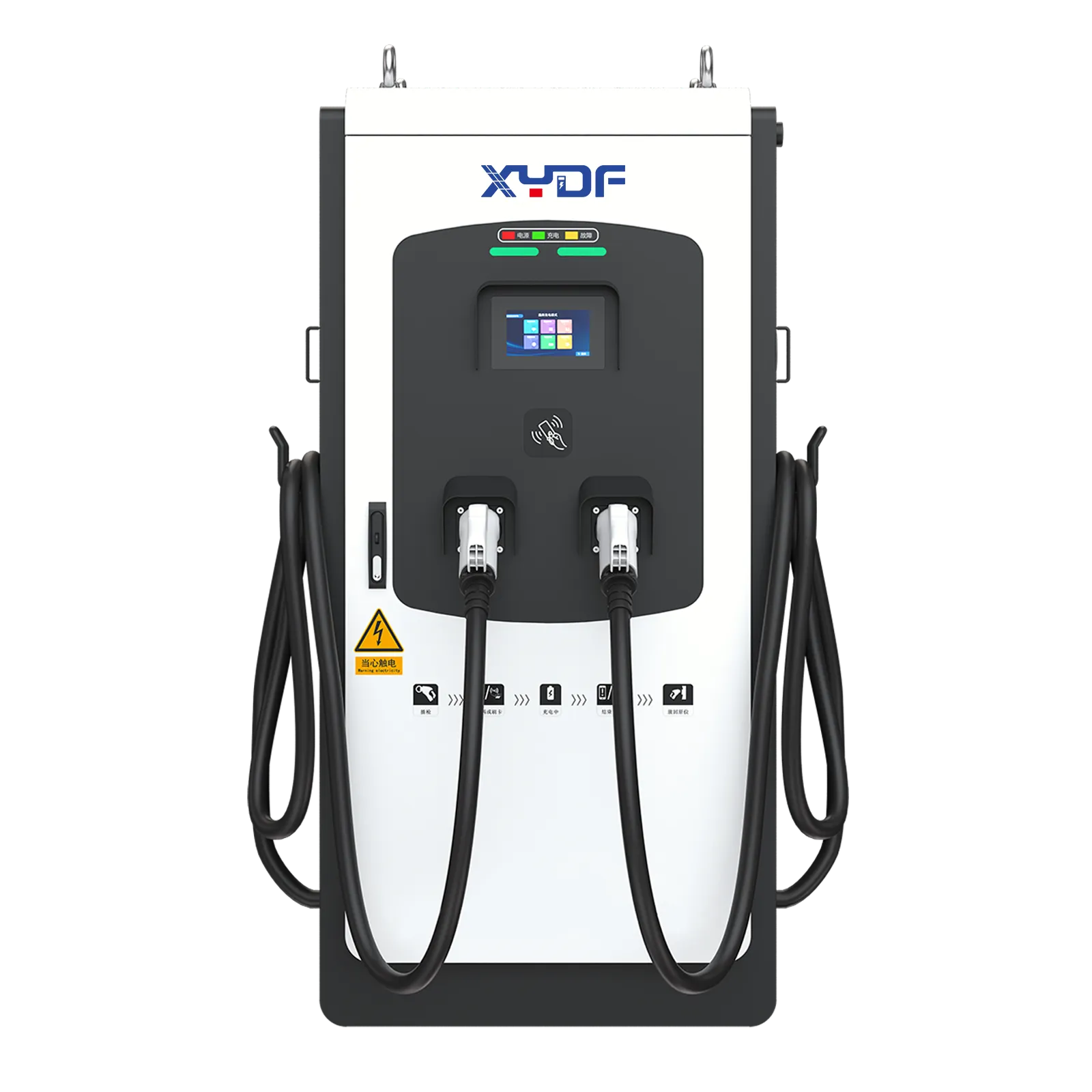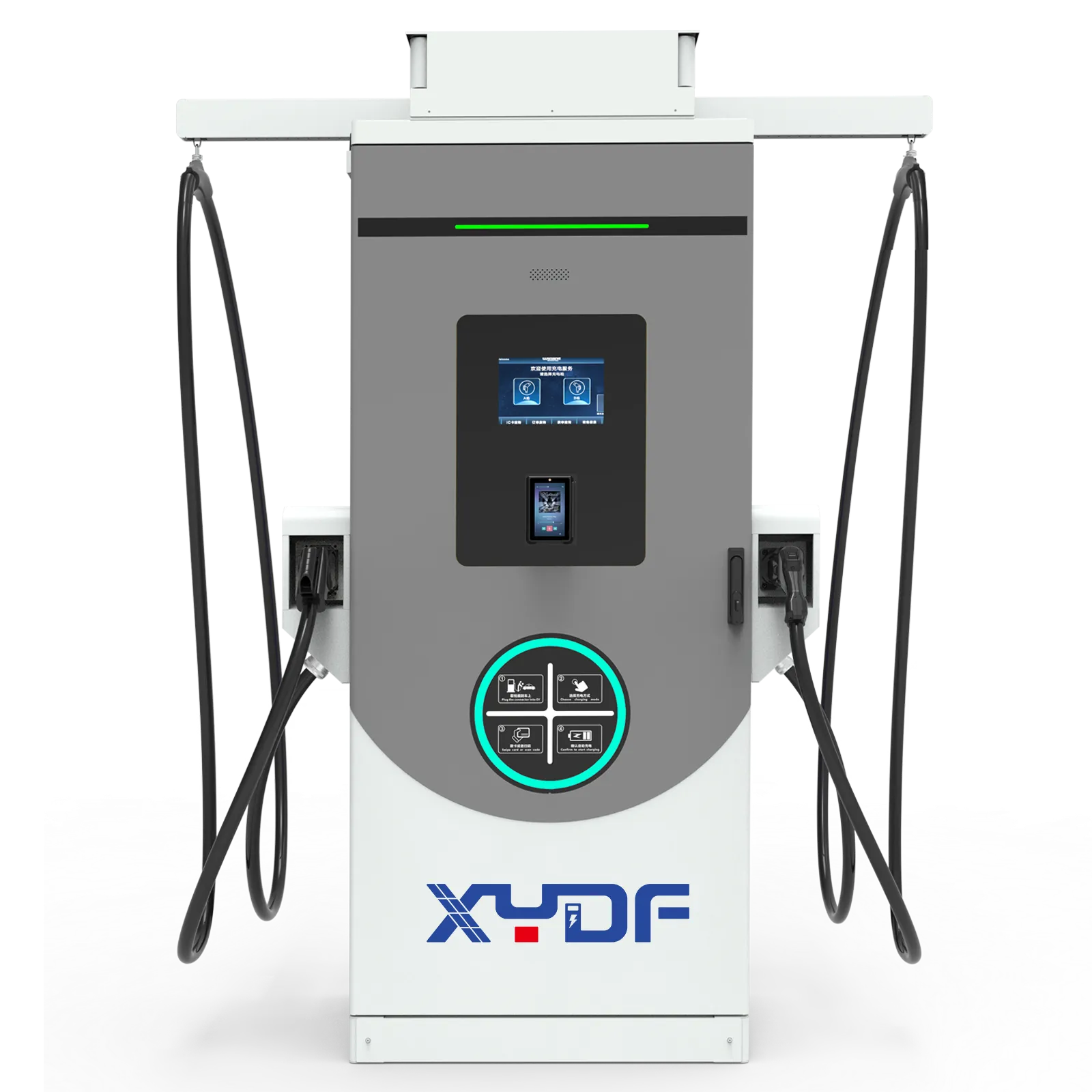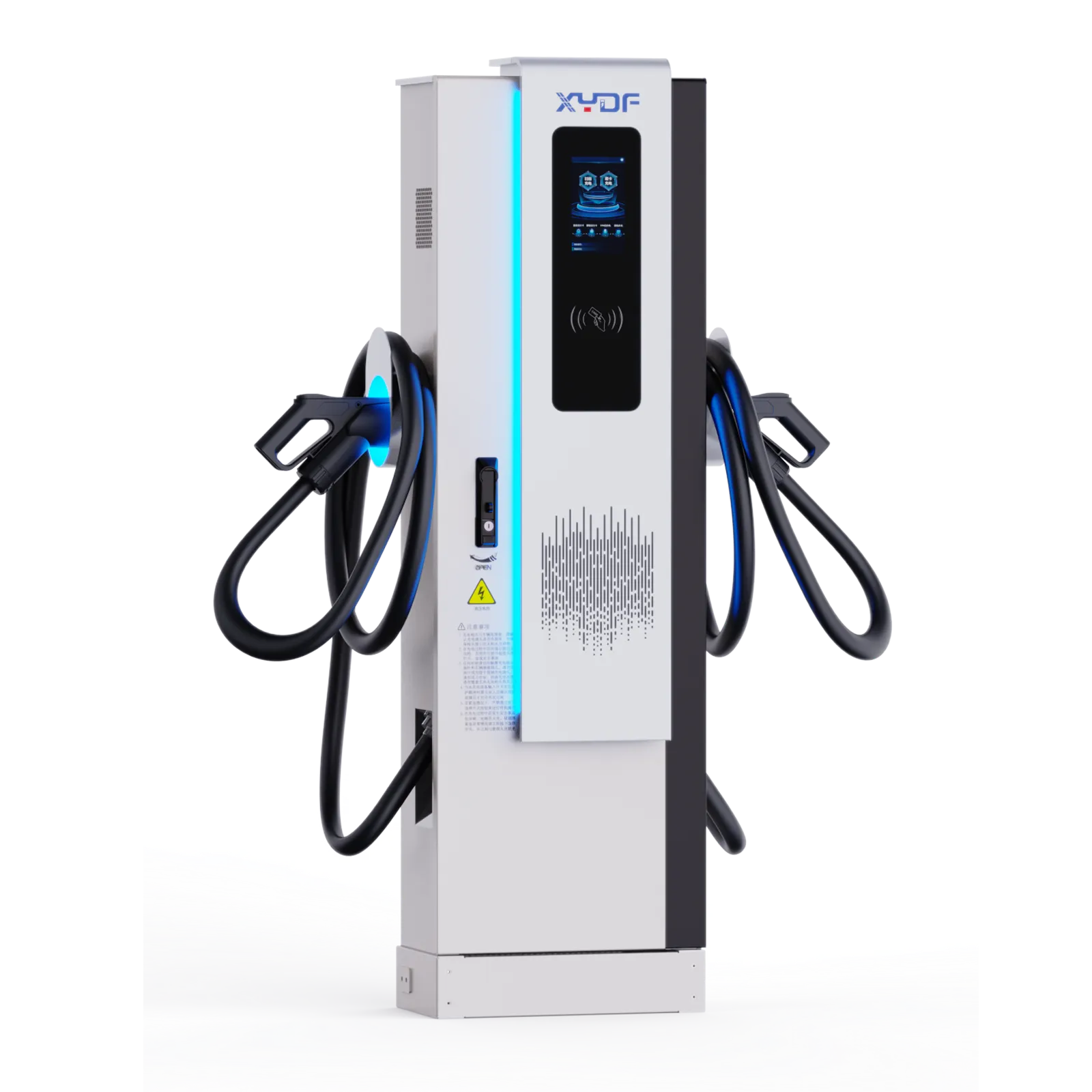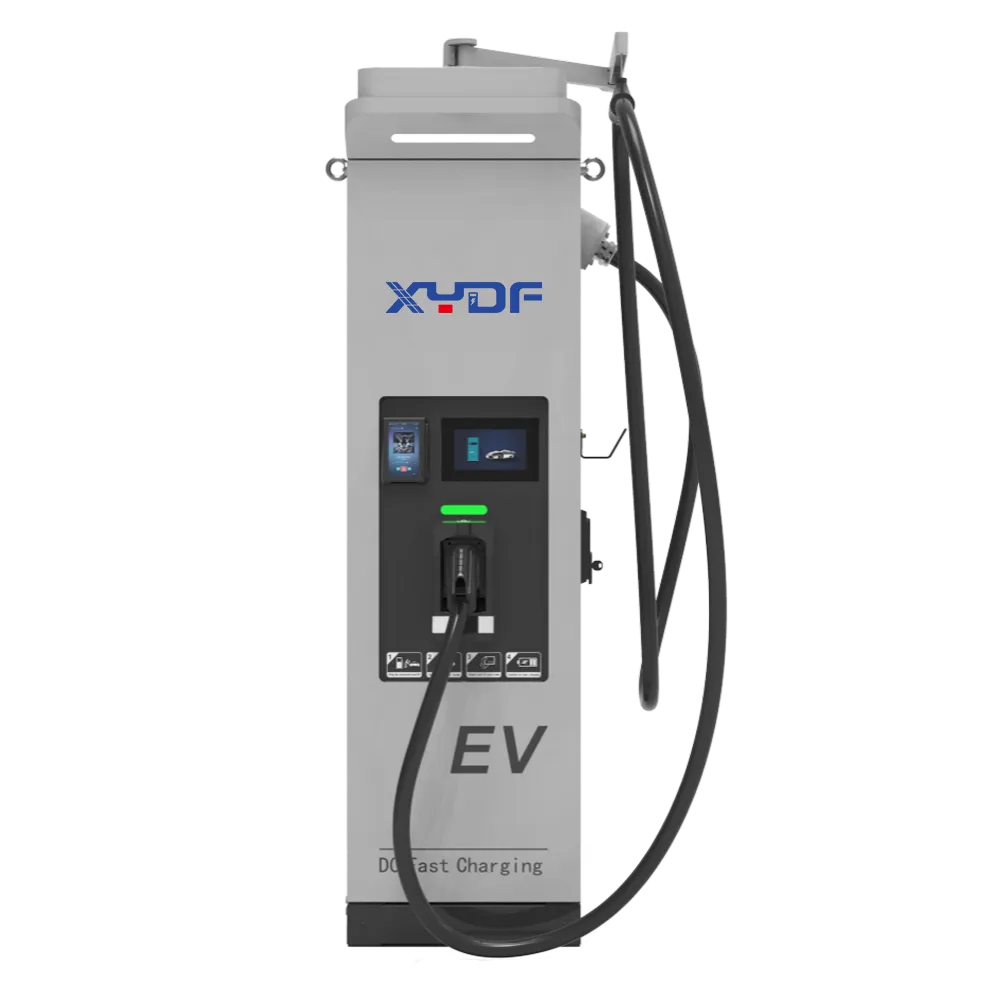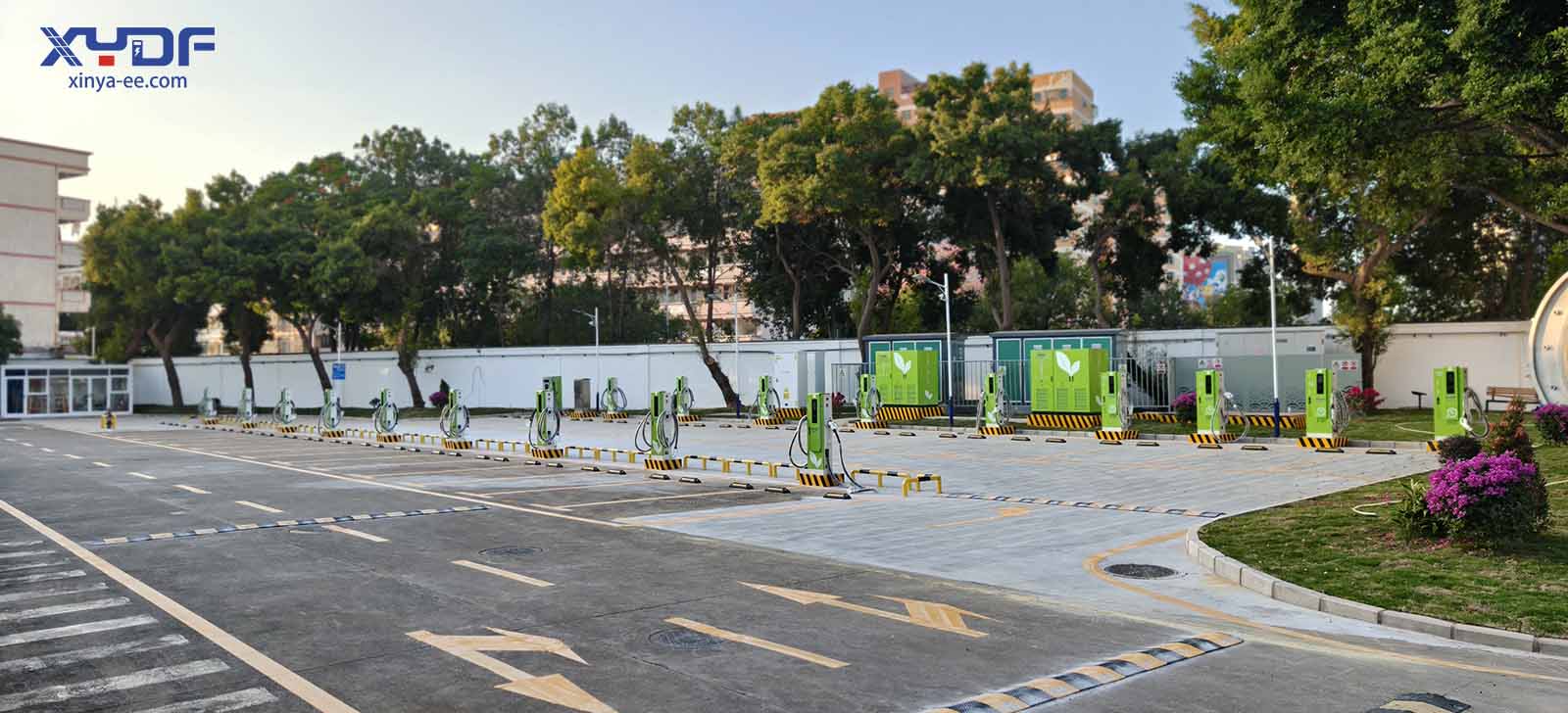
Si un borne de recharge VE commerciale‘L'emplacement n'est pas bien choisi, même avec un bon équipement et un marketing solide, vous pourriez quand même avoir très peu de clients. La plupart des conducteurs de VE préfèrent recharger à proximité ou le long de leur itinéraire existant, plutôt que de faire un long détour juste pour recharger. Basé sur XYDF‘Grâce à notre expérience existante dans le déploiement de bornes de recharge, nous allons partager quelques suggestions pratiques de sélection de sites.
La première étape borne de recharge VE commerciale la sélection du site consiste à vérifier si la zone environnante a un flux de trafic stable. En théorie, plus le volume de trafic est élevé, plus vous pouvez avoir d'utilisateurs potentiels.
Selon les retours des ingénieurs d'installation de XYDF, les emplacements à fort trafic présentent souvent les caractéristiques suivantes : ils sont proches des entrées et sorties d'autoroutes, des entrées et sorties des routes urbaines principales, des aéroports ou des gares ferroviaires, des grands parcs de stationnement, des parcs logistiques, des entrées de parcs industriels et des zones similaires.
De cela, on peut voir que les bons emplacements de recharge sont généralement proches des sections de route fréquentées ou des entrées et sorties de lieux publics.
Les différents utilisateurs de véhicules électriques ont des besoins de recharge différents. Les propriétaires de véhicules électriques privés préfèrent généralement recharger leur véhicule pendant la nuit à domicile pour leurs déplacements quotidiens. Les taxis, les véhicules de covoiturage et les véhicules de logistique ont généralement une demande plus élevée de recharge publique.
Par conséquent, avant de choisir un site, il est nécessaire de comprendre les principaux types de véhicules et les profils d'utilisateurs autour de l'emplacement.
Après avoir vérifié s'il y a suffisamment de véhicules qui passent, vous devez également vérifier si ces véhicules peuvent effectivement s'arrêter et se recharger.
Par exemple, une route urbaine principale peut avoir un trafic intense, mais s'il n'y a pas de rampes, d'entrées ou de sorties appropriées, les conducteurs peuvent avoir du mal à remarquer votre entrée, voire à accéder au site. Pendant les heures de pointe, la congestion peut également devenir un problème sérieux.
Bien que nous ayons mentionné plus tôt que les propriétaires de voitures privées sont plus habitués à recharger leur véhicule pendant la nuit à la maison, certains endroits peuvent faire exception. Par exemple, les résidents d'appartements ne peuvent généralement pas installer leur propre chargeur privé.
Si vous choisissez un site à proximité de lieux publics tels que les aéroports, les gares ou les parcs industriels, vous devez également vérifier la présence d'infrastructures de recharge dans ces lieux. Si c'est le cas, votre plan doit être examiné plus attentivement. Votre site est-il plus facile d'accès et de sortie ? Est-il plus visible ? Possède-t-il d'autres avantages concurrentiels ?
Vos concurrents font le travail de préparation pour vous. Lorsque vous choisissez un emplacement, vous ne devriez pas ignorer la présence de concurrents à proximité. Cependant, la présence de concurrents ne signifie pas toujours que vous devriez éviter l'endroit.
S'il existe déjà des bornes de recharge dans un rayon de 1 km, vous pouvez observer plus attentivement leur utilisation. Par exemple, vérifiez s'il y a souvent des files d'attente, si la puissance de charge est faible, si l'équipement tombe souvent en panne, si le paiement est pratique et si les avis des utilisateurs sont stables.
Si les concurrents ont de longues files d'attente, cela peut signifier qu'il y a une réelle demande dans la région et que le marché n'est pas encore saturé. Si les stations concurrentes offrent une mauvaise expérience utilisateur, et que la stabilité de votre équipement, la vitesse de recharge, les conditions de stationnement ou le service d'exploitation sont meilleurs, il peut encore y avoir une opportunité d'entrer sur le marché.
D'un autre côté, s'il n'y a pas de bornes de recharge dans une région, il faut aussi être prudent. Il peut s'agir d'une opportunité de marché, mais cela peut aussi signifier qu'il n'y a pas suffisamment d'utilisateurs locaux de VE, que les conditions d'alimentation sont mauvaises ou que le coût de rénovation du site est trop élevé.
Une grande partie du coût d'investissement d'un borne de recharge VE commerciale vient de la phase de déploiement précoce.
Vous devez prendre en compte le loyer, le coût de rénovation du site, le coût de l'électricité, le coût de construction, la présence d'un transformateur à proximité et la nécessité d'une extension de la capacité électrique.
Ceci est particulièrement important pour les stations de recharge rapide CC, car elles nécessitent une capacité de puissance plus élevée. Si le site est trop éloigné du transformateur, ou si une rénovation électrique à grande échelle est nécessaire, le coût initial peut augmenter considérablement.
Les méthodes de sélection de sites pour les stations-service sont relativement matures et peuvent servir de référence partielle. Cependant, elles ne devraient pas être copiées directement, car le ravitaillement en carburant prend peu de temps, tandis que la recharge des VE prend plus de temps.
Les restaurants, les supérettes, les supermarchés, les toilettes et autres établissements peuvent contribuer à attirer un flux de visiteurs stable dans la région.
Google Maps, les plateformes de distribution de bornes de recharge comme ChargePoint et EVgo, et des outils similaires peuvent vous aider à juger si un marché régional est saturé ou si la demande est en hausse.
D'après mon expérience personnelle, s'il est facile d'obtenir une course via une application de covoiturage dans une zone donnée, cela signifie généralement que la densité de véhicules est relativement élevée.
L'expérience de première main peut vous aider à découvrir plus de problèmes.
Un bon emplacement pour une station de recharge pour véhicules électriques de manière commerciale nécessite souvent d'être trouvé par la collecte de données et l'enquête sur le terrain. Si vous planifiez un projet de station de recharge, n'hésitez pas à Contactez-nous ou continuer à lire la suite Guides d'affaires pour la recharge de véhicules électriques XYDF.
 Xinya Dongfang Electricity Technology Co., Ltd.