Que doivent vérifier les acheteurs lors d'un audit d'usine chez un fabricant de chargeurs pour véhicules électriques ?
16 juillet 2026
Blog
A polished factory tour does not prove that a production line can repeat the same charger build after a component change. Buyers should test serial traceability, incoming-inspection records, second-shift controls, and capacity evidence tied to the exact SKU.
Liste de contrôle d'audit de la fabrication de chargeurs pour véhicules électriques—link incoming inspection, controlled assembly, final tests, traceability, capacity, and service records to the exact SKU in the RFQ. ISO 9001 describes a quality-management process; IEC 61851 covers conductive charging functions; IEC 60529 defines specified enclosure ingress tests. None alone proves production capacity or field uptime. Approve a supplier only when records, witnessed tests, and a capacity plan agree.
Before placing a volume order with an EV charger manufacturer, buyers should verify in-house production scope, quality traceability, test records, certification coverage, engineering support, and after-sales readiness through a structured factory audit—not a showroom visit alone.
Partie 1. Qu'est-ce qu'un audit d'usine de fabricant de chargeurs de VE ?
Un audit fournisseur est plus utile lorsque chaque déclaration de l’usine est liée à un document ou à un contrôle témoin. Traquez la configuration du produit depuis l’inspection initiale jusqu’à la mise à jour du firmware ou de l’équipement, en passant par les contrôles de processus, les tests finals, le traitement des non-conformités, la calibration, le contrôle des changements et la libération des envois. Cela crée un parcours d’approvisionnement prêt à être cité sans supposer que la seule visite dans l’usine prouve les performances sur le terrain. Pour le contexte de planification publique, voir Exigences du système de charge conductif IEC 61851-1; Le dossier d’acceptation site-spécifique reste le facteur déterminant de la décision finale.
Un EV charger manufacturer factory audit is a structured sourcing review that confirms whether a supplier can reliably build, test, document, and support the charger platforms you plan to deploy. It is broader than a product demo because it evaluates process control, not only the sample unit on display.
Les acheteurs effectuent généralement des audits avant les premières commandes, avant les programmes de marque OEM/ODM et avant de passer des quantités pilotes à un approvisionnement régulier pour les projets.
Objectif de l'audit
À quoi ressemble une bonne preuve
Signal faible
Authenticité de la production
Procédure détaillée pour le test et l'assemblage SMT, le burn-in et l'inspection finale
Bureau marketing avec mur d'échantillons uniquement
Répétabilité de la qualité
Documents de voyage, traçabilité des numéros de série, journaux de défauts
Assurance verbale sans pièces justificatives
Profondeur d'ingénierie
Support en interne ou contrôlé pour le micrologiciel, le boîtier et la certification
Chaque changement acheminé à des tiers inconnus
Préparation du service
Plan de pièces détachées, diagnostics à distance, flux de travail de garantie
Devis de prix seul, sans modèle de support
Considérez les échantillons de salle d'exposition uniquement comme des unités de référence jusqu'à ce que les enregistrements de production, les rapports de test et la portée de la certification soient vérifiés pour le modèle et la plage de puissance exacts de votre demande de renseignements.Aperçu de la norme CEI 61851)
How should buyers audit the evidence chain?
Incoming control: sample recent lots for power modules, contactors, cables, connectors, meters, and enclosures. Check approved-vendor lists, inspection criteria, quarantine tags, and disposition of nonconforming parts.
Process control: follow one serial through kitting, torque-controlled assembly, wiring, firmware loading, and burn-in. Confirm calibrated tools, work instructions, first-article approval, ESD controls, and engineering-change records.
Final verification: witness protective, insulation/withstand, functional, communication, and thermal checks on the RFQ configuration. For outdoor models, review the applicable IP test report under IEC 60529; for charging control, confirm the applicable IEC 61851 edition and national deviations.
Feedback loop: reconcile test failures, rework, warranty returns, corrective actions, and firmware releases. A closed-loop record identifies root cause, owner, due date, and effectiveness check.
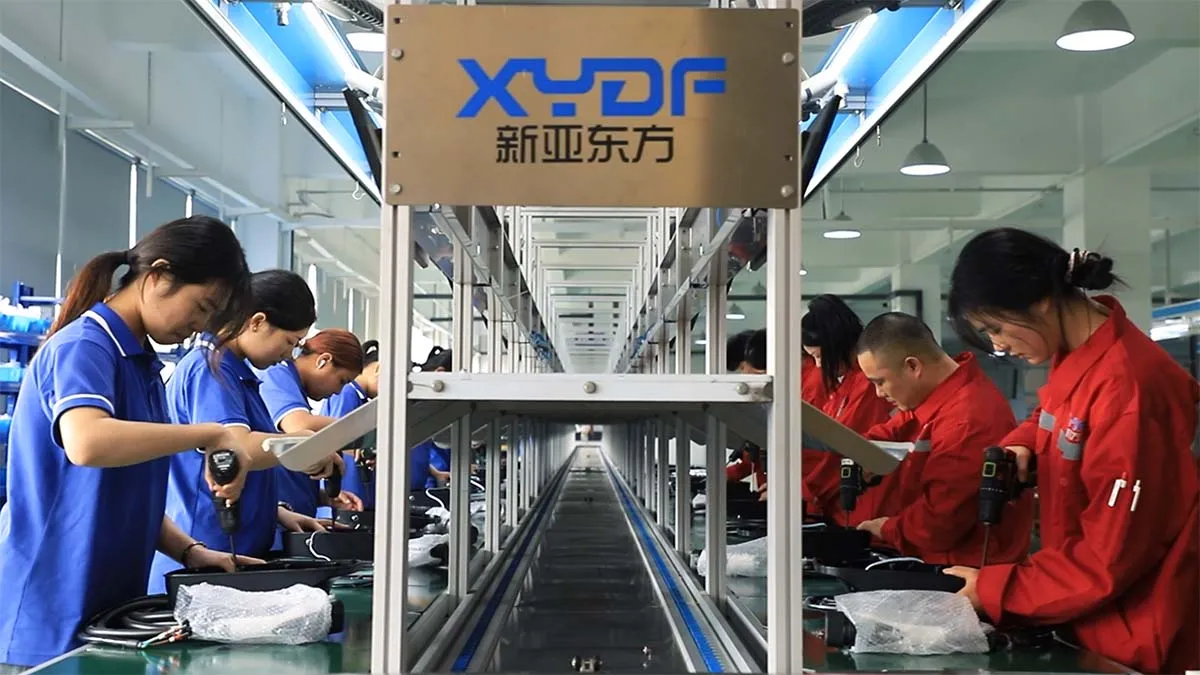
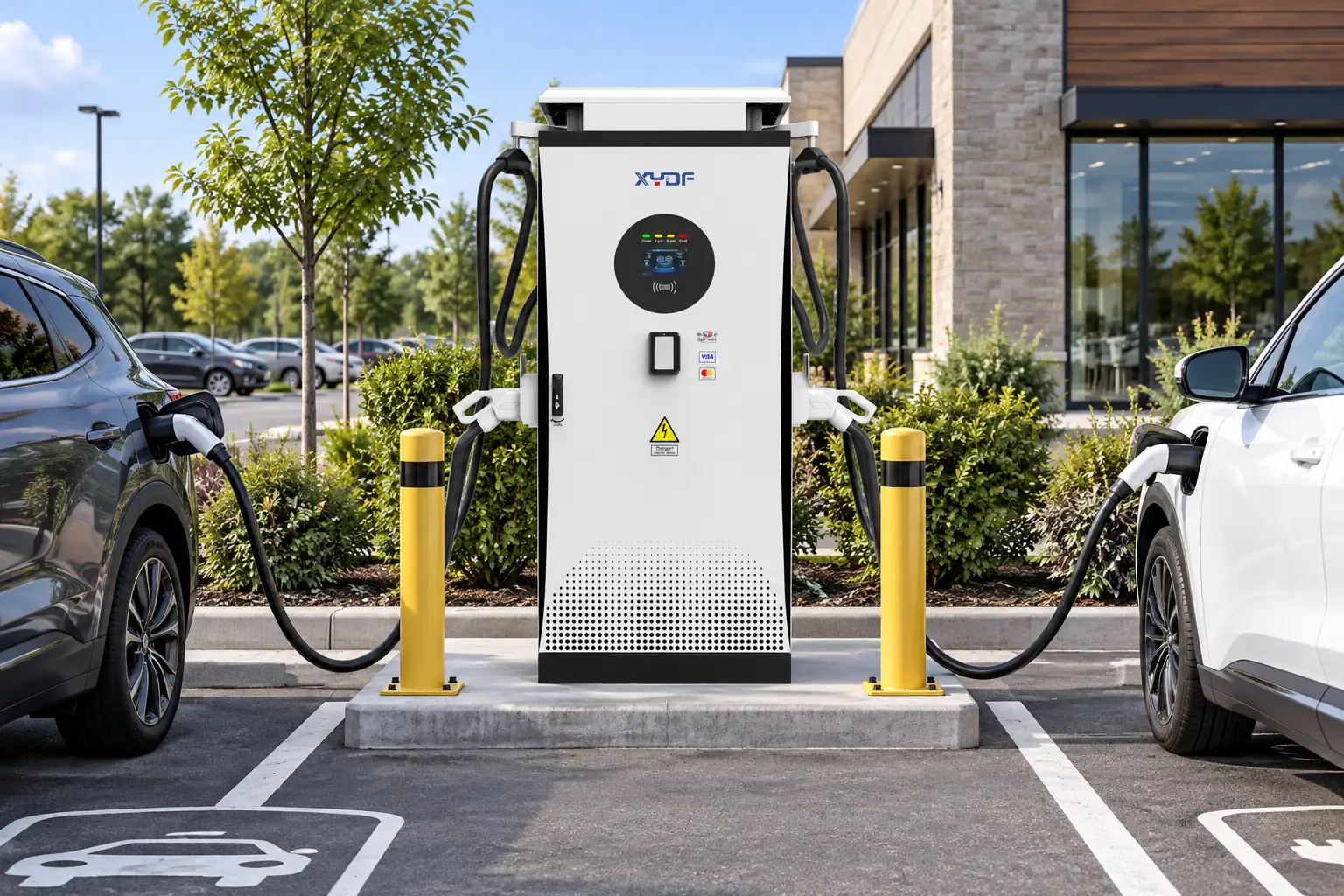
This factory walk-through helps buyers relate the audit checklist to real production areas and process flow.
Partie 2. Quelles zones de production les acheteurs devraient-ils inspecter sur place ?
Les projets commerciaux et de flotte échouent tôt lorsque les acheteurs découvrent trop tard que des étapes critiques sont externalisées. L'examen sur site devrait cartographier chaque étape de fabrication à une équipe responsable et enregistrer le système.
Zone
Question de révision
Pourquoi c'est important
Production SMT / PCB
Les cartes de contrôle sont-elles construites et inspectées selon des procédures documentées ?
La communication, la sécurité et la logique de facturation dépendent de la qualité de la carte.
Intégration du module d'alimentation
Comment les modules DC sont-ils assemblés, serrés au couple et inspectés ?
Les défauts du chemin d'alimentation provoquent des défaillances sur le terrain
Assemblage de câbles et de connecteurs
Les harnais et les assemblages de canons sont-ils testés pour la continuité et l'isolation ?
Les problèmes de connecteurs dominent les demandes de garantie
Rodage / vieillissement
Existe-t-il une fenêtre de vieillissement définie et un journal des codes de défaillance ?
Frais de mortalité infantile avant expédition
Inspection finale
La sécurité, l'étiquetage et les kits d'accessoires sont-ils vérifiés par voyageur ?
Empêche l'expédition de la mauvaise variante du marché
Emballage et logistique
La protection contre les chocs et le contrôle de l'humidité sont-ils documentés pour l'exportation ?
Réduit les litiges liés aux dommages de transport
To determine whether a supplier manufactures or only assembles, procurement teams should walk each process area with traveler examples, not presentation slides.
How can buyers separate capacity claims from capacity evidence?
“Monthly capacity” can mean installed equipment, theoretical takt time, or finished units cleared for shipment. Ask for the definition, number of shifts, bottleneck operation, staffing assumptions, approved subcontractors, and a capacity plan for the planned ramp. This manufacturer capacity verification turns a sales claim into an auditable assumption.
Review recent travelers, then check whether test benches, burn-in space, and critical components can support the same volume. Do not convert a stated number into a guaranteed delivery promise without written allocation and recovery actions. Compare line records with the factory testing and incoming-inspection workflow to clarify what “100% tested” means.
Partie 3. Quels enregistrements de qualité prouvent la traçabilité et la reproductibilité ?
La gestion de la qualité conforme à la norme ISO 9001 ou équivalente est un point de départ, mais les acheteurs de chargeurs ont besoin d'une traçabilité au niveau de l'unité, depuis les composants entrants jusqu'aux résultats des tests finaux.
Type d'enregistrement
Attente minimale
Action de révision
Contrôle à réception
Lots de composants acceptés/rejetés avec critères
Exemple de 3 lots récents
carnet de production
Numéro de série lié aux étapes de construction
Traçer une série en direct de bout en bout
Journal de test
Sécurité, communication et résultats fonctionnels stockés par unité
Faire correspondre le journal à l'échantillon de série
Action corrective
Catégories de défauts, cause racine, date de clôture
Vérifier les défauts répétés sur plus de 90 jours
Contrôle des changements
Flux d'approbation des révisions de micrologiciel/matériel
Confirmer la gouvernance des révisions des OTA et des nomenclatures
Si un fabricant ne peut pas retracer un chargeur fini jusqu'au lot de circuits imprimés, au fournisseur de modules et à l'enregistrement des tests, l'analyse des défaillances sur le terrain sera lente et les litiges de garantie seront plus difficiles à résoudre.
What evidence should the audit team score?
Audit dimension
Strong evidence
Follow-up question
Incoming quality
Lot IDs, acceptance criteria, calibrated gauges, quarantine history
Can you trace this lot to finished units and returns?
Process repeatability
Controlled instructions, torque logs, change records
What changed after the last BOM or firmware revision?
Final testing
Per-serial safety, functional, communication, and thermal results
Which limits trigger rework, and who releases the unit?
Traceability
Serial linked to BOM, operator, station, test file, and shipment
Can you export the record without reconstruction?
Capacity
Defined units per shift, bottleneck plan, staffing, and allocation
What happens if demand doubles during ramp?
Préparation du service
Spare-parts list, diagnostics, RMA, and corrective-action records
How are repeat failures escalated?
Partie 4. Quels tests fonctionnels doivent être démontrés avant l'expédition ?
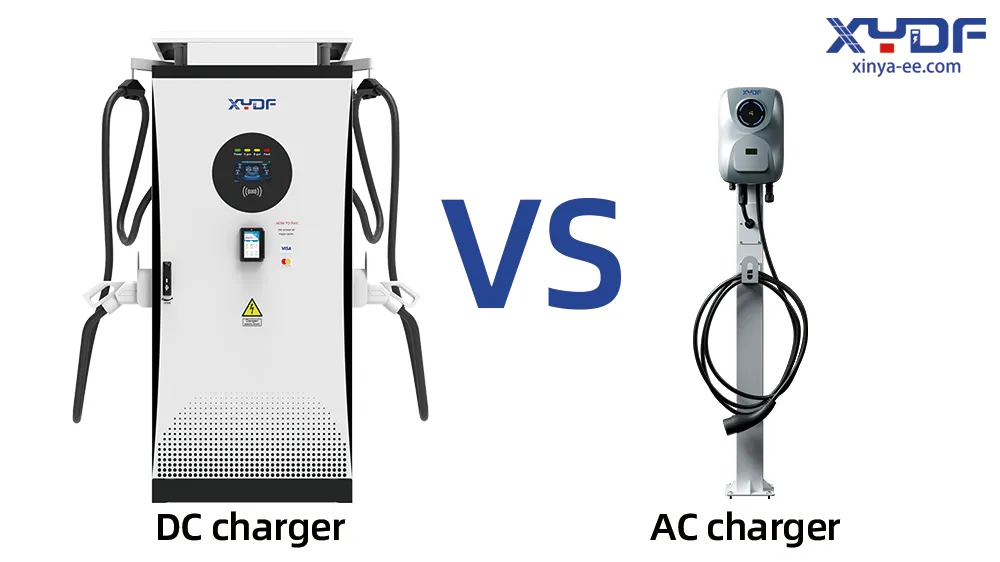
La profondeur de test doit correspondre à la classe du produit. Les chargeurs de bornes AC et les chargeurs publics haute puissance DC n'utilisent pas les mêmes bancs de test, mais tous deux nécessitent une validation documentée de la sécurité et de la communication.
Catégorie de test
Unités commerciales de climatisation
Chargeurs rapides CC
Sécurité électrique
Isolation, fuite, continuité du sol
Tests de tenue diélectrique, vérifications des verrouillages haute tension
Communication
Session et rapport de défaut OCPP
OCPP, trajet paiement RFID, télémétrie de refroidissement
Comportement thermique
Échauffement sous courant nominal
Température du module et réponse du ventilateur/pompe
Environnemental
Contrôles d'échantillons d'indice de protection
Joint d'enceinte extérieure et contrôles de corrosion
Interface utilisateur
Langue, paiement et logique d'accès
Flux d'écran, verrouillage de connecteur, arrêt d'urgence
Request a demonstration on the exact firmware build and accessory configuration in your RFQ, not on a generic demo unit with different options. (Guide des bornes de recharge pour VE OCPP)
Every charger should receive the defined safety and functional checks for its configuration; environmental qualification may be sample-based under an agreed plan. AC and DC products require different limits and fixtures, so “100% tested” is useful only when the supplier defines which tests run on every unit, which run by sample, and which acceptance limits trigger rework.
Partie 5. Comment les acheteurs doivent-ils examiner la certification et la conformité du marché ?
Les preuves de certification doivent correspondre au marché de destination et à la famille de modèles exacte, pas à un produit jumeau ou à un rapport obsolète.
Document
Vérification de l'acheteur
Écart courant
Rapports CE / CB / TÜV
Nom du modèle, plage de puissance et édition standard
Certificat pour différents SKU
Étiqueter l'œuvre d'art
Tension, courant et marques d'avertissement
Modèle de manuel réutilisé dans toutes les régions
Rapports EMC
Charger class et configuration du port
Configuration manquante du port de communication
Cohérence de production
Nomenclature approuvée liée à l'échantillon de certificat
Substitution silencieuse de composant
Why should buyers verify a standard’s scope instead of its logo?
ISO 9001 supports auditing documented processes, internal audits, corrective action, and continual improvement; it is not a product certification or uptime guarantee. IEC 61851-1 addresses conductive charging-system requirements and control functions, subject to edition and market rules. IEC 60529 defines IP-code test conditions; an IP claim does not cover corrosion, UV, impact, thermal cycling, or open-door operation.
Require the report scope, model, configuration, test setup, and laboratory details. That is the foundation of traceable EV charger production: the approved BOM, firmware, connectors, ports, labels, and power range must match the unit represented by the evidence. Unsupported or mismatched certification claims can delay market access, force retesting, or leave the buyer with a non-approved SKU.
XYDF publie les preuves de qualification sur le Qualification page et contexte de fabrication sur À propos de XYDF. Comparez ces itinéraires publiés avec votre marché cible RFQ avant de valider l'approbation du fournisseur.
Liste de contrôle RFQ OEM / ODM
Champ AMF
Pourquoi les fournisseurs en ont-ils besoin
Modèles cibles et plage de puissance
Plateforme de cartes et périmètre de test
Connecteur standard et longueur de câble
Affecte la certification et la nomenclature du faisceau
Langue de l'interface utilisateur et options de paiement
Firmware et étiquetage des disques
Version OCPP et cible backend
Définit les tests d'interopérabilité
Portée de la marque (fabricant OEM/ODM)
Détermine l'outillage et l'emballage
Volume annuel et fenêtre de délai
Valide l'allocation de capacité
Pièces de rechange et conditions de garantie
Définit les attentes en matière de coût des services
Partie 6. Quelles plateformes XYDF correspondent aux itinéraires typiques des équipementiers et des projets ?
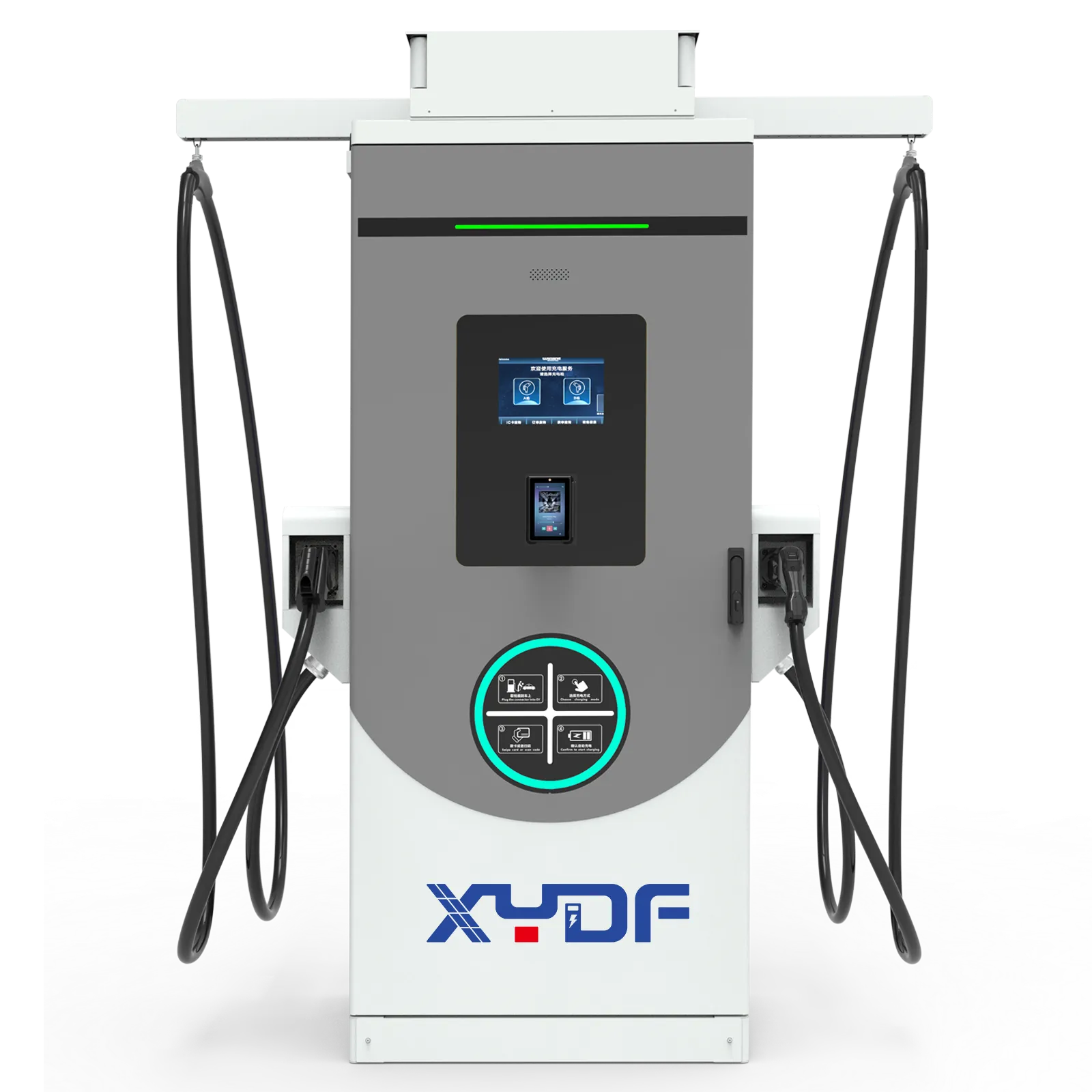
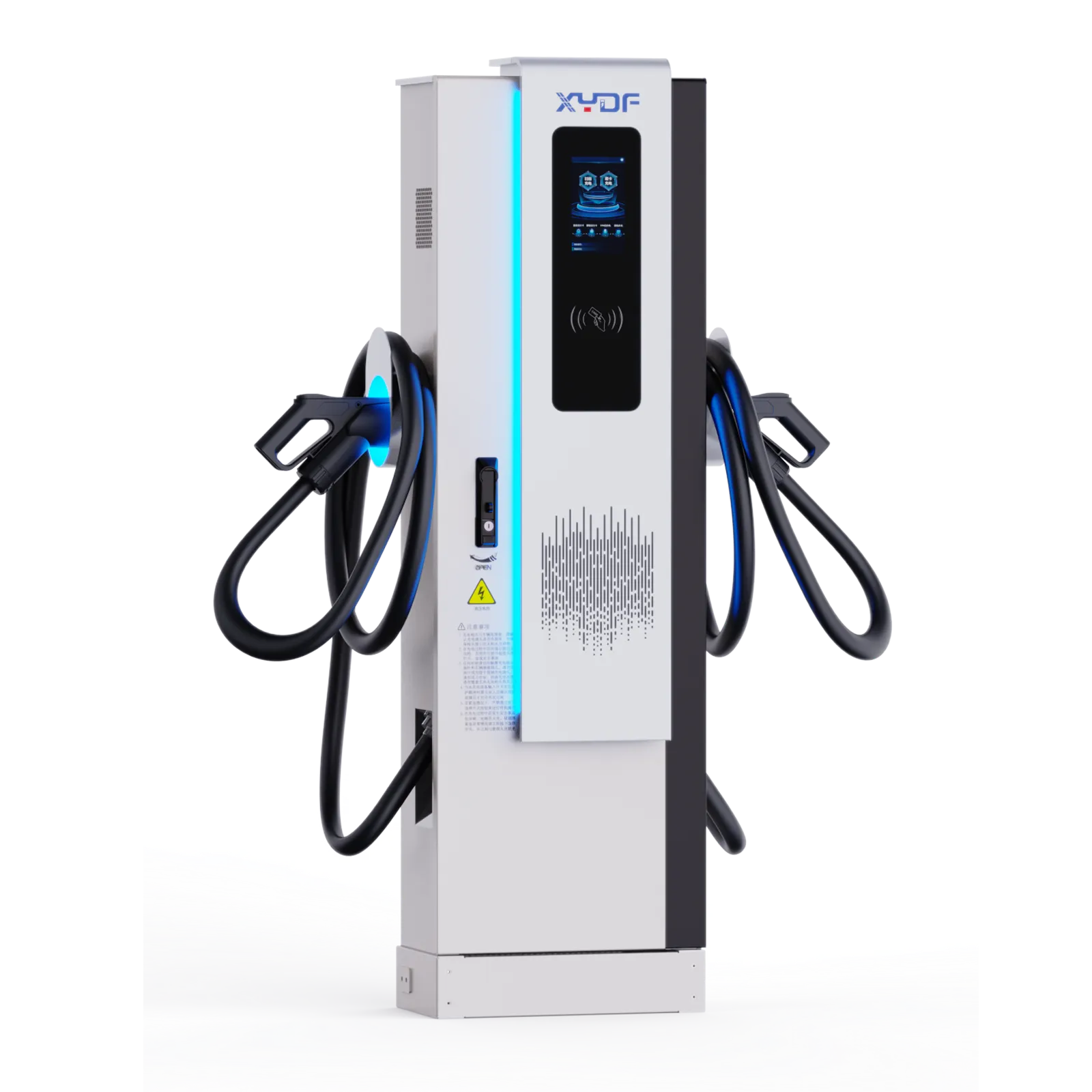
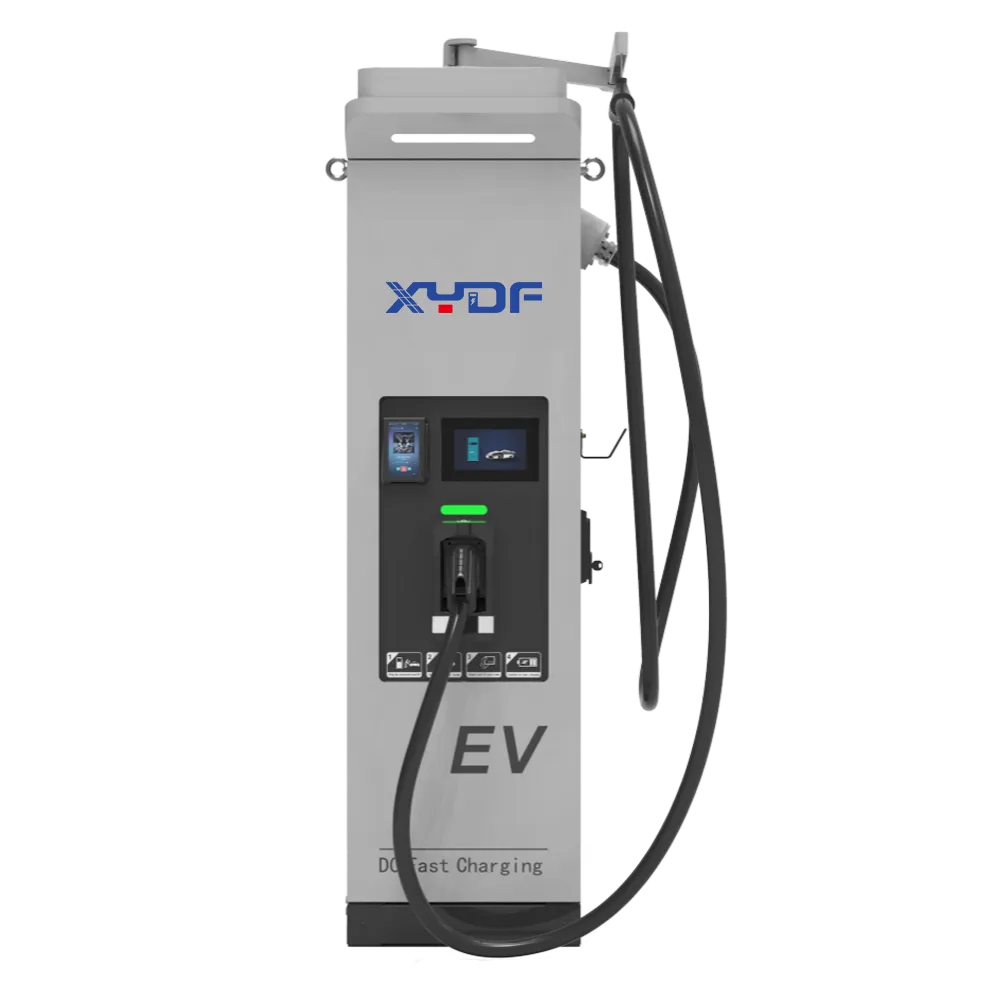
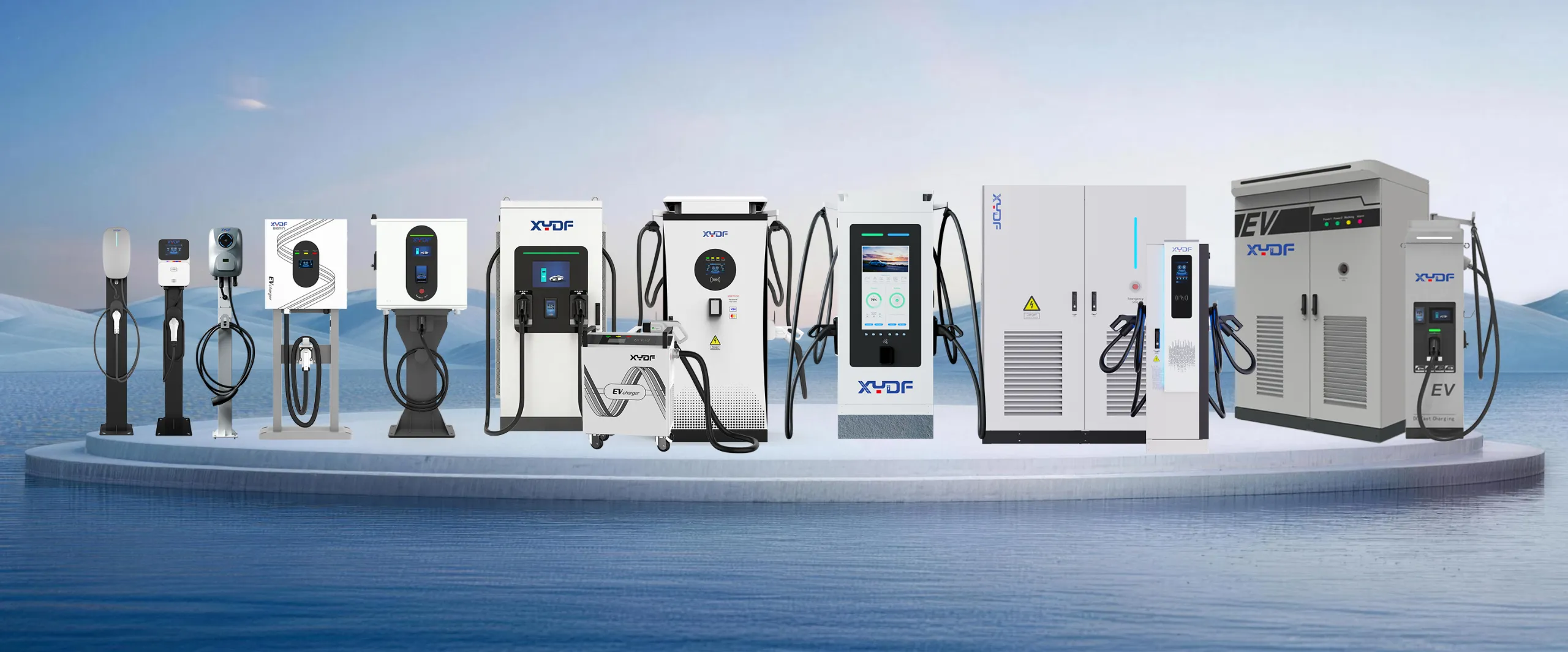
XYDF publie des plateformes AC et DC commerciales sous Produits avec prise en charge OEM/ODM décrite sur À propos de XYDF. Utilisez la liste de contrôle d'audit ci-dessus avant de présélectionner une plateforme.
Itinéraire de l'acheteur
Point de départ XYDF
Accent d'audit
Lieu de travail / destination CA
Série EC7 / EC22 / E22 activée /produits/
Indice de protection, gestion de la charge, OCPP
Commercial DC compact
Série EG / EYU / EEC1
Conception thermique, approvisionnement de modules, options d'écran
GC public à haut débit
Plateforme EC Série 80-240kW
Mise sous tension simultanée, accès aux services, tests backend
Part 7. When is factory-audit approval incomplete?
This checklist supports supplier and platform selection for commercial and industrial EV charging programs. It does not replace:
Conception électrique sur site ou études de capacité du réseau
Certification de conformité aux règles de câblage locales pour chaque pays
Approbations de réseau de paiement ou permis d'interconnexion de services publics
Contrats de construction, de travaux de génie civil ou de mise en service uniquement
Décisions d'approvisionnement basées uniquement sur le prix sans portée de service
If a supplier refuses traceability records, will not demonstrate OCPP or safety tests on the RFQ configuration, or cannot align certification documents with the exact model ordered, treat approval as conditional—not complete.
What belongs in the procurement release checklist?
The approved model, power range, connector, and firmware revision match the RFQ and test records.
Incoming, in-process, final-test, rework, and change-control records are available for sampled serials.
Capacity is defined by shifts and bottlenecks, with component allocation and a ramp and recovery plan.
Applicable IEC 61851, IEC 60529, and destination-market requirements are mapped without unsupported certification claims.
Warranty, spares, diagnostics, response times, and data-access terms are signed; compare them with the B2B warranty-terms guide.
Qu'est-ce qu'un audit d'usine de fabricant de chargeurs de VE ?
Il s'agit d'un examen structuré de la portée de la production, des systèmes qualité, de la capacité de test, des preuves de certification et de la préparation du service avant que les acheteurs ne passent des commandes en volume ou ne lancent des programmes OEM.
Quels domaines de production sont les plus importants lors de la visite ?
Production de CI ou de cartes de contrôle, assemblage de modules de puissance, fabrication de faisceaux, rodage, inspection finale et emballage pour l'exportation — chacun doit être lié aux dossiers de suivi et de test.
How can buyers verify an EV charger manufacturer’s capacity?
Ask how capacity is defined, then verify shifts, bottlenecks, staffing, test-bench throughput, component allocation, and recent travelers. A theoretical line rate is not a delivery commitment without written allocation and recovery actions.
Quels documents les acheteurs doivent-ils demander avant d'approuver un fournisseur ?
Procédures d'inspection à réception, exemples de traçabilité des numéros de série, journaux de tests par unité, rapports de certification pour le modèle exact, enregistrements de révision du micrologiciel, et conditions de garantie/pièces de rechange.
What is the most important record in a factory audit?
Start with a complete serial trace linking incoming lots, build steps, firmware and BOM revision, test results, rework, and shipment. It shows whether the quality system works on real units rather than only in procedures.
Does ISO 9001 prove a factory makes reliable chargers?
No. ISO 9001 evaluates management-system and process controls. Product-specific tests, unit traceability, field feedback, and service commitments remain necessary.
Comment les audits OEM et ODM sont-ils différents ?
Les programmes OEM insistent sur l'image de marque, l'emballage, la langue du manuel et le contrôle des révisions. Les programmes ODM ajoutent des questions de propriété intellectuelle concernant le boîtier, le micrologiciel et la responsabilité de la certification.
Quels tests doivent être démontrés pour les chargeurs rapides DC ?
La tenue en isolation, les sessions de communication, le comportement thermique, la logique de verrouillage du connecteur, la réponse de l'arrêt d'urgence et la télémétrie de refroidissement doivent être indiqués sur la configuration de la demande de prix.
Should every charger receive the same tests?
Every unit should receive the safety and functional checks defined for its configuration; environmental qualification may be sample-based under an agreed plan. AC and DC products need different limits and fixtures, so buyers should confirm the per-unit and sample-based test matrix.
Quand un acheteur devrait-il rejeter un fabricant de chargeurs pour VE ?
Reject or pause approval when certification scope does not match the ordered SKU, traceability is missing, critical production is undisclosed outsourcing, capacity definitions shift, test scope is unclear, or service and spare-parts commitments are undefined. Agree corrective actions, owners, and verification dates before volume release.
Cette liste de contrôle peut-elle remplacer une inspection d'usine par une tierce partie ?
Non. Elle définit les preuves techniques et qualitatives que les acheteurs devraient exiger. Les inspections par des tiers restent utiles lorsque la valeur du projet, les nouvelles relations avec les fournisseurs ou les risques de conformité justifient une vérification indépendante.
A factory audit turns confidence into checkable evidence: one unit, one record, one accountable owner. If your RFQ needs a documented review of process, capacity, and service risk, Contacter XYDF with the target market and production volume.
Comment un acheteur peut-il associer les preuves de l’usine à l’acceptation sur le terrain ?
Lier chaque contrôle de la chaîne d’approvisionnement à une exigence de terrain : identifier le modèle et la version testés, définir la méthode d’essai et les critères de réussite, conserver les données d’étalonnage et les registres de défaillance, et répéter les contrôles critiques lors de l’acceptation du site avec la configuration livrée. Une visite guidée ou un certificat sont des éléments utiles, mais la chaîne vérifiable est constituée par la configuration, les preuves et les résultats constatés.
Usine du siège social du Zhejiang :
N° 2, route de Changjiang, parc industriel du pont de Wenzhou, ville de beibaixiang, ville de Yueqing, ville de Wenzhou, province du Zhejiang
Bureau de Shenzhen :
1er étage, Bâtiment A, Parc Industriel Shenkai, Communauté Tangtou, Sous-district de Shiyan, District de Bao'an, Shenzhen
Nous utilisons des cookies pour assurer le bon fonctionnement de ce site Web et, avec votre autorisation, pour mesurer la manière dont les visiteurs utilisent notre site de recharge pour VE. Voir notre Politique de confidentialité pour plus de détails.
 Xinya Dongfang Electricity Technology Co., Ltd.