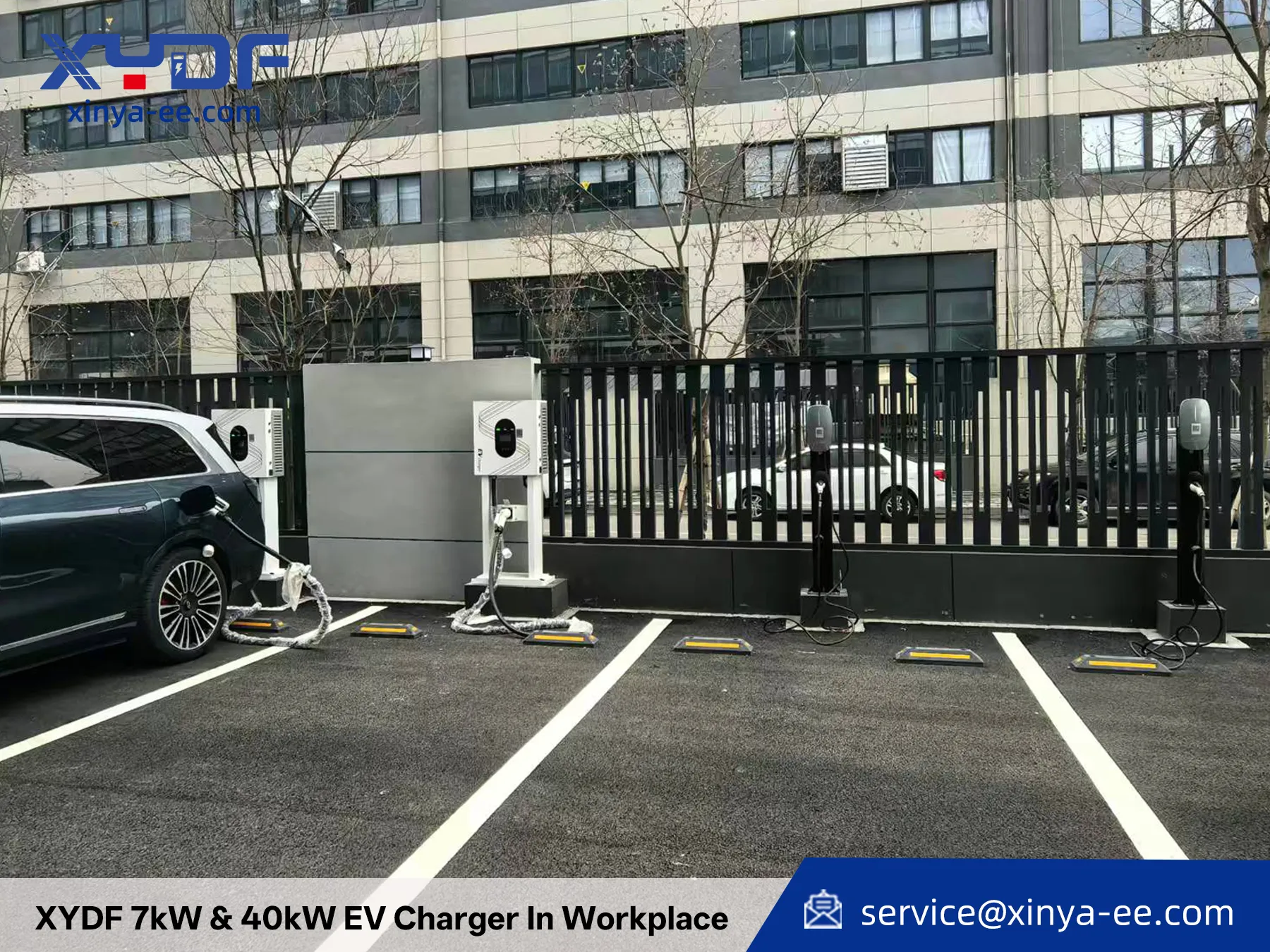
Comment fonctionne la recharge des véhicules électriques ? Guide complet pour les débutants
16 juin 2026
Blog
Si vous êtes novice en matière de véhicules électriques ou si vous prévoyez d'investir dans une infrastructure de recharge commerciale, vous vous demandez peut-être : Comment fonctionne la recharge des véhicules électriquesQu'est-ce qui distingue un chargeur de VE fiable d'un équipement d'alimentation ordinaire ? La recharge des VE n'est pas une simple connexion d'alimentation « plug-and-play ». C'est un système de conversion d'énergie intelligent, sûr et normalisé qui relie le réseau électrique, l'équipement de recharge et le système de batterie du véhicule.
Ce guide explique le principe de fonctionnement complet de la recharge des véhicules électriques. Il couvre les principales différences entre la recharge AC et DC, des conseils d'achat professionnels, des solutions de fabricants fiables et une foire aux questions pour les acheteurs.
Qu'est-ce que la recharge de VE ? Une explication simple de son fonctionnement
La recharge des VE fait référence au processus de recharge de la batterie d'un véhicule électrique à l'aide d'un équipement de charge professionnel pour VE. Son principe de fonctionnement principal consiste à convertir le courant alternatif (CA) du réseau électrique public en courant continu (CC) stockable et à fournir une énergie électrique stable et sûre à la batterie du véhicule grâce à une régulation intelligente.
L'ensemble du processus de charge suit un mécanisme d'interaction intelligent standardisé. Lorsque le pistolet de charge est branché dans le port du véhicule, le chargeur de VE établit automatiquement une communication de données avec le système de gestion de la batterie (BMS) du véhicule. Les deux parties vérifient l'état de sécurité en temps réel, détectent le niveau de la batterie, la température et les seuils de tension, et ajustent dynamiquement le courant et la tension de charge. Ce contrôle intelligent complet empêche efficacement la surcharge, la surchauffe et les défaillances de circuit, garantissant des performances de charge efficaces et sûres.
Deux types principaux de recharge pour VE : recharge CA contre recharge CC
Pour bien comprendre Comment fonctionne la recharge des véhicules électriques, il est essentiel de distinguer la recharge CA de la recharge rapide CC. Ce sont les deux technologies de recharge fondamentales que tout nouvel utilisateur de véhicule électrique et tout acheteur étranger doivent connaître. Elles diffèrent considérablement dans leur logique de conversion d'énergie, leur structure d'équipement, leur vitesse de charge, leur coût de maintenance et leurs scénarios d'application. Comprendre ces différences aide les utilisateurs individuels et les investisseurs de projets à sélectionner le chargeur de véhicule électrique le plus adapté et à éviter de mauvaises décisions d'achat.
1. Recharge CA (Conversion embarquée)
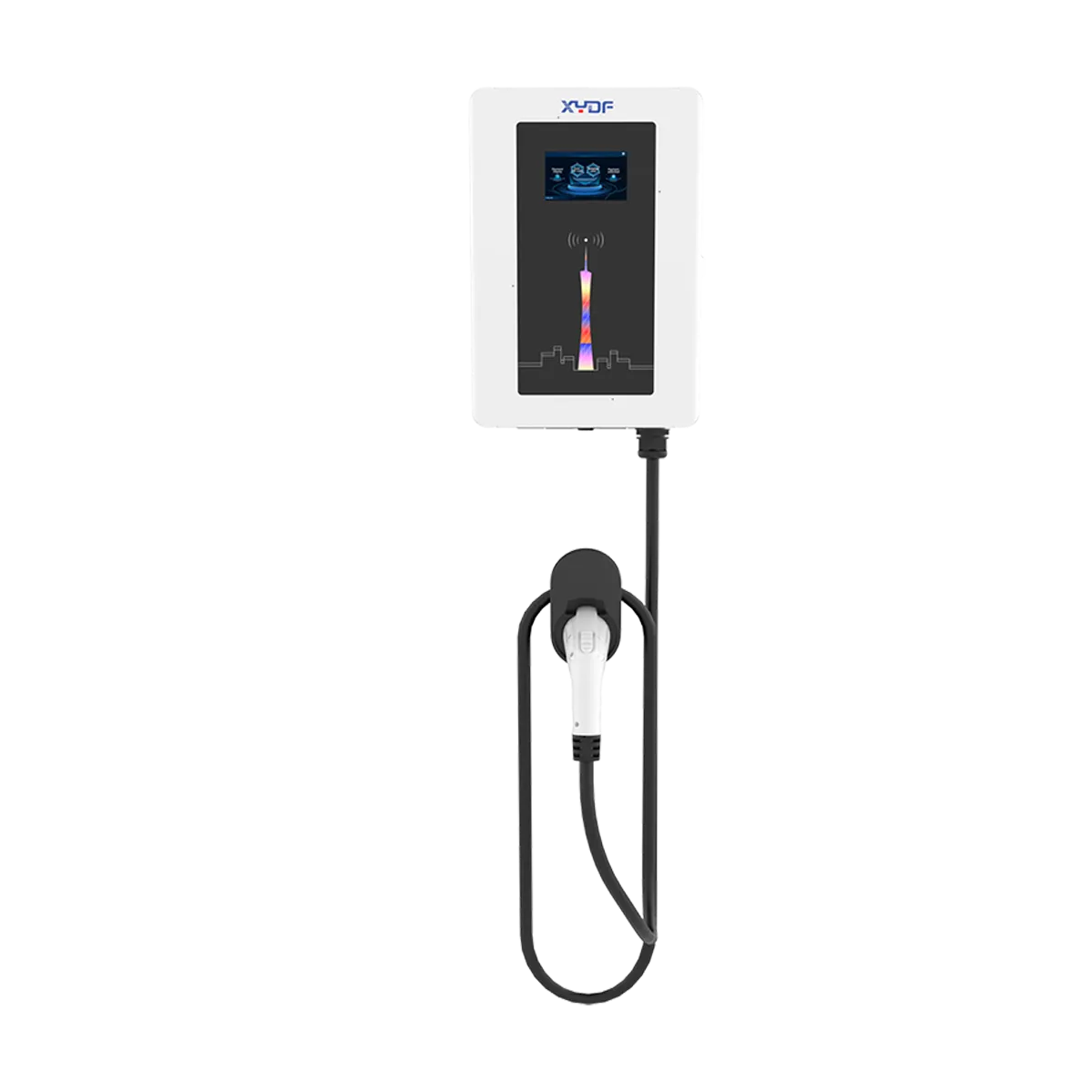
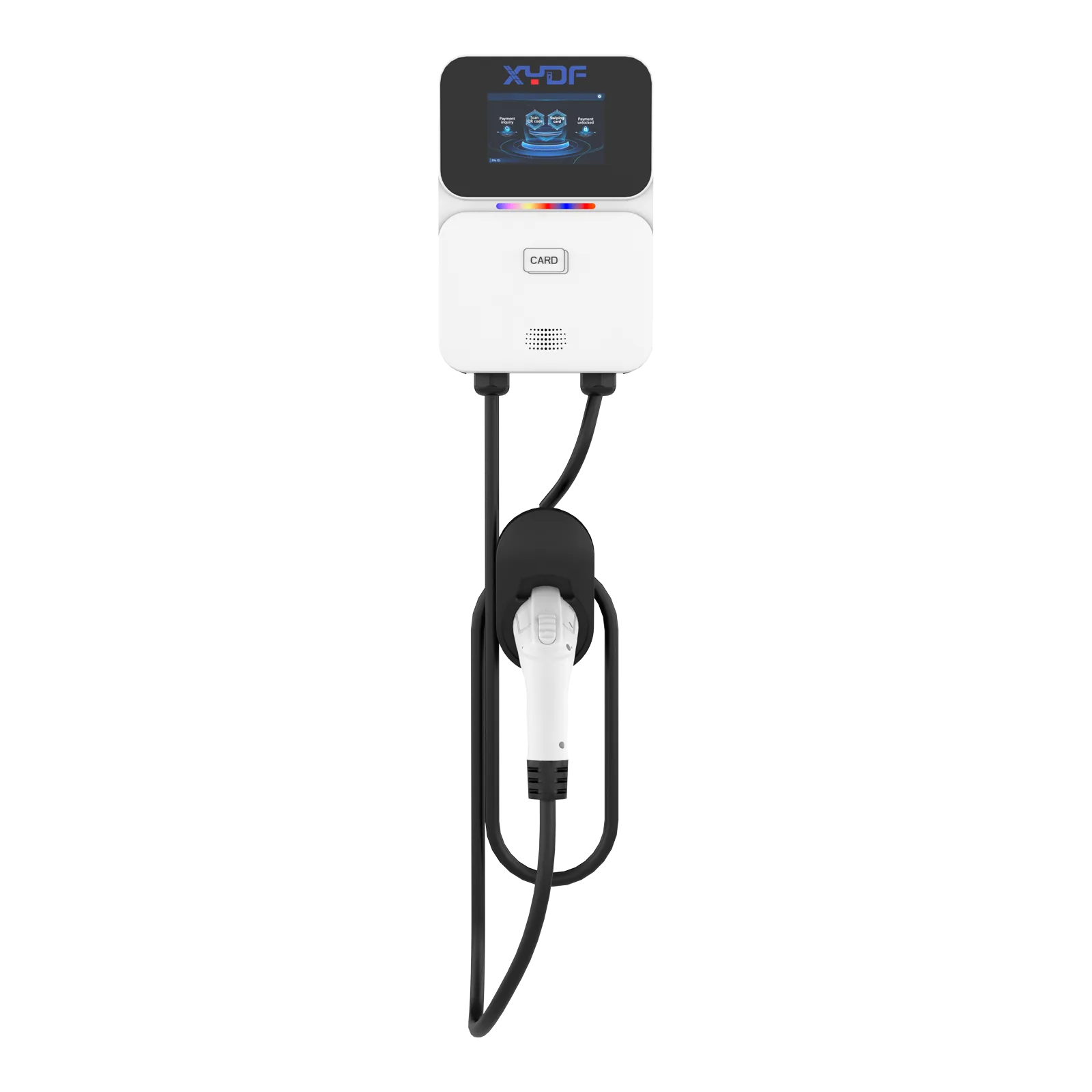
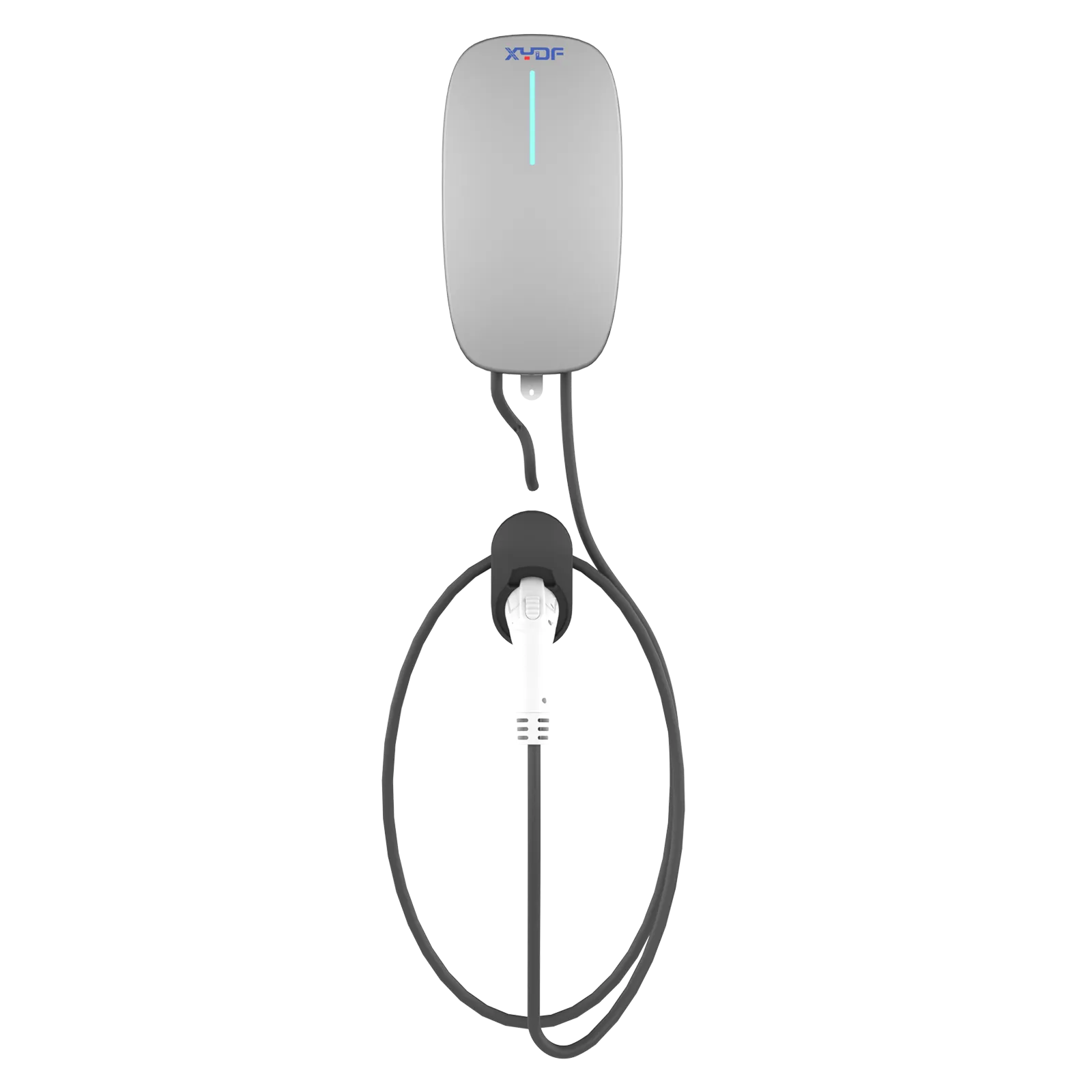
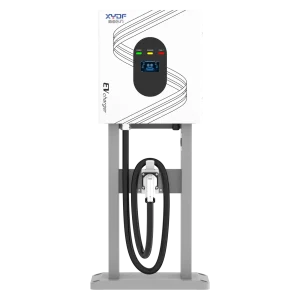
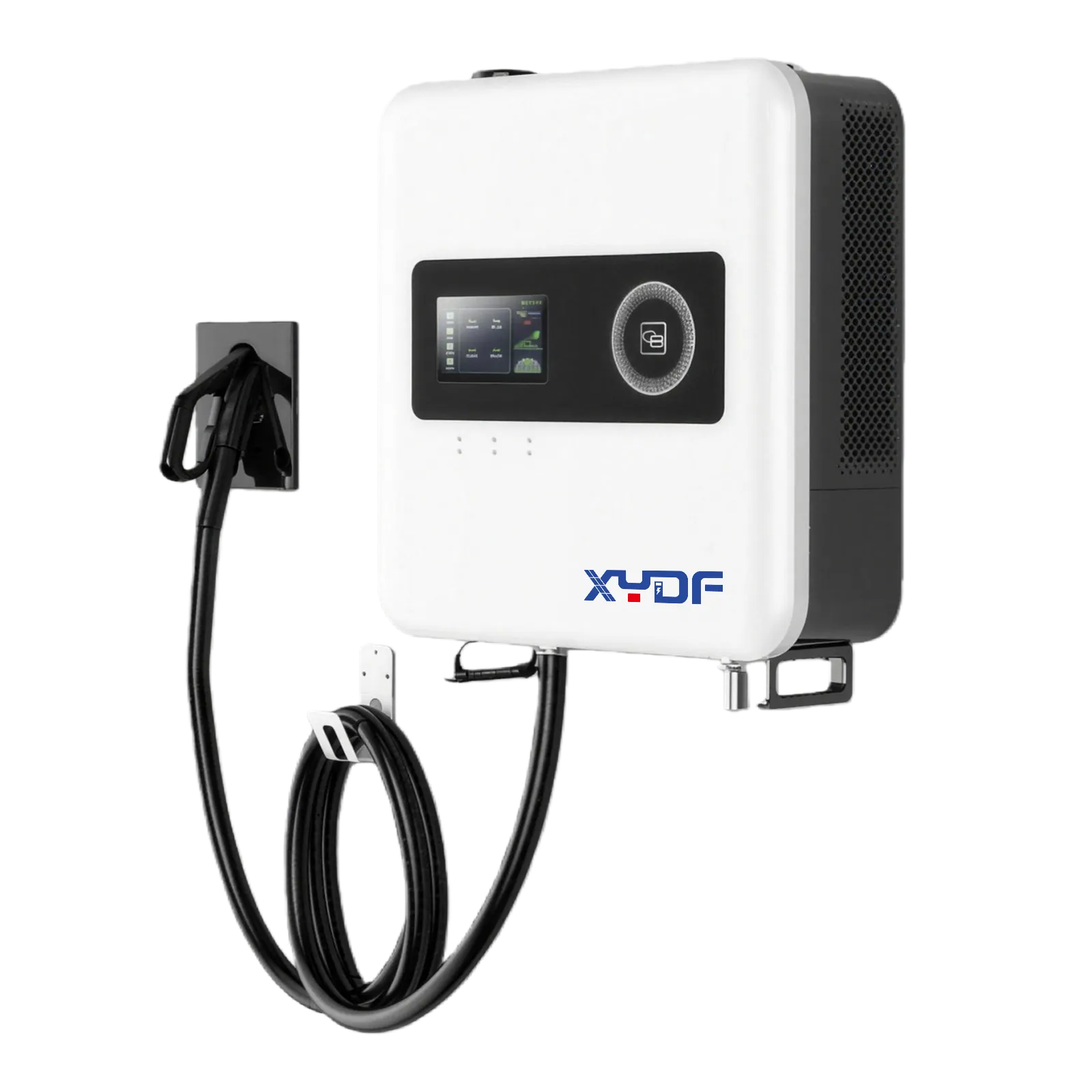
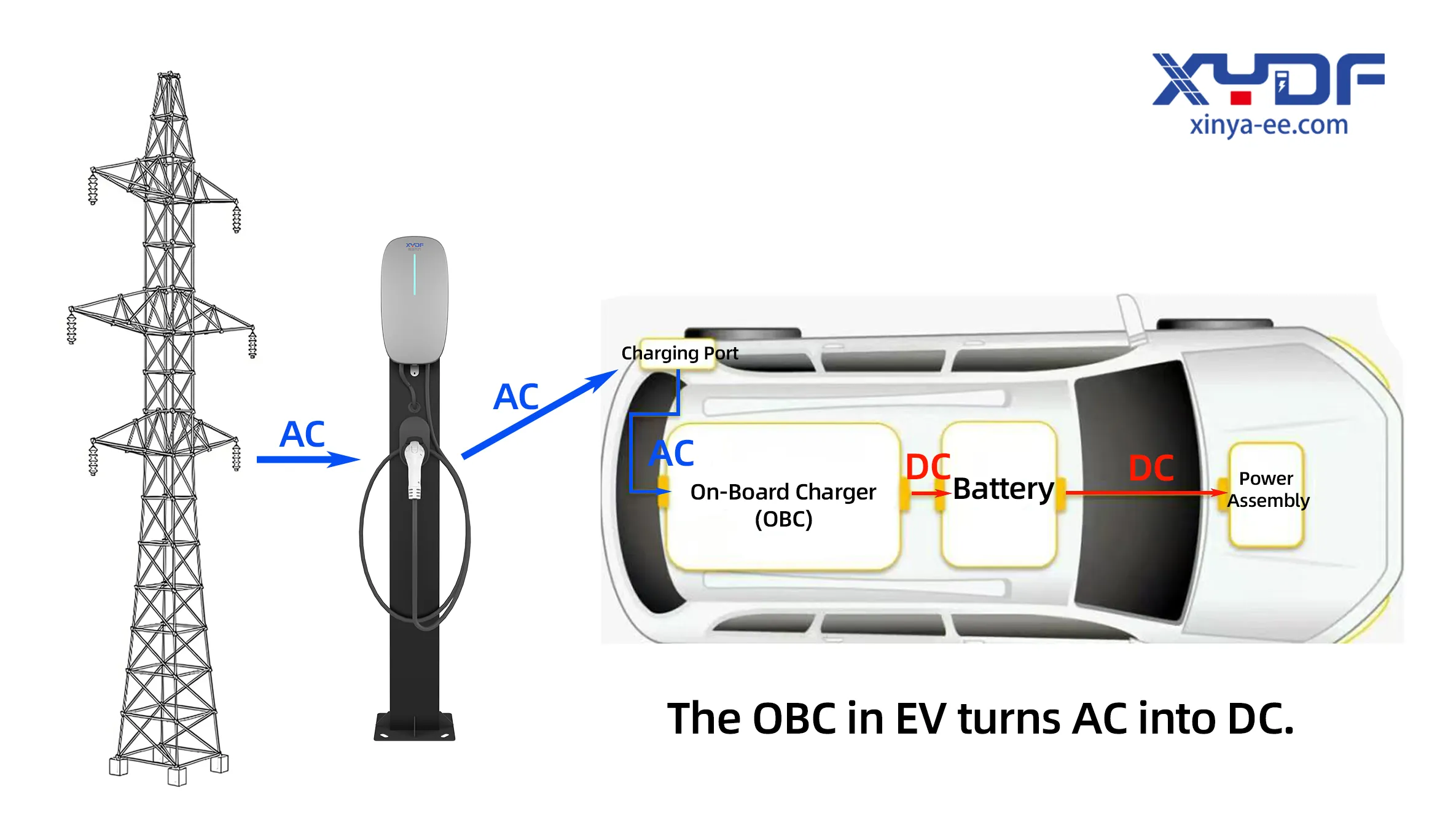
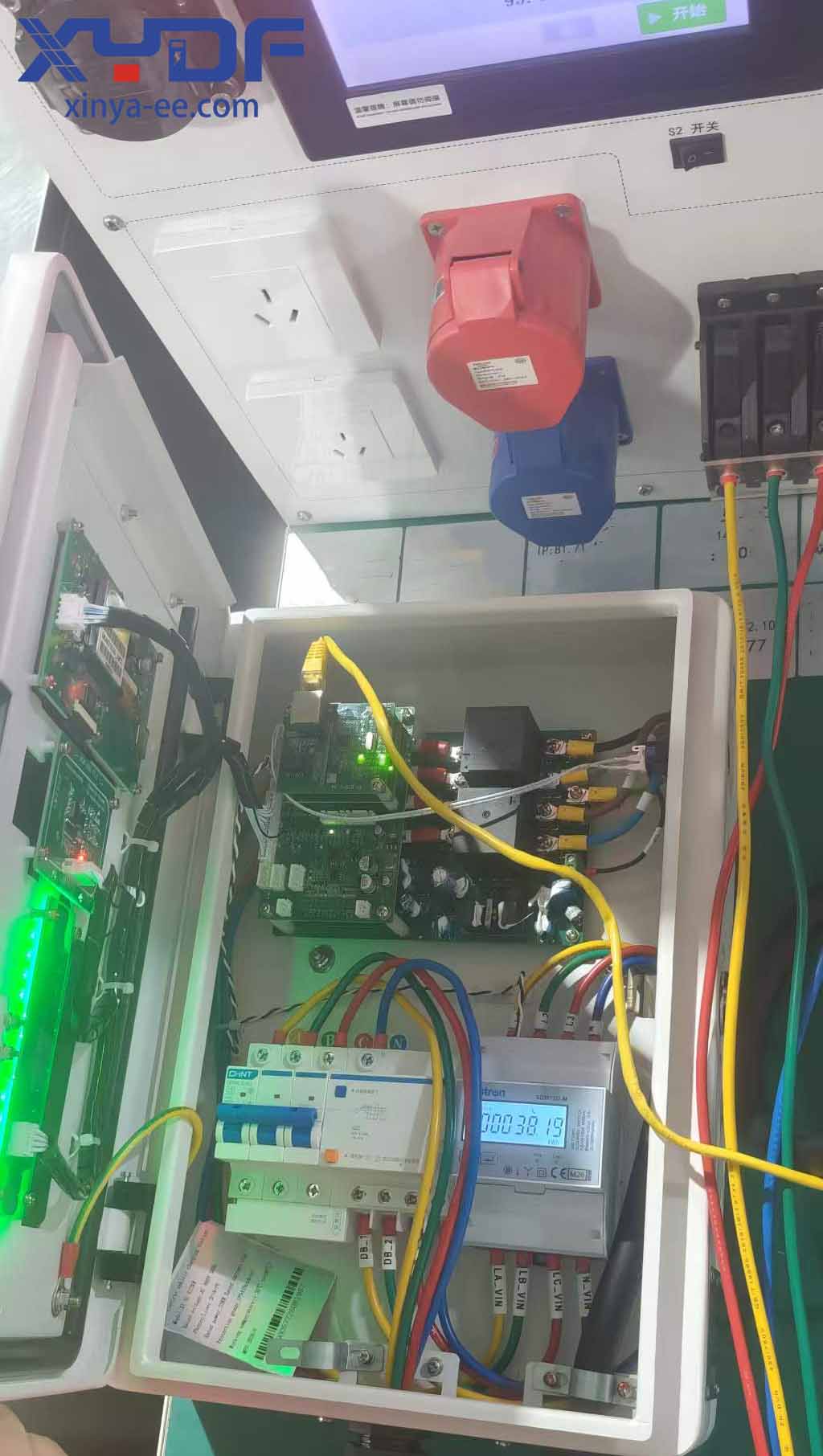
La recharge CA est la solution de recharge à faible vitesse la plus largement utilisée pour les parkings résidentiels, les communautés résidentielles, les campus d'entreprise et les immeubles de bureaux. Un chargeur de VE CA présente une structure simple et légère. Il assure principalement la transmission de puissance, la protection de la sécurité des circuits et la communication de poignée de main de signal entre l'appareil et le véhicule. Il n'effectue pas de conversion CA-CC à haute puissance. Tout le travail de conversion d'énergie est réalisé par le chargeur embarqué (OBC) du véhicule, ce qui explique pourquoi la recharge CA fonctionne de manière douce et stable.
Étant donné que le chargeur embarqué est installé à l'intérieur du véhicule, il est limité par l'espace de la carrosserie, les restrictions de poids et les conditions de dissipation de la chaleur, ce qui rend le matériel à haute puissance impossible. Par conséquent, la recharge CA fonctionne généralement à faible puissance, allant de 3,5 kW à 22 kW. Une charge complète prend généralement de 4 à 20 heures, ce qui convient parfaitement à la recharge statique nocturne et au renouvellement de l'énergie des navetteurs quotidiens. La recharge CA offre un courant et une tension extrêmement stables avec une usure minimale de la batterie. Bénéficiant d'une installation facile, d'un coût abordable et d'un faible impact sur le réseau public, elle reste le premier choix pour les ménages privés et les petits projets de recharge communautaire dans le monde entier.
Comment fonctionne un chargeur AC ?
2. Charge CC (Conversion d'équipement externe)
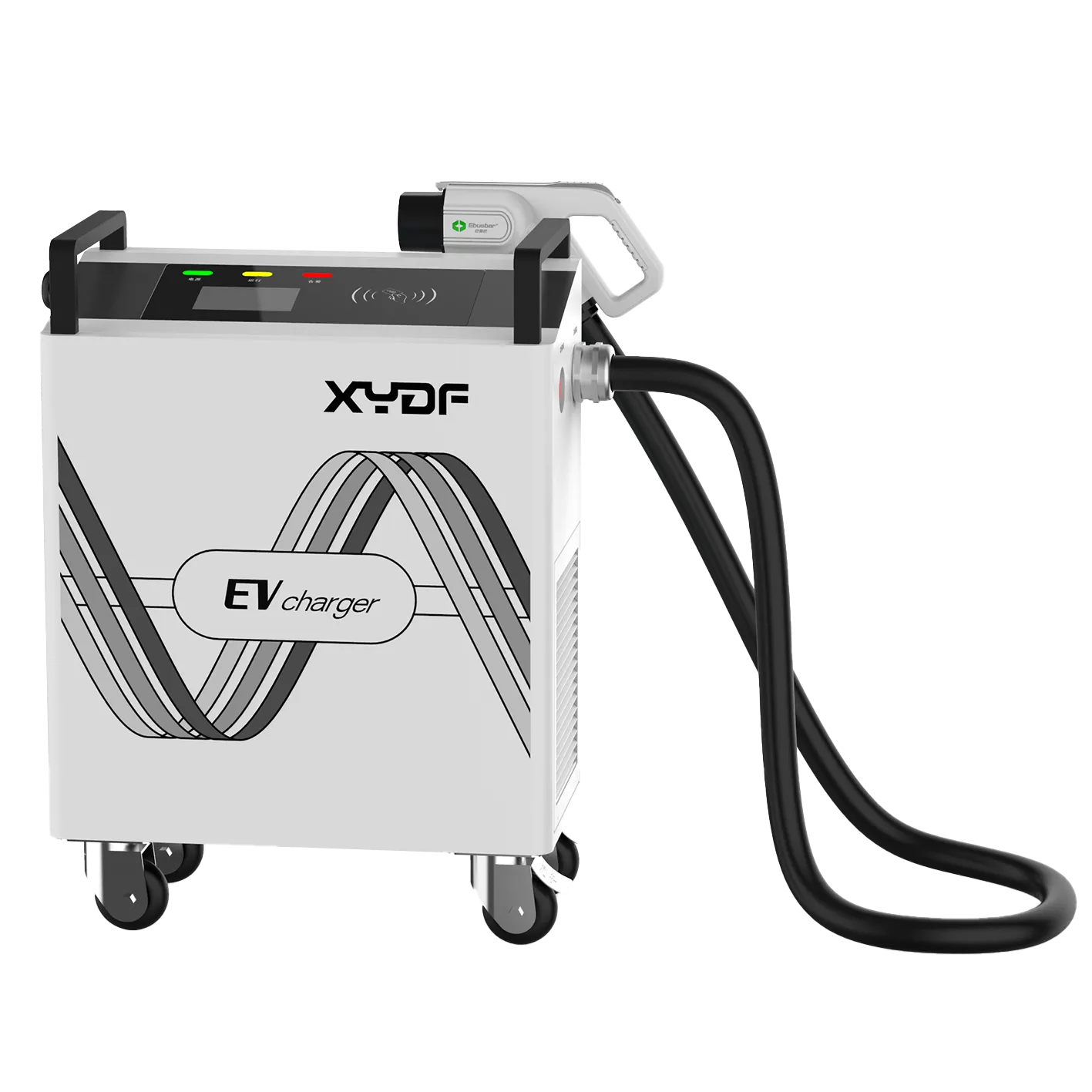
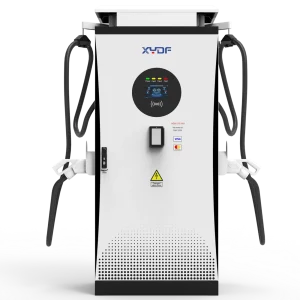
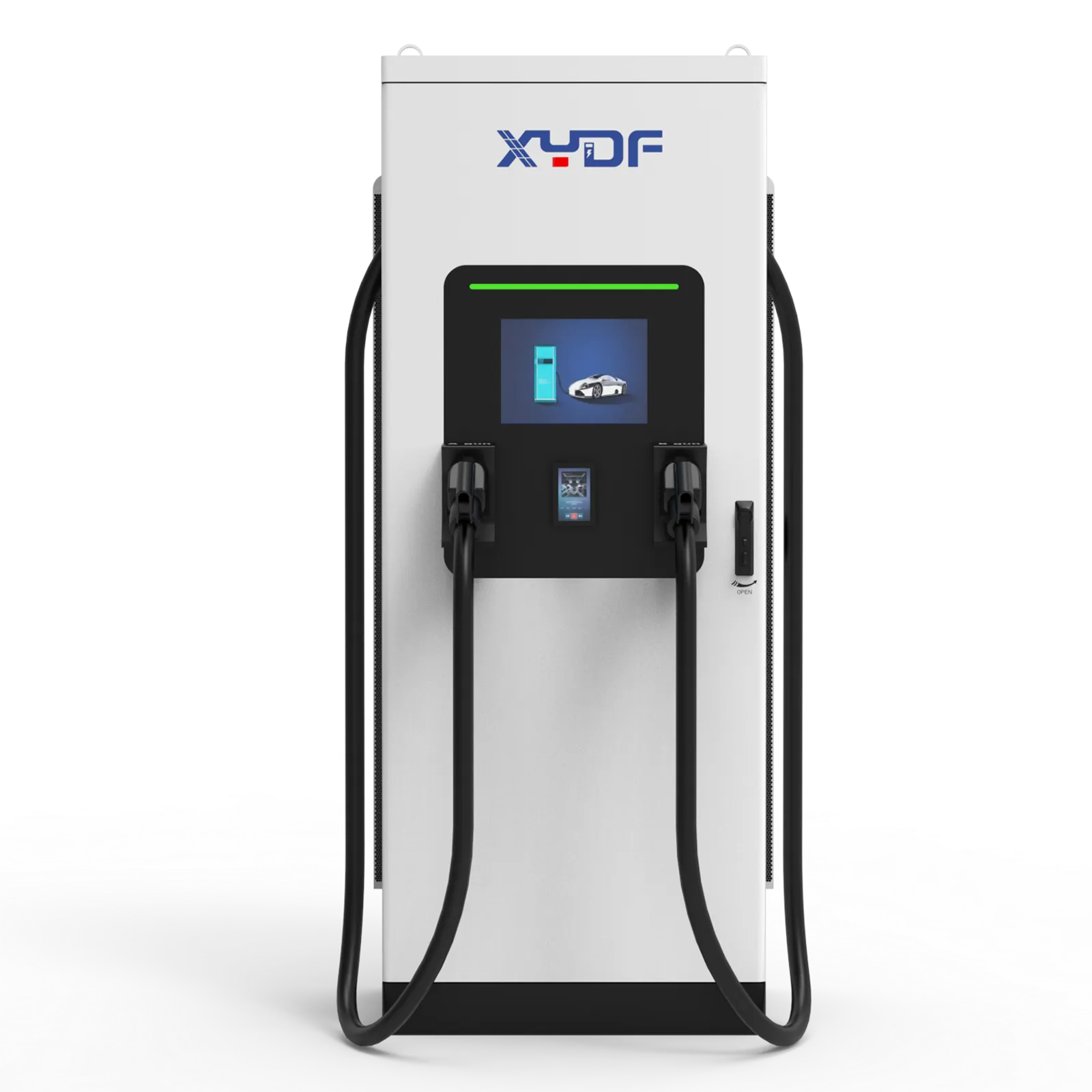
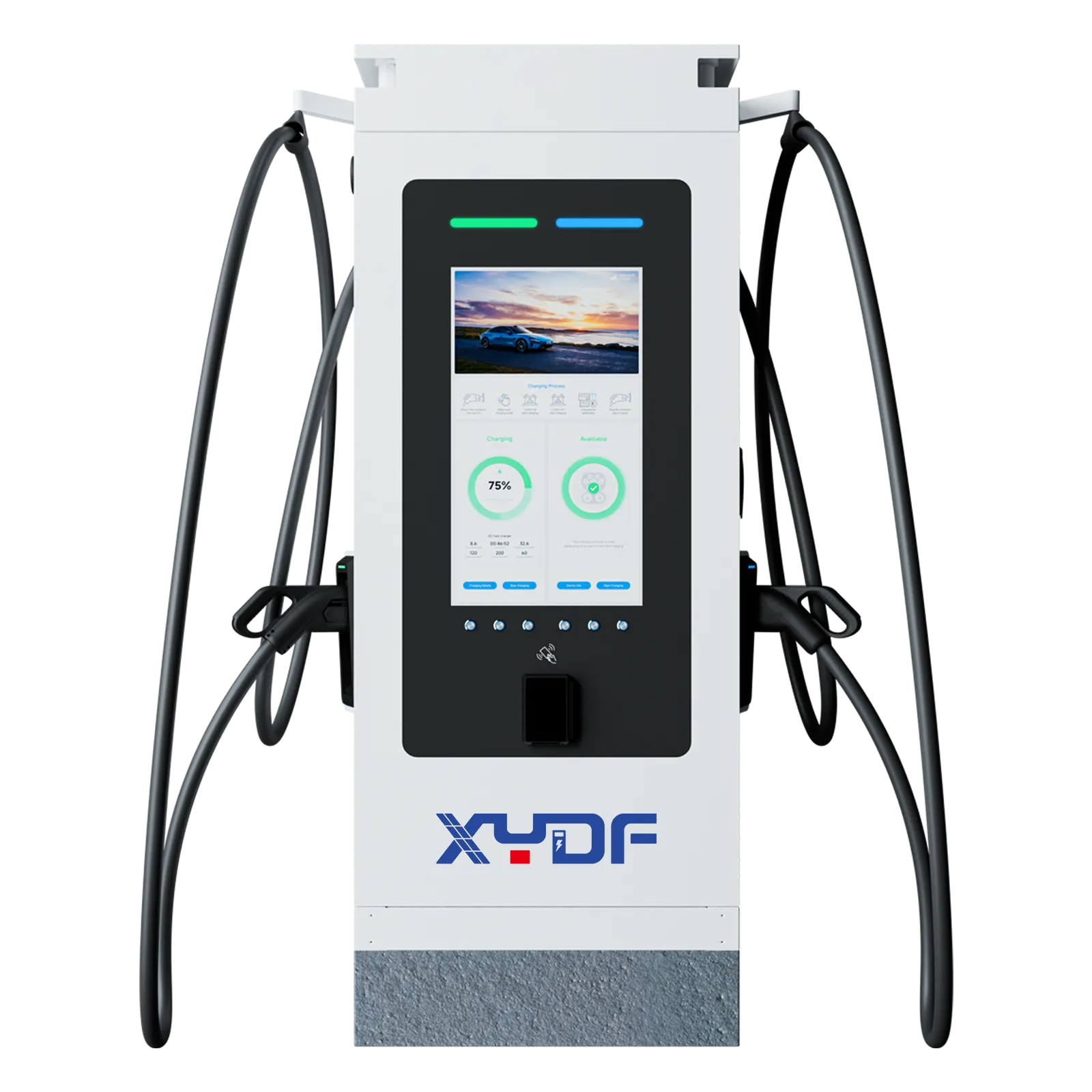
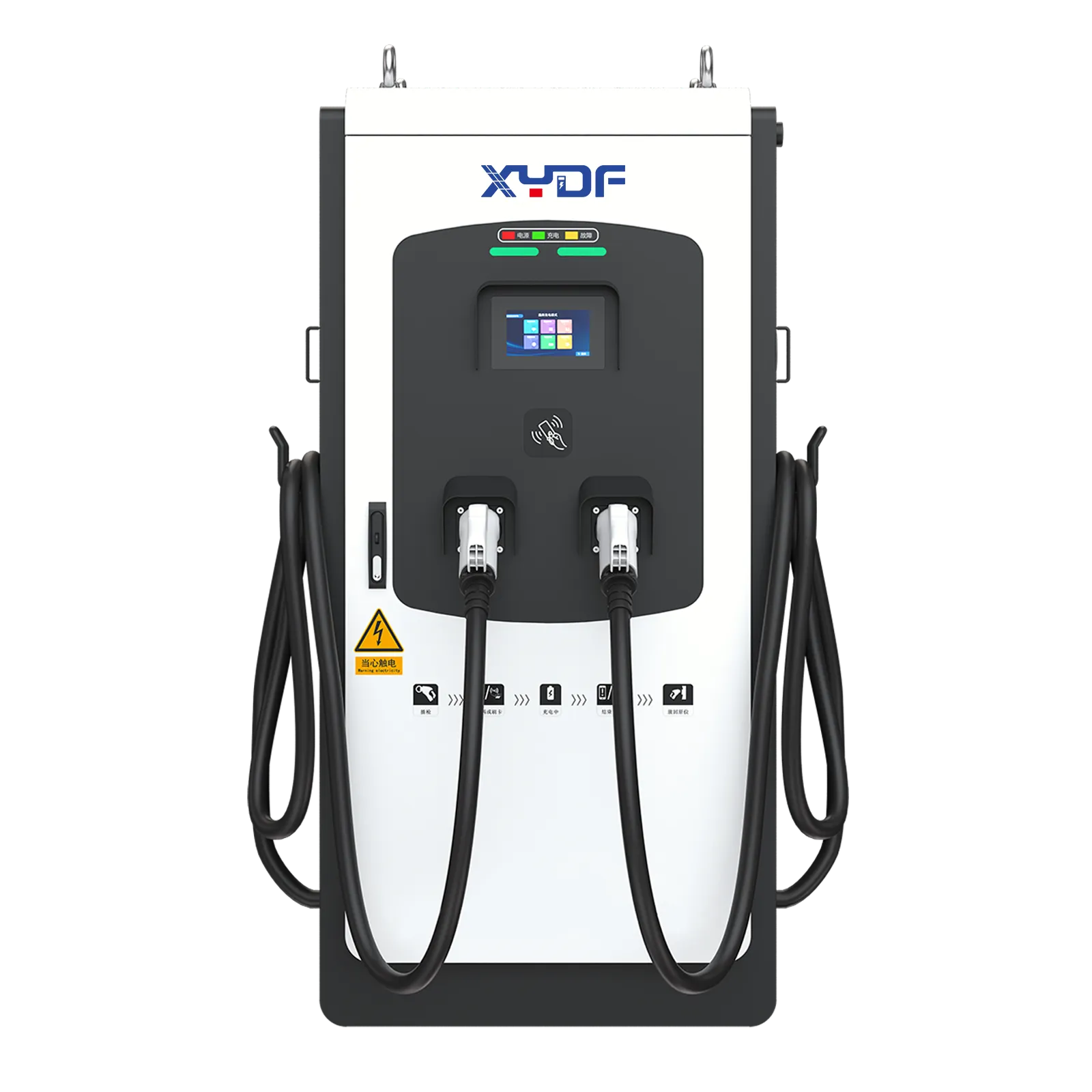
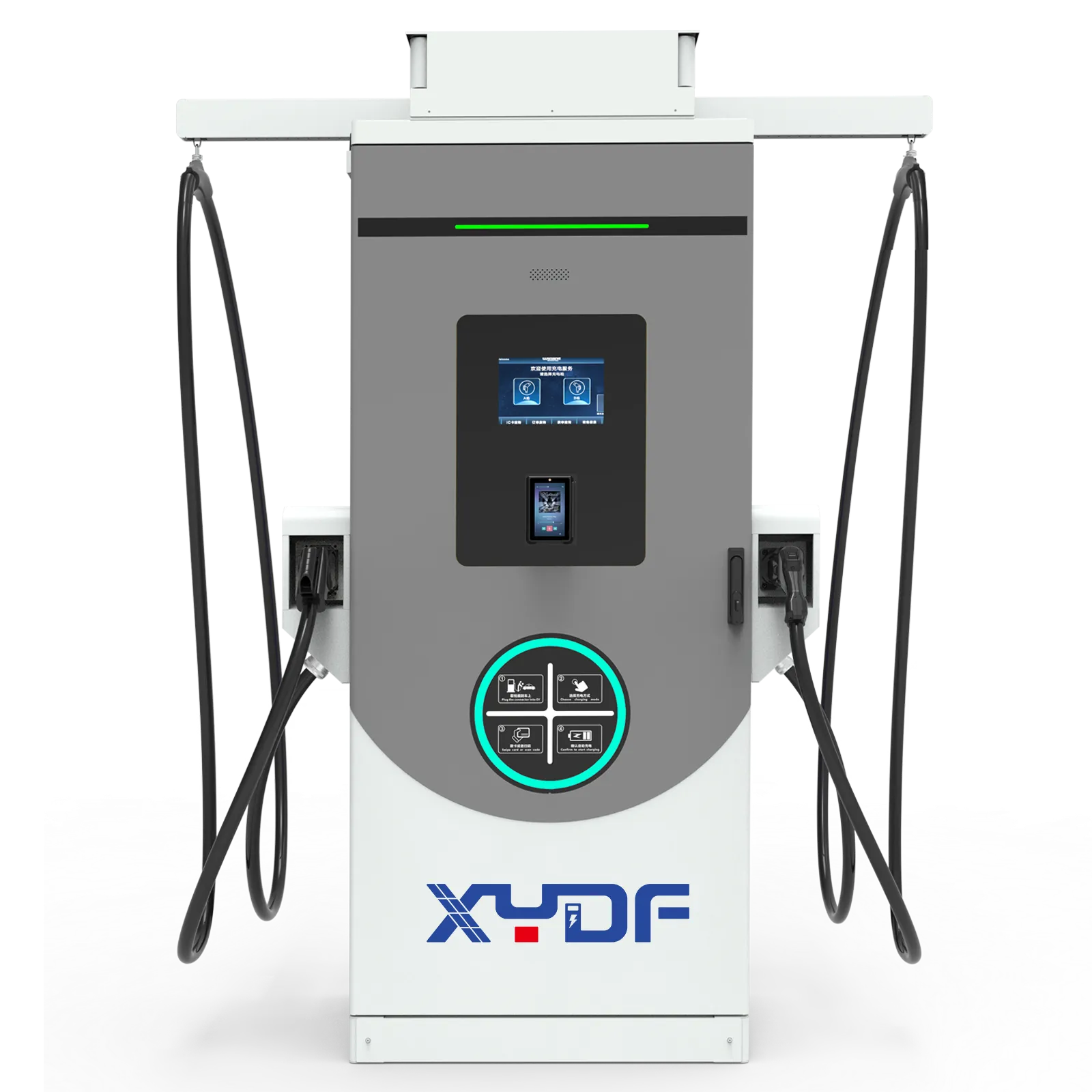
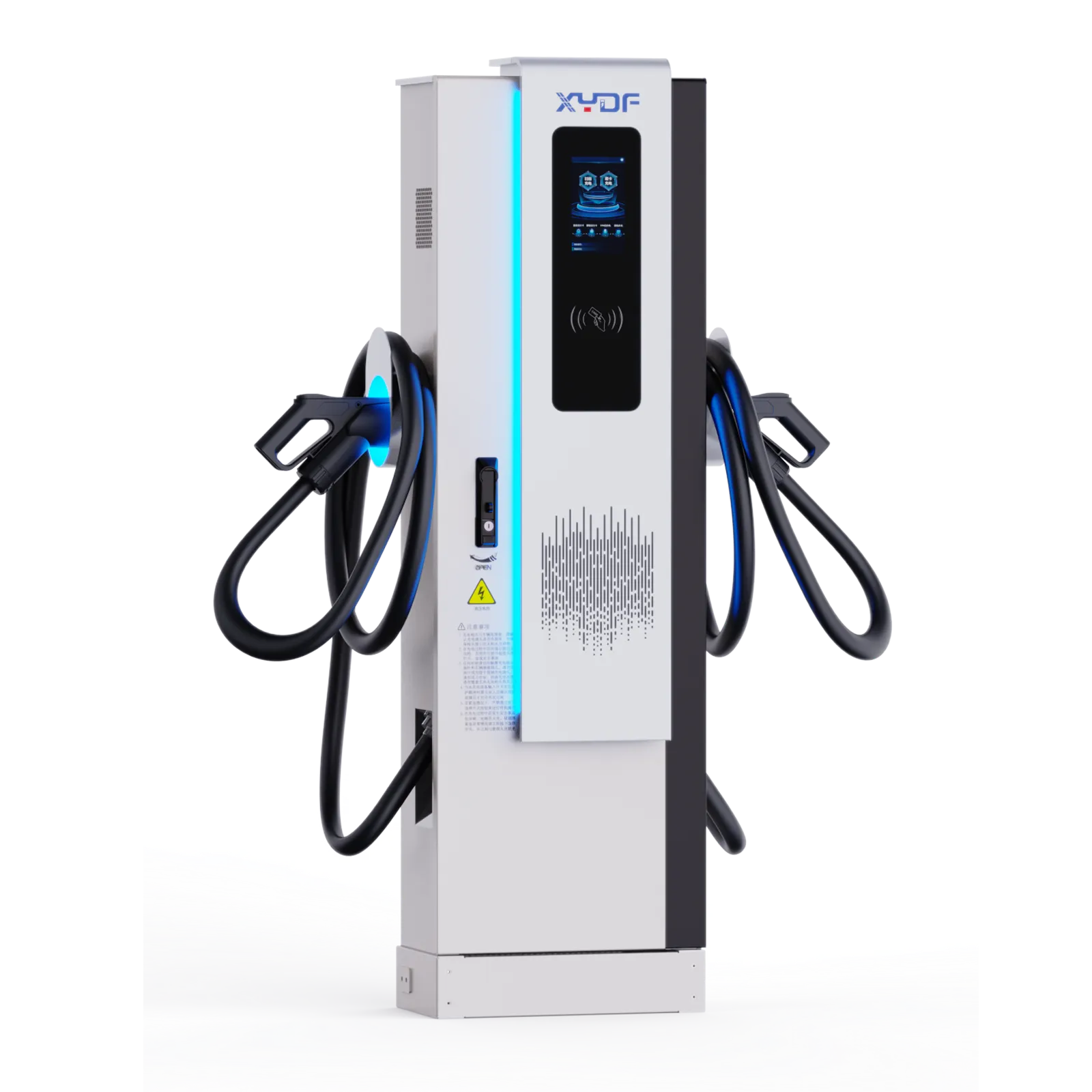
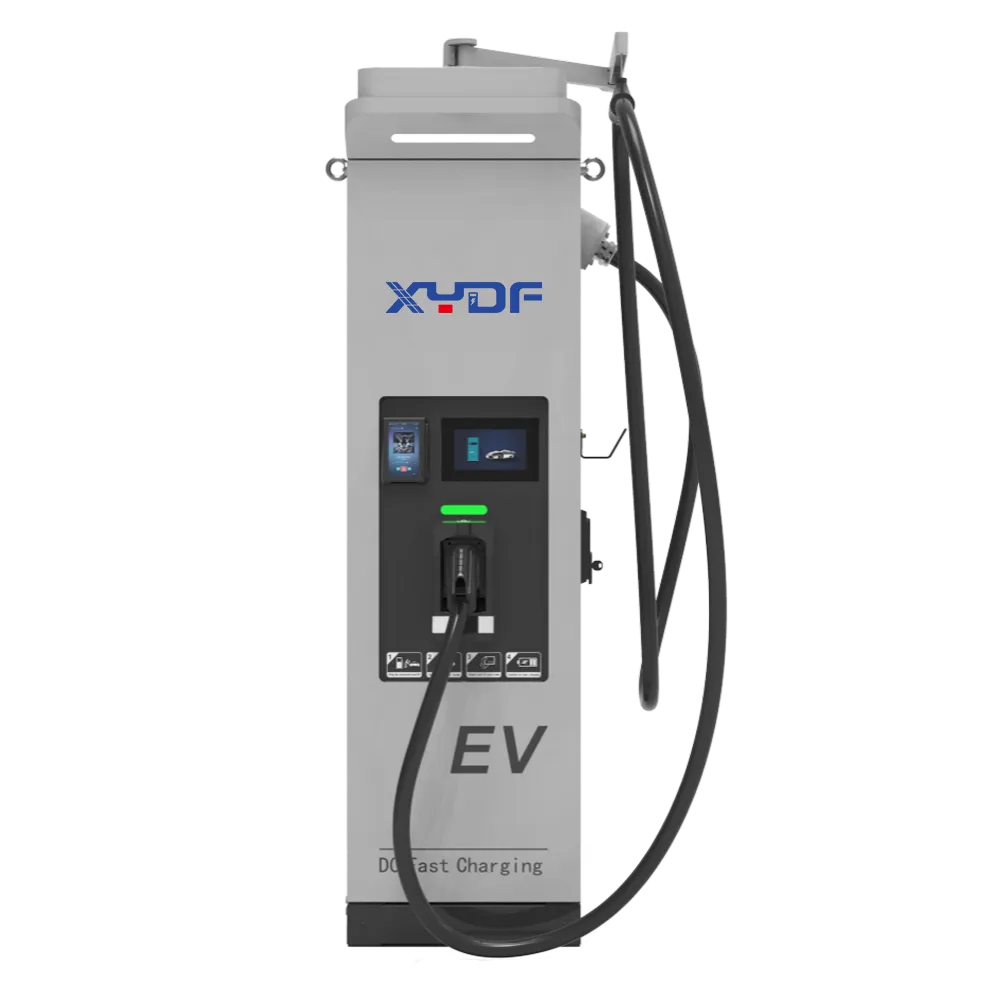
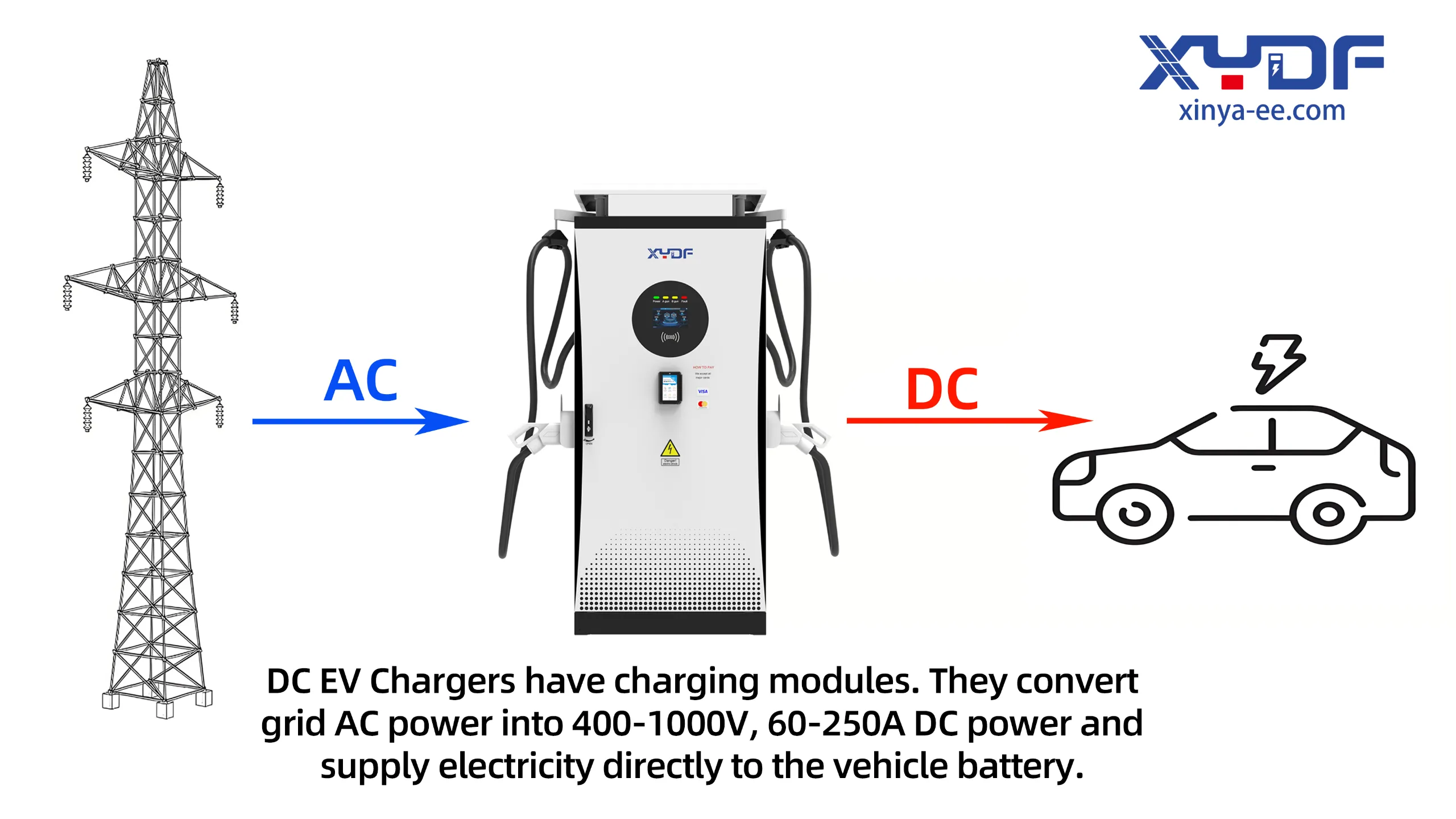
La recharge rapide DC est une solution de recharge de qualité commerciale conçue pour les environnements publics et le réapprovisionnement rapide à haute fréquence. Elle constitue l'équipement principal des stations de recharge rapide modernes et est largement déployée dans les projets de recharge commerciale. Contrairement à la recharge CA, un chargeur CC pour véhicules électriques intègre des modules redresseurs indépendants de haute puissance, des systèmes de stabilisation de tension et des systèmes de contrôle intelligent de la température à l'intérieur de l'unité. Il convertit directement le courant CA du réseau en courant CC spécifique à la batterie sur site, sans dépendre du chargeur embarqué du véhicule, éliminant ainsi complètement les limitations du matériel du véhicule.
Grâce à une conversion indépendante à haute puissance au niveau de l'équipement, les chargeurs CC prennent en charge des puissances de sortie ultra-élevées, allant de 60 kW à 480 kW. Dans la plage de recharge optimale du secteur, comprise entre 20% et 80%, la plupart des voitures particulières et des véhicules électriques utilitaires de logistique peuvent se recharger en seulement 30 à 60 minutes, ce qui améliore considérablement l’efficacité du roulement des recharges. La recharge rapide en courant continu est donc idéale pour les lieux à forte fréquentation nécessitant des temps d’attente courts et des recharges fréquentes, notamment les bornes de recharge publiques, les aires de service autoroutières, les parkings de centres commerciaux et les dépôts de flottes logistiques.
Les chargeurs DC de qualité industrielle professionnelle adoptent des conceptions structurelles améliorées avec une dissipation de chaleur accrue, une capacité de charge plus élevée et une protection supérieure du boîtier par rapport aux appareils civils. Ils prennent en charge le fonctionnement continu à forte charge et s'adaptent entièrement aux conditions d'exploitation intensives des entreprises. Parallèlement, les chargeurs DC de qualité export interagissent intelligemment avec le système BMS du véhicule, ajustant dynamiquement les courbes de charge en fonction de la température de la batterie en temps réel, de la capacité restante et des différences de pression des cellules. Cette stratégie de charge équilibrée assure un rechargement rapide tout en prévenant la surchauffe, la surcharge et les dommages aux cellules, prolongeant ainsi efficacement la durée de vie de la batterie.
Comment fonctionne un chargeur DC ?
XYDF : Fabricant mondial fiable de chargeurs pour véhicules électriques
XYDF est un fabricant professionnel axé sur la R&D, la production et l'exportation transfrontalière d'équipements de recharge commerciaux. Fort d'une longue expérience sur les marchés mondiaux, la marque se spécialise dans les solutions de chargeurs de VE haute performance et dessert des clients en Europe, en Asie du Sud-Est, en Afrique, au Moyen-Orient et dans d'autres régions.
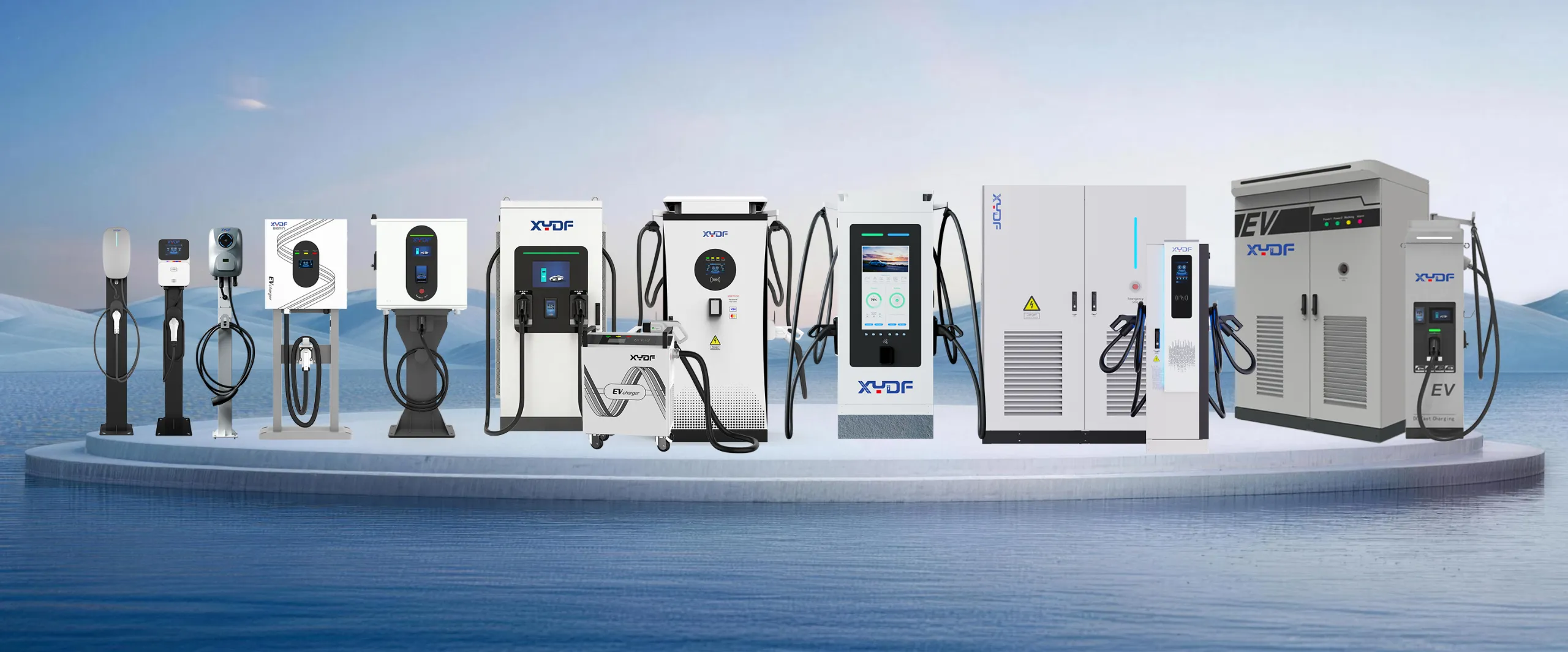
XYDF’La gamme de produits couvre les chargeurs résidentiels AC complets et les chargeurs commerciaux DC. Tous les produits adoptent une conception optimisée de qualité industrielle et sont équipés de modules d'alimentation de haute qualité conformes aux normes de l'industrie, offrant un contrôle précis de la température et une dissipation thermique efficace. L'équipement maintient une sortie de puissance stable et des performances de dérating contrôlées dans des conditions extrêmes telles que les températures élevées et basses, l'humidité élevée, les tempêtes de sable et la corrosion par brouillard salin, s'adaptant parfaitement aux conditions de réseau instables et aux climats complexes des régions d'outre-mer.
En termes de compatibilité et d'intelligence, Borne de recharge de VE XYDF Les unités sont préchargées avec une base de données mondiale complète de protocoles. Elles prennent entièrement en charge les protocoles courants, y compris CCS1, CCS2, CHAdeMO et GB/T, garantissant la compatibilité avec la plupart des modèles de véhicules électriques dans le monde. Les appareils prennent en charge les mises à niveau de micrologiciels à distance OTA à long terme pour synchroniser les dernières normes de handshake des véhicules et les spécifications de l'industrie, évitant ainsi l'obsolescence prématurée de l'équipement. De plus, le système de répartition dynamique de la charge intégré distribue intelligemment l'énergie dans une capacité de réseau fixe, améliorant l'utilisation du réseau et les revenus globaux du projet sans coûteuses rénovations du réseau.
En termes de conformité et de service après-vente, tous les équipements de recharge XYDF respectent les normes internationales de certification d'exportation et prennent en charge la connexion au protocole OCPP 1.6/2.0.1, s'adaptant pleinement aux modes d'exploitation commerciale étrangers et aux exigences des subventions politiques. La marque offre des services complets sur l'ensemble du cycle de vie, comprenant l'évaluation du réseau en amont du projet, la conception de solutions personnalisées, les conseils d'installation, la formation technique à distance, le support de garantie à long terme et les mises à niveau techniques à vie, aidant ainsi les clients mondiaux à minimiser les risques de projet et les coûts d'exploitation.
FAQ : Principes de recharge des VE et questions des acheteurs
Q1 : La recharge des véhicules électriques est-elle en courant alternatif ou en courant continu ?
La recharge des véhicules électriques comprend à la fois les modes AC et DC. La recharge domestique et à petite échelle utilise le courant alternatif converti par le système embarqué du véhicule, tandis que les bornes de recharge rapide publiques adoptent la recharge en courant continu avec un équipement externe effectuant la conversion de puissance pour une vitesse de recharge plus rapide.
Q2 : Pourquoi la recharge DC est-elle beaucoup plus rapide que la recharge AC ?
La vitesse de recharge CA est limitée par le matériel basse puissance du convertisseur embarqué du véhicule. En revanche, un chargeur CC pour VE effectue la conversion d'énergie à haute puissance au niveau de l'équipement et alimente directement la batterie en courant continu, surmontant ainsi les limitations matérielles du véhicule et améliorant considérablement l'efficacité de la recharge.
Q3 : La recharge rapide endommage-t-elle les batteries des VE ?
Les équipements de recharge rapide standard et conformes n'endommagent pas les batteries des véhicules électriques. Les chargeurs professionnels coopèrent avec le système BMS du véhicule pour ajuster intelligemment le courant et la tension, adoptant une charge d'entretien en fin de cycle pour équilibrer l'efficacité et la sécurité de la batterie. Seuls les chargeurs non qualifiés de mauvaise qualité présentent des risques potentiels de dommages à la batterie.
Q4 : Quel est le meilleur chargeur pour véhicules électriques pour un investissement commercial ?
Pour les projets commerciaux à l'étranger, les chargeurs rapides CC offrent le meilleur rapport coût-performance. Ils se caractérisent par une utilisation élevée des équipements, une grande adaptabilité aux scénarios et une conformité totale aux réglementations, ce qui en fait la solution idéale pour le déploiement dans les stations publiques, les pôles autoroutiers et les dépôts de flottes, afin de générer des profits stables à long terme.
Réflexions finales
Compréhension Comment fonctionne la recharge des véhicules électriques signifie la maîtrise de la logique de conversion d'énergie, d'interaction intelligente et d'exploitation sécurisée entre le réseau électrique, le chargeur de VE et la batterie du véhicule. Les différences essentielles entre la recharge lente AC et la recharge rapide DC déterminent directement les scénarios d'application, l'efficacité opérationnelle et la valeur commerciale des équipements de recharge. Que ce soit pour la recharge résidentielle privée ou l'investissement dans des stations de recharge commerciales mondiales, le choix d'équipements de recharge standardisés, conformes et résistants aux intempéries est la clé d'un fonctionnement sûr et d'une rentabilité à long terme. En tant qu'exportateur professionnel mondial de chargeurs de VE, XYDF offre une stabilité de niveau industriel, une compatibilité de modèle complète, des fonctions d'exploitation intelligentes et des systèmes de service transfrontaliers complets. Nous fournissons des solutions de recharge rentables, fiables et pérennes pour les utilisateurs individuels, les opérateurs de flottes et les investisseurs de projets mondiaux, soutenant ainsi le développement régulier de l'infrastructure de recharge mondiale des nouvelles énergies.
Usine du siège social du Zhejiang :
N° 2, route de Changjiang, parc industriel du pont de Wenzhou, ville de beibaixiang, ville de Yueqing, ville de Wenzhou, province du Zhejiang
Bureau de Shenzhen :
1er étage, Bâtiment A, Parc Industriel Shenkai, Communauté Tangtou, Sous-district de Shiyan, District de Bao'an, Shenzhen
Nous utilisons des cookies pour assurer le bon fonctionnement de ce site Web et, avec votre autorisation, pour mesurer la manière dont les visiteurs utilisent notre site de recharge pour VE. Voir notre Politique de confidentialité pour plus de détails.
 Xinya Dongfang Electricity Technology Co., Ltd.